SEO’s Quiet Takeover: Why Keywords Are Smashing Hashtags on Social Media
Remember when hashtags were king? Like, seriously, ruling the social media kingdom? You’d slap a dozen on your Instagram post, thinking you were a marketing genius.
We all did it. It felt like the only way to get eyes on your stuff. But let’s be real, that party’s kinda over.
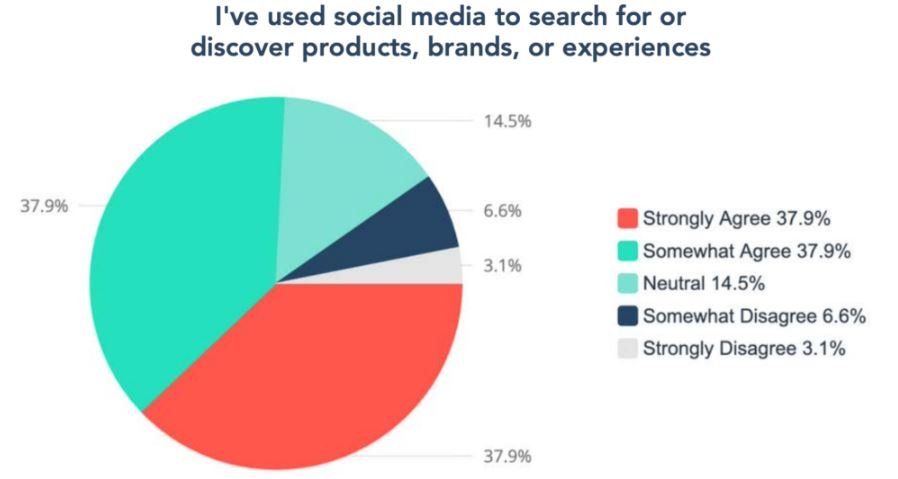
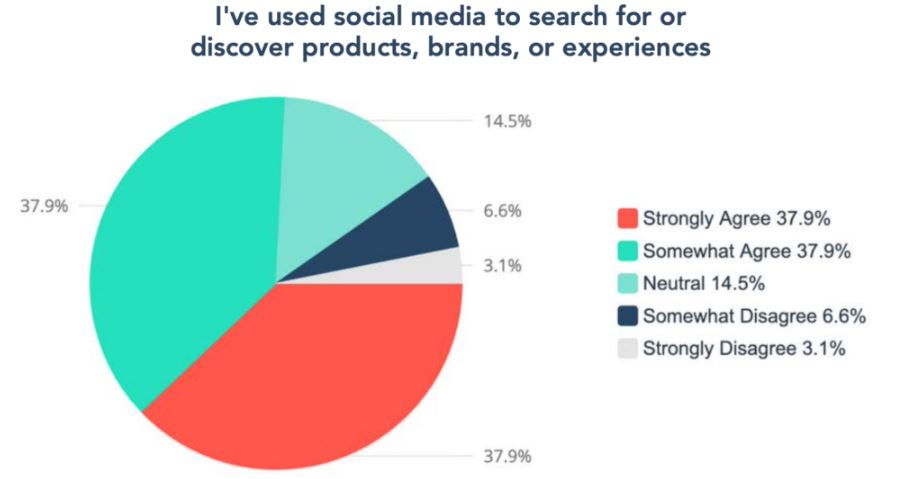
The game’s changed. Big time. Social platforms aren’t just about fleeting trends anymore; they’re morphing into actual search engines.
Source : digitalmarketingphilippines.com
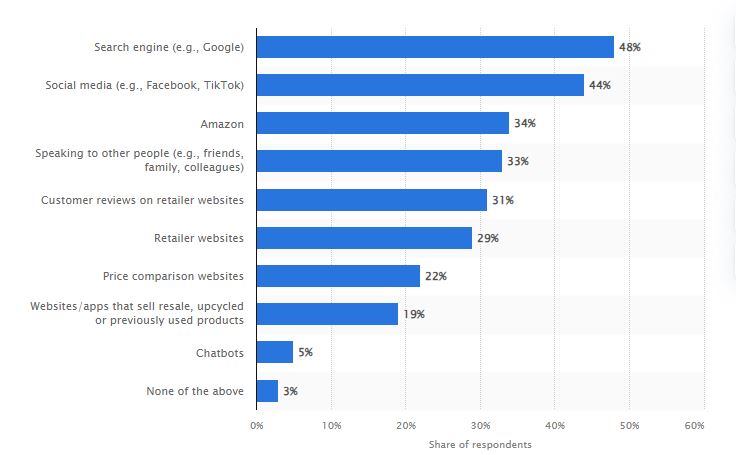
Think about it. When you’re looking for something specific – say, a vegan baker in Brooklyn or the best waterproof hiking boots – where do you go first? Maybe you still type it into Google.
But increasingly? You’re typing it right into the search bar on TikTok, Instagram, or even Pinterest. Yeah, you are.
These platforms have realized that users want answers, not just pretty pictures. And what delivers answers? Keywords.
Not just random strings of #blessed.
This shift isn’t some minor tweak. It’s a seismic event. Algorithms are getting smarter, way smarter.
They’re prioritizing content that directly answers a user’s query. And that query? It’s usually a phrase, a question, a specific need.
Stuff that sounds like, you know, actual language. Stuff that screams search intent.
The Hashtag Hangover
For years, hashtags were our go-to. They were simple. Easy.
You just followed the trends, right? #OOTD, #Foodie, #TravelGram. It was a decent way to get some eyeballs, sure. But let’s be honest, it was also a bit of a crapshoot.
You were relying on the algorithm to coect your perfectly crafted post with someone who happened to be looking for that exact tag. Often, you were just shouting into the void, hoping for the best. It was quantity over quality, a scattergun approach.
And the competition? Insane. You’d see the same popular tags used millions of times.
Your amazing content? Buried. Gone.
Like a needle in a digital haystack. Finding your audience was like trying to find a specific grain of sand on a beach. It was exhausting and frankly, often pretty disappointing.
Plus, hashtags are pretty much meaningless outside their specific platform. What good is #SocialMediaTips on LinkedIn if you’re trying to reach people on Google?
Source : digitalmarketingphilippines.com
Plus, let’s talk about discovery. Sure, hashtags help people find you if they’re already on that platform and if they’re using those specific tags. But what about broader discovery?
What about people who aren’t actively scrolling your platform but might search for your product or service on a traditional search engine? Hashtags do zilch there. Nada.
It’s a walled garden, and the walls are getting higher.
Enter the SEO All-Stars: Keywords
This is where SEO, or Search Engine Optimization, flexes its muscles. We’re talking about using specific keywords and phrases that people actually search for. Think about it like this: instead of yelling #BestCoffeeEver into the crowd, you’re writing a blog post titled “The 5 Best Independent Coffee Shops in Seattle You Absolutely Must Try.” See the difference?
One is a tag. The other is an answer. A targeted, juicy answer.
Social platforms are increasingly treating their search functions like Google. They want to serve up the most relevant results. And relevance?
That’s all about keywords. When you pepper your profile, your posts, your captions, and even your video descriptions with the terms your ideal customer is using, you’re telling the platform, “Hey! I have what they’re looking for!” It’s direct.
It’s effective. It’s putting your content in front of people who are ready to engage.
The beauty of this is it works across platforms and even beyond. Optimizing your social profiles with relevant keywords means that when someone searches for, say, “affordable graphic designer” on LinkedIn, your profile is more likely to pop up. Even better, that same keyword optimization can help your posts get found through organic search on Google itself, driving traffic not just from social media, but from the biggest search engine on the planet. Talk about reach.
Social Media is Now a Search Engine (Yes, Really)
This isn’t hyperbole, folks. Platforms like Instagram, TikTok, and YouTube are actively investing in their search capabilities. They want users to find what they need without leaving the app.
YouTube has been a search engine for video for years. Now, Instagram’s explore page is getting smarter, TikTok’s search bar is becoming indispensable for discovering trends and products, and Pinterest? It’s basically a visual search engine for ideas and products.
Users are actively typing queries into these platforms. They’re not just browsing randomly anymore. They have intent.
They want to find a solution, a product, a service, or information. If your content is packed with the right target keywords, you’re positioning yourself to be that solution. It’s about understanding what your audience is searching for and speaking their language.
It’s about making your content discoverable when it matters most.
This evolution means the strategy has to change. Gone are the days of simply tagging and praying. Now, it’s about strategic content creation.
It’s about research. It’s about understanding SEO principles and applying them directly to your social media efforts. Think long-tail keywords, question-based queries, and problem-solution content.
This is the new frontier of social media visibility, and frankly, it’s a much more rewarding one.
Source : digitalmarketingphilippines.com
Why Keywords Beat Hashtags for Visibility
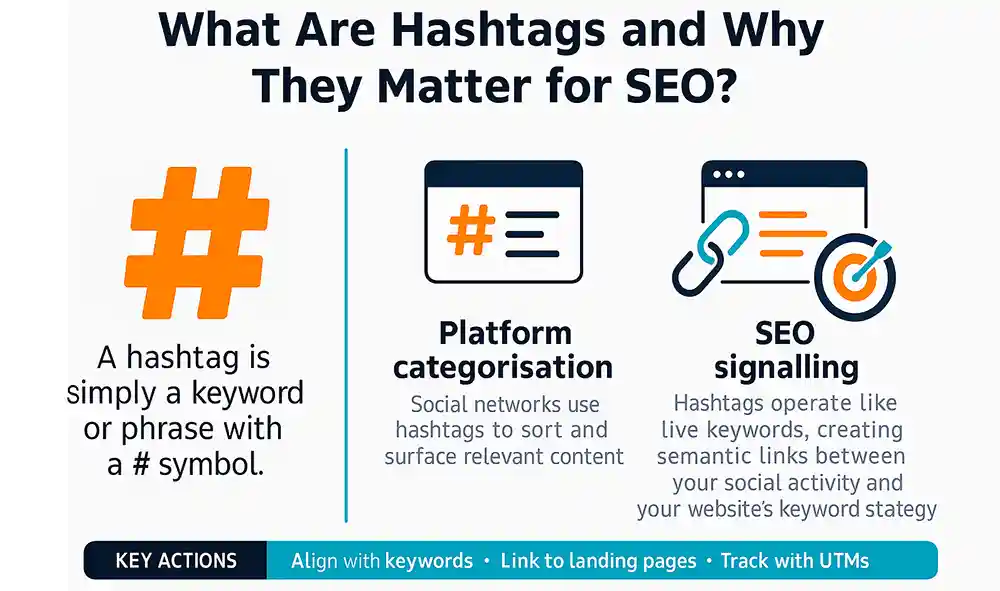
Let’s break it down. Hashtags are great for categorization and joining conversations. They help people find content related to a specific topic if they are actively searching within that tag.
Keywords, on the other hand, are what people use when they have a specific need or question. They represent user intent. And algorithms are increasingly tuned to match intent with the best possible content.
When you use keywords strategically in your social media bios, your post captions, and even your alt text for images, you’re essentially creating signposts for the search engines (both social and traditional). This makes your content far more likely to appear in relevant search results. It’s not just about hoping someone stumbles upon your post; it’s about actively guiding searchers to your doorstep. This is strategic visibility, plain and simple.
Consider the difference between searching for #MarketingTips and searching for “how to improve social media engagement rates.” The latter is far more specific. It tells the search engine exactly what the user wants. If your content directly addresses that query with those exact or similar keywords, you’re miles ahead of someone just using a broad hashtag.
This precision is what modern algorithms crave. It’s about providing value, not just noise.
The New Social Media Playbook: SEO-First
So, what does this mean for your strategy? It means shifting your focus. Start thinking like a search engine optimizer.
Dive deep into keyword research. What terms are your ideal customers using? What problems are they trying to solve?
Use tools to find these keywords – don’t just guess.
Then, integrate these keywords naturally. Put them in your social media bios. Use them in your post captions, making sure they flow well and don’t sound stuffed.
Write compelling descriptions for your videos. Even the file names of images you upload can play a role! Every little bit helps tell the algorithm what your content is about.
This is about making your content findable, both on social platforms and through external search engines.
Create cornerstone content. These are your high-value, in-depth posts or videos that thoroughly answer a specific question or address a key topic using your target keywords. Think of them as the anchors for your social media presence.
They provide immense value and are prime candidates for ranking well in search results. It’s about building a library of answers, not just a stream of updates. You can learn more about how SEO is overtaking hashtags in social media visibility right here.
Practical Steps to Boost Your Social SEO
Ready to ditch the hashtag madness and embrace the power of SEO? Here’s how to get started:
Source : digitalhype.co.uk
- Keyword Research is Non-Negotiable: Use tools like Google Keyword Plaer, Ahrefs, SEMrush, or even just the platform’s own search suggestions to find what your audience is looking for. Look for phrases with good search volume but manageable competition.
- Optimize Your Profiles: Your bio is prime real estate. Weave in your most important keywords naturally.
Describe what you do and who you help using terms people would search for.
- Craft Keyword-Rich Captions: Write captions that are informative, engaging, and naturally incorporate your target keywords. Don’t just list tags; tell a story or provide value.
- Video SEO Matters: If you’re on platforms like YouTube or TikTok, optimize your video titles, descriptions, and tags with relevant keywords. Transcripts and closed captions also help search engines understand your video content.
- Engage Authentically: While keywords are key, don’t forget the ‘social’ part.
Respond to comments, ask questions, and build a community. This signals to algorithms that your content is valuable and engaging. It’s about building relationships, not just optimizing text.
- Analyze and Adapt: Keep an eye on your analytics.
What content is performing well? What keywords are driving traffic? Use this data to refine your SEO strategy.
This isn’t a set-it-and-forget-it game.
Don’t underestimate the power of these simple steps. By focusing on keywords, you’re making your content discoverable to a wider audience, driving more qualified traffic, and ultimately, achieving better results. You’re putting your content where people are actively looking for it.
This is the future, and it’s happening now. It’s time to get onboard.
The Future is Keyword-Driven
The days of relying solely on hashtags for social media reach are fading fast. As platforms mature and user behavior shifts towards search-like interactions, keyword optimization becomes the critical factor for visibility. It’s not just about being seen; it’s about being found by the right people at the right time.
Embracing an SEO-first approach on social media isn’t just a trend; it’s a fundamental necessity for anyone serious about growing their online presence. It requires a deeper understanding of your audience and their needs, but the payoff – sustained visibility, targeted traffic, and genuine engagement – is immense. This is how you cut through the noise and make a real impact in today’s crowded digital space.
You’re essentially playing the long game. And wiing.
So, what are you waiting for? Start incorporating relevant keywords into your social strategy today. Your future self, and your bottom line, will thank you.
Remember, it’s not about shouting louder; it’s about answering more clearly. The era of the hashtag hangover is over; the age of social search dominance has begun.
Frequently Asked Questions
Do hashtags increase SEO?
Honestly? Not directly in the way most people think. Hashtags are great for categorizing content within a social platform and helping users find related posts when they search for that specific tag.
They help with discovery on platforms like Instagram or Twitter. But they don’t typically boost your website’s SEO or improve your ranking on Google search results. Google largely ignores hashtags.
Think of hashtags as internal navigation for social media, while SEO keywords are the map for the entire internet. For actual SEO benefits, you need to focus on the keywords people are typing into search engines like Google, and increasingly, into the search bars of social platforms themselves. It’s about matching search intent, not just adding a trendy tag.
Is SEO dead or evolving in 2026?
Dead? Absolutely not. Evolving?
100%. Anyone saying SEO is dead probably hasn’t kept up. It’s constantly changing, getting smarter, and becoming more user-focused.
Think less about keyword stuffing and tricky tactics, and more about providing genuinely valuable, high-quality content that answers user questions comprehensively. With the rise of AI search and voice search, SEO is actually becoming more important, but the methods are shifting. We’re seeing a huge emphasis on things like topical authority, user experience, and semantic search.
Plus, as we’ve discussed, social media itself is becoming a massive search engine, so optimizing for that is a whole new, crucial layer of SEO. It’s not dying; it’s just getting a serious upgrade.
How can I use keywords effectively on TikTok?
TikTok is a perfect example of a platform where search is booming. Forget just trending sounds and dance challenges; people are actively searching for advice, products, and entertainment. To use keywords effectively on TikTok, start by doing some research.
What terms are people searching for in your niche? Use the search bar on TikTok itself – see what auto-completes. Then, strategically weave those keywords into your captions.
Make them descriptive and relevant to the video content. Don’t forget your video titles and descriptions, too. Even your on-screen text and spoken words in the video can be picked up by the algorithm.
Think about the questions your target audience might ask and create videos that answer them using those exact keywords. It’s about providing value and making your content discoverable when someone types a query into that search bar. It’s basically TikTok SEO, and it’s huge for visibility.
What’s the difference between SEO keywords and social media hashtags?
Great question! Think of it like this: SEO keywords are the specific words and phrases people type into search engines like Google when they’re looking for information, products, or services. They represent a direct search query and are crucial for driving traffic to your website.
Social media hashtags, on the other hand, are primarily for categorization and community building within a social platform. They help users discover content related to a specific topic or trend. While a hashtag like #DigitalMarketing might help someone find your Instagram post, the SEO keyword phrase “best digital marketing strategies for small businesses” is what someone would type into Google, and it’s crucial for ranking your blog post or website page.
You can use keywords in your social media captions to help with on-platform search, but hashtags don’t typically carry SEO weight outside of their native platform. It’s about matching intent: search engines want direct answers (keywords), while social platforms use hashtags for topic discovery.
Should I still use hashtags on Instagram?
Look, I’m not saying ditch them entirely. Hashtags can still help with content categorization and reaching people who are actively browsing within a specific tag on Instagram. They can add a bit of discoverability, especially niche or hyper-specific ones.
However, relying solely on hashtags is a mistake. Instagram’s algorithm is getting way smarter. It’s prioritizing content based on user interests and behaviour, and search is becoming a massive driver.
This means using relevant keywords in your captions and even your bio is becoming far more important than just a string of hashtags. Think of hashtags as a helpful add-on, not the main course. Use a mix – some broad, some niche – but make sure your actual caption content is optimized with keywords that accurately describe your post and what people might be searching for.
It’s about giving the algorithm more signals, and keywords are now the strongest signals for serious visibility.