Get Your Hands Dirty: The Ultimate Begier’s Guide to Pottery and Ceramics
Ever stared at a beautiful handmade mug or a quirky ceramic planter and thought, “I wish I could do that”? Well, guess what? You totally can. Pottery isn’t some mystical art form reserved for bearded gurus in loincloths. It’s messy, it’s rewarding, and yeah, it’s surprisingly doable for begiers. Forget those stuffy art classes for a second. We’re talking about getting real, tangible results with your own two hands. This is your no-nonsense, straight-up guide to diving headfirst into the awesome world of pottery and ceramics.

Source : amazon.com
So, What Exactly ARE Pottery and Ceramics?
Okay, let’s clear the air. Pottery and ceramics? Basically the same thing, right? Well, not exactly. Think of it like this: all pottery is ceramic, but not all ceramics are pottery. Weird, huh? Ceramics is the umbrella term. It covers anything made from clay and hardened by heat, like tiles, bricks, and even some advanced industrial materials. Pottery, on the other hand, is specifically about making vessels and objects – think bowls, plates, vases, sculptures. It’s the more artistic, hands-on side of ceramics. For us begiers, we’re mostly talking about making cool stuff out of clay.
Why Bother With Clay?

Source : amazon.com
Honestly? Because it’s awesome. It’s a total mental reset. You’re focused, your hands are busy, and the world’s problems just kinda… melt away. Plus, you get to create something tangible. Something you can hold, use, and show off. Imagine sipping your morning coffee from a mug you made yourself. Talk about a satisfying feeling. It’s therapeutic, it’s creative, and let’s be real, it’s a fantastic way to unplug from the endless scroll. You can even get pretty deep into it, exploring different techniques and styles. It’s a journey, man.
Getting Started: The Bare Essentials
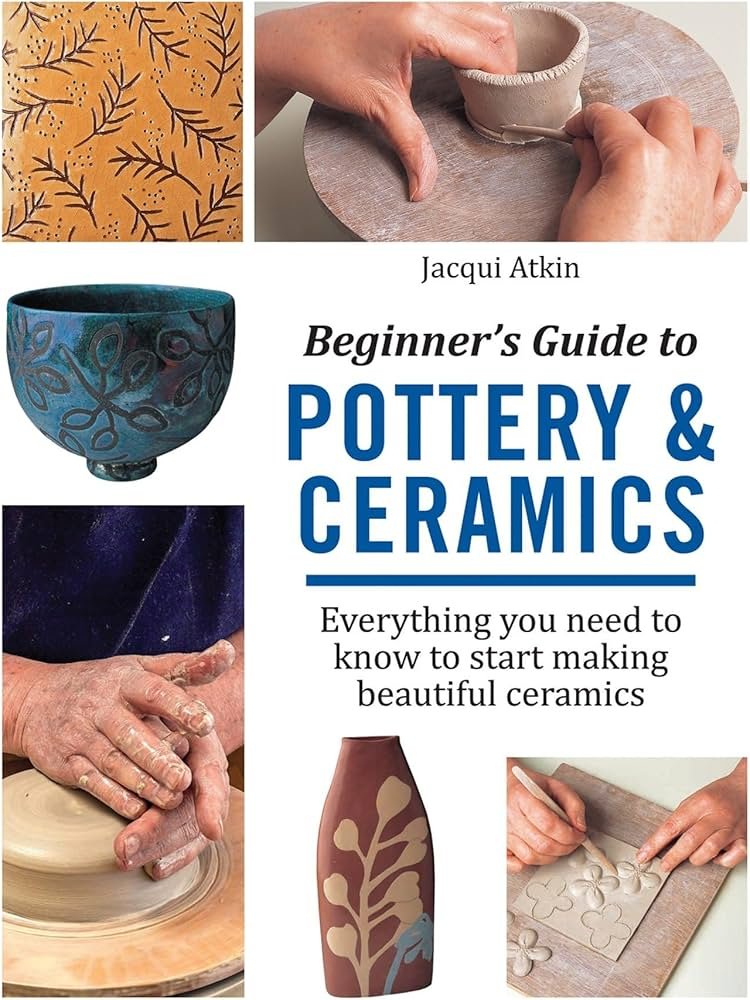
Don’t let the fancy studio setups fool you. You don’t need a million-dollar kiln or a professional potter’s wheel to start. You can actually get going with a pretty basic setup. The absolute must-haves? That’s clay, obviously. And something to shape it with. For a begier’s kit, you can honestly start for under £12, believe it or not. Think simple tools like a needle tool, a wire cutter, a wooden modeling tool, and maybe a sponge. You can grab a starter kit online, or check out resources that break down exactly what you need. One great place to look for gear is this begier’s guide on Amazon.
Choosing Your Clay: The Foundation of Your Creation
Clay. It’s the heart of it all. For begiers, you’ll want something forgiving. Earthenware clay is a solid choice. It fires at lower temperatures, making it easier to manage without a super-hot kiln. Stoneware is another popular option – it’s more durable and fires at higher temps, giving you stronger finished pieces. Air-dry clay is also an option if you really can’t get near a kiln; it hardens on its own. But for that authentic ceramic feel, you’ll eventually want to explore firing. Whatever you choose, make sure it’s suitable for begiers.
Hand-Building vs. Wheel Throwing: Pick Your Path

Source : amazon.com
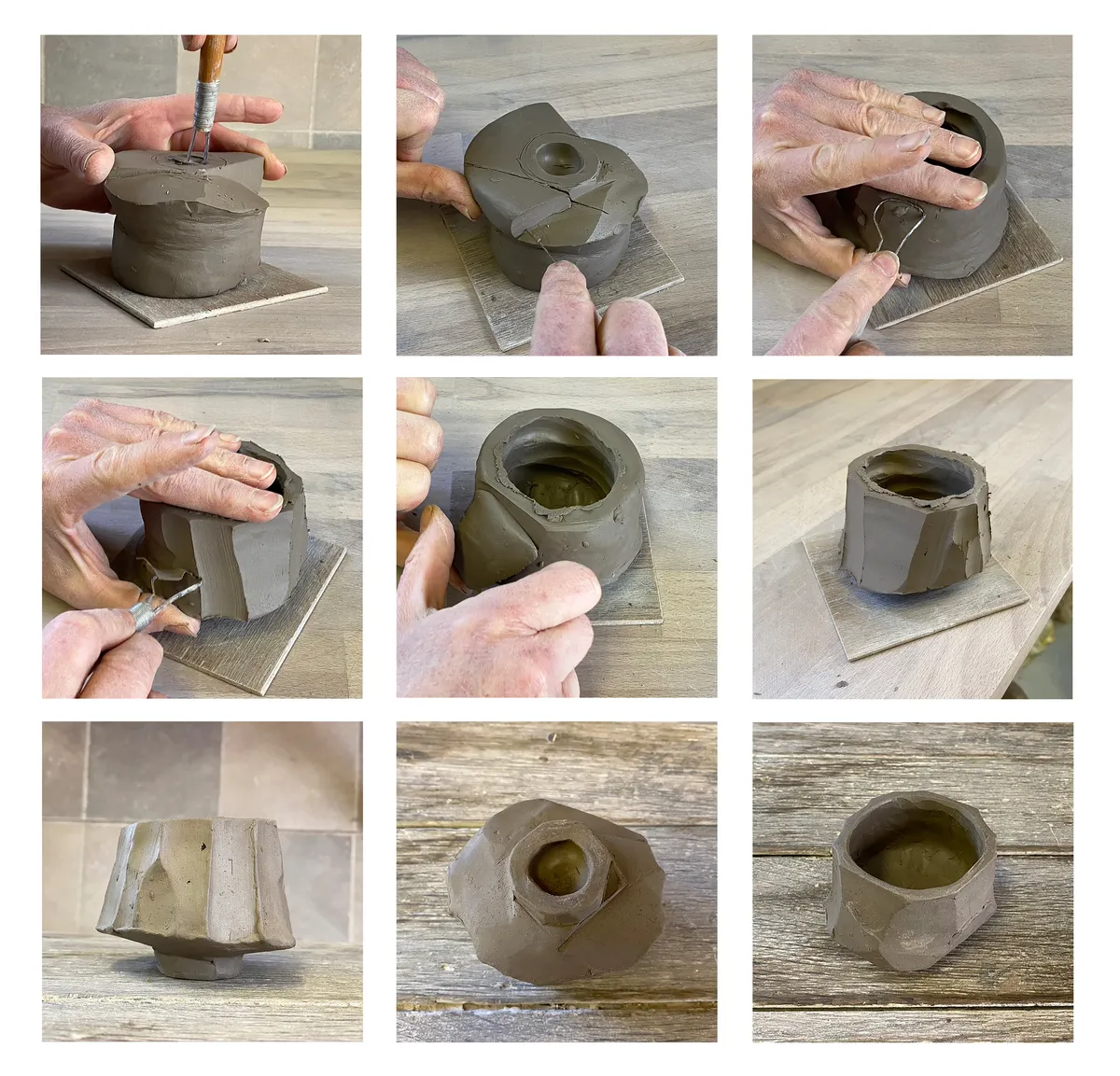
This is where things get interesting. You’ve got two main routes: hand-building and wheel throwing. Hand-building is exactly what it sounds like. You use your hands (and some basic tools) to shape the clay. Techniques like pinch pots, coil building, and slab building are super accessible. Pinch pots are literally just you pinching a ball of clay into a bowl shape. Easy peasy. Slab building involves rolling out flat sheets of clay and cutting and joining them. It’s super versatile. Wheel throwing, on the other hand, is what most people picture: the classic spiing wheel. It takes serious practice to get the hang of it – controlling that spiing lump of clay is a skill. But the results? Absolutely stuing. Many find starting with hand-building is the way to go.
The Process: From Mud to Masterpiece
Okay, so you’ve got your clay, you’ve picked your method. What’s next? It’s a journey, not a race. First, you’ll shape your piece. Whether you’re pinching, coiling, or attempting a wobbly cylinder on the wheel, this is where your creation takes form. Once it’s shaped and has dried to a ‘leather hard’ state (firm enough to handle but still a bit damp), you can refine it, carve it, or attach handles. Then comes the drying phase. Let it dry completely – this is crucial to prevent cracking during firing. After it’s bone dry, it’s ready for the first firing, called the bisque firing. This makes the clay permanently hard. Finally, you glaze it. Glazing adds color, texture, and makes your piece waterproof. Then it goes back in the kiln for a final firing. And bam! You’ve got a finished ceramic piece.
Drying: Patience is a Virtue (Especially with Clay)
Seriously, don’t rush the drying. Trying to fire clay that’s still wet is a recipe for disaster. Explosions in the kiln? Not ideal. Your piece needs to be completely bone dry before it hits the heat. This can take anywhere from a few days to a couple of weeks, depending on the clay thickness, humidity, and air circulation. Find a safe spot where it won’t be disturbed and let nature do its thing. Rushing this step is probably the most common begier mistake.
Firing: The Kiln’s Magical Transformation

Source : amazon.com
Firing is where the magic happens. The heat transforms that soft clay into hard, durable ceramic. You’ve got bisque firing (the first one) and glaze firing (the second one, after glazing). Kilns can be electric, gas, or even wood-fired. As a begier, you’ll likely be using an electric kiln. These can be expensive to buy and run, so many begiers start by renting kiln space at a local studio or community center. It’s way more budget-friendly and lets you experiment without the huge investment.
Glazing: Adding That Finishing Flair
Glaze is like the paint and protective coating for your pottery. It comes in liquid or powder form and you apply it by dipping, brushing, or pouring. There are tons of colors and finishes – glossy, matte, textured. Have fun with it! But remember, glaze melts and flows in the kiln, so don’t glaze the very bottom of your piece, or it’ll fuse to the kiln shelf. Always leave a little unglazed foot. Experimenting with different glaze combinations can lead to some truly unique results.
Tools Every Begier Needs (No, You Don’t Need Everything)
Okay, let’s talk tools. You don’t need a fancy setup to start. A few basics will get you far. Think about getting: a basic tool kit (often includes a needle tool, wire clay cutter, ribbon/loop tools, and a wooden modeling tool), a sponge, a rolling pin (for slab work), and maybe a basic turntable or banding wheel if you’re doing hand-building and want to easily turn your piece. If you’re serious about hand-building, check out this equipment guide. It breaks down the essentials. You can even DIY some tools initially. The key is to start simple and add tools as you learn.
The Potter’s Wheel: A Leap of Faith (and Skill)
Source : gathered.how
The potter’s wheel. It looks so graceful in videos, right? Centering the clay, pulling up the walls… pure artistry. But here’s the truth: it’s HARD. Like, really hard. It takes hours, days, weeks of practice to even get a decent cylinder. Your first attempts will likely be wobbly, lopsided messes. And that’s okay! That’s part of the learning curve. If you’re itching to try it, look for begier wheel classes. They provide the wheel, the clay, and an instructor to guide you through the initial frustration. Buying your own wheel is a big step – they range from a few hundred to a few thousand dollars. So maybe try before you buy.
Common Begier Pitfalls (And How to Avoid Them)
We’ve all been there. That sinking feeling when your masterpiece collapses or cracks. It happens. But knowing the common traps can save you a lot of heartache. One: Not drying your clay enough. We covered this, but it’s worth repeating. Two: Overworking the clay. Keep pulling and shaping, and you can actually break down its structure, making it weak. Three: Glazing the bottom. Yep, that one again. Four: Rushing the process. Pottery is slow. Embrace the slowness. Five: Expecting perfection. Your first pieces won’t be gallery-worthy. And that’s totally fine. Focus on learning and enjoying the process.
Where to Go From Here?
So, you’ve made a pinch pot. You’ve maybe even thrown a wonky bowl. What now? Keep practicing! Explore different hand-building techniques. Maybe take a workshop. Find a local studio where you can rent time on a wheel or use their kilns. Consider getting your own tools gradually. And most importantly, have fun. Pottery is a journey of constant learning and discovery. Don’t be afraid to experiment, make mistakes, and create something uniquely yours. You’re now officially on your way to becoming a pottery pro (eventually!).
Frequently Asked Questions
-
What's the easiest way for a begier to start pottery?
Honestly, start with hand-building techniques like pinch pots or coil building. They don’t require a wheel and let you get a feel for the clay quickly. You can make something cool without a ton of specialized equipment right off the bat.
-
Do I need a kiln to do pottery at home?
Not necessarily! You can use air-dry clay, which hardens on its own without firing. Or, you can find local studios or community centers that rent kiln space. It saves a huge upfront cost and lets you try firing without buying expensive equipment.
-
What kind of clay is best for absolute begiers?
For begiers, earthenware clay is a great choice. It’s forgiving, fires at lower temperatures (which is easier to manage), and is widely available. Stoneware is also good if you plan on firing at higher temperatures later on, as it makes for more durable pieces.
-
How much does it cost to start pottery?
You can get started with a surprisingly small budget. A basic begier tool kit might only cost you around £12-£20, plus the cost of clay. You can definitely start hand-building without a wheel. The costs really ramp up if you decide to invest in your own wheel or kiln later.
-
What's the difference between pottery and ceramics?
Think of ceramics as the broader category – anything made from clay and fired. Pottery is a specific type of ceramics, focusing on making functional or decorative vessels like bowls, cups, and vases. So, all pottery is ceramic, but not all ceramics are pottery. We’re usually talking about making pottery when we say ‘pottery’.