Digital Detox Challenge: Why Gen Z Is Ditching Smartphones for Dumb Phones in 2026 (And How You Can Join)
Ever felt that buzzing in your pocket, even when your phone wasn’t there? Or the nagging urge to check social media, just *one more time? You’re not alone. Gen Z, the generation born into the digital age, is leading a quiet revolution. By 2026, the trend of switching to ‘dumb phones’ for a powerful digital detox challenge is no longer a niche movement – it’s a mainstream rebellion against constant digital noise.
It’s a stark contrast to the stereotype of tech-native youth, yet it makes perfect sense. They’ve lived through the full spectrum of the smartphone era, and many are now seeking an escape. If you’re tired of the endless scroll, the notification anxiety, and the feeling that your phone owns you instead of the other way around, then get ready. This isn’t just about nostalgia; it’s about reclaiming focus, improving mental well-being, and rediscovering a more present life.
The Digital Overload Crisis: What Led Us Here?
We’ve spent the last decade building increasingly sophisticated digital lives, but somewhere along the way, the convenience turned into compulsion. Our phones, once tools, became demanding extensions of ourselves.
The Smartphone Paradox: Connection vs. Compulsion
Smartphones promised boundless connection – and they delivered. But that constant connection came with a hidden cost: an equally boundless compulsion. We’re connected to everyone, everywhere, all the time, often at the expense of connecting with ourselves or the people right in front of us. The irony isn’t lost on Gen Z, who witnessed the full evolution of this paradox.
The Mental Health Toll: Anxiety, FOMO, and Constant Notifications
The stats are sobering. High rates of anxiety, depression, and FOMO (Fear Of Missing Out) have been linked to excessive smartphone use and social media engagement. Every ping is a demand for attention, every curated feed a highlight reel that subtly breeds inadequacy. Gen Z understands this acutely; they’ve grown up navigating a world where their self-worth can feel tied to likes and shares, leading to what many are calling a ‘dopamine diet’ to reset their reward systems.
The Attention Economy and Gen Z’s Pushback
Tech companies thrive on your attention. Their algorithms are expertly crafted to keep your eyes glued, your thumb scrolling. This ‘attention economy’ is a powerful force, but Gen Z is increasingly aware of how it manipulates their time, energy, and mental space. The digital detox movement is, in essence, a declaration of independence from this constant tug-of-war for their focus.
Why 2026? The Tipping Point for Gen Z’s Dumb Phone Revolution
While the trend has been simmering for a few years, 2026 is poised to be a pivotal year. We’re seeing a convergence of factors that are pushing this generation towards more drastic measures than just screen time limits.
A Conscious Rebellion Against Always-On Culture
Gen Z is, by nature, a socially conscious generation. They are keenly aware of societal pressures and systemic issues. The ‘always-on’ culture, perpetuated by smartphones, is increasingly seen as a system they want to opt out of. Switching to a dumb phone isn’t just a personal choice; it’s a statement, a ‘bricking your phone’ approach to digital sobriety akin to Dry January.
The Quest for Deep Focus and Productivity
In an increasingly competitive world, deep work and sustained focus are becoming superpowers. Smartphones are notorious for fragmenting attention, making it nearly impossible to concentrate for extended periods. Gen Z is realizing that to truly excel in their studies, careers, and creative pursuits, they need to eliminate the most potent distraction: the smartphone. A dumb phone offers an immediate, tangible solution for regaining control over their attention spans.
Nostalgia Meets Necessity: The Aesthetics of Simplicity
For many Gen Zers, flip phones and basic bar phones evoke a sense of early 2000s nostalgia, a time perceived as simpler, less complicated by digital demands. This aesthetic appeal merges with the practical necessity for a detox, making the choice to go ‘dumb’ feel both cool and conscious. It’s about a ‘flip phone summer’ that extends all year round.
Dopamine Detox: Reclaiming Our Reward Systems
The constant stream of notifications, likes, and instant gratification from smartphones hijacks our brain’s dopamine pathways. Gen Z is increasingly aware of this, actively seeking a ‘dopamine detox’ to reset their neural reward systems. A dumb phone, by its very nature, limits these constant hits, allowing the brain to find joy in slower, more meaningful activities, rather than endless scrolling.
The Benefits You Can Expect From a Dumb Phone Digital Detox
The switch isn’t merely about deprivation; it’s about gaining an abundance of peace, presence, and purpose. The benefits extend across mental, physical, and social well-being.
| Feature/Aspect | Smartphone Experience | Dumb Phone Experience |
|---|---|---|
| Connectivity | Always-on, global, high-speed internet, social media, email | Basic calls & texts (some with limited 4G/Wi-Fi for essential apps) |
| Mental State | High anxiety, FOMO, constant distraction, cognitive overload | Reduced stress, increased focus, greater presence, mental clarity |
| Productivity | Fragmented attention, context-switching, procrastination | Deep work, improved concentration, dedicated task focus |
| Social Interaction | Superficial online interactions, performance anxiety, comparison culture | Meaningful in-person connections, intentional communication, stronger bonds |
| Cost & Durability | Expensive, fragile, rapid obsolescence | Affordable, robust, long battery life, less pressure to upgrade |
Sharpened Mental Clarity and Reduced Anxiety
Imagine a mind less cluttered by endless notifications and the pressure to respond immediately. A dumb phone strips away these stressors, allowing your brain to breathe. You’ll likely experience a significant drop in anxiety and a noticeable increase in mental clarity, making it easier to think, plan, and be present.
Improved Sleep Quality
Blue light emissions and the psychological stimulation from late-night scrolling are notorious sleep disruptors. By removing your smartphone from the bedroom (and your late-night routine entirely), you create a better environment for restorative sleep. This isn’t just about feeling rested; it impacts everything from mood to cognitive function.
Authentic Social Connections and Presence
When your phone isn’t constantly vying for your attention, you’re more available for genuine human connection. Conversations become richer, eye contact is maintained, and you’re truly present in social situations. This shift from digital performance to real-world engagement is profoundly rewarding.
Boosted Productivity and Creativity
Without the constant pull of your smartphone, you’ll find more time and mental energy for tasks that truly matter. Whether it’s work, creative projects, or personal development, the absence of digital distractions frees up cognitive resources. Many report a surge in creativity as their minds are no longer overstimulated by external input.
Financial Freedom and Device Longevity
Dumb phones are significantly cheaper than smartphones, both upfront and in terms of data plans. Their robust build quality often means they last longer, reducing the pressure to constantly upgrade. This practical benefit contributes to a sense of financial ease and a more minimalist approach to technology.
Navigating the Digital Detox Challenge: Your 2026 Action Plan
Ready to join the Gen Z movement? Here’s a step-by-step guide to successfully undertaking your own digital detox challenge with a dumb phone in 2026.
Step 1: Assess Your Digital Habits (The Hard Truth)
Before you jump ship, understand your current relationship with your smartphone. Use its built-in screen time trackers (like Apple’s Screen Time or Google’s Digital Wellbeing) to see where your hours are really going. Identify your biggest time sinks: social media, news apps, games. This honest assessment is crucial for setting realistic detox goals.
Step 2: Choose Your Weapon – The Right “Dumb” Device
“Dumb phone” isn’t a one-size-fits-all definition. Consider your needs:
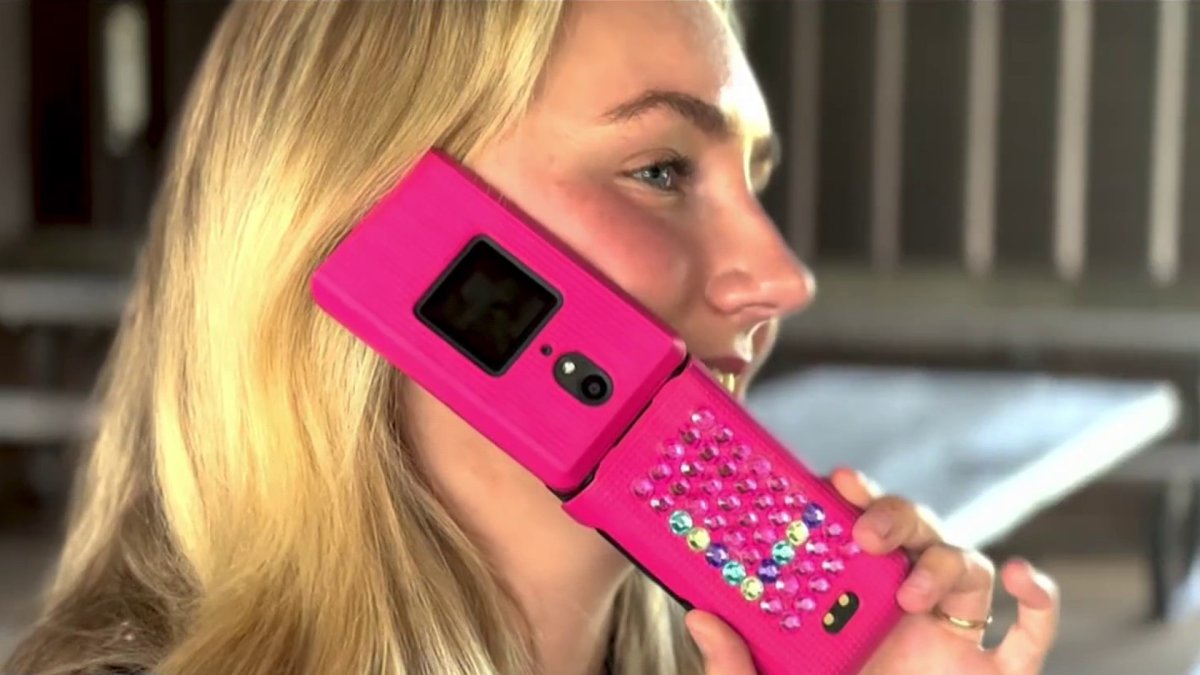
- The Classic Flip Phone: Perfect for calls, texts, and a powerful dose of nostalgia. Brands like Nokia or Alcatel offer reliable, budget-friendly options.
- The Minimalist Phone: Devices like Light Phone or Punkt. are designed for intentional use, offering only essential functions (calls, texts, sometimes a simple map or music player) in a sleek package.
- The “Dumbed-Down” Smartphone: If you need some essential smart features (e.g., GPS, specific work apps), you can configure an older smartphone to be as basic as possible (see the next section).
Step 3: Set Your Boundaries and Goals
Define what success looks like for your challenge. Is it a week? A month? An indefinite shift? Decide which apps you’ll completely remove (e.g., all social media) and which you might retain on a secondary, limited-use device (e.g., a tablet for streaming). Clearly communicate these boundaries to yourself.
Step 4: Prepare Your Inner Circle
Inform friends, family, and colleagues about your detox. Explain why you’re doing it and how they can reach you (via calls/texts on your new dumb phone). This prevents misunderstandings and ensures important communications aren’t missed. You might even inspire some of them to join you!
Step 5: Embrace the “Boredom”: Rediscover Hobbies
The initial phase of a digital detox can feel surprisingly empty. That’s the “boredom” kicking in – and it’s a good thing. Fill that void with activities you’ve neglected: reading physical books, going for walks, pursuing creative hobbies, learning a new skill, or simply enjoying quiet reflection. This is where true presence and focus are built.
Step 6: Reflect and Adapt
Regularly check in with yourself. How do you feel? Are you sleeping better? More productive? Less anxious? Don’t be afraid to adapt your challenge as you go. Perhaps you discover you do* need one specific smart app for an unavoidable reason; find a way to integrate it mindfully, rather than abandon the whole endeavor.
Beyond the Dumb Phone: “Dumbing Down” Your Existing Smartphone
Not everyone is ready to fully commit to a dedicated dumb phone. The good news is you can replicate many of the benefits by strategically “dumbing down” your existing smartphone. It’s a digital detox on training wheels.
Declutter Your Home Screen
Delete all non-essential apps. Move remaining essential apps into folders or off the main screen entirely. Your goal is to make your home screen a blank canvas, devoid of tempting icons. Use the search function to open apps only when truly needed, making each interaction intentional.
Disable Non-Essential Notifications
This is perhaps the most impactful step. Go into your settings and turn off notifications for almost everything except direct calls and essential messages. You’ll be amazed at how much less your phone demands your attention when it’s not constantly buzzing and dinging.
Embrace Grayscale Mode
Most smartphones offer a grayscale or black-and-white mode. Activating this makes your phone far less visually stimulating and addictive. The vibrant colors that apps use to attract your eye disappear, making scrolling less appealing. It’s a simple trick with powerful psychological effects.
Schedule Digital-Free Zones
Designate specific times and places where your smartphone is off-limits. This could be during meals, an hour before bed, during family time, or in certain rooms of your house. Consistency is key to forming new habits.
Use Screen Time Tracking Tools
Leverage built-in tools like Apple’s Screen Time or Google’s Digital Wellbeing, not just for assessment, but for enforcement. Set app limits, schedule downtime, and use focus modes to create a more controlled digital environment.
The Future of Digital Wellness: What’s Next After 2026?
The Gen Z digital detox challenge of 2026 isn’t just a fleeting trend; it’s a powerful indicator of a broader societal shift towards digital wellness. As technology continues to advance, so too will our understanding of its impact on our minds and lives.
The Hybrid Approach: Balance is Key
For many, the ultimate goal won’t be a permanent complete abandonment of smartphones, but rather a more balanced, hybrid approach. This means mindfully choosing when and how to engage with smart technology, integrating the benefits of connectivity without succumbing to its downsides. The lessons learned from a dumb phone detox will be invaluable in crafting this balance.
Tech Innovation Responding to the Detox Trend
As the demand for mindful tech grows, expect technology itself to evolve. We might see more minimalist smartphone interfaces, devices with dedicated “focus modes” that are harder to override, or even new categories of devices that bridge the gap between dumb and smart, offering essential smart features without the addictive elements.
A More Mindful Digital Existence
Ultimately, the Gen Z dumb phone movement of 2026 is paving the way for a future where digital citizenship is more intentional. It’s about empowering individuals to design a relationship with technology that serves their well-being, rather than compromising it. The challenge is set; the benefits are clear. Are you ready to reclaim your attention?
Frequently Asked Questions
What is a ‘dumb phone’ in the context of a digital detox?
A ‘dumb phone’ refers to a basic mobile phone, often a flip phone or a bar phone, that primarily offers essential functions like calls and texts. Some may have limited internet access or basic apps, but they lack the complex operating systems, extensive app stores, and constant notifications of smartphones, making them ideal for a digital detox.
Why is Gen Z specifically adopting dumb phones in 2026?
Gen Z, having grown up with smartphones, is acutely aware of the negative impacts of constant digital connectivity on mental health, focus, and authentic social interactions. By 2026, this awareness has reached a tipping point, leading to a conscious rebellion for better mental well-being, a ‘dopamine detox,’ and a quest for deeper productivity, often fueled by nostalgia for simpler times.
What are the main benefits of doing a digital detox with a dumb phone?
Key benefits include sharpened mental clarity, reduced anxiety, improved sleep quality, more authentic social connections, boosted productivity and creativity, and even financial savings due to cheaper devices and data plans. It helps reclaim attention from the ‘attention economy’.
How long should a digital detox challenge with a dumb phone last?
The duration of a digital detox challenge is personal. It can range from a short weekend break to a full week, a month, or even an indefinite shift. The key is to set clear goals and boundaries that align with your needs and to regularly reflect on your experience.
Can I ‘dumb down’ my existing smartphone instead of buying a new device?
Absolutely! You can achieve many benefits by strategically ‘dumbing down’ your smartphone. This involves deleting non-essential apps, disabling most notifications, activating grayscale mode, setting up digital-free zones, and utilizing built-in screen time management tools like Apple’s Screen Time or Google’s Digital Wellbeing.
What should I do if I feel bored or disconnected during a digital detox?
Embrace the ‘boredom’! This is a sign your brain is adjusting to less stimulation. Use this newfound time to rediscover old hobbies, read physical books, spend time in nature, engage in creative pursuits, connect with people in person, or simply enjoy quiet reflection. It’s an opportunity to build healthier habits.
Will switching to a dumb phone impact my social life or work?
It can, but with preparation, the impact can be positive. Inform your friends, family, and colleagues about your detox plans and how to reach you (calls/texts). You might find that your social connections become more intentional and meaningful, and your work focus improves, leading to better results.