National Croissant Day: Beyond the Cube – The Viral Pastry Shapes Reshaping the Croissant World
nnWelcome to National Croissant Day! While we traditionally celebrate the flaky, buttery perfection of the crescent-shaped classic, the pastry landscape has been anything but traditional lately. You’ve seen them, you’ve scrolled past them, and perhaps you’ve even stood in line for them: the viral croissant shapes that have taken over our feeds and our taste buds. Forget what you thought you knew; the cube croissant may have paved the way, but now it’s just one player in a much larger, more diverse pastry game.nnToday, we’re diving deep into the fascinating world of evolving croissants, exploring the trends, the tastes, and the sheer audacity of bakers who continually push the boundaries of what a croissant can be. Ready to discover what’s replacing the cube croissant as the internet’s favorite flaky sensation?nn
The Cube Croissant Phenomenon: A Brief History of a Viral Sensation
nnJust a few years ago, the cube croissant exploded onto the scene, fundamentally changing how we perceived this classic French pastry. It wasn’t just a pastry; it was an architectural marvel, a social media darling, and a testament to human ingenuity in the kitchen.nn
From Artisan Bake Shops to TikTok Feeds
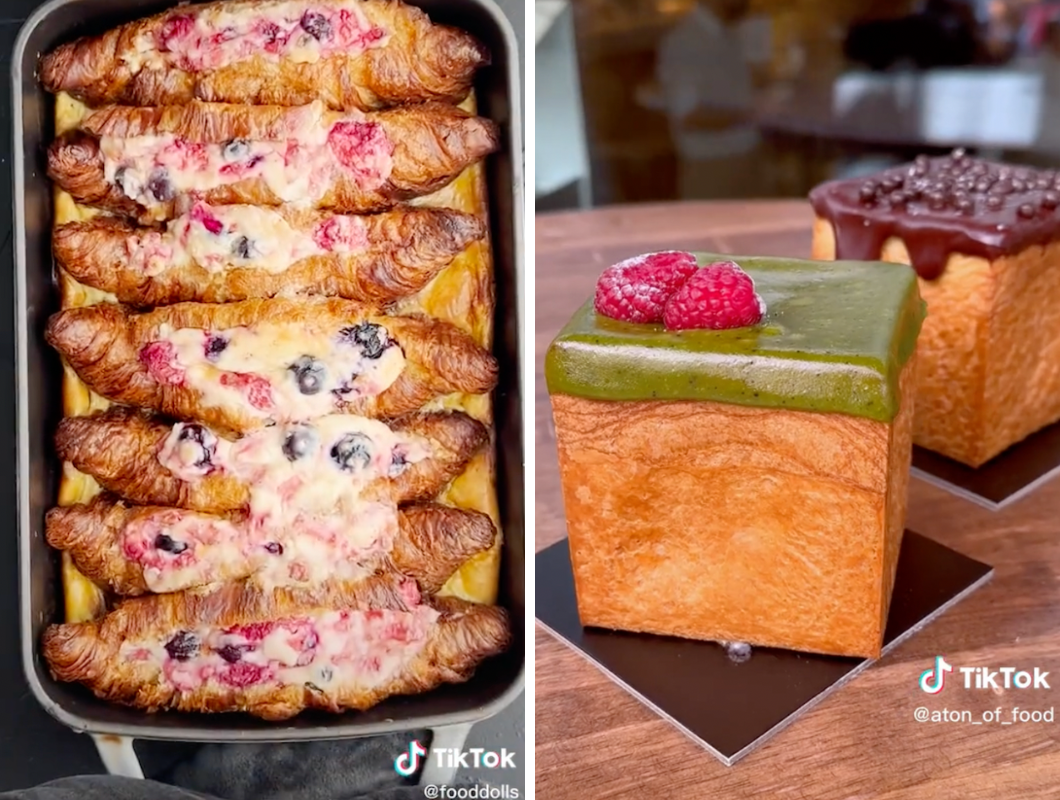
nnBefore the cube, a croissant was, well, curved. Its iconic crescent shape was its identity. Then came the cube, a geometrically perfect, golden-brown creation that instantly captivated the online world. Bakeries like Le Deli Robuchon in London quickly became synonymous with these novel treats, drawing crowds eager to taste and photograph this new form factor. The visual appeal was undeniable, making it ripe for TikTok virality.nnFrom its initial appearances in high-end Parisian patisseries to its proliferation across global cities like New York and Orlando, the cube croissant became a symbol of modern pastry innovation. People would travel several blocks, even cities, just to get their hands on one. It wasn’t long before local bakeries, seeing the frenzy, started crafting their own versions, often filling them with decadent creams and chocolates.nn
What Makes the Cube Croissant Tick?
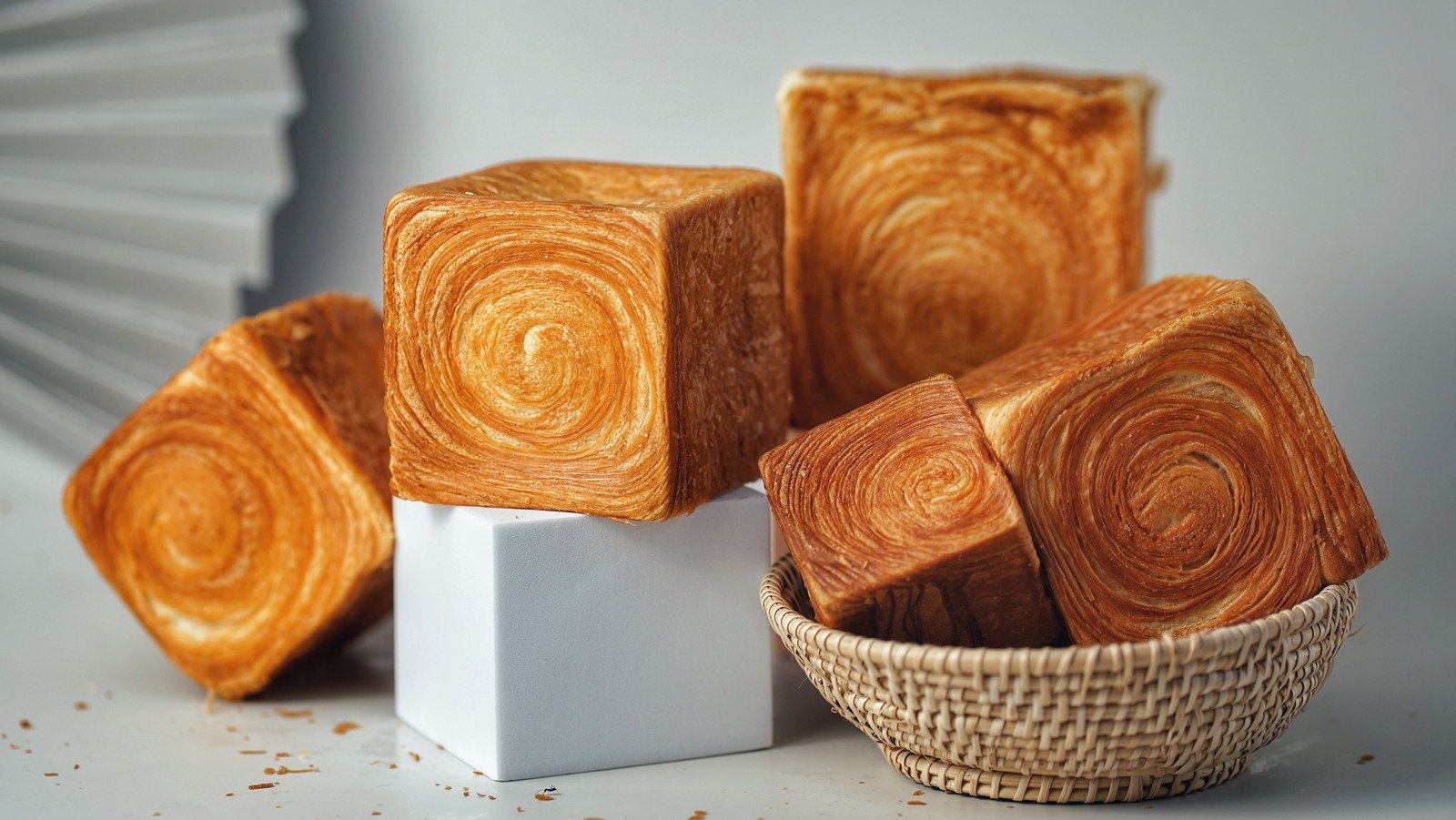
nnThe allure of the cube croissant isn’t just its shape. It’s the ingenious way the dough is laminated and baked. Typically, a croissant is rolled and shaped into a crescent, but for the cube, the dough is precisely folded and baked in a square mold. This process ensures an incredibly even bake and a unique internal structure, often allowing for more generous fillings without compromising the signature flaky layers. While some purists argue it deviates too much from tradition, its structural integrity and photogenic nature made it an instant hit.nn
Why the Croissant is Evolving: More Than Just a Pretty Shape
nnThe rise of the cube croissant wasn’t a fluke; it was a symptom of a larger trend in the culinary world: the constant pursuit of novelty and Instagrammability. But there’s more to it than just good looks.nn
The Pursuit of Novelty and Instagrammability
nnIn our hyper-connected world, food trends spread like wildfire, particularly on platforms like TikTok. A unique dish isn’t just about taste anymore; it’s about the experience, the story, and the visual impact. A viral pastry can put a small bakery on the map overnight, creating buzz and driving sales. Bakers understand this, constantly experimenting with new things to capture public imagination.nn
Bakers Pushing the Boundaries of Dough
nnBeyond marketing, there’s genuine culinary innovation at play. Bakers are artists, and the croissant dough is their canvas. They are experimenting with different lamination techniques, fermentation times, and baking methods to achieve new textures, flavors, and forms. This evolution isn’t just about making a pretty shape; it’s about refining the craft, exploring new possibilities, and creating truly memorable eating experiences.nn
The New Wave of Viral Croissant Shapes: Beyond the Cube
nnThe cube croissant might have been the headliner, but a new ensemble of dazzling shapes is now taking center stage, each bringing its own flair and flavor to the National Croissant Day celebration.nn
The ‘Suprême’ Croissant: The Swirly Sensation
nnPerhaps the most prominent successor to the cube‘s throne is the Suprême Croissant, famously popularized by Lafayette Grand Café & Bakery in New York City. This round, spiraled croissant is typically filled to the brim with creamy, often seasonal, flavors like pistachio or chocolate. Its distinct swirling pattern and generous filling make it incredibly appealing and highly shareable online.nn
The ‘Lune’ Croissant: A Return to Refined Tradition
nnWhile the crescent is classic, some bakeries are elevating the concept with what they call the ‘Lune’ croissant – often a larger, more pronounced crescent, perhaps with an enhanced layering or a specific flavor profile. It’s a nod to tradition, but with a focus on artisanal perfection, often using higher quality ingredients or specialized techniques that truly let the dough shine. It emphasizes elegance and a more sophisticated take on the traditional shape, proving that sometimes, going back to basics with heightened skill can be just as viral.nn
The ‘Swirl’ Croissant: Aesthetics Meet Flavor
nnSimilar to the Suprême but often in different dimensions or with distinct flavor combinations, the general ‘swirl’ croissant focuses on intricate layering visible on the exterior. These often feature contrasting colors or textures, such as a matcha-infused dough swirled with a plain one, or chocolate lines baked into the surface. The aesthetic is as important as the taste, designed to entice both the eye and the palate.nn
The ‘Crab’ Croissant and Other Quirky Creations
nnBeyond the more structured shapes, some bakers are getting truly creative, crafting croissants shaped like crabs, flowers, or even intricate knots. These are often limited-edition items designed for specific events or holidays, showcasing the baker’s technical prowess and playful spirit. They demonstrate that with enough skill, the versatile croissant dough can be molded into almost anything imaginable, ensuring that new things are always popping up on your radar.nn
| Shape | Key Characteristics | Origin/Popularity | Why it Went Viral |
|---|---|---|---|
| Cube Croissant | Perfectly square, often highly filled, crisp edges. | Emerging from Europe, popularized in major cities like London & NYC. | Unique geometry, photogenic, generous filling capacity. |
| Suprême Croissant | Large, circular spiral, intensely filled center. | Lafayette Grand Café & Bakery (NYC). | Abundant filling, impressive size, distinct swirl, long lines. |
| Lune Croissant | Artisan crescent, often larger, refined lamination/flavor. | Various high-end patisseries globally. | Emphasis on craftsmanship, elevated classic appeal, quality. |
| Swirl Croissant | Intricate spiraled patterns, often dual-toned or flavored. | Independent bakeries experimenting with visual appeal. | Visual artistry, creative flavor pairings, aesthetic delight. |
National Croissant Day: Celebrating Innovation and Tradition
nnNational Croissant Day isn’t just a day to eat a croissant; it’s a day to appreciate the artistry, the history, and the relentless evolution of this beloved pastry. This year, it feels particularly special as we see such an explosion of creativity.nn
How Bakeries are Celebrating
nnAcross the USA and beyond, bakeries are marking the day with special editions, limited-time flavors, and, of course, these eye-catching new shapes. Many bakeries use this as an opportunity to release their own unique viral creations, hoping to generate their own TikTok buzz. You’ll find everything from gourmet fillings to savory croissants making an appearance.nn
Where to Find These Edible Art Pieces
nnSo, where can you get your hands on these incredible creations? Local artisanal bakeries are often the best bet. Cities like New York, London, and Paris are hotspots for these innovations. Look up bakeries with strong online presences or search for trending pastries on TikTok and Instagram. Many independent shops, like Croissanté, which famously sells unique croissants, are constantly innovating. Don’t be surprised if you have to wait in line, especially for the most coveted items. The experience of hunting for and savoring these pastries has become part of the fun!nn
The Future of Croissants: What’s Next for Our Favorite Flaky Treat?
nnThe journey of the croissant is far from over. If the past several years are any indication, we can expect even more exciting developments.nn
Hybrid Pastries Continue to Reign
nnWe’ve seen the Cronut (a croissant-doughnut hybrid), and now we have croissants taking on new shapes. The future will likely bring even more ingenious combinations and fusions, pushing the boundaries of what a laminated dough can become. The experimentation with textures, flavors, and fillings will only intensify.nn
The Enduring Appeal of Craftsmanship
nnNo matter the shape or the filling, the heart of a good croissant remains the same: impeccable lamination, quality ingredients, and skilled craftsmanship. While trends come and go, the dedication to creating that perfect flaky exterior and tender interior will always keep the croissant a beloved staple.nnSo, as you celebrate National Croissant Day, I encourage you to venture beyond the familiar. Explore a cube, seek out a Suprême, or perhaps discover a local baker’s unique swirl. The world of croissants is bigger, bolder, and flakier than ever before, and it’s a delicious journey worth taking.
Frequently Asked Questions
Are cube croissants worth the hype?
Cube croissants are often worth the hype for their unique aesthetic, satisfyingly crisp texture, and ability to hold generous fillings. While taste is subjective, their novelty and photogenic quality certainly make them a popular culinary experience, especially for social media enthusiasts.
What is a cube croissant?
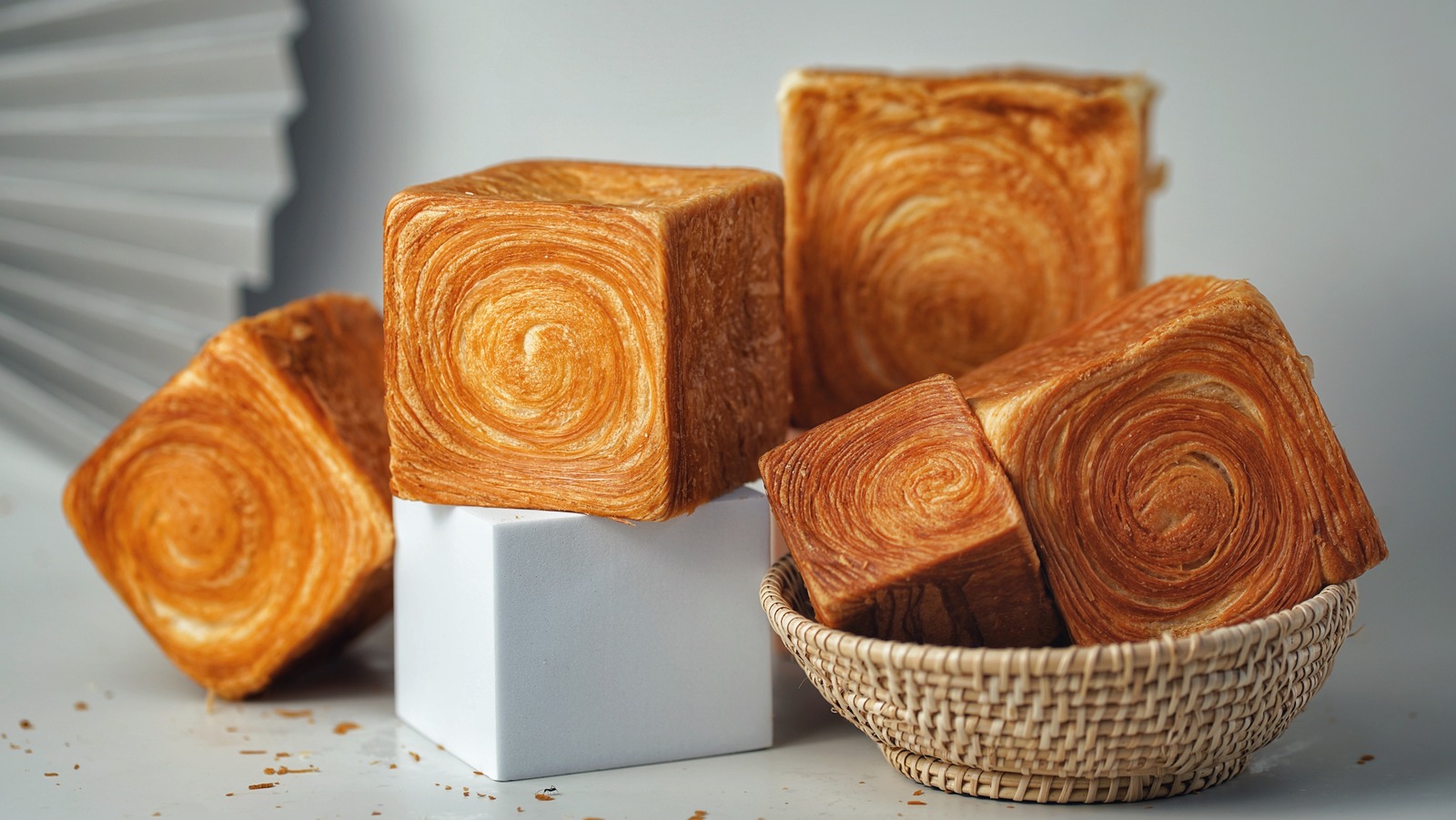
A cube croissant is a square-shaped pastry made from the same laminated dough as a traditional croissant. It’s baked in a cube mold, resulting in a distinct geometric form, often with a crisp, caramelized exterior and a soft, flaky interior that’s typically filled with various creams or chocolates.
Why are croissants not curved anymore?
Croissants are evolving beyond the traditional curved shape due to a desire for culinary innovation, visual appeal for social media, and the ability to incorporate more fillings. New shapes like the cube or Suprême allow bakers to experiment with presentation, texture, and flavor profiles in exciting new ways.
What’s so special about a lune croissant?
A ‘lune’ croissant often refers to an artisanal, refined version of the classic crescent shape. It emphasizes superior lamination, high-quality ingredients, and a sophisticated flavor profile, often being larger and more pronounced than standard croissants. It’s a celebration of traditional craftsmanship with an elevated touch.

How do viral croissant trends start?
Viral croissant trends typically start with innovative bakers at pioneering patisseries who introduce a unique shape, flavor, or concept. Social media platforms like TikTok and Instagram then amplify these creations, turning them into must-try items as influencers and food enthusiasts share their experiences, creating widespread demand and buzz.