National Hugging Day: Unlocking the Profound Benefits of Platonic Touch Therapy Explained
Have you ever noticed the immediate sense of calm that washes over you after a heartfelt hug? It’s more than just a fleeting moment of connection; it’s a powerful biological response, deeply rooted in our human need for contact. On January 21st each year, National Hugging Day invites us to celebrate this universal gesture, but its significance stretches far beyond a single date. We’re talking about the profound, scientifically-backed benefits of platonic touch – a vital component of our overall health and well-being, often overlooked in our increasingly digital and socially distanced world.
As an expert in SEO and content strategy, I’ve delved deep into the science and sentiment surrounding physical connection. My goal here isn’t just to talk about hugs; it’s to dissect the intricate mechanisms through which platonic touch therapy works, why it’s essential, and how you can integrate its incredible benefits into your daily life. Forget generic intros; we’re diving straight into the heart of what makes human contact so extraordinarily healing.
The Universal Language of the Hug: More Than Just a Gesture
A hug is arguably one of the most ancient and universal forms of communication. It transcends language barriers, cultural differences, and even age. From the first embrace a newborn receives to the comforting squeeze shared in moments of grief or joy, the act of wrapping our arms around another human being speaks volumes. But what is it really saying? And why do we feel compelled to do it?
It’s about connection, reassurance, and a primal need for safety and belonging. In a world that often feels fragmented, a hug serves as a powerful reminder of our shared humanity. It’s a non-verbal affirmation that ‘you are not alone’ and ‘I care about you.’
A Brief History of National Hugging Day (January 21st)
National Hugging Day was first celebrated on January 21, 1986, in Clio, Michigan. The brainchild of Kevin Zaborney, the day was created out of a desire to encourage everyone to hug family and friends more often. Zaborney felt that January, often a dreary and isolating month post-holidays, was the perfect time to inject some much-needed warmth and connection into people’s lives. His simple idea quickly spread, gaining national recognition and becoming a staple on calendars across the USA and beyond.
While the observance itself is a modern invention, the underlying sentiment – the recognition of the power of a hug – is timeless. It reminds us annually to make a conscious effort to reach out and experience the health benefits that come with this simple act of affection.
Why Platonic Touch Matters in Modern Society
In contemporary society, platonic touch has become something of an anomaly. We live in an era where personal space is highly valued, and physical contact, outside of intimate relationships or very close friendships, can be perceived with caution or even suspicion. The rise of digital communication has further isolated us, replacing in-person interactions with screens and emojis.
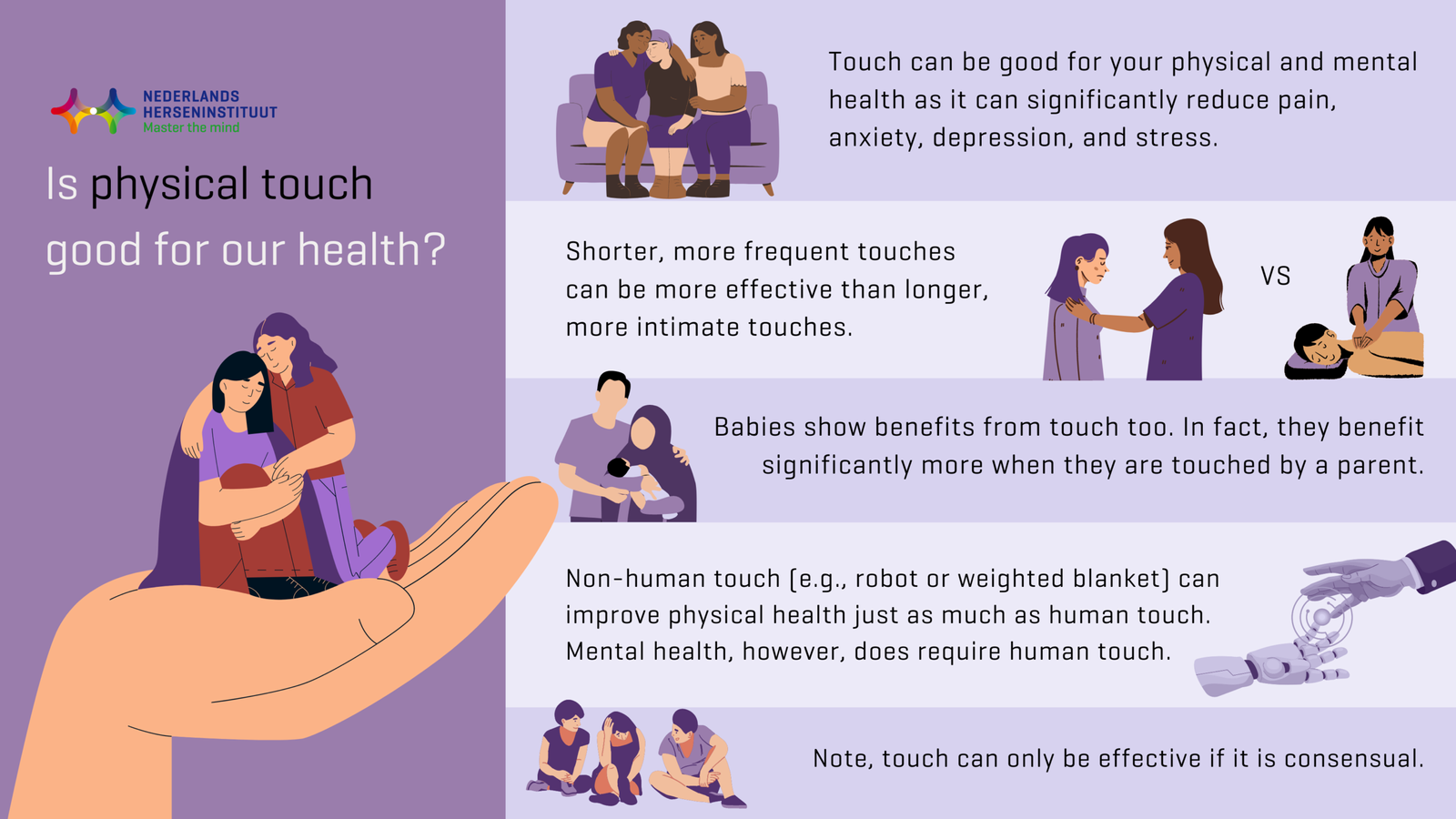
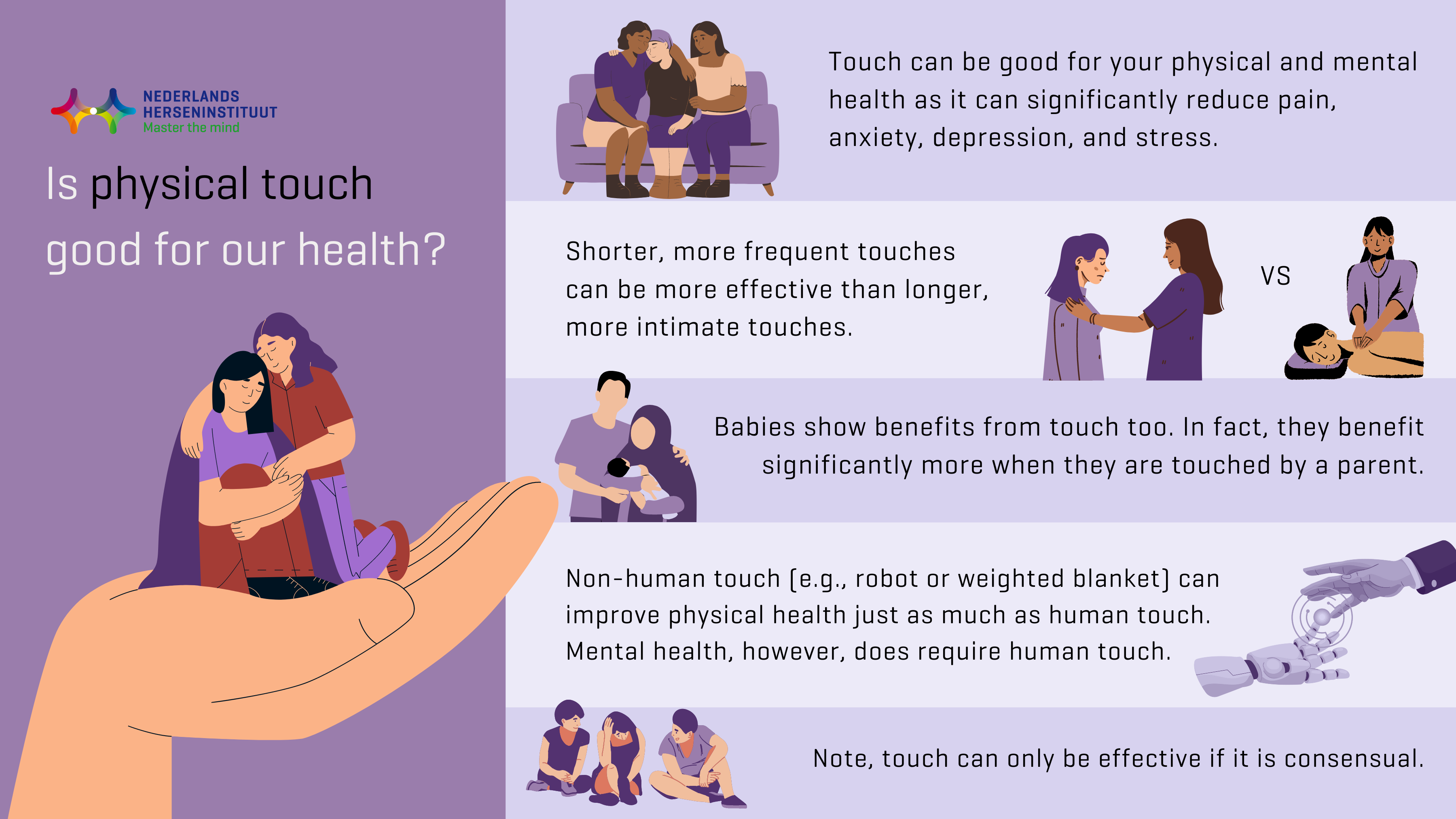
However, the human need for physical contact hasn’t diminished. In fact, some argue it’s become even more critical. Research consistently shows that a lack of physical touch, often referred to as ‘touch deprivation’ or ‘skin hunger,’ can lead to increased feelings of loneliness, anxiety, and depression. Platonic touch, characterized by non-sexual physical contact, plays a crucial role in:
- Building trust and empathy: A simple touch can convey understanding and support.
- Reducing stress: It’s a natural calming mechanism.
- Fostering social bonds: It strengthens relationships beyond words.
- Promoting emotional well-being: It provides comfort and a sense of belonging.
Understanding and integrating healthy, consensual platonic touch is not just about celebrating National Hugging Day; it’s about addressing a fundamental human need that impacts our collective mental and physical health.
The Science Behind the Squeeze: How Hugs Impact Your Brain and Body
The power of a hug isn’t just anecdotal; it’s deeply rooted in neurobiology and psychology. When you engage in physical contact, particularly a warm, consensual hug, a cascade of physiological and psychological responses is triggered throughout your body. This intricate dance of hormones and neural pathways explains why a simple act can have such profound health benefits.
Oxytocin: The “Love Hormone” at Work
Perhaps the most famous player in the hugging game is oxytocin. Often dubbed the ‘love hormone’ or ‘cuddle chemical,’ oxytocin is a neuropeptide produced in the hypothalamus and released by the pituitary gland. Its release is stimulated by various forms of physical contact, including hugs, cuddling, and even gentle massages.
Once released, oxytocin floods your system, producing a range of beneficial effects:
- Promotes bonding and attachment: It strengthens feelings of connection and trust, not just in romantic relationships but in all social bonds.
- Reduces stress and anxiety: Oxytocin counteracts the effects of stress hormones like cortisol, helping to calm the nervous system.
- Increases feelings of generosity and empathy: It makes us more inclined to connect with and care for others.
- Supports relaxation: By lowering blood pressure and heart rate, it induces a sense of tranquility.
The more genuine the contact, the more oxytocin is likely to be released, explaining why a long, heartfelt hug feels so much better than a quick pat on the back.
Cortisol Reduction: Hugs as Stress Busters
In our fast-paced lives, stress is a constant companion. When we’re under stress, our bodies release cortisol, the primary stress hormone. While essential for fight-or-flight responses, chronic high levels of cortisol can be detrimental to health, leading to increased anxiety, weight gain, weakened immunity, and a host of other issues.
Hugs offer a powerful, natural antidote. Studies have shown that physical touch, including hugging, can significantly lower cortisol levels. The mechanism is thought to involve the activation of the parasympathetic nervous system (our ‘rest and digest’ system) and the release of oxytocin, which directly inhibits cortisol production. This makes hugs an effective, immediate tool for stress reduction.
Serotonin Boost: Elevating Mood and Battling Depression
Serotonin is a neurotransmitter that plays a crucial role in regulating mood, sleep, appetite, and learning. Low levels of serotonin are often associated with depression and anxiety.
The good news? Hugging can help increase serotonin levels. While not as direct a link as oxytocin, physical touch and social connection stimulate brain activity that supports serotonin production and release. This chemical boost can help to improve mood, reduce feelings of sadness, and contribute to overall emotional stability. It’s like a natural antidepressant, available on demand.
Dopamine Release: Pleasure and Motivation
Dopamine is another key neurotransmitter, often called the ‘reward chemical.’ It plays a central role in pleasure, motivation, and learning. When we experience something enjoyable, dopamine is released, reinforcing that behavior.
Hugs, especially those shared with loved ones or in moments of genuine connection, can trigger dopamine release. This contributes to the pleasurable feeling we associate with physical contact, creating a positive feedback loop that encourages us to seek out more touch. It’s a natural way to feel good and reinforce positive social interactions.
Endorphins: Natural Pain Relief
Our bodies have their own natural painkillers: endorphins. These feel-good chemicals are released in response to pain, stress, and also during enjoyable activities like exercise, laughter, and yes, hugging.
While the effect might be more subtle than, say, a marathon runner’s ‘runner’s high,’ a comforting hug can help to alleviate minor aches and pains, or at the very least, distract from them. By reducing stress and promoting relaxation, hugs can indirectly modulate our perception of pain, making us feel more comfortable and less distressed.
Vagus Nerve Stimulation: Calming the Nervous System
The vagus nerve is the longest cranial nerve, extending from the brainstem to the abdomen, playing a critical role in the parasympathetic nervous system. It influences heart rate, digestion, mood, and immune function. Gentle physical touch, including hugging, can stimulate the vagus nerve.
When the vagus nerve is activated, it signals the body to relax, slowing heart rate, reducing inflammation, and promoting a sense of calm. This explains why a comforting touch can feel so incredibly soothing, helping to regulate our physiological responses to stress and bringing us back to a state of equilibrium.
The Role of Skin-to-Skin Contact and Nerve Endings
Beyond the hormones, the sheer act of skin-to-skin contact is significant. Our skin is our largest organ, densely packed with millions of nerve endings. These sensory receptors are exquisitely tuned to detect pressure, temperature, and texture. When we hug, these receptors send signals to the brain, contributing to the overall positive experience.
Specifically, specialized nerve endings called C-tactile afferents, found in hairy skin, are particularly responsive to light, gentle touch at a speed similar to that of a caress. These nerves are believed to play a key role in transmitting the emotional and social aspects of touch, directly impacting our feelings of comfort, safety, and connection. This intricate sensory feedback loop underscores the profound importance of physical contact for our well-being.
Comprehensive Health Benefits of Hugging and Platonic Touch
The science is clear: hugging and platonic touch aren’t just pleasant; they’re essential for holistic health. Let’s break down the benefits across mental, physical, emotional, and social dimensions.
| Benefit Category | Specific Impact | Underlying Mechanism | Estimated Impact/Data (Illustrative) |
|---|---|---|---|
| Mental Health | Reduced Stress & Anxiety | Decreased Cortisol, Increased Oxytocin, Vagus Nerve Stimulation | Studies show a significant drop in perceived stress after 20-second hugs. |
| Mental Health | Improved Mood & Less Depression | Increased Serotonin & Dopamine release | Regular touch linked to lower rates of depressive symptoms in various populations. |
| Physical Health | Stronger Immune System | Reduced stress-induced immune suppression | Research indicates people who receive more hugs are less likely to get sick or have less severe symptoms. |
| Physical Health | Lower Blood Pressure & Heart Rate | Oxytocin release, Vagus Nerve Activation | A 10-second hug can significantly lower heart rate and blood pressure, especially in women. |
| Emotional/Social | Enhanced Trust & Bonding | High levels of Oxytocin release | Physical contact is a primary mechanism for building social cohesion in groups. |
| Emotional/Social | Reduced Loneliness | Direct sense of connection and belonging | Touch can significantly mitigate feelings of social isolation, especially in vulnerable populations. |
Mental Health Benefits:
The impact of hugging on our mental state is profound and far-reaching.
Reducing Anxiety and Stress
As we’ve explored, the immediate physiological response to a hug involves a reduction in cortisol and an increase in oxytocin. This translates directly into a tangible decrease in feelings of anxiety and stress. When you’re feeling overwhelmed, a hug acts as a natural pressure valve, helping to calm your nervous system and bring you back to a state of equilibrium. It signals safety and support, which are primal needs that soothe the anxious mind.

Alleviating Symptoms of Depression
For those struggling with depression, the feeling of isolation can be crushing. Hugs provide a powerful counter-force. The release of serotonin, dopamine, and oxytocin during physical contact can naturally elevate mood, offering a temporary reprieve from depressive symptoms. Regular, consensual physical touch fosters a sense of belonging and care, combating the pervasive loneliness that often accompanies depression. Organizations like the National Alliance on Mental Illness (NAMI) often highlight the importance of social connection in mental health recovery, and touch is a fundamental aspect of that connection.
Boosting Self-Esteem and Confidence
Receiving affection through a hug can reinforce a sense of being valued and loved. This positive affirmation can significantly boost self-esteem and confidence. When someone takes the time to offer a comforting embrace, it communicates that you matter, fostering a positive self-image and reducing feelings of inadequacy. This is especially true for children, but these benefits extend throughout adulthood.
Enhancing Emotional Resilience
Life throws curveballs, and our ability to bounce back is our emotional resilience. Hugs provide a foundational support system that can enhance this resilience. Knowing you have people who will physically comfort you in times of distress builds an internal reservoir of strength. It teaches your nervous system that even amidst difficulty, comfort and safety are available, making it easier to cope with future challenges.
Combating Loneliness and Social Isolation
In an increasingly disconnected world, loneliness is an epidemic. Hugs are a direct and effective antidote. They bridge the gap between individuals, creating an immediate, tangible connection. Even a brief hug can remind us that we are part of a larger community, loved and supported, directly countering the painful sting of social isolation. This physical connection reinforces bonds and provides a sense of belonging that is crucial for mental well-being.
Physical Health Benefits:
The impact of platonic touch isn’t confined to the mind; it has measurable and significant effects on our physical bodies.
Strengthening the Immune System
This might sound surprising, but hugs can actually make you less susceptible to illness. The mechanism is linked to stress reduction. Chronic stress suppresses the immune system, making us more vulnerable to infections. By reducing cortisol and stress, hugs indirectly bolster our immune defenses. Research conducted at Carnegie Mellon University, for example, found that people who experienced more frequent hugs and social support were less likely to get sick when exposed to the common cold virus, and those who did get sick experienced less severe symptoms.
Lowering Blood Pressure and Heart Rate
The release of oxytocin, stimulated by touch, has a direct vasodilating effect, meaning it helps to relax blood vessels. This, combined with the activation of the vagus nerve, contributes to a noticeable decrease in blood pressure and heart rate. Regular physical affection can contribute to better cardiovascular health over time, making it a simple, yet powerful, strategy for maintaining a healthy heart.
Pain Management and Comfort
While not a replacement for medical treatment, hugs can play a role in pain management. As discussed, they trigger the release of endorphins, our body’s natural pain relievers. Furthermore, the comfort and distraction provided by a warm embrace can help shift focus away from pain, reducing its perceived intensity. For individuals experiencing chronic pain or recovering from injury, the psychological comfort of touch can be a significant aid in coping.
Improving Sleep Quality
A relaxed body and mind are prerequisites for good sleep. By reducing stress hormones and promoting a sense of calm and safety, hugging can significantly improve sleep quality. Oxytocin’s role in relaxation and the overall reduction in anxiety can help individuals fall asleep faster and experience more restful sleep. Before-bed hugs or snuggles can be a powerful, non-pharmacological sleep aid.
Accelerating Healing
While direct evidence is still emerging, the combined physical benefits of reduced stress, improved immunity, and better sleep all contribute to the body’s natural healing processes. A less stressed body is better equipped to repair itself, fight off infection, and recover from illness or injury. The psychological comfort of touch also reduces the mental burden of sickness, allowing the body to dedicate more resources to healing.
Emotional and Social Benefits:
Beyond the individual, hugs profoundly impact our relationships and social fabric.
Fostering Trust and Connection
Oxytocin, the ‘bonding hormone,’ is central to building trust. When we hug, this hormone is released, deepening our sense of connection and making us feel safer with the other person. This is crucial for all types of relationships, from familial bonds to friendships and even professional interactions where appropriate. It’s a non-verbal affirmation of reliability and care.
Improving Communication
Sometimes, words simply aren’t enough. A hug can communicate empathy, understanding, support, and love far more effectively than any verbal statement. It can bridge gaps in communication, particularly during times of emotional distress or when words might be misunderstood. It’s a direct, unfiltered expression of human connection that bypasses the complexities of language.
Enhancing Empathy and Compassion
Physical touch helps us tune into the emotional states of others. When we hug someone, we often pick up on their subtle cues, fostering greater empathy. This increased emotional awareness, combined with the prosocial effects of oxytocin, makes us more compassionate and understanding towards those around us. This is vital for a harmonious society.
Building Stronger Relationships
Regular, consensual physical affection is a cornerstone of strong, healthy relationships. It reinforces bonds, creates shared positive experiences, and serves as a constant reminder of mutual care and support. Whether it’s with a partner, family member, or close friend, the more genuine physical contact you share, the deeper and more resilient your relationship is likely to be.
Providing Comfort and Security
From childhood onwards, touch is intrinsically linked with feelings of comfort and security. A hug provides a physical boundary, a feeling of being held and protected. This sense of security can be incredibly grounding, especially in times of uncertainty or fear. It’s a reminder that we are not alone in facing the world, and that there are safe spaces and people to lean on.
Platonic Touch Therapy: A Deep Dive into Intentional Connection
Given the immense benefits of physical touch, it’s no surprise that a dedicated field, Platonic Touch Therapy, has emerged. This isn’t just about casual hugs; it’s a mindful, intentional practice designed to address the deep-seated human need for safe, non-sexual physical contact.
What is Platonic Touch Therapy? Defining a Growing Practice
Platonic Touch Therapy, sometimes referred to as ‘Cuddle Therapy’ or ‘Touch Coaching,’ is a professional service where individuals seek out trained practitioners for consensual, non-sexual physical contact. It’s an intentional practice aimed at providing the therapeutic benefits of touch, without the complexities or expectations of romantic or sexual relationships.
The core tenets of platonic touch therapy include:
- Consent: Explicit and continuous consent is paramount. Every interaction, every touch, is agreed upon by both client and therapist.
- Boundaries: Clear, professional boundaries are established and maintained. The relationship is strictly non-sexual and therapeutic.
- Safety: Creating a safe, non-judgmental space where clients feel comfortable exploring their need for touch.
- Mindfulness: The touch is often slow, gentle, and intentional, encouraging clients to be present and aware of their bodily sensations.
It’s important to understand that this is not a substitute for traditional psychotherapy but can be a powerful complementary modality, particularly for individuals experiencing touch deprivation, anxiety, loneliness, or those recovering from trauma where safe touch can be re-introduced carefully.
The Role of a Platonic Touch Therapist
A platonic touch therapist is a trained professional who facilitates safe, consensual, non-sexual physical contact. Their role involves:
- Establishing clear communication: They guide clients through discussions about comfort levels, boundaries, and preferences for touch.
- Creating a therapeutic environment: Ensuring the space is calm, clean, and conducive to relaxation and trust.
- Facilitating various forms of touch: This can range from holding hands, arm rubs, back pats, to full-body platonic cuddling, all within agreed-upon boundaries.
- Offering emotional support: While not licensed psychotherapists, they provide a supportive presence, helping clients process emotions that may arise during touch.
- Educating clients: They help clients understand the benefits of touch and how to integrate healthy touch into their lives.
Certified practitioners often undergo specific training in ethics, consent, body language, and the psychology of touch to ensure a professional and beneficial experience.
Who Can Benefit from Platonic Touch Therapy?
Platonic touch therapy can offer significant benefits to a diverse range of individuals, including:
- Individuals experiencing touch deprivation: Those who live alone, lack close family or friends, or are not in a romantic relationship often suffer from a lack of physical contact.
- People struggling with loneliness or social isolation: Touch therapy provides a direct antidote to these feelings, fostering a sense of connection.
- Individuals with anxiety or depression: The physiological effects of touch (oxytocin, cortisol reduction, serotonin boost) can offer profound relief.
- Survivors of trauma: When carefully introduced with clear boundaries, platonic touch can help individuals re-learn safe touch and reconnect with their bodies in a positive way.
- Seniors: Many elderly individuals experience significant touch deprivation, leading to increased health issues.
- Anyone seeking stress relief and relaxation: It’s a unique form of self-care for those overwhelmed by daily life.
- Individuals exploring healthy boundaries: The explicit focus on consent and communication can be a valuable learning experience.
It’s important to note that this therapy is not suitable for everyone, especially those with severe attachment issues or unaddressed trauma that might make touch too overwhelming without concurrent psychotherapy.
Ethical Considerations and Boundaries in Touch Therapy
The ethical framework of platonic touch therapy is paramount. Clear boundaries are not just recommended; they are non-negotiable. Key considerations include:
- Explicit Consent: Every session begins with a discussion of consent. Clients have the right to change their mind at any point.
- Non-Sexual Nature: The therapy is strictly platonic. Sexual touch or intent is explicitly forbidden.
- Professionalism: Therapists maintain a professional demeanor and environment.
- Confidentiality: Client information and session details are kept private.
- Training and Certification: Reputable therapists will have undergone specific training and abide by a code of ethics. Organizations like Cuddle Sanctuary or the Cuddlist network provide training and ethical guidelines for practitioners.
- Client Autonomy: The client always has control over what kind of touch they receive, its duration, and its intensity.
These strict ethical guidelines ensure that the therapy remains safe, respectful, and genuinely therapeutic for all involved.

Integrating Touch Therapy into Everyday Life (Beyond Formal Sessions)
While formal platonic touch therapy sessions offer a structured approach, the principles of healthy touch can be integrated into your everyday life. You don’t need a professional therapist to reap many of the benefits. Consider:
- Communicating Your Needs: Talk to trusted friends and family about your need for platonic touch.
- Practicing Consensual Hugging: Ask before you hug, and respect ‘no.’ Make hugs intentional and present.
- Holding Hands: A simple, comforting gesture that provides significant connection.
- Arm Touches or Back Pats: Quick, reassuring forms of physical contact.
- Cuddle Parties: Organized, consent-based events designed for platonic cuddling in a group setting.
- Pet Therapy: Interacting with animals can also provide significant tactile and emotional benefits.
The goal is to foster a culture where consensual, respectful platonic touch is recognized as a vital component of human well-being, naturally integrated into our social interactions.
Practical Ways to Embrace Platonic Touch in Your Life
Now that you understand the profound benefits, you might be wondering how to actively incorporate more healthy, consensual platonic touch into your life. It’s simpler than you think, but it always starts with communication and respect.
Initiating Hugs and Affection (With Consent)
The golden rule of touch is consent. Always. Even with people you know well, a quick verbal check-in ensures comfort and respect. Here’s how you can initiate:
- The Verbal Ask: “Can I give you a hug?” or “Would you like a hug?” is direct and clear.
- The Non-Verbal Cue + Ask: Open your arms slightly, make eye contact, and then ask, “Hug?” This gives the other person a visual cue and an easy out if they decline.
- Observe Body Language: Pay attention to cues. Are they leaning in? Making eye contact? Or are they pulling back, crossing their arms? Respect all signals.
- Start Small: If you’re unsure, begin with less intimate forms of touch, like a hand on the arm or a friendly shoulder squeeze, and gauge their reaction.
Remember, a ‘no’ or any hesitation means ‘no.’ There’s no need to take it personally; everyone has different comfort levels and personal boundaries, which can also vary from day to day.
The Art of the Good Hug: Duration and Quality
Not all hugs are created equal. Research suggests that the duration and quality of a hug significantly impact its benefits.
- The 20-Second Rule: Many studies, including those often cited by the HeartMath Institute, suggest that a hug lasting at least 20 seconds is ideal for releasing oxytocin and significantly reducing cortisol. This duration allows the nervous system to fully register the comfort and safety.
- Embrace, Don’t Just Touch: A good hug involves a full-body embrace, with gentle pressure. It’s about feeling the connection, not just making contact.
- Mindful Presence: Be fully present in the moment. Close your eyes, take a deep breath, and really feel the connection. This enhances the emotional and psychological benefits.
- Gentle Squeeze: A loving squeeze rather than a loose, perfunctory embrace or an overly tight grip.
Encourage those around you to try these longer, more mindful hugs. You’ll both feel the difference.
Alternatives to Hugs: Handshakes, Arm Touches, Back Pats
Hugs are wonderful, but they aren’t the only form of beneficial platonic touch. For those less comfortable with full embraces, or in situations where a hug might be inappropriate, alternatives exist:
- Handshakes: A firm, warm handshake can convey respect and connection.
- Arm Touches: A gentle, brief touch on the forearm or shoulder can be incredibly reassuring and supportive.
- Back Pats/Rubs: For close friends or family, a comforting pat or brief rub on the back can signal care.
- Shoulder Squeeze: A quick, supportive squeeze on the shoulder.
- High Fives or Fist Bumps: These are less intimate but still convey positive connection and shared enthusiasm.
The key is the *intent behind the touch – to connect, support, or comfort – and the consent* of the recipient.
Building a Culture of Consensual Touch
Imagine a world where healthy, platonic touch is normalized and celebrated. We can contribute to this by:
- Educating Others: Share the science behind touch. Explain why it’s beneficial.
- Modeling Behavior: Practice asking for consent and respecting boundaries in your own interactions.
- Talking About It: Openly discuss the importance of physical connection with friends, family, and even in workplaces (where appropriate).
- Creating Safe Spaces: For children and adults, fostering environments where appropriate touch is encouraged and clearly defined.
This cultural shift would lead to a more connected, less anxious, and healthier society overall. It’s a fundamental aspect of human care that we collectively need to reclaim.
Overcoming Barriers to Touch: Addressing Hesitations and Misconceptions
Despite its clear benefits, platonic touch can be fraught with hesitation. Understanding and addressing these barriers is crucial for fostering a healthier relationship with physical affection.
Societal Norms and Personal Boundaries
Our society has complex and often contradictory norms around touch. In some cultures, physical contact among same-sex friends is common, while in others, it’s reserved for family or romantic partners. Misinterpretations, fears of being inappropriate, or concerns about legal repercussions can make people wary of initiating or receiving touch.
Personal boundaries also vary widely. Some individuals have a higher need for personal space, while others crave more physical contact. Factors like upbringing, cultural background, and individual personality all play a role. The key to navigating this is always through respectful communication and explicit consent. Never assume; always ask or observe clear invitations.
The Impact of Trauma on Touch Perception
For individuals who have experienced physical or emotional trauma, touch can be a significant trigger, leading to anxiety, fear, or a sense of re-traumatization. In these cases, the brain’s association with touch may be linked to pain or danger rather than comfort and safety. Platonic touch therapy, when facilitated by trauma-informed practitioners, can be immensely beneficial, but it must be approached with extreme caution, sensitivity, and psychological support.
Re-learning safe touch in a therapeutic setting, where the client is always in control and boundaries are rigorously maintained, can be a profound step in healing. Organizations like the American Psychological Association (APA) emphasize trauma-informed care principles, which apply equally to practices involving physical contact.
Cultivating Comfort with Intentional Touch
If you’re someone who feels uncomfortable with touch, either giving or receiving, you’re not alone. This discomfort can stem from past experiences, social conditioning, or simply personal preference. Cultivating comfort with intentional touch is a gradual process:
- Start Small: Begin with self-touch (e.g., a hand on your heart when stressed) or with very trusted individuals (e.g., a brief hand-hold).
- Communicate Your Limits: Clearly articulate what feels comfortable and what doesn’t. This empowers you and educates others.
- Observe and Learn: Pay attention to how others give and receive touch. Look for healthy, respectful interactions.
- Educate Yourself: Understanding the benefits can help reframe your perception of touch.
- Consider Professional Guidance: If discomfort is severe or rooted in trauma, a therapist or a platonic touch therapist specializing in trauma-informed care can provide invaluable support.
The goal is not to force yourself to be a ‘hugging person’ if it doesn’t feel authentic, but to open yourself to the possibility of experiencing healthy, consensual touch in ways that feel safe and beneficial to you.
The Future of Platonic Affection and Well-being
As we move forward, there’s a growing recognition of the vital role that platonic affection plays in our overall well-being. The pandemic, with its forced social distancing, brought touch deprivation into sharp focus for many, highlighting just how essential physical connection is to our mental and emotional resilience. This experience has, in a way, accelerated conversations around the importance of touch.
Expect to see more mainstream acceptance and professionalization of services like platonic touch therapy. Educational initiatives promoting healthy boundaries and consensual touch will become more widespread. We may also see innovations in technology designed to foster connection, but it’s clear that nothing will ever fully replace the profound, biological impact of human-to-human physical contact.
The future of well-being is holistic, embracing not just diet and exercise, but also genuine human connection in all its forms, including the simple yet powerful act of a hug. Organizations like the Foundation for the Art of Cuddling are already working to promote ethical touch and reduce touch deprivation globally.
Conclusion: Embrace the Power of the Hug and Intentional Touch
From the bustling streets of New York City to the quiet corners of rural America, the need for human connection is universal. National Hugging Day on January 21st is more than just an annual reminder; it’s an invitation to tap into one of the most powerful, natural, and readily available forms of therapy: platonic touch. We’ve journeyed through the intricate science, from oxytocin rushes to cortisol drops, and explored the comprehensive mental, physical, emotional, and social benefits that a simple hug or a consensual touch can provide.
Whether you choose to celebrate National Hugging Day with extra embraces for loved ones, explore the structured comfort of platonic touch therapy, or simply make a conscious effort to offer a comforting arm touch when appropriate, remember the profound impact you can have. In a world craving connection, a single, mindful hug can be a beacon of comfort, healing, and profound human care. So, go ahead. Ask for a hug. Give a hug. Embrace the power of touch, and unlock a healthier, more connected you.
Frequently Asked Questions
What is a platonic touch therapist?
A platonic touch therapist, also known as a cuddle therapist or touch coach, is a trained professional who provides safe, consensual, non-sexual physical contact to clients. The purpose is to address the human need for touch, reduce loneliness, stress, and anxiety, and promote emotional well-being within clear ethical boundaries and strict consent protocols.
What is the significance of hug day?
National Hugging Day, celebrated annually on January 21st, signifies the importance of physical affection and human connection. It encourages individuals to hug family, friends, and loved ones more often, recognizing the profound mental, physical, and emotional benefits that platonic touch provides, such as stress reduction, mood improvement, and stronger social bonds.
What are the psychological benefits of hugging people?
Hugging offers numerous psychological benefits, including reducing stress and anxiety by lowering cortisol levels, boosting mood by increasing serotonin and dopamine, and fostering a sense of trust and connection through oxytocin release. Hugs also combat loneliness, enhance self-esteem, and improve emotional resilience, acting as a natural balm for the mind.
How long does a hug need to be to be effective?
Research suggests that for optimal therapeutic effect, a hug should last at least 20 seconds. This duration is believed to be sufficient for the body to release a significant amount of oxytocin, which helps to lower stress hormones like cortisol and promote feelings of calm, bonding, and well-being.
What is oxytocin and how does it relate to hugging?
Oxytocin is a hormone and neurotransmitter often called the ‘love hormone’ or ‘cuddle chemical.’ It’s produced in the brain and released during physical contact, including hugging. Oxytocin plays a crucial role in promoting bonding, trust, empathy, and social attachment, while also reducing stress and anxiety, making it a key player in the positive effects of hugging.