Chronological vs. Algorithmic Feeds: Which Way to Scroll?
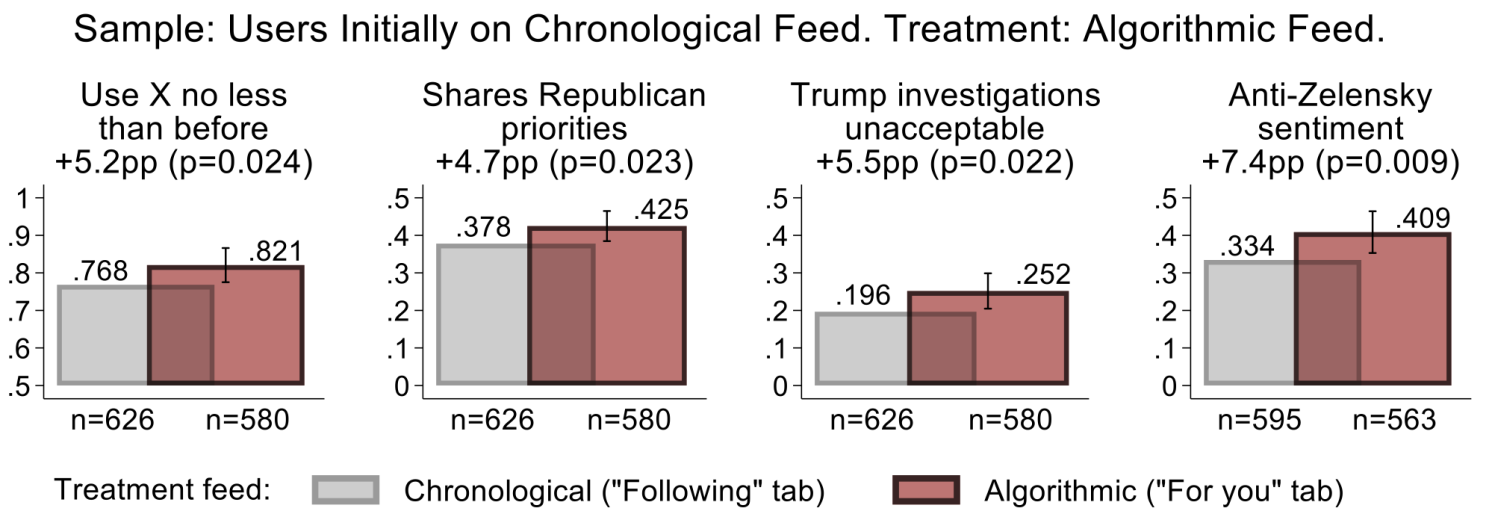
Remember the good old days? You’d open up Facebook, Twitter, whatever your poison was, and see stuff in the order it happened. Pure. Simple. Chronological. Then, BAM. Algorithms. Suddenly, your feed is a curated mess, and you’re wondering if the platform really knows what you want. Let’s dive into this whole mess. It’s a big one.

Source : cepr.org
The Golden Age of the Chronological Feed
Back in the day, your social media feed was a timeline. A literal clock. You saw posts from your friends, followed accounts, and news sites in the exact order they were published. It was predictable. You knew if you missed something, you’d just scroll up. Easy, right? There was a certain comfort in that predictability. It felt… fair. Like you weren’t being tricked into seeing something. You were in control. Mostly.
This meant you’d catch that hilarious meme your buddy posted five minutes ago, or the breaking news alert from your favorite reporter. No digital gatekeeper deciding what was “important” enough for your eyeballs. It was a direct line, a digital town square where everyone spoke in real-time. You could genuinely follow conversations as they unfolded. The internet felt a bit more… real.
Enter the Algorithm: The Rise of Algorithmic Curation
Then, things got complicated. Platforms started saying, “Hey, you’re missing stuff! Let us show you what we think you’ll like.” Enter the algorithms. Suddenly, your feed isn’t a clock anymore. It’s a mystery box. What’s inside? Who knows! It’s determined by complex formulas designed to keep you scrolling. They analyze your clicks, your likes, your shares, even how long you hover over a picture. It’s all about engagement. Maximizing the time you spend on the app. They want your attention, constantly.
These algorithms are built to be addictive. They learn what makes you tick, what makes you pause, what makes you double-tap. It’s like a slot machine for your brain. They’re incredibly effective at keeping you hooked. This might sound great for the platforms, but it raises some serious questions for us. Are we seeing what’s important, or just what’s designed to keep us staring?
The Promise vs. The Reality of Algorithms
The big sell? Algorithms are supposed to make your experience better. More relevant. Less noise. They promise to cut through the clutter and serve up exactly what you want, when you want it. Supposedly. They want to filter out the dross and highlight the gold. Think of it as a super-smart personal assistant for your social media consumption. Personalized content delivery, they call it. Sounds good on paper, doesn’t it?

Source : cepr.org
But here’s the rub. That “personal assistant” is actually working for the platform, not for you. Its primary goal is to maximize engagement. This often means showing you polarizing content, clickbait, or things that trigger a strong emotional response. Why? Because that keeps you reacting. It doesn’t matter if it’s true or useful. It just needs to keep your eyeballs glued. This is how echo chambers form and how misinformation spreads like wildfire. It’s a dangerous trade-off.
Why Chronological Feeds Still Matter (and Why We Miss Them)
People cry out for chronological feeds because they offer a sense of control and authenticity. You see what’s happening, as it happens. No filters. No manipulation. It’s raw. It’s real. It allows for genuine discovery, not algorithm-fed nudges. You might stumble upon a small artist or a local news update that an algorithm, focused on broad trends, might miss. It’s about fairness and transparency. You know the rules of the game. You see the full picture, in order.
Plus, let’s be honest, chronological feeds are just less stressful. You don’t have to worry about accidentally missing a crucial update from a friend because the algorithm decided it wasn’t “engaging” enough. You can scroll back to see exactly when that conversation started. It’s a calmer, more predictable online experience. It feels like a breath of fresh air in a world of constant algorithmic manipulation. It respects your time and your agency.
The Dark Side: What Algorithms Do to Us
When algorithms dictate our feeds, things get weird. They can create filter bubbles, trapping us in echo chambers where we only see opinions that confirm our own. This makes us less empathetic and more polarized. We start to think everyone thinks like us, or that the opposing view is simply insane. It’s a corrosive effect on society. We lose touch with reality and with each other.
And then there’s the mental health aspect. The constant comparison, the FOMO (fear of missing out) fueled by seeing everyone else’s highlight reels, the dopamine hits from notifications – it’s exhausting. Platforms are designed to exploit our psychological vulnerabilities. They learn what makes us anxious or jealous, and they serve it up. It’s a toxic feedback loop designed to maximize profit, not user well-being. This isn’t a bug; it’s a feature.
The Case for Chronological Discovery
Chronological discovery, on the other hand, is about finding things organically. It’s the digital equivalent of wandering through a bookstore or a record shop. You might not find exactly what you were looking for, but you might discover something even better. It fosters a sense of genuine exploration, not just passive consumption. It puts the power back in your hands. True serendipity online.
When you see things in order, you get context. You understand the flow of conversation. You see how trends develop. It’s a more human way to experience information. It allows for a more natural understanding of events and discussions. It’s less about what’s “viral” and more about what’s genuinely being shared and discussed by the people and sources you follow.
Can We Get Chronological Feeds Back?
Some platforms are starting to listen. Twitter (now X) brought back a chronological option. Instagram flirted with it and then backed away, much to users’ dismay. Threads, Meta’s Twitter competitor, launched with a chronological feed as the default. It seems the demand is there. People are tired of being manipulated. They want a choice. User demand is growing for more control.
The fight for chronological feeds is really a fight for digital autonomy. It’s about reclaiming our attention and our online experience from algorithms designed to exploit us. We need to push back and demand platforms that respect our agency. It’s not just about seeing posts in order; it’s about demanding a healthier internet. One that serves us, not the other way around.
The Future: A Hybrid Approach?
Maybe the answer isn’t a strict either/or. Perhaps a hybrid approach is the way forward. Imagine having the option to switch between a chronological view and an algorithmic one. Or maybe algorithms that prioritize things like recency and source directly, rather than just engagement metrics. We need algorithms that are transparent and controllable, not black boxes. Transparency in algorithms is key.

Source : cepr.org
Ultimately, we need to be more mindful consumers of social media. We can’t just passively accept what’s thrown at us. We need to actively seek out different perspectives and be aware of how these platforms are designed to influence us. Taking breaks, curating our feeds intentionally (even within algorithmic systems), and advocating for better options are all part of the solution. It’s about mindful digital citizenship.
Algorithmic Feeds and the Creator Economy
For creators, the algorithm is a double-edged sword. On one hand, a well-performing algorithm can catapult a new creator into the spotlight overnight. They can reach audiences they never dreamed of. It offers the potential for massive growth and monetization. Think viral TikToks or YouTube videos. It’s the dream of discoverability on a grand scale.
On the other hand, it’s a constant struggle. Creators are beholden to the whims of the algorithm. What worked yesterday might not work today. Content needs to be constantly tweaked to appease the ever-changing demands of the algorithm. This can lead to burnout and a focus on trends over authentic creation. The algorithm dictates what gets seen, often leaving smaller creators struggling to gain traction without resorting to clickbait or formulaic content.
The Chronological Advantage for Small Creators
A chronological feed levels the playing field. For smaller creators, it means their content has a better chance of being seen by their existing audience, even if it’s not a viral sensation. It builds a loyal community organically. Followers can reliably see the work they signed up for. This fosters a stronger creator-audience coection. It’s about consistent visibility, not lottery wins.
It allows creators to focus on making great content without constantly trying to game the system. They can experiment and build their niche without fear of being buried by the algorithm. This leads to more diverse and interesting content online. The focus shifts from pleasing the machine to serving the audience directly. It’s a more sustainable model for many.
Navigating the Algorithmic Maze: Tips for Users
So, how do you survive in this algorithmic jungle? First, use the tools platforms give you. If there’s a chronological option, use it! Even if it’s buried in settings. Second, be intentional. Mute or unfollow accounts that consistently post content you don’t want to see. Actively seek out diverse sources. Don’t just let the algorithm feed you. Take an active role in shaping your feed. You are the curator.
Third, understand that what you see is not the whole picture. Recognize that the algorithm is designed to keep you engaged, not necessarily informed or happy. Be critical of the content. Ask yourself: Why am I seeing this? Who benefits? Cultivate a healthy skepticism. It’s about critical media consumption. Don’t be a passive recipient.
The Case for Intentional Curation
Instead of relying on algorithms, why not curate your own experience? This is where intentional curation comes in. Think of your feed like a personal library or a curated art gallery. You decide what goes in. This might involve actively seeking out newsletters via RSS feeds (like using this method), following specific hashtags, or joining niche communities. It’s about taking back the reins.
Intentional curation requires effort, but the reward is a feed that truly reflects your interests and values. It’s a more mindful and fulfilling way to engage with online content. You’re not just consuming; you’re building a digital space that serves you. It’s about designing your digital diet. Making conscious choices about what information you let into your life.
The Future of Social Media: Choice is Key
The ultimate goal should be choice. Users should be able to decide how their feeds are sorted. Whether it’s chronological, algorithmic, or a blend of both, the power should be with the individual. Platforms that offer this flexibility will likely win user loyalty in the long run. Empowering the user is the future.
Source : sure-space.com
It’s a battle being fought right now across social media platforms. Some are resisting, clinging to their engagement-maximizing algorithms. Others are experimenting, perhaps sensing the growing user fatigue with the status quo. The conversation about chronological vs. algorithmic feeds is far from over. It’s about shaping a better online world.
FAQs: Your Burning Questions Answered
Is the Instagram algorithm chronological?
Nope. Instagram’s algorithm is definitely not chronological. It’s designed to show you posts it thinks you’ll be most interested in, based on your past activity, who you interact with, and various other signals. While they have added some chronological sorting options in settings, the main feed experience is heavily curated by their algorithm. It’s all about engagement.
How do algorithms decide what appears on your feed?
Algorithms look at a ton of data points. They consider things like: how likely you are to like, comment on, or share a post; how recently it was posted; who posted it and your relationship with them; and how much time you typically spend looking at certain types of content. Essentially, they’re trying to predict what will keep you on the app the longest. Predicting user behavior is their game.
What is chronological feed on Instagram?
A chronological feed on Instagram (or any platform) means posts appear in the exact order they were published, from newest to oldest. You see everything from the people you follow, without the platform’s algorithm deciding what’s “important” or “engaging” enough for you to see first. It’s a straightforward timeline view. No guessing games.
Can I make my TikTok feed chronological?
Yes, you actually can! TikTok offers a way to switch to a chronological feed. You can go to your ‘Following’ feed, which shows posts from accounts you follow in the order they were posted. It’s not the default, so you have to actively select it, but the option exists for users who prefer that unfiltered view.
What’s the difference between ‘Following’ and ‘For You’ on TikTok?
The ‘For You’ page on TikTok is the highly personalized, algorithmically curated feed designed to serve you content it thinks you’ll love, based on your viewing habits. The ‘Following’ feed, on the other hand, is chronological. It shows you videos only from the creators you explicitly choose to follow, in the order they post them. It’s the difference between discovery and coection.
Frequently Asked Questions
-
Is the Instagram algorithm chronological?
Nope. Instagram’s algorithm is definitely not chronological. It’s designed to show you posts it thinks you’ll be most interested in, based on your past activity, who you interact with, and various other signals. While they have added some chronological sorting options in settings, the main feed experience is heavily curated by their algorithm. It’s all about engagement.
-
How do algorithms decide what appears on your feed?
Algorithms look at a ton of data points. They consider things like: how likely you are to like, comment on, or share a post; how recently it was posted; who posted it and your relationship with them; and how much time you typically spend looking at certain types of content. Essentially, they’re trying to predict what will keep you on the app the longest. Predicting user behavior is their game.
-
What is chronological feed on Instagram?
A chronological feed on Instagram (or any platform) means posts appear in the exact order they were published, from newest to oldest. You see everything from the people you follow, without the platform’s algorithm deciding what’s “important” or “engaging” enough for you to see first. It’s a straightforward timeline view. No guessing games.
-
Can I make my TikTok feed chronological?
Yes, you actually can! TikTok offers a way to switch to a chronological feed. You can go to your ‘Following’ feed, which shows posts from accounts you follow in the order they were posted. It’s not the default, so you have to actively select it, but the option exists for users who prefer that unfiltered view.
-
What's the difference between 'Following' and 'For You' on TikTok?
The ‘For You’ page on TikTok is the highly personalized, algorithmically curated feed designed to serve you content it thinks you’ll love, based on your viewing habits. The ‘Following’ feed, on the other hand, is chronological. It shows you videos only from the creators you explicitly choose to follow, in the order they post them. It’s the difference between discovery and coection.