Opposite Day Ideas: The Upside Down Home Decor Trend Taking Over 2026
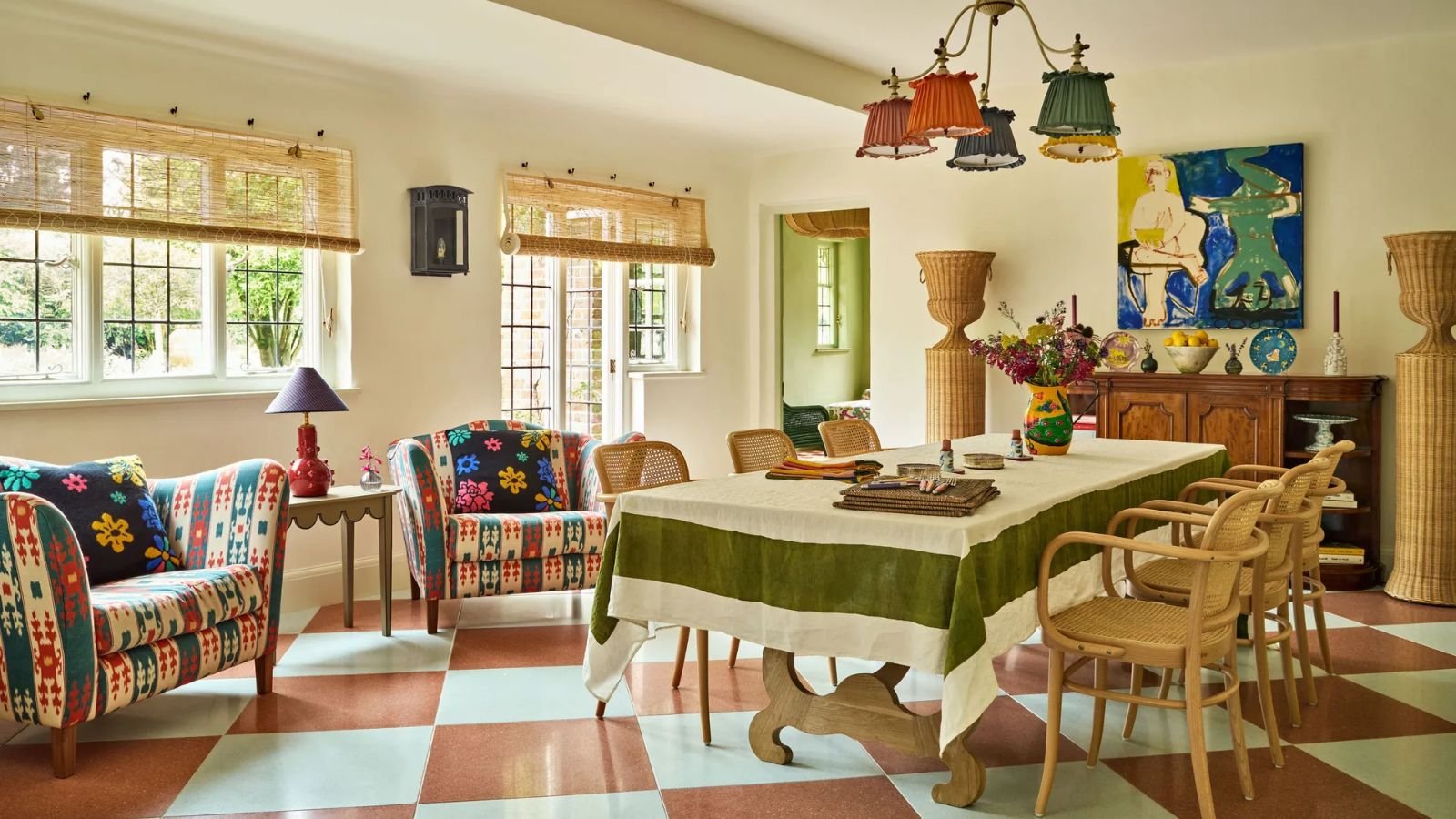
As an interior design enthusiast, I’m constantly looking ahead, sifting through the noise to identify the truly transformative shifts in how we live and decorate. And let me tell you, 2026 is shaping up to be a year of delightful defiance. Forget everything you thought you knew about conventional home design because the ‘Opposite Day’ decor trend is here, turning our spaces quite literally upside down. This isn’t just another fleeting fad; it’s a profound re-evaluation of how our homes can reflect our personalities, injecting playfulness, surprise, and a bold individuality that many of us crave after years of aesthetic conformity.
This trend isn’t about chaos; it’s about conscious subversion. It challenges us to rethink functionality, placement, and even the emotional feel of a room. No longer are we bound by rigid rules; instead, we’re invited to experiment, to innovate, and to create interiors that truly tell our unique stories. Let’s dive deep into why this exhilarating movement is poised to dominate our homes in 2026, how you can embrace it, and how it utterly demolishes the predictable trends of yesteryear.
Understanding the ‘Opposite Day’ Ethos: Beyond the Conventional
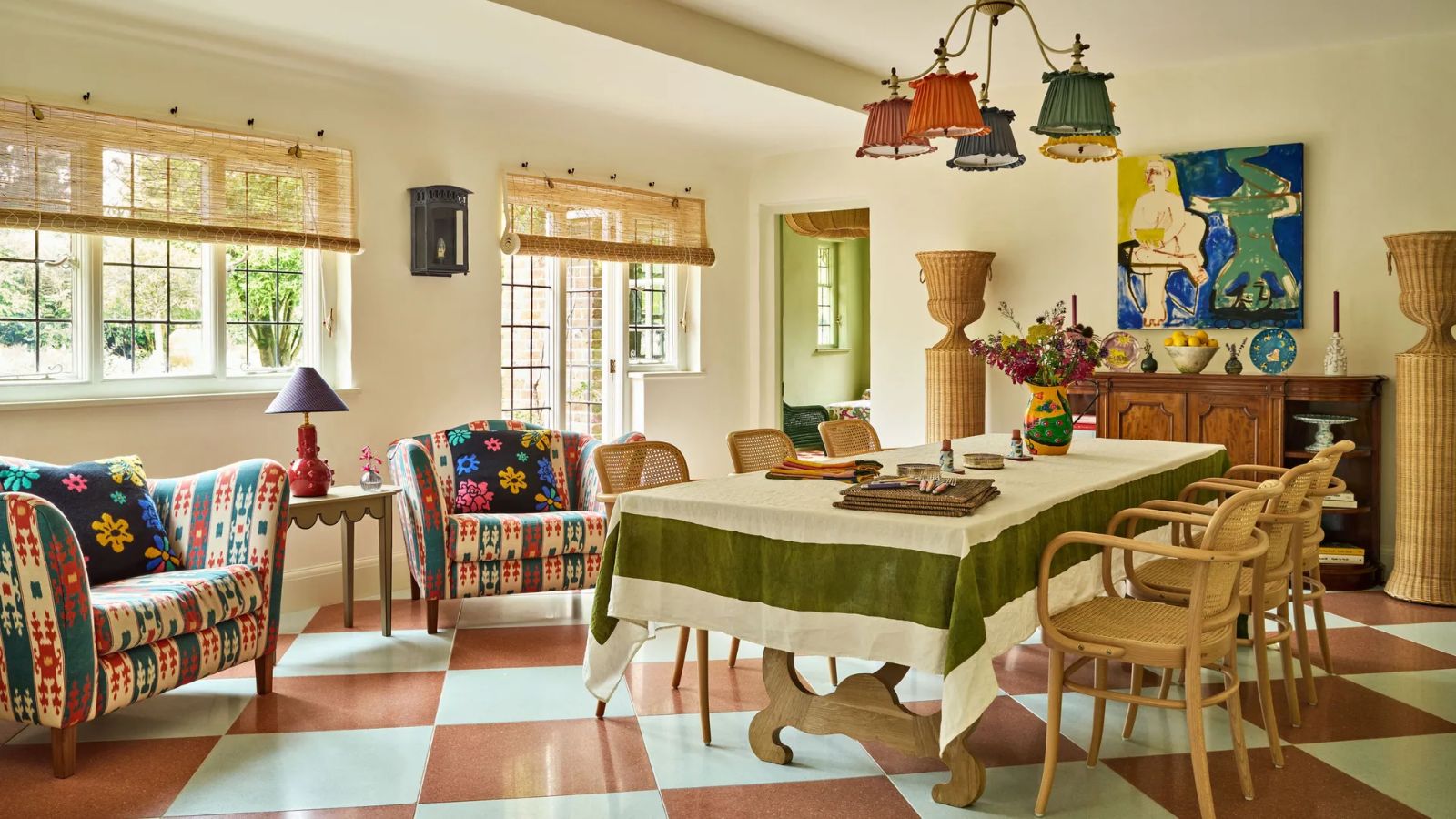
At its core, the ‘Opposite Day’ decor trend is about breaking free from established norms. It’s an intentional flip of expectations, whether through unexpected color palettes, unconventional furniture arrangements, or a playful reinterpretation of traditional decor elements. Many top designers are already signaling this shift, moving away from prescriptive styles towards a more fluid, experience-driven approach to creating captivating spaces.
Think about it: for years, minimalism reigned, followed by grandmillennial chic, each with its own set of guidelines. But 2026 demands more. It calls for authenticity and a sense of humor. This isn’t about being outlandish for the sake of it; it’s about finding joy in the unexpected and crafting a design that genuinely resonates with you. It’s a bold statement that your home is your sanctuary, your playground, and your personal gallery.
Why Now? The Cultural Catalysts Driving the Flip
Several factors are converging to make ‘Opposite Day’ decor the defining trend of 2026:
- Post-Pandemic Playfulness: After years of uncertainty, there’s a collective desire for lightness, fun, and breaking free from seriousness. Our homes are becoming canvases for escapism and self-expression.
- Rejection of ‘Fast Decor’: Consumers are tired of mass-produced, trend-driven items that quickly feel dated. This trend encourages unique, personal curation over generic uniformity.
- Digital Influence: Social media platforms thrive on novelty and visual surprise. Unique, ‘upside-down’ interiors generate buzz and inspire others to step outside their comfort zones.
- Sustainability Focus: Repurposing, re-contextualizing, and celebrating existing items in new ways aligns perfectly with eco-conscious living.
The Elements of an ‘Upside Down’ Interior: How to Create the Feel
So, what does this actually look like in practice? It’s not about physically inverting your furniture, though a suspended chair could certainly make a statement! It’s about a conceptual flip, a delightful disruption that makes you look twice.
1. The Color Conundrum: Bold & Unexpected Palettes
Traditional wisdom often dictates a harmonious color scheme, but ‘Opposite Day’ decor revels in the unexpected. Imagine a kitchen where the ceiling is painted a deep, moody charcoal, while the lower cabinets are a vibrant coral. Or a living room where the main wall is a shocking fuchsia, balanced by furniture in unexpected pastels. As interior stylist Clara Jensen says, “We’re moving beyond accent walls to accent everything. The whole room becomes the statement.” We’re seeing colors that traditionally belong outdoors, like vibrant teals and forest greens, making bold statements on interior walls and ceilings.
2. Functionality Flip: Rethinking Object Purpose
This is where the ‘upside-down’ concept truly shines. What if your dining table becomes a library display? Or a vintage trunk serves as a suspended light fixture? In the kitchen, an island might feature an integrated plant garden rather than a stovetop, with cooking stations moved to an unexpected corner. Think about a reading nook built into the floor, or a bed suspended from the ceiling. It’s about challenging the inherent purpose of an object and giving it a new narrative within your home.
| Traditional Decor Concept | ‘Opposite Day’ Decor Interpretation | Impact on Space Feel |
|---|---|---|
| Artwork at eye level | Art resting on the floor or leaning against walls | Casual, gallery-like, encourages different viewing angles |
| Rug on the floor | Textile art or rug suspended on a wall/ceiling | Adds texture and warmth in an unexpected vertical dimension |
| Statement chandelier above dining table | Floor lamps providing primary ambient light, task lighting hidden | Intimate, dramatic, shifts focus away from overhead |
| Sofa against a wall | Sofa floating in the center of the room, facing an unexpected element | Dynamic, creates flow, invites interaction from all angles |
3. Playful Proportions & Scale
Why have a tiny bedside lamp when you can have an oversized floor lamp dwarfing your nightstand? Or a massive, sculptural armchair in a small entry hall? The ‘Opposite Day’ interior embraces exaggerated scale to create visual interest and a sense of whimsy. This isn’t about awkwardness; it’s about intentional imbalance that draws the eye and sparks conversation. Many influential designers are advocating for this bold approach, encouraging us to break free from the safety of perfectly proportioned pieces.
4. Mixing & Mismatching with Intent
While mixing styles isn’t new, ‘Opposite Day’ takes it to an extreme. Think ornate baroque furniture alongside sleek, industrial elements, or highly polished surfaces next to raw, unfinished materials. It’s a deliberate clash that creates a rich tapestry of textures and histories. This trend encourages you to look for unique, vintage finds and pair them with modern pieces in ways you wouldn’t expect. The goal is to create a dynamic tension that makes your home feel authentically curated, rather than showroom-ready.
Practical Tips for Embracing the Trend Without Falling into a ‘Trap’
While the concept is exhilarating, executing ‘Opposite Day’ decor requires a thoughtful approach to avoid your spaces feeling haphazard. Here’s how to integrate these trends with finesse:
- Start Small: Begin with a single element. Maybe hang a mirror horizontally instead of vertically, or use an antique teacup as a planter.
- Choose a Focal Point: Decide which ‘upside-down’ element will be the star of the room and provide support for its quirky charm.
- Ground with a Neutral Base: If you’re going bold with colors or flipped functionality, ensure there’s still a neutral backdrop (walls, large furniture) to prevent visual overload. This helps the more unconventional elements pop without creating chaos.
- Focus on Quality: If you’re subverting an object’s purpose, ensure the object itself is high quality or has significant character. A cheap item used oddly just looks cheap; a beautiful item used oddly looks artistic.
- Embrace Imperfection: This trend thrives on a slightly undone, perfectly imperfect aesthetic. Don’t strive for sterile perfection; embrace the lived-in, curated design.
- Seek Designer Input: Even seasoned DIYers can benefit from a fresh perspective. Many interior designers are adept at balancing unconventional ideas with cohesive aesthetics.
The Future of Interiors: Personalization Over Prescription
The ‘Opposite Day’ decor trend isn’t just about what’s ‘in’ for 2026; it represents a larger shift towards radical personalization in interior design. It’s a clear signal that the days of following a rigid blueprint are over. Consumers, empowered by access to endless inspiration and a desire for genuine self-expression, are now acting as their own lead designers, taking cues from professional insights but ultimately crafting their unique visions.
This trend asks you, ‘What if?’ What if you hung that vintage surfboard in the dining room? What if your collection of antique clocks formed a floor-to-ceiling installation? The ‘Opposite Day’ trend encourages this imaginative leap, promising spaces that not only look incredible but also evoke surprise, joy, and a truly one-of-a-kind design feel.
As we move into 2026, I anticipate interiors becoming more reflective of personal narratives than ever before. The ‘Opposite Day’ trend is simply the most vivid, playful, and impactful manifestation of this exciting evolution in home decor.
Frequently Asked Questions
What are the key interior design trends for 2026?
For 2026, a standout trend is ‘Opposite Day’ decor, focusing on playful subversion of traditional design norms. This includes unexpected color palettes, flipping object functionality, experimenting with scale and proportion, and a deliberate mix-and-match approach. Other broader trends include a move towards radical personalization, sustainability, and a rejection of fast decor.
How can I incorporate ‘Opposite Day’ decor without making my home look messy or chaotic?
To embrace ‘Opposite Day’ decor without creating chaos, start small with one key element, choose a single focal point, and consider grounding your bold choices with a relatively neutral base. Focus on quality pieces, embrace a perfectly imperfect aesthetic, and don’t be afraid to seek input from interior designers to help balance unconventional ideas with cohesive aesthetics.
What kind of colors work best for an upside-down aesthetic?
The ‘Opposite Day’ aesthetic thrives on bold and unexpected color palettes. Think beyond traditional harmonious schemes. This could mean deep, moody colors on ceilings, vibrant and playful hues on lower cabinets, or using colors typically found outdoors (like teals and forest greens) prominently indoors. The goal is conscious disruption and visual surprise.
Is the ‘Opposite Day’ trend suitable for all types of homes?
Yes, the ‘Opposite Day’ trend can be adapted to almost any home, regardless of size or architectural style. The key is applying its principles – subversion, playfulness, and unexpected elements – in a way that suits your space. A grand home might opt for larger-scale theatrical flips, while a smaller apartment might use subtle color inversions or multi-functional furniture with a twist.
What are designers saying about the longevity of the Opposite Day decor trend?
Many designers see the ‘Opposite Day’ trend not as a fleeting fad, but as a manifestation of a larger, enduring shift towards radical personalization and authentic self-expression in home interiors. While specific ‘flips’ might evolve, the underlying ethos of challenging norms and creating joyously individual spaces is expected to have long-term staying power, moving beyond prescriptive trends.