Don’t Freeze Your Butt Off: The Ultimate Packing Guide for Extreme Cold Weather Tourism
Alright, listen up. You’re thinking about heading somewhere seriously frigid. Like, “can’t-feel-your-fingers” cold.
Maybe the Arctic Circle, maybe the Yukon, maybe just a particularly brutal winter in Norway. Whatever your destination, if it’s colder than a polar bear’s toenails, you need a serious packing strategy. This isn’t your average beach vacation, folks.
Mess this up, and you’re in for a miserable time. I’m talking frostbite, chattering teeth, and Instagram photos that look like you’re actively regretting your life choices. But don’t worry, I’ve been there.
I’ve survived – and even enjoyed – some of the coldest places on Earth. And I’m here to tell you exactly what you need to pack to stay warm, safe, and (dare I say it?) even a little stylish. Forget those flimsy jackets.
We’re talking about building a defense against the elements. Think of yourself as a culinary chef, but instead of ingredients, you’re layering up for survival. It’s all about the right combination.
This is your absolute cold weather bible.
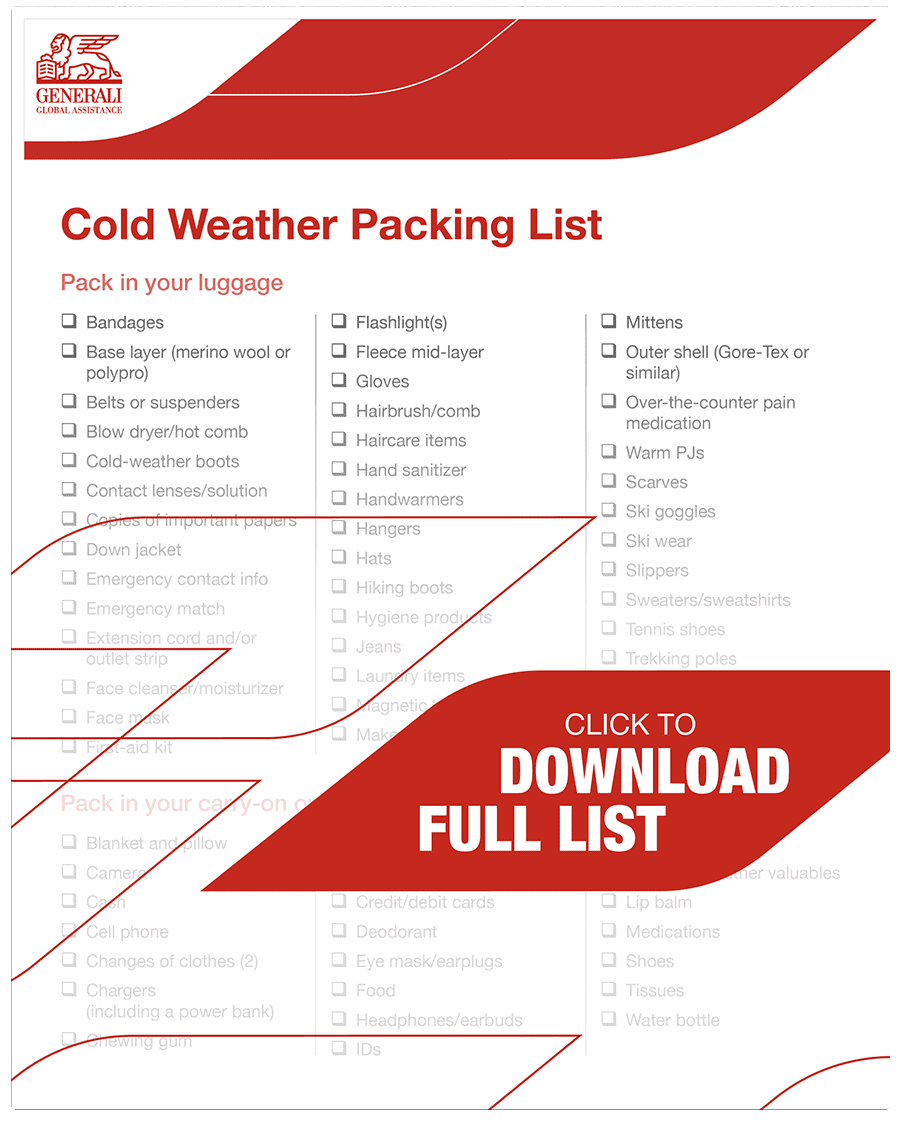
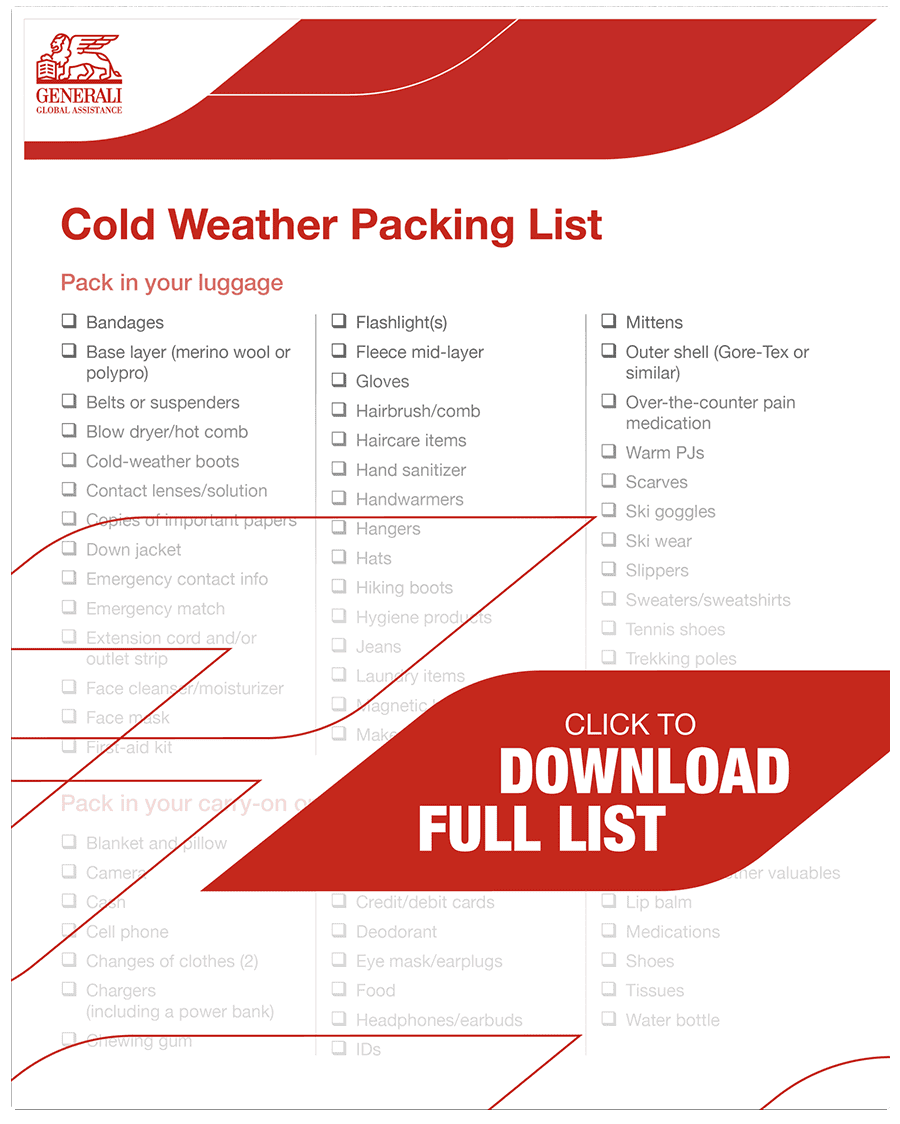
Source : generalitravelinsurance.com
Why Extreme Cold Packing is Different
Look, packing for a weekend trip to, say, Chicago in January is one thing. You might throw on a decent coat, some gloves, and call it a day. But extreme cold?
We’re talking temperatures that can plummet to -40°F (-40°C) or even lower, not including wind chill. Wind chill is a beast, by the way. It makes that already freezing air feel like it’s actively trying to rip the skin off your bones.
So, your gear can’t just be “warm.” It needs to be seriously insulated and designed to keep you protected from both the cold and the wind. We’re talking specialized materials, smart layering systems, and accessories you might not even think of until it’s too late. Your regular ski gear might not cut it.
This is next-level stuff. It’s about preventing hypothermia, not just looking good on a ski slope. Remember, when you’re battling the elements, comfort is survival.
And survival is key to actually enjoying your trip instead of just enduring it. Plus, getting this right means you can actually appreciate the stuing, frozen landscapes instead of just wanting to run back inside.
The Golden Rule: Layering is Everything
This is not a suggestion. It’s gospel. Layering is how you survive, adapt, and thrive in extreme cold.
Why? Because it traps air, and trapped air is your best friend against the chill. It also lets you adjust your temperature as you move around or go from outdoors to indoors.
You don’t want to be that person sweating buckets inside a lodge, only to freeze solid the second you step back out. We’re talking a system, people. Three main layers, each with a specific job.
Get this wrong, and you’ll be miserable. Get it right, and you’ll be practically smug about how warm you are. It’s not just about piling on clothes; it’s about choosing the right materials for each layer.
Think smart, not just bulky. Your body is a furnace, and these layers help you control that heat. It’s physics, but it feels like magic when you’re toasty warm in a blizzard.
Layer 1: The Base Layer – Wick Away the Sweat
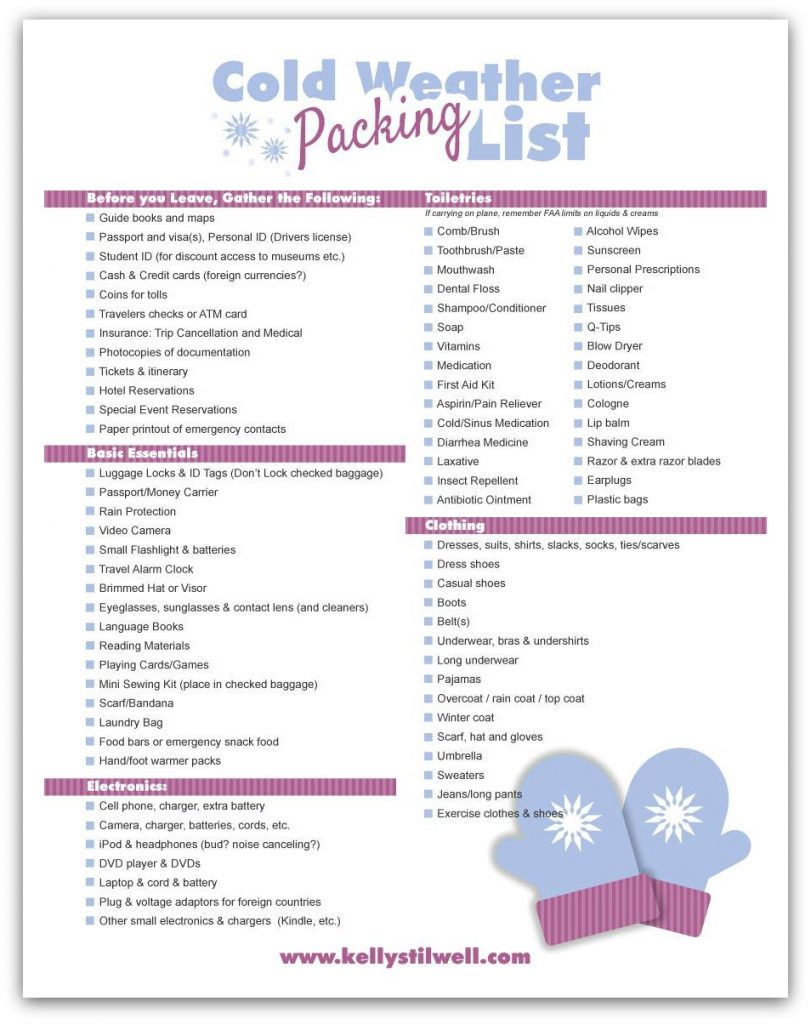
Source : beacon.by
First up, the base layer. This is what sits directly against your skin. Its sole purpose?
To wick away moisture. Yep, even when it’s freezing, you sweat. When that sweat sits against your skin and then cools down, it makes you colder.
So, you need something that pulls that moisture away. Forget cotton – it’s a trap! Cotton absorbs moisture and stays wet forever, making you hypothermic faster than you can say “bundle up.” Think performance fabrics.
Merino wool is the king here. It’s naturally odor-resistant (huge bonus when you’re layering for days), breathable, and it insulates even when damp. Synthetic materials like polyester or polypropylene are also excellent choices.
They’re durable, dry fast, and are often more affordable than merino. Look for lightweight or midweight options depending on how cold it’s going to get and how active you’ll be. Some people like a snug fit, others prefer it a bit looser.
Try both. It’s about personal comfort, but make sure it’s not so tight it restricts circulation. Getting this first layer right makes all the difference.
You want to feel like you have a second skin, but one that keeps you dry. It’s the foundation of your warmth. Check out some great tips on cold weather packing to get started.
Layer 2: The Mid Layer – Insulation Station
This is where the real warmth happens. The mid-layer’s job is to trap your body heat. Think fleece, down, or synthetic puffies.
Again, avoid cotton like the plague. A good quality fleece jacket or vest is a classic for a reason. It’s warm, breathable, and relatively lightweight.
Down insulation is incredible for its warmth-to-weight ratio. A down jacket will compress small and feel like you’re wearing a cloud, but it loses its insulating power when wet. That’s why it’s crucial to have a waterproof outer layer.
Synthetic insulation (like PrimaLoft or Thinsulate) is a great alternative to down. It insulates even when wet and dries much faster, though it can be a bit bulkier for the same warmth. You might even want a couple of mid-layers: a lighter one for milder cold or high activity, and a heavier one for serious chill.
Think vests, hoodies, or insulated jackets. The key is breathability. You want to trap heat, but still allow some moisture to escape to your outer layer.
Experiment with different weights to see what works best for you. This layer is your personal heater. Don’t skimp here.
A solid mid-layer can make or break your trip. Imagine this layer like a cozy blanket hugging your body – it’s that important for overall comfort and heat retention. Consider a fleece with a hood for extra coverage.
Layer 3: The Outer Layer – The Shield Against the Elements
Finally, the outer layer, also known as the shell. This is your armor. Its primary jobs are to block the wind and keep precipitation (snow, sleet, rain) out.
It needs to be windproof and waterproof, or at least highly water-resistant. Breathability is also key here – you don’t want to get wet from the inside. Gore-Tex and similar breathable-waterproof membranes are your best bet.
Look for jackets and pants that are insulated, or choose an uninsulated shell and rely on your mid-layers for warmth. For extreme cold, an insulated, waterproof, and windproof parka is often the way to go. Features like a hood (adjustable, of course), sealed seams, and storm flaps over zippers are critical.
Your pants should also be waterproof and windproof, ideally with features like gaiters to seal out snow around your boots. Don’t forget about ventilation – pit zips or leg zips are lifesavers when you start to overheat. This layer is literally what stands between you and the brutal elements.
It needs to be tough, reliable, and keep you dry no matter what. This is your ultimate defense system. A good shell is an investment that will serve you for years.
It’s the superhero cape of your winter wardrobe. Getting this right means you can actually venture out and explore without constantly worrying about the weather turning on you. Expert cold weather travel advice often emphasizes this outer shell.
Essential Accessories: The Devil is in the Details
You can have the best clothing layers in the world, but without the right accessories, your extremities will betray you. And trust me, nothing ruins a trip faster than numb fingers or frostbitten toes. These are the items you absolutely caot forget.
They’re small, but they pack a serious punch in terms of keeping you comfortable and safe. Think of them as the crucial finishing touches on your warm-weather ensemble. Don’t underestimate their power; they’re often the difference between bliss and misery.
These little things make a HUGE difference.
Headwear: More Than Just a Hat
Your head loses a ton of heat. Seriously, a lot. So, a warm hat is non-negotiable.
But not just any hat. You need something that covers your ears completely. A beanie made of wool or fleece is a good start.
But for extreme cold, consider a balaclava or a full-face mask. These protect your face, neck, and ears from windburn and frostbite. Look for materials that are windproof and insulated.
Some balaclavas have vents for breathing, which is a lifesaver. You want full coverage, no gaps. A hat that just covers your scalp isn’t going to cut it when it’s -20°F.
Think about breathability too; you don’t want your face getting all steamy. A good head covering is essential for heat retention. It’s not just about staying warm; it’s about protecting sensitive skin from the elements.
A proper hat also helps keep your overall body temperature regulated, which is super important when you’re out in the freezing cold for extended periods. Don’t forget sunglasses or goggles! Snow blindness is real, and the glare off snow can be intense.
Gloves or Mittens? Mittens Win.
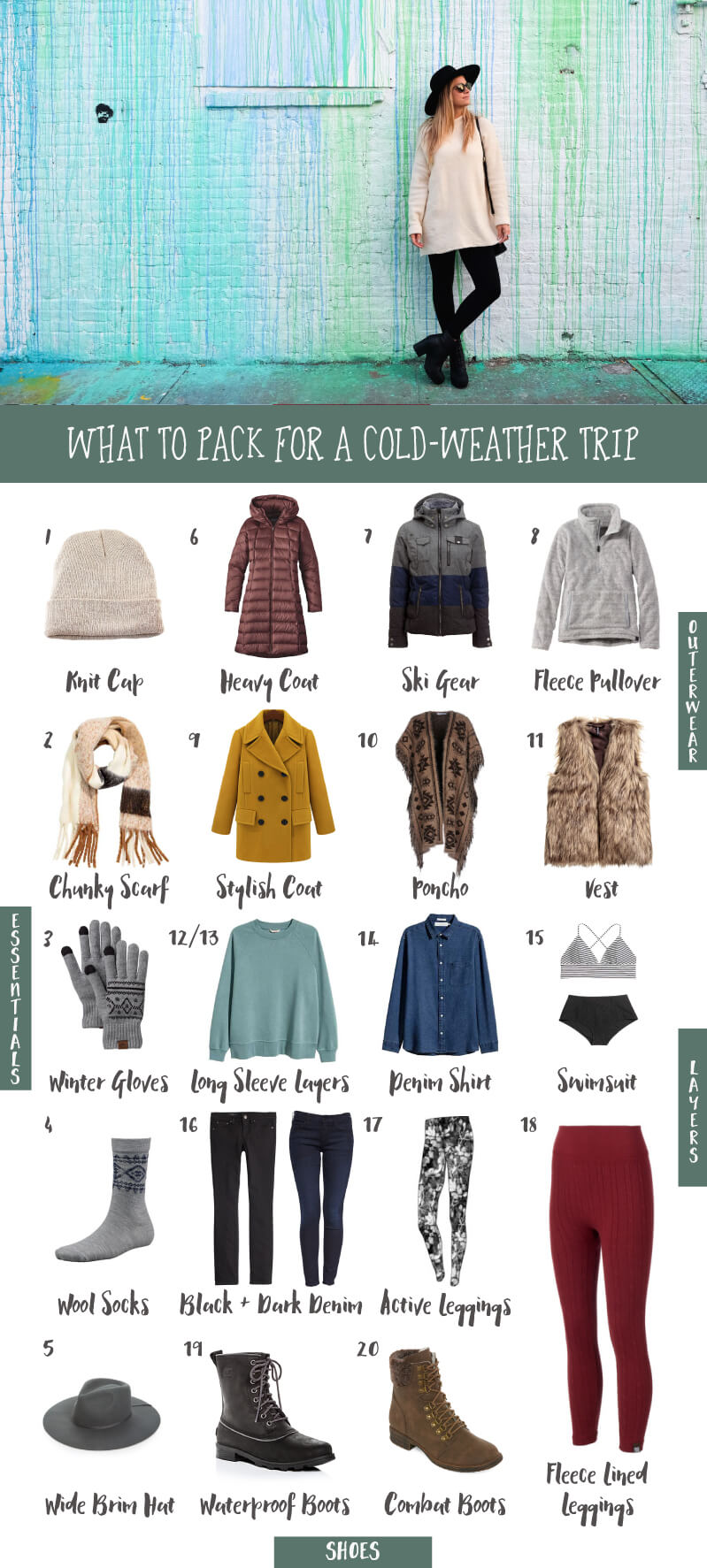
Source : theblondeabroad.com
Mittens are warmer than gloves. Why? Because your fingers can share warmth inside a mitten.
Gloves isolate each finger, making them more susceptible to cold. For extreme cold, you want heavily insulated mittens, preferably waterproof and windproof. Layering gloves is also an option: a thin liner glove inside a thick mitten.
Liner gloves can be useful for tasks that require dexterity, like taking photos, without fully exposing your hands to the cold. You can slip them on, do your thing, and then dive back into the warmth of your mittens. Look for mittens with long cuffs that can tuck over your jacket sleeves to prevent snow and wind from getting in.
Some even have little pockets for hand warmers. Seriously, hand warmers are your best friend. Small, disposable chemical packs that provide hours of toasty warmth.
Keep them in your pockets or tucked into your mittens. Your hands are incredibly vulnerable in the cold, and frostbite can happen fast. Protecting them is critical for both comfort and safety.
Mittens are your warmest hand protection.
Socks: The Unsung Heroes of Foot Warmth
Wet, cold feet can ruin your entire day. Just like with base layers, you want wool or synthetic socks. NO COTTON.
Seriously, I can’t stress this enough. Multiple pairs of thick, wool socks are key. You might even consider liner socks underneath your main socks for an extra layer of warmth and moisture-wicking.
Bring more pairs than you think you’ll need – feet sweat, and you’ll want fresh, dry socks every day. Boots are crucial too, but we’ll get to that. The right socks prevent blisters and keep your feet from getting numb.
Your sock choice is vital for preventing foot issues like frostnip or frostbite. A good pair of socks feels like walking on clouds, even when the ground is frozen solid. Think of them as tiny, portable heaters for your feet.
They wick away moisture, insulate, and cushion. You need the best. Seriously, invest in good wool socks.
They’re relatively cheap and make a massive difference. Your feet will thank you later. Thick wool socks are a winter travel essential.
Neck Gaiter or Scarf: Seal the Deal
A scarf can work, but a neck gaiter (also called a neck warmer) is often more practical in extreme cold. It’s a tube of fabric that you can pull up over your face and neck to seal in warmth and block the wind. Fleece or wool gaiters are excellent.
You can adjust them to cover your mouth and nose on windy days, protecting your lungs from biting cold air. It completes your thermal barrier, ensuring there are no gaps for the cold to sneak in. It’s the final piece of the puzzle in protecting your most exposed areas.
You can even pull it over your head if your hat isn’t quite enough. It’s incredibly versatile and a small item that offers huge comfort benefits. This piece is often overlooked but is critical for keeping your core warm by sealing off that vulnerable neck area.
A fleece neck gaiter is a must-have cold weather item.
Footwear: Your Foundation in the Snow
This is where many people go wrong. You need boots designed for extreme cold. Not just “waterproof” boots, but insulated, waterproof, and rated for low temperatures.
Look for boots with a temperature rating – if you’re going somewhere truly arctic, you want boots rated for -20°F (-30°C) or even lower. They should be tall enough to keep snow out, ideally coming up to mid-calf or higher. Make sure they fit comfortably with your thick wool socks.
Too tight, and you’ll restrict circulation, leading to cold feet. Too loose, and you’ll get friction and blisters. Consider the tread; you need good grip on icy or snowy surfaces.
While insulated boots are great, remember that the right socks are equally important. If your boots aren’t warm enough, no amount of layering inside will save you. Investing in a quality pair of winter boots is crucial for enjoying any cold-weather trip.
They are your primary interface with the frozen world. Don’t mess this up. Proper winter boots are key to happy exploring.
If you’re going on serious adventures, consider boots with removable liners – they dry faster. Ultimate winter packing lists always highlight footwear.
Beyond the Layers: Other Must-Haves
So, you’ve got your layers, your hat, gloves, socks, and boots. What else? A few more things can make a massive difference in your comfort and safety. These aren’t strictly clothing, but they’re just as important for extreme cold survival.
Hand and Foot Warmers
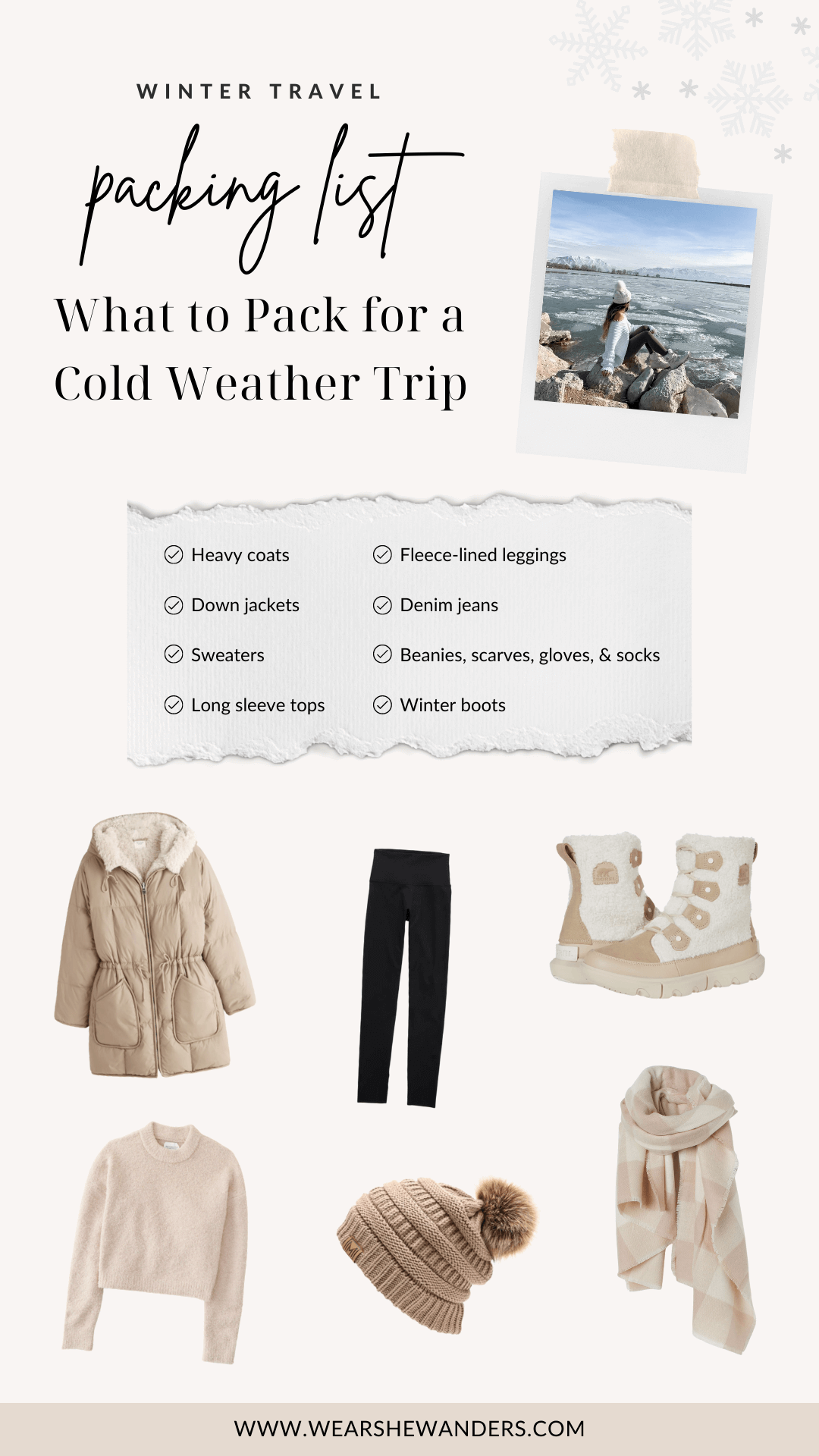
Source : wearshewanders.com
I mentioned these already, but they bear repeating. Disposable chemical hand and foot warmers are lifesavers. They’re cheap, light, and provide hours of extra heat.
Tuck them into your mittens, boots, or pockets. They’re a game-changer when you’re out all day. Keep a few extra in your pack.
They’re not just for emergencies; they’re for proactive comfort. Think of them as emergency heat reserves. A few pairs can make a day of exploring infinitely more enjoyable when the temperatures are brutal.
These little packets are incredibly effective for warmth.
Lip Balm and Moisturizer
Cold, dry air is brutal on your skin. Your lips will crack, and your skin will get dry and itchy. Pack a good quality lip balm with SPF (the sun reflecting off snow can still burn you!) and a heavy-duty moisturizer.
Apply them regularly, especially before bed. Your face will thank you. Don’t forget sunscreen too, especially if you’ll be in snowy areas.
The sun’s rays can be intense, even on a cold day. Healthy skin means a more comfortable trip. Protect your skin from the harsh elements.
Good moisturizer is vital for skin protection.
Thermos for Hot Drinks
Nothing warms you up from the inside out quite like a hot drink. Pack a good quality thermos filled with hot tea, coffee, or even just hot water. Sipping something warm on a freezing day is pure bliss.
It helps maintain your core body temperature and provides a much-needed morale boost. Carry it in your backpack, and take breaks to sip your warm beverage. It’s a simple pleasure that makes a huge difference in extreme conditions.
Hydration is important, and warm fluids are even better in the cold. This is a simple luxury that feels incredibly decadent when you’re in the middle of nowhere, freezing. A reliable thermos is your portable source of warmth.
Headlamp or Flashlight
Days are short in winter, especially in northern latitudes. You might find yourself out and about after dark, or in dimly lit conditions. A headlamp is ideal because it keeps your hands free.
Make sure it has fresh batteries, and maybe pack a spare set. You don’t want to be caught fumbling in the dark. Safety first, always.
Especially when you’re navigating potentially icy terrain. Good lighting is crucial for safety and convenience. It allows you to see where you’re going, set up camp, or simply find your way back.
A headlamp is indispensable for winter exploration.
Backpack with Waterproof Cover
You need a comfortable backpack to carry all your gear. Make sure it’s large enough for your layers, water, snacks, and essentials. A waterproof cover or internal dry bags are essential to protect your belongings from snow and moisture.
Even if it’s not actively snowing, condensation can be an issue. Keeping your gear dry is paramount. Your backpack is your mobile base camp.
Everything you need should be easily accessible and protected from the elements. A well-organized pack makes a huge difference. Look for a pack with good padding and adjustable straps for comfort.
A sturdy backpack is crucial for carrying essentials.
Packing Tips for Efficiency

Source : herpackinglist.com
Okay, so you know what to pack. Now, let’s talk about how to pack it without looking like you’re moving house. Tetris skills are required, folks.
- Roll, don’t fold: Rolling your clothes saves space and can help reduce wrinkles.
- Stuff sacks and compression bags: Use these for your softer items like base layers and mid-layers. They compress air and save a surprising amount of room.
- Wear your bulkiest items: On travel days, wear your heaviest jacket, bulkiest boots, and thickest pants. This frees up tons of space in your luggage.
- Layer your packing: Put heavier items at the bottom of your pack.
- Waterproof everything: Use dry bags or plastic bags for anything that absolutely must stay dry, like electronics or important documents.
Even inside your backpack, things can get damp.
- Organize by category: Keep socks together, base layers together, etc. This makes finding things much easier when you’re cold and rushed.
Smart packing means less hassle and more time enjoying the incredible experience of extreme cold weather tourism. You want to be prepared, not weighed down. Efficient packing is key to a smooth trip.
A Final Word of Caution
Extreme cold weather tourism is amazing, but it’s not without risks. Always check the weather forecast before you go and be prepared for conditions to change rapidly. Let someone know your itinerary.
Carry a basic first-aid kit, including items for treating blisters and minor cuts. Most importantly, listen to your body. If you’re feeling unusually cold, tired, or disoriented, it’s time to get inside and warm up.
Don’t push your limits uecessarily. The goal is to have an incredible adventure, not to test the absolute boundaries of human endurance. Safety first, always.
Respect the cold, and it will respect you back. Have an epic, warm trip! Preparing properly is your best safety measure.
For more comprehensive tips, explore AAA’s cold weather packing guide.
Frequently Asked Questions About Extreme Cold Weather Packing
What are the absolute must-have items for extreme cold?
You absolutely caot go without a solid base layer, a warm insulated mid-layer, and a waterproof/windproof outer shell. Don’t forget insulated mittens (not gloves!), a warm hat that covers your ears, and thick wool socks. Lip balm and moisturizer are also critical for protecting your skin. These items form the core of your defense against the brutal cold and are essential for safety and comfort.
Is cotton really that bad for cold weather?
YES. Cotton is terrible for cold weather. It absorbs moisture like a sponge and loses all its insulating properties when wet.
If you sweat, or get caught in rain or snow, that wet cotton against your skin will make you dangerously cold, fast. Stick to merino wool or synthetics for all your layers, especially your base layer.
How many layers are too many?
It’s not about the number of layers, but the type and fit. Aim for three main layers: base, mid, and outer. You can add more mid-layers if it’s exceptionally cold or if you’re less active.
The key is that each layer should serve a purpose (wicking, insulating, blocking elements) and they should allow for some air circulation. Overheating and sweating is just as bad as being too cold, so the ability to adjust is crucial. You want to feel comfortably warm, not suffocated.
Finding that balance is essential for temperature regulation.
Can I use my regular ski gear for extreme cold?
Maybe, maybe not. Standard ski gear is designed for temperatures typically above freezing or just below, with bursts of activity. Extreme cold, like arctic expeditions, often requires gear specifically rated for much lower temperatures (-20°F/-30°C and below).
Your ski jacket might not be warm enough, and your ski pants might not offer enough insulation or wind protection for prolonged exposure. Always check the temperature ratings and ensure your gear is built for extreme conditions.
What about electronics in the cold?
Cold can kill batteries faster. Keep your electronics (phone, camera, GPS) close to your body, in an inside pocket, to keep them warm. Use a waterproof protective case for everything.
If you have spare batteries, keep them in a warm place too. When you go inside, let your devices warm up slowly to avoid condensation. Putting them in a sealed bag before going from cold to warm can help prevent moisture buildup.