The Psychology Behind the Sweet and Spicy Trend: Why Our Brains Love Swicy
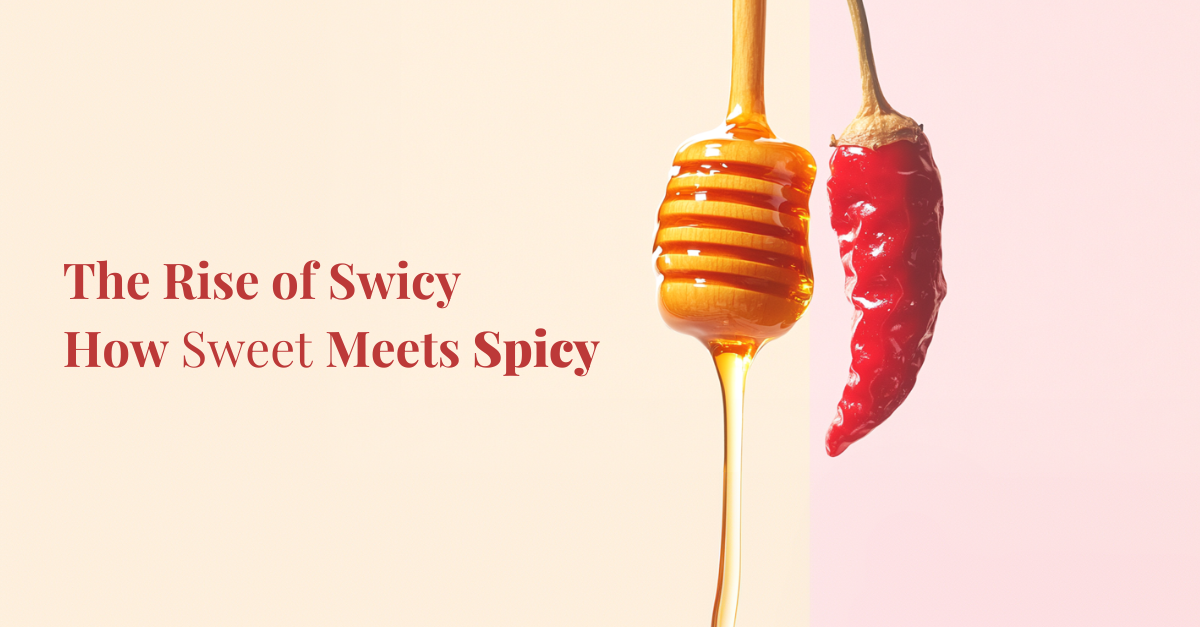
Okay, let’s cut to the chase. You’ve seen it everywhere, right? That sweet and spicy flavor bomb. It’s on everything from chicken wings to cocktails, and honestly, I’m kind of obsessed. But why? Why does this flavor combo just work so darn well? It’s not just random chance. There’s some seriously fascinating psychology going on here. Forget boring, one-note tastes. We’re diving deep into the brain science of why this flavor paradox has taken over.
Source : aromatechgroup.com
The Brain’s Thrill Ride
Think about it. Sweet is comfort. It’s pure pleasure, right? Like a warm hug for your taste buds. Then BAM! Spicy hits you. It’s a jolt, a tiny bit of pain, a rush of adrenaline. Your brain goes, “Whoa, what was that?” But here’s the kicker: that little bit of danger, that controlled risk, actually makes the sweet part taste even better. It’s like the spice wakes up your palate, makes it more receptive, more alive. So, that initial sting just makes the eventual sweetness feel richer, more satisfying. It’s a classic case of contrast being the spice of life, literally!
The Sweetness Soothes the Burn
And let’s not forget the other side of the coin. That sweetness? It’s not just there to be tasty. It actively calms down the chili burn. Capsaicin, the compound that makes peppers hot, binds to pain receptors. But when you introduce sweetness, it provides a kind of distraction, a counterbalance. It makes the heat manageable, even enjoyable. It’s like a negotiation between your pleasure centers and your pain sensors, and the sweet flavor is the masterful diplomat. This push-and-pull is exactly what makes ‘swicy‘ so addictive. You get the thrill without the overwhelming agony. It’s the perfect balancing act, keeping you coming back for more without feeling like you’ve gone too far.
Source : today.com
A Dash of Danger, A Sprinkle of Delight
There’s a primal element at play here, too. For milleia, humans have associated certain tastes with safety and danger. Sweet often signaled safe, ripe food, while bitterness or extreme heat could mean poison or spoilage. So, when we experience a controlled burst of heat, especially when paired with the safety of sweetness, it triggers an evolutionary response. It’s a bit like a roller coaster. You know you’re safe, but your body still releases adrenaline, giving you that exhilarating rush. This neurological ‘thrill-seeking’ is a huge part of why people are drawn to spicy foods, and pairing it with sweet just amplifies the experience. It’s a sophisticated dance between our ancient survival instincts and our modern desire for novel sensory inputs.
Beyond Taste: The Full Sensory Experience
It’s not just about taste buds, either. Think about the experience of eating something swicy. The aroma, the texture, the visual appeal – it all plays a role. A dish like Korean fried chicken, coated in that sticky, sweet-and-spicy glaze, is a multi-sensory delight. The crunch of the chicken, the glistening sheen of the sauce, the immediate hit of heat followed by the lingering sweetness… it’s an entire event for your senses. This complexity keeps your brain engaged. It’s far more interesting than a plain vanilla ice cream or a simple sugar cookie. We crave novelty and stimulation, and swicy food delivers it in spades. It’s this holistic sensory engagement that makes the trend so sticky – pun intended.
The ‘Swicy’ Personality: Are You a Risk-Taker?
Now, let’s get a bit personal. Do you love swicy flavors? You might be more of a risk-taker than you think! Research suggests a coection between a preference for spicy foods and certain personality traits. People who enjoy intense sensations, including the burn of capsaicin, often score higher on measures of sensation-seeking and opeess to experience. They’re the ones more likely to try new things, embrace novelty, and perhaps even push boundaries in other areas of their lives. It’s not a hard and fast rule, of course, but there’s definitely a correlation. Enjoying that fiery kick might just be a sign of a personality that thrives on excitement. It’s a bold personality trait expressed through your palate.
Why Sweet and Spicy Just Clicks

Source : cosmosaromatica.com
So, why do sweet and spicy go together so well? It’s a potent cocktail of biology and psychology. The sweet acts as a palate cleanser and pleasure booster for the spice. The spice provides a thrilling sensation that makes the sweet taste even more intense. It’s a neurological dance that keeps our brains buzzing. When you add in the sensory richness and the personality correlations, you’ve got a flavor combination that’s not just delicious, but deeply satisfying on multiple levels. It’s a testament to how our brains are wired to seek out complex, stimulating experiences. It satisfies a craving for both comfort and excitement simultaneously.
The Social Aspect of Spice
Let’s not forget that food is often a social experience. Sharing a plate of spicy wings or a communal hot pot isn’t just about the food; it’s about the shared experience. The reactions to the spice – the gasps, the laughter, the grabbing for a cooling drink – become part of the fun. Swicy dishes often lend themselves well to this. Think of a platter of spicy-sweet sliders or a shared bowl of dipping sauce. The communal aspect of navigating the heat together, offering each other a bit of sweet relief, strengthens bonds. It’s a playful way to interact, and the shared challenge of the spice becomes a memorable part of the gathering. This social reinforcement definitely helps keep the trend alive and kicking.
Swicy Across Cultures
This isn’t a new phenomenon exclusive to Western menus. Many global cuisines have long mastered the art of combining sweet and spicy. Think of Thai curries with their balance of chili heat and palm sugar sweetness, or Mexican moles that weave together chilies, chocolate, and fruit. Even Indian dishes often feature a sweet-spicy chutney alongside savory meals. The universal appeal of this flavor profile speaks to its fundamental success in pleasing the human palate. What’s interesting is how different cultures achieve this balance using their unique ingredients and traditions. The swicy trend we’re seeing now is really just a modern, often more intense, iteration of an age-old culinary principle. It’s a testament to the ingenuity of global cooking.
The Science of Sweet-Spicy Synergy
At its core, the swicy trend taps into our brain’s reward system. The pleasure derived from sweetness triggers dopamine release. The mild, controlled pain from spice also causes a release of endorphins – the body’s natural painkillers, which create a sense of euphoria. This combination creates a potent, addictive loop. It’s a feeling of both intense pleasure and exhilarating relief. This neurological payoff is incredibly powerful. It’s far more engaging than a purely sweet or purely spicy experience. The interplay between these two distinct sensory inputs creates a more complex and rewarding signal for our brains. It’s a sophisticated cheat code for deliciousness.
Source : cookist.com
Beyond the Heat: Nuance in Swicy
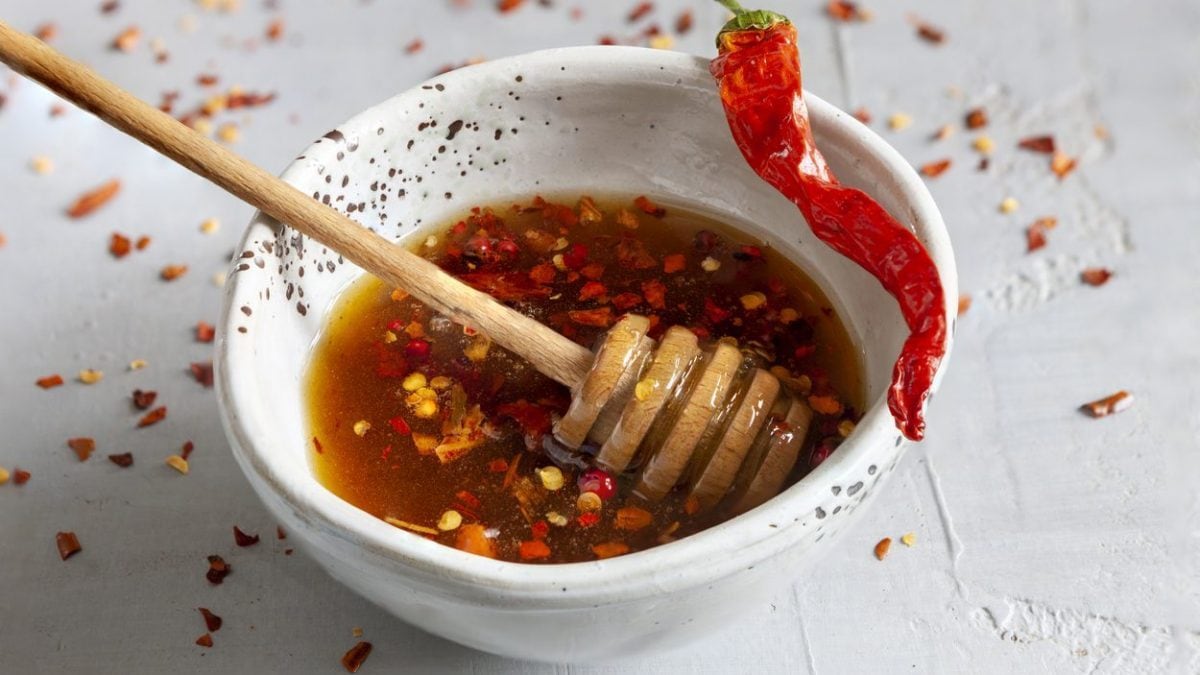
It’s also important to recognize that ‘spicy’ and ‘sweet’ aren’t monolithic. There are countless types of peppers, each with a different heat profile and flavor notes (smoky, fruity, grassy). Similarly, sweetness can come from honey, maple syrup, fruit, or sugar, each adding its own subtle character. The best swicy dishes play with these nuances for maximum impact. A dish might use the fruity heat of a habanero with the rich depth of molasses, or the sharp sting of Thai chili with the bright sweetness of pineapple. This layering of flavors is what elevates a dish from simply sweet-and-spicy to something truly memorable and complex. It’s about more than just two basic tastes; it’s about building a sophisticated flavor profile.
The Future is Swicy
So, is this just a fad? Honestly, I don’t think so. The fundamental reasons why sweet and spicy work together are deeply rooted in our biology and psychology. It’s a combination that offers complexity, excitement, and pure pleasure. From the brain’s reaction to the sensory experience, swicy hits all the right notes. As chefs and home cooks continue to explore new ways to combine these flavors, we’ll likely see even more iovative and delicious applications. Get ready, because sweet and spicy isn’t going anywhere. It’s a flavor profile that’s here to stay, constantly evolving and delighting our taste buds. It’s more than a trend; it’s a culinary revolution. This is just the begiing of the swicy sensation.
FAQs: Your Swicy Questions Answered
Why do sweet and spicy go together?
It’s a brilliant combination because the sweetness actually enhances the spicy flavor while simultaneously soothing the heat. Your brain gets a pleasure rush from the sweet, and the spice provides a thrilling sensation (a bit like controlled danger). This push-and-pull keeps things exciting and prevents the spice from becoming overwhelming, making the entire flavor experience more intense and satisfying. It’s a neurological party in your mouth!
What personality type likes spicy food?
People who enjoy spicy food often tend to be sensation-seekers. They generally have a higher opeess to new experiences and might be more inclined to take risks. They enjoy intense feelings and novel stimuli. It’s not a strict rule, but generally, those who crave excitement and aren’t afraid of a little (or a lot) of heat often share these bold personality traits.

Source : fiercemillennial.co
What is the psychology of people who eat spicy food?
Eating spicy food triggers a complex psychological response. The heat (capsaicin) activates pain receptors, which causes the brain to release endorphins – the body’s natural mood lifters and painkillers. This creates a feeling of euphoria, often called an ‘endorphin rush‘. For many, this sensation is addictive and pleasurable. It taps into our evolutionary wiring for survival, where certain intense sensations could signal danger, but in a controlled food context, it becomes a thrilling, rewarding experience. It’s about embracing controlled risks.
What are some popular swicy dishes?
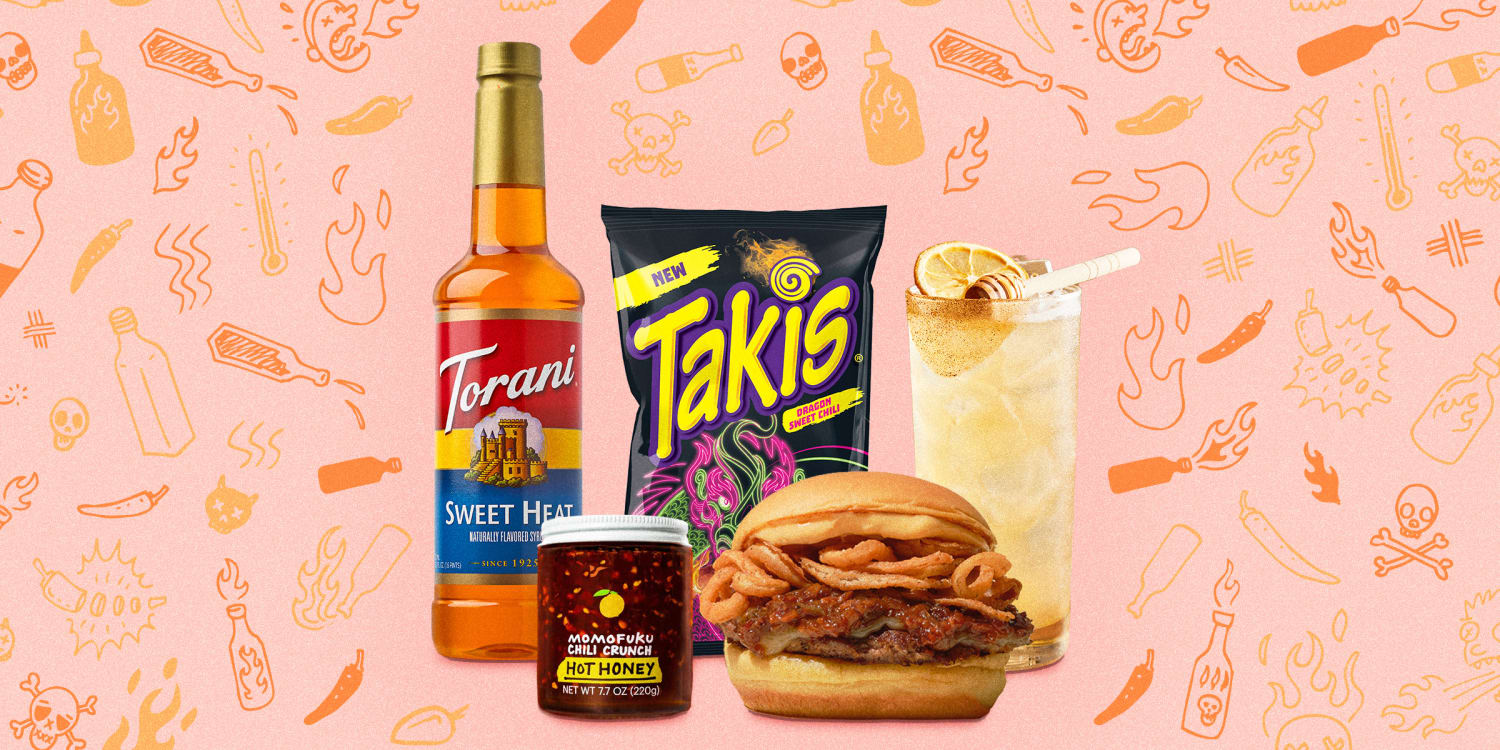
Oh, you’ll find swicy flavors everywhere now! Classic examples include hot honey drizzled on pizza or fried chicken, spicy mango salsa, sweet chili sauce (think Thai spring rolls), gochujang-based glazes on ribs or chicken wings, and even spicy margaritas with a touch of agave or fruit. Many BBQ sauces also hit that sweet and spicy note. Chefs are getting really creative, so expect to see it popping up in even more unexpected places like desserts and appetizers. It’s a truly versatile flavor.
Can eating spicy food be good for you?
Believe it or not, yes, spicy food can have some health benefits! The active compound in chili peppers, capsaicin, has been linked to a boosted metabolism and can even help with appetite control for some people. It also has anti-inflammatory properties and can act as a natural pain reliever due to those endorphin releases. Of course, moderation is key, and it’s not for everyone, especially if you have certain digestive issues. But for many, incorporating a bit of heat can be surprisingly beneficial for wellness.
Frequently Asked Questions
-
Why do sweet and spicy go together?
It’s a brilliant combination because the sweetness actually enhances the spicy flavor while simultaneously soothing the heat. Your brain gets a pleasure rush from the sweet, and the spice provides a thrilling sensation (a bit like controlled danger). This push-and-pull keeps things exciting and prevents the spice from becoming overwhelming, making the entire flavor experience more intense and satisfying. It’s a neurological party in your mouth!
-
What personality type likes spicy food?
People who enjoy spicy food often tend to be sensation-seekers. They generally have a higher opeess to new experiences and might be more inclined to take risks. They enjoy intense feelings and novel stimuli. It’s not a strict rule, but generally, those who crave excitement and aren’t afraid of a little (or a lot) of heat often share these bold personality traits.
-
What is the psychology of people who eat spicy food?
Eating spicy food triggers a complex psychological response. The heat (capsaicin) activates pain receptors, which causes the brain to release endorphins – the body’s natural mood lifters and painkillers. This creates a feeling of euphoria, often called an ‘endorphin rush‘. For many, this sensation is addictive and pleasurable. It taps into our evolutionary wiring for survival, where certain intense sensations could signal danger, but in a controlled food context, it becomes a thrilling, rewarding experience. It’s about embracing controlled risks.
-
What are some popular swicy dishes?
Oh, you’ll find swicy flavors everywhere now! Classic examples include hot honey drizzled on pizza or fried chicken, spicy mango salsa, sweet chili sauce (think Thai spring rolls), gochujang-based glazes on ribs or chicken wings, and even spicy margaritas with a touch of agave or fruit. Many BBQ sauces also hit that sweet and spicy note. Chefs are getting really creative, so expect to see it popping up in even more unexpected places like desserts and appetizers. It’s a truly versatile flavor.
-
Can eating spicy food be good for you?
Believe it or not, yes, spicy food can have some health benefits! The active compound in chili peppers, capsaicin, has been linked to a boosted metabolism and can even help with appetite control for some people. It also has anti-inflammatory properties and can act as a natural pain reliever due to those endorphin releases. Of course, moderation is key, and it’s not for everyone, especially if you have certain digestive issues. But for many, incorporating a bit of heat can be surprisingly beneficial for wellness.