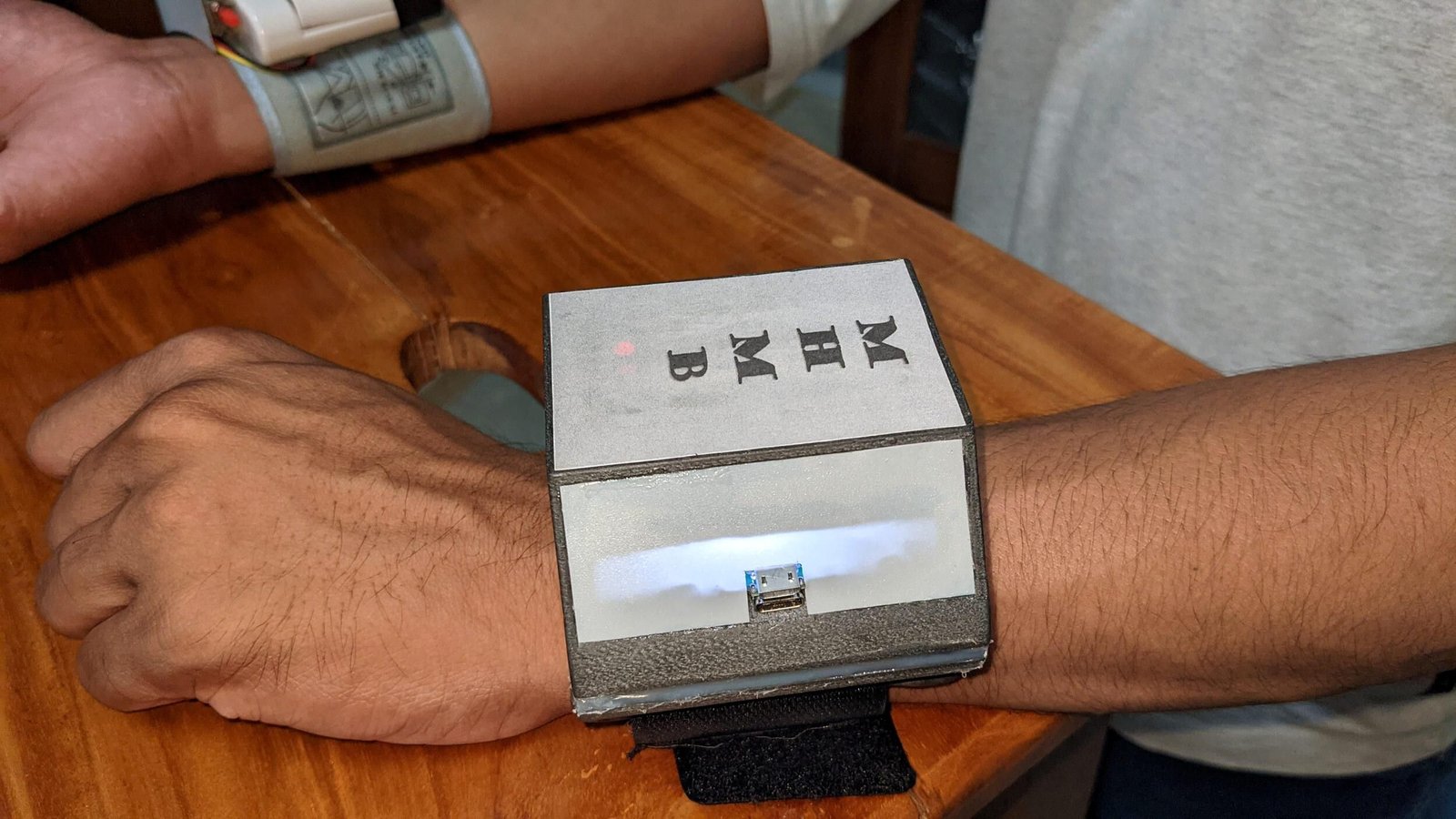
World Cancer Day: The Wearable Health Tech Monitoring Vital Signs in 2026
On World Cancer Day 2026, we stand at the precipice of a healthcare revolution, powered by wearable health tech. The traditional image of patient monitoring, confined to clinical settings, is rapidly dissolving. Today, and increasingly in the coming years, continuous, unobtrusive vital sign tracking is becoming a powerful ally in the fight against cancer, right from the comfort of your home. This isn’t just about fitness tracking anymore; it’s about sophisticated, medical-grade devices seamlessly integrating into daily life, offering unprecedented insights into your health status and potentially life-saving early detection.
As you explore the landscape of personal tech in 2026, you’ll find an array of smart devices engineered not just for convenience, but for crucial diagnostic and prognostic support. These next-generation wearables are set to transform patient care, offering a level of personalized monitoring that was once the realm of science fiction.
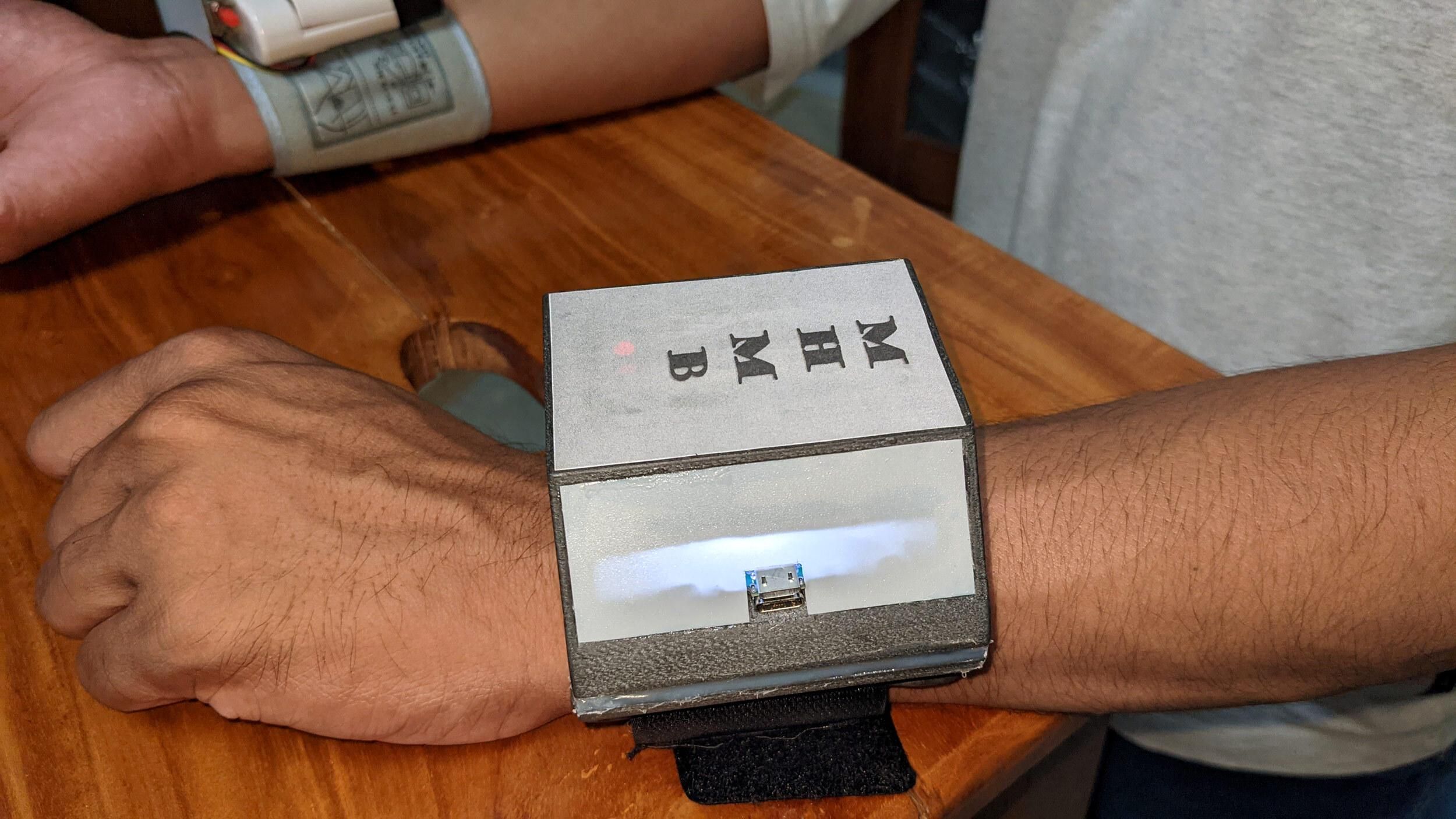
The Paradigm Shift: From Episodic to Continuous Care
For decades, healthcare relied on episodic data: snapshots taken during doctor’s visits or hospital stays. This limited view often meant vital changes in a patient’s condition could go unnoticed until symptoms became severe. For individuals battling cancer, or those at high risk, this delay can be critical.
Wearable health tech in 2026 flips this script. It provides an ‘always-on’ stream of physiological data, offering a dynamic, real-time understanding of an individual’s health trajectory. This continuous monitoring capability is not just convenient; it’s a fundamental shift towards proactive, preventative, and personalized medicine, especially impactful in oncology where subtle shifts in vital signs can signal significant developments.
Imagine a world where your body’s subtle signals, invisible to the naked eye, are constantly monitored and analyzed. This is the reality wearables are creating. They bridge the gap between doctor’s appointments, empowering both patients and clinicians with actionable data. From managing treatment side effects to detecting recurrence, the power of continuous data is undeniable.
Key Vital Signs & Their Profound Relevance in Cancer Care
The human body is a symphony of interconnected systems, and vital signs are its key notes. In the context of cancer, these notes can reveal crucial information about disease progression, treatment efficacy, and potential complications. Wearable tech in 2026 is becoming incredibly adept at capturing these signals with unprecedented accuracy.
Heart Rate & Heart Rate Variability (HRV): Early Warning Systems
Your heart rate (HR) and heart rate variability (HRV) are more than just indicators of physical exertion; they’re windows into your autonomic nervous system and overall physiological stress. For cancer patients, monitoring these can be critical:
- Cardiotoxicity: Many chemotherapy drugs can negatively impact cardiac function. Continuous HR and HRV monitoring from a smart device can alert clinicians to early signs of cardiotoxicity, allowing for timely intervention and dose adjustments. Think of a patient undergoing aggressive treatment; a sudden, sustained drop in HRV, often visually represented as a trend line on a dashboard, could be an early indicator requiring clinical review.
- Fatigue & Stress: Cancer and its treatments are incredibly taxing. HRV provides an objective measure of the body’s stress response and recovery capacity. A consistent decline in HRV might indicate escalating fatigue or psychological stress, prompting healthcare providers to offer support resources.
- Infection Detection: An elevated resting heart rate can be an early, subtle sign of infection or inflammation, common and dangerous complications for immunocompromised cancer patients.
Advanced wearables now feature incredibly sensitive photoplethysmography (PPG) sensors, often integrated with a 1mm or 3mm thickness, capable of providing clinical-grade data. These devices, whether rings, watches, or patches, offer robust algorithms to interpret complex cardiac patterns.
Body Temperature: The Subtle Storyteller
Fever is a classic sign of infection, but subtle, persistent temperature fluctuations can tell a deeper story for cancer patients.
- Immunocompromised Fever: For patients with weakened immune systems due to chemotherapy, a slight fever can quickly escalate into a life-threatening emergency. Continuous temperature monitoring by a wearable can provide an early alert, prompting immediate medical attention.
- Inflammation & Disease Activity: Localized temperature increases, particularly around tumor sites, can indicate inflammation or even disease progression. While still an emerging field, advanced thermal sensors in some tech are exploring this potential. Imagine a smart patch designed to track micro-environmental thermal changes with a `1px` precision.
- Circadian Rhythm Disruption: Cancer and its treatments can disrupt natural sleep-wake cycles, impacting core body temperature rhythms. Wearables help track these disruptions, allowing for interventions to improve patient comfort and recovery.
Oral thermometers are great for snapshots, but continuous skin temperature monitoring from a wrist or finger-worn device, often showing trends with data points, provides a far richer picture.
Blood Pressure Monitoring: The Silent Risk Factor
Hypertension is a significant comorbidity in cancer patients, often exacerbated by certain treatments or acting as an independent risk factor for cardiovascular events. Traditional cuff-based measurements are inconvenient and infrequent.
- Cardiovascular Health: Many cancer therapies, particularly some targeted therapies and immunotherapies, can induce or worsen hypertension. Continuous, cuffless blood pressure monitoring via a wrist or finger-worn device is becoming increasingly accurate in 2026, offering proactive management.
- Treatment Adjustment: Real-time BP data allows oncologists to make informed decisions about medication dosages or the need for antihypertensive interventions, minimizing treatment-related side effects. The user experience for reviewing this data is crucial, often presented on a smartphone app with optimal display on a `100vw` browser or a `768px` tablet, ensuring all details are clear.
- Early Warning for Complications: Sudden spikes or drops in BP can indicate serious underlying issues, from dehydration to cardiac events, crucial for fragile patients.
The integration of advanced optical sensors and AI-driven algorithms is making cuffless BP a reliable metric for daily health monitoring.
Oxygen Saturation (SpO2): Respiratory Insights
Oxygen saturation is a critical indicator of respiratory and cardiovascular function. For cancer patients, especially those with lung involvement or undergoing treatments affecting the lungs, continuous SpO2 monitoring is vital.
- Respiratory Distress: A decline in SpO2 can signal respiratory complications such as pneumonia, pulmonary embolism, or progression of lung metastases. Early detection via a wearable pulse oximeter (often integrated into smartwatches or rings) can prevent severe outcomes.
- Sleep Apnea: Often undiagnosed, sleep apnea can exacerbate fatigue and stress, both prevalent in cancer patients. Wearables that track SpO2 during sleep can identify apneic events, prompting further diagnosis and treatment.
- Treatment Side Effects: Some chemotherapies can cause pulmonary fibrosis. Monitoring SpO2 helps track lung function over time and detect early signs of such adverse effects.
The accuracy of wearable SpO2 sensors has seen significant advancements, making them reliable tools for both wellness and medical monitoring, with data presented in clear, graphical formats.
Respiratory Rate: The Unseen Rhythm
Often overlooked, respiratory rate (RR) is a powerful vital sign. Changes in RR can indicate early signs of infection, respiratory distress, or even heightened stress.
- Infection & Inflammation: An elevated resting RR can be an early indicator of developing infection or significant inflammation, particularly important for immunocompromised patients.
- Pain & Anxiety: Both pain and anxiety, common experiences for cancer patients, can manifest as changes in breathing patterns. Wearable monitoring can help track these patterns and provide objective data for symptom management.
- Treatment Response: For lung cancer patients, changes in RR might correlate with disease progression or response to therapy, offering another data point for clinicians.
Smart devices now use advanced accelerometers and gyroscopes, combined with sophisticated algorithms, to derive highly accurate respiratory rates, often visually depicted with trend lines on a daily summary.
Sleep Patterns: The Restorative Foundation
Sleep quality profoundly impacts physical and mental health, especially for cancer patients whose bodies are fighting a formidable battle. Cancer and its treatments (chemotherapy, radiation, pain medications) frequently disrupt sleep.
- Fatigue Management: Chronic fatigue is one of the most debilitating side effects of cancer and its treatment. By monitoring sleep stages (REM, deep, light), duration, and interruptions, wearables provide objective data to help patients and doctors identify patterns and implement strategies to improve restorative sleep.
- Mental Well-being: Poor sleep contributes to anxiety, depression, and reduced quality of life. Understanding sleep architecture can inform interventions for mental health support.
- Circadian Rhythm Alignment: Maintaining a healthy circadian rhythm is crucial for overall health and even potentially for treatment efficacy. Wearables help track alignment and identify disruptions.
The best sleep trackers combine multiple sensors (PPG for HR/HRV, accelerometer for movement) to provide a comprehensive picture of your nightly rest, often presenting the data with clear `solid` bars for different sleep stages.
Activity Levels & Gait Analysis: Functional Insights
Physical activity and mobility are often indicators of overall well-being and functional status. For cancer patients, maintaining activity can significantly improve quality of life and even prognosis.
- Fatigue & Energy Levels: Tracking daily step counts, active minutes, and intensity allows both patients and clinicians to gauge energy levels and tailor physical activity recommendations, helping to combat cancer-related fatigue.
- Functional Decline: A sudden or gradual decline in activity or changes in gait patterns can indicate worsening health, pain, or neurological complications. Advanced wearables, particularly those worn on the lower body or integrated into smart shoes, can perform sophisticated gait analysis.
- Fall Risk: For elderly cancer patients or those with neuropathy, fall prevention is crucial. Wearables with fall detection and gait analysis can identify individuals at higher risk and provide alerts.
From simple step trackers to sophisticated inertial measurement units (IMUs) in smart clothing, these devices provide invaluable insights into a patient’s functional status. The data is often presented with easily digestible charts, often optimized for different screen sizes, from `256mediaminwidth` on a phone to `100vw` on a desktop.
Electrocardiogram (ECG/EKG): Precise Cardiac Monitoring
While HR and HRV provide valuable insights, a single-lead or multi-lead ECG offers a more detailed look at the heart’s electrical activity.
- Atrial Fibrillation (AFib) Detection: AFib is a common arrhythmia that increases the risk of stroke. Some cancer treatments can also increase AFib risk. Wearables with ECG capabilities can detect AFib, prompting medical consultation.
- Cardiotoxicity Screening: For patients on cardiotoxic chemotherapies, regular ECGs from a wearable can provide ongoing surveillance, detecting subtle changes in cardiac electrical activity before they become critical.
- Palpitations & Arrhythmias: Patients experiencing palpitations can use wearable ECGs to capture an event, providing crucial diagnostic information to their doctors, replacing guesswork with concrete data, often viewable as a `solid` waveform on the app.
The FDA-cleared ECG capabilities in modern smartwatches have truly revolutionized personal cardiac monitoring, empowering users to take a more active role in their cardiovascular health.
Categories of Wearable Health Tech in 2026: A Deep Dive
The evolution of wearable tech has been exponential, leading to a diverse ecosystem of devices tailored for various needs. In 2026, the lines between consumer wellness and medical-grade diagnostics are blurring, offering powerful tools for cancer care.
Smartwatches & Fitness Trackers: The Ubiquitous Health Companions
Once primarily for step counting, smartwatches and advanced fitness trackers have evolved into sophisticated health hubs. By 2026, their capabilities are significantly enhanced:
- Multi-Sensor Integration: Beyond HR and SpO2, many now include continuous body temperature, improved sleep tracking with REM/deep sleep stages, and even preliminary blood pressure estimation using advanced optical sensors. The display often adapts, showing summary data with lightly outlined graphs, then detailed views for specific metrics.
- FDA-Cleared Medical Features: The best models boast FDA-cleared ECG, fall detection, and passive AFib detection, making them invaluable for cardiac monitoring in vulnerable populations, including cancer patients.
- AI-Driven Insights: On-device AI analyzes trends, identifies anomalies, and provides personalized health insights, like predicting an oncoming cold based on HRV and temperature shifts. They can even provide `deals` and offers for related `health` services.
- Robust Data Ecosystems: Seamless integration with electronic health records (EHRs) and telemedicine platforms, allowing for remote patient monitoring (RPM) and proactive interventions. Your data, accessible to your care team, displayed clearly on screens from `256mediaminwidth` up to `100vw`.
- Specific Cancer Applications: Monitoring activity levels to combat fatigue, tracking sleep for better restorative rest, and flagging cardiac events potentially related to cardiotoxic therapies.
The advancements in battery life and processing power mean these devices can operate for days, often weeks, on a single charge, continuously gathering data.
Smart Rings: Discreet, Powerful Monitors
Smart rings offer an unobtrusive alternative to watches, often preferred for their comfort, long battery life, and high accuracy for certain metrics like sleep and temperature, given their close contact with the arterial pulse in the finger.
- Superior Sleep Tracking: Due to continuous skin contact and stable positioning, rings often excel at tracking sleep stages, HRV, and subtle temperature shifts associated with sleep cycles. They can detect micro-arousals and even early signs of illness more effectively.
- Accurate HRV & Resting HR: The arterial placement allows for exceptionally accurate HRV readings, providing deep insights into recovery, stress, and autonomic nervous system balance. The app often presents a `solid` green line for healthy HRV, with `dotted` lines indicating stress periods.
- Body Temperature Precision: Many rings are excellent at tracking core body temperature trends, crucial for early detection of infections or monitoring inflammatory responses.
- Discreetness: For patients who prefer minimal disruption to their daily aesthetics or who find watches uncomfortable during sleep, smart rings are an ideal solution.
- Cancer Care Use: Especially useful for tracking circadian rhythms, sleep quality, and early signs of infection in immunocompromised patients, all without feeling like a medical device.
The best smart rings have robust, durable designs, with smooth finishes that are comfortable for continuous wear, often featuring sensors that are barely `1px` in height but incredibly powerful.
Smart Patches & E-Tattoos: The Invisible Revolution
These adhesive, skin-worn devices represent the pinnacle of unobtrusive, continuous monitoring. By 2026, their capabilities have expanded dramatically.
- Multi-Parameter Monitoring: A single patch can simultaneously track ECG, HR, RR, skin temperature, and even some biochemical markers like glucose or lactate (non-invasively). Some advanced designs feature miniature sensors just `1px` or `3px` thin, providing a sleek profile.
- Long-Term Data Collection: Designed for multi-day or multi-week wear, they provide uninterrupted data streams, ideal for remote patient monitoring post-chemotherapy or during radiation cycles.
- Targeted Biosensors: Beyond vital signs, patches are incorporating biosensors for specific biomarkers relevant to cancer, such as inflammation markers or early detection of chemotherapy-induced side effects directly from interstitial fluid.
- Drug Delivery Integration: Some advanced prototypes are exploring combined monitoring and localized drug delivery, creating truly smart therapeutic patches.
- Comfort & Discretion: Thin, flexible, and often nearly invisible, they minimize patient burden, crucial for those already dealing with intense treatments.
The data from these patches is wirelessly transmitted to a smartphone or cloud platform, providing comprehensive insights into a patient’s physiological state, often displayed in real-time graphs with `solid` lines for active monitoring and `dotted` lines for historical trends.
Smart Clothing & Textiles: Seamless Integration
Imagine your everyday clothing becoming a health monitor. Smart textiles in 2026 embed sensors directly into fabrics, offering unparalleled comfort and long-term, passive monitoring.
- Pervasive Monitoring: Garments like smart shirts, bras, or socks can continuously track ECG, RR, HR, temperature, and even posture or movement patterns without requiring an extra device.
- High Comfort & Compliance: Patients are more likely to wear clothing than a specific medical device, leading to higher compliance rates for long-term data collection.
- Full-Body Data: Unlike wrist-worn devices, smart clothing can capture data from multiple points across the body, offering a more holistic physiological picture. For instance, a smart shirt might have embedded electrodes providing a more comprehensive ECG than a single-lead smartwatch.
- Specific Applications: For cancer patients, smart sleepwear can monitor sleep architecture and breathing patterns. Smart athletic wear can track physiological responses during therapeutic exercise programs, optimizing recovery and combating fatigue.
The challenge of washing and maintaining these garments while preserving sensor integrity is being overcome with robust, flexible electronic components. The data is often presented on a companion app, with dashboards optimized for screen sizes from `256mediaminwidth` to `100vw`.
AR/VR-Enhanced Devices: Beyond Monitoring to Therapeutic Applications
While not direct vital sign monitors, Augmented Reality (AR) and Virtual Reality (VR) are converging with wearable tech to enhance patient experience, pain management, and even data visualization.
- Immersive Pain Management: VR can distract patients from pain during chemotherapy infusions or post-operative recovery, reducing reliance on pharmaceuticals.
- Physical Rehabilitation: AR overlays can guide patients through therapeutic exercises, providing real-time feedback and gamification to improve adherence and outcomes.
- Data Visualization: Imagine viewing your aggregated vital sign data from all your wearables in an immersive 3D environment, making trends and anomalies easier to spot for both you and your clinician. This could be particularly useful for analyzing complex data from multiple sources, where a conventional chart might use a `dotted` line for a forecast and a `solid` line for actual readings.
- Telemedicine & Remote Consultation: AR/VR allows for more immersive telemedicine experiences, where clinicians can virtually ‘be’ with the patient, observe subtle cues, and review data as if in the same room.
These technologies aim to improve quality of life and adherence to treatment, making the overall cancer journey more manageable.
Implantable & Ingestible Sensors: The Deep Dive into the Body
While strictly not ‘wearable’ on the external body, the advancements in implantable and ingestible sensors are crucial to mention as they often integrate with external wearables to provide a holistic view.
- Continuous Glucose Monitoring (CGM): For cancer patients with diabetes or those whose treatments affect glucose metabolism, implantable CGMs provide real-time blood glucose levels, preventing dangerous fluctuations.
- Tumor Micro-environment Monitoring: Emerging research in 2026 focuses on micro-implants that can monitor specific biomarkers within the tumor itself, tracking treatment response or disease recurrence at a cellular level. This data would then be transmitted wirelessly to an external receiver, often a smartpatch or ring.
- Temperature & pH Monitoring: Ingestible capsules can monitor core body temperature, pH levels, and even detect bleeding in the gastrointestinal tract, providing invaluable diagnostic information.
The combination of internal and external monitoring offers an unprecedented depth of physiological data, painted onto a dashboard that seamlessly integrates data, ensuring clear presentation within a `tbody` of information.
Breakthrough Technologies at CES 2026: Redefining Health Monitoring
CES 2026 showcased not just incremental improvements, but genuine leaps in medical and wellness technology. The devices I saw went far beyond mere gadgets, demonstrating significant advancements in core capabilities, often making other `tech` seem rudimentary. Many of these innovations are directly applicable to cancer patient monitoring.
AI & Machine Learning Integration: The Predictive Powerhouse
This is arguably the most transformative tech trend. By 2026, AI is no longer just a buzzword; it’s deeply embedded in wearable algorithms:
- Predictive Analytics: AI analyzes vast datasets from your wearables, identifying subtle patterns indicative of impending health issues – predicting a flare-up of lymphedema, an opportunistic infection, or even a treatment-related adverse event before symptoms become overt. For example, a shift in HRV, sleep patterns, and temperature could trigger an alert that a patient’s immune system is under strain, represented by a forecasted decline in their wellness score.
- Personalized Alerts & Recommendations: No more generic step goals. AI tailors recommendations based on your individual physiological response, treatment stage, and recovery needs. This could mean suggesting specific activity levels or recommending rest periods.
- Anomaly Detection for Cancer Progression: For cancer patients, AI can sift through continuous vital sign data to detect minute deviations that might signal disease recurrence or progression, providing an invaluable early warning system that far surpasses human observational capacity.
- Diagnostic Support: AI can assist clinicians by pre-analyzing complex data, highlighting critical trends or potential diagnoses, allowing for faster and more accurate decision-making. The user interface for such powerful AI models must be highly responsive, adapting smoothly from a `256mediaminwidth` mobile display to a `100vw` clinical dashboard.
The best AI models are trained on massive, diverse datasets, ensuring their insights are both accurate and clinically relevant.
Advanced Sensor Miniaturization: Invisible Power
The ability to shrink powerful sensors to micro-dimensions has opened up new possibilities for wearable design and function:
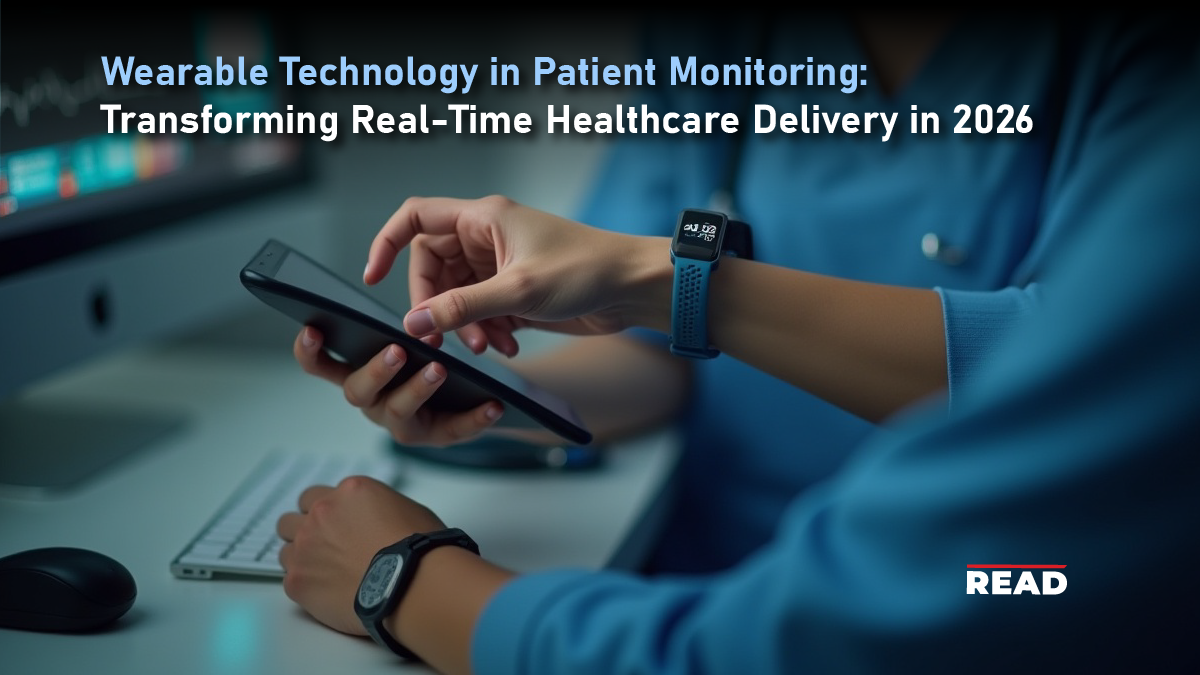
- Unobtrusive Devices: Imagine patches with sensors that are literally `1px` or `3px` in thickness, making them almost imperceptible. This improves patient comfort and compliance significantly.
- Multi-Sensor Integration in Small Form Factors: Miniaturization allows for the integration of multiple sensor types (ECG, PPG, temperature, accelerometers) into tiny devices like smart rings or e-tattoos, providing comprehensive data from a single point of contact.
- Enhanced Accuracy: Smaller sensors can often be placed in more optimal locations for data capture, leading to improved signal quality and accuracy.
- Novel Sensor Materials: Breakthroughs in flexible electronics and biocompatible materials mean sensors can conform perfectly to the skin, providing a `solid` connection and reducing motion artifact.
This relentless pursuit of smaller, more powerful sensors is a key driver behind the seamless integration of medical monitoring into everyday life.
Energy Harvesting & Battery Life: The Power Challenge Solved
One of the long-standing challenges of wearables has been battery life. By 2026, significant strides have been made:
- Extended Battery Life: Many medical-grade wearables now last weeks, even months, on a single charge, significantly reducing user burden and ensuring continuous data flow.
- Energy Harvesting: Devices are incorporating ambient energy harvesting technologies – converting body heat, movement, or ambient light into electricity – to extend battery life or even enable battery-free operation. This is especially promising for discreet patches that don’t need user intervention.
- Rapid Charging & Wireless Power: When charging is required, it’s often lightning-fast and completely wireless, fitting seamlessly into a patient’s routine at `home`.
Reliable power ensures reliable data, which is paramount in critical health monitoring. The power indicator often features a clear bar, not a simple `dotted` outline.
Data Security & Privacy: The Fortification of Health Information
With an explosion of personal health data, security and privacy are paramount. By 2026, robust frameworks are in place:
- End-to-End Encryption: All data transmitted from devices to cloud platforms and back is encrypted with state-of-the-art protocols, protecting sensitive medical information.
- Blockchain for Health Data: Distributed ledger technology (blockchain) is being explored and implemented to create immutable, secure, and transparent records of health data, giving patients greater control over who accesses their information.
- HIPAA Compliance & Beyond: Medical-grade wearables and their associated platforms are rigorously compliant with HIPAA and other stringent global data protection regulations, ensuring trust and legal protection.
- Patient Consent & Control: Patients have granular control over their data, deciding what information is shared with whom, for how long, and for what purpose.
Building trust through transparent and impenetrable data security is fundamental to the widespread adoption of medical wearables.
Telemedicine & Remote Patient Monitoring (RPM) Platforms: The Connected Care Ecosystem
Wearables are the backbone of a rapidly expanding telemedicine and RPM ecosystem. By 2026, these platforms are highly sophisticated:
- Seamless Data Flow: Data from your smart device flows effortlessly into your doctor’s dashboard, integrated directly with your EHR. This allows for continuous oversight without constant clinic visits.
- AI-Driven Alerting: Clinicians receive intelligent, prioritized alerts based on AI analysis of patient data, flagging deviations that require immediate attention while filtering out benign fluctuations.
- Virtual Consultations: Enhanced virtual consultation tools integrate live vital sign feeds, allowing doctors to assess patients more comprehensively remotely.
- Personalized Care Plans: RPM platforms enable dynamic adjustment of care plans based on real-time physiological responses, optimizing drug dosages, activity recommendations, and symptom management. They can also offer personalized `deals` for remote `health` services.
This connected care ecosystem empowers patients to receive high-quality care from their home, reducing the burden of travel and enhancing quality of life, particularly for cancer patients undergoing long treatment protocols.
The “Best” Wearable Tech for Cancer Patients in 2026: Informed Choices
Defining the “best” wearable tech for cancer patients in 2026 isn’t a one-size-fits-all answer. It depends heavily on individual needs, the type of cancer, treatment stage, and specific monitoring requirements. However, certain criteria and exemplary (hypothetical, but plausible) devices stand out.
Considerations for Selection: Beyond the Marketing Hype
When choosing a wearable, especially for medical purposes, you need to look beyond flashy features:
- Accuracy & Validation: Is the device clinically validated? Does it have FDA clearance (or equivalent regulatory approval) for the specific vital signs it claims to measure? Don’t settle for anecdotal evidence; demand robust data. Look for devices that provide consistently `solid` readings.
- Ease of Use & Comfort: For daily, continuous wear, the device must be comfortable and intuitive. Complex interfaces or uncomfortable designs lead to low compliance.
- Battery Life: Frequent charging can be a major deterrent. Look for devices that offer extended battery life, ideally several days or weeks.
- Data Integration & Ecosystem: How easily does the data integrate with your existing health apps, your doctor’s EHR, or telemedicine platforms? A closed ecosystem limits utility.
- Durability & Water Resistance: Life happens. The device should be robust enough to withstand daily activities, including showers or accidental splashes.
- Patient-Specific Needs: A patient experiencing severe nausea might prefer a patch over a wrist-worn device. A patient with neuropathy might prefer a ring. Personalization is key.
- Cost & Insurance Coverage: Medical-grade wearables can be an investment. Explore whether your insurance covers them, especially if prescribed by a physician. Look for potential `deals` through your `health` provider.
Deep Dive into Specific Products/Prototypes: Leading the Charge in 2026
Here, we envision some of the best-in-class wearables that exemplify the advancements in 2026, designed with cancer patients in mind.
The “Onco-Sense Pro” Smart Patch: The Comprehensive, Invisible Guardian
The Onco-Sense Pro is a next-generation adhesive patch, roughly the size of a large bandage, designed for multi-day wear (up to 14 days). Its ultra-thin profile (less than `1px` thick at its sensor points) and flexible material make it virtually unnoticeable.
- Vital Signs Monitored: Continuous ECG, heart rate, HRV, respiratory rate, skin temperature, and even non-invasive blood pressure estimation using advanced bio-impedance sensors. Data trends are often shown with a light, unobtrusive line for clarity.
- Cancer-Specific Insights: Integrated micro-fluidic channels sample interstitial fluid to monitor key inflammation markers (e.g., CRP) and detect early shifts in metabolic markers, providing an unprecedented layer of data for chemotherapy response monitoring or early detection of recurrence.
- AI-Driven Risk Assessment: On-board AI analyzes the combined vital sign and biomarker data to generate a real-time risk score for complications like neutropenic fever, cardiotoxicity, or severe fatigue, alerting both patient and care team. The visualization adapts to screen size, displaying clearly on `768px` tablets or `256mediaminwidth` phones.
- Seamless Integration: Data automatically uploads to a cloud platform, accessible via a secure app for the patient and a clinical dashboard for oncologists. The dashboard is designed with a `solid`, intuitive interface.
- Battery: Energy harvesting from body heat supplements a tiny, long-life battery, ensuring continuous operation for the full 14-day cycle.
Ideal for: Patients undergoing intensive chemotherapy, those with high risk of cardiotoxicity, or individuals requiring meticulous remote monitoring.
The “Vitality Ring 2026”: Discreet Precision
A sleek, lightweight smart ring that offers remarkable accuracy from the finger, known for its `solid` construction and comfortable fit.
- Vital Signs Monitored: Industry-leading accuracy for heart rate, HRV, and skin temperature, particularly during sleep. Also tracks sleep stages, blood oxygen saturation (SpO2), and activity levels.
- Cancer-Specific Insights: Its superior sleep tracking helps combat cancer-related fatigue and monitor the impact of treatments on circadian rhythm. Precise temperature monitoring provides early warnings for infection in immunocompromised states. HRV analysis offers insights into physiological stress and recovery, crucial for managing the mental and physical toll of cancer.
- Intuitive App: The companion app presents data with clear, actionable insights, often using defined sections for daily summaries and historical trend lines.
- Battery: Up to 7-day battery life, with rapid wireless charging.
- Design: Minimalist, available in various finishes, making it a stylish accessory rather than an obvious medical device. Its internal sensors are designed to be extremely compact, often less than `3px` in diameter.
Ideal for: Patients prioritizing discretion, continuous sleep and recovery monitoring, and early infection detection, especially those who find wrist devices cumbersome.
The “Thera-Shirt X”: Therapeutic Textile Monitor
This smart shirt integrates advanced sensors directly into the fabric, providing passive, comfortable monitoring.
- Vital Signs Monitored: Continuous 3-lead ECG, highly accurate respiratory rate, core body temperature, and activity levels including posture analysis.
- Cancer-Specific Insights: Ideal for long-term cardiac surveillance for cardiotoxicity. Respiratory rate monitoring is enhanced by direct chest contact, offering superior accuracy for patients with lung conditions. Posture analysis can help combat pain-related postural changes or muscle wasting.
- Localized Therapeutic Elements: Beyond monitoring, the Thera-Shirt X features micro-vibrational panels for targeted pain relief or circulation stimulation in areas prone to lymphedema, making it a dual-purpose device.
- Comfort & Compliance: Worn as an everyday undershirt, it ensures high compliance. Designed to withstand regular washing while maintaining full functionality.
- Data Presentation: Comprehensive data is sent to a smartphone app, with a dashboard that adapts perfectly across device widths, from `256mediaminwidth` to `100vw`.
Ideal for: Patients requiring extensive cardiac and respiratory monitoring, those struggling with chronic pain or lymphedema, and individuals who prefer passive monitoring over separate devices.
The “Guardian Watch 2026”: The All-Rounder with Medical Clarity
Building on the success of previous generations, the Guardian Watch 2026 is the best comprehensive smartwatch for overall health, now with advanced medical-grade certifications.
- Vital Signs Monitored: ECG (multi-lead capable via an optional chest strap), continuous blood pressure (FDA-cleared cuffless method), SpO2, HR, HRV, skin temperature, advanced sleep tracking, fall detection, and non-invasive blood glucose estimation (new for 2026).
- Cancer-Specific Insights: Its comprehensive vital sign suite makes it a powerhouse for monitoring all major cardiotoxic, respiratory, and metabolic side effects. Fall detection is crucial for patients with treatment-induced neuropathy or weakness. Non-invasive glucose monitoring is a game-changer for managing treatment-induced diabetes.
- Emergency Features: Automated fall detection with emergency contact notification, and an SOS feature for immediate help.
- Integration: Deep integration with major EHR systems and telemedicine platforms, making it a central hub for RPM. The app’s table views for trend data are always presented in a `tbody` for easy scanning, bordered with a `1px solid black` outline.
- User Interface: High-resolution always-on display, with a highly customizable interface that prioritizes critical health metrics.
Ideal for: Patients seeking the most comprehensive, medically certified, and user-friendly monitoring solution, particularly those with multiple comorbidities or at high risk of varied side effects.
The following table provides a concise comparison of these illustrative devices:
| Device Type | Key Vital Signs Monitored | Primary Cancer Care Application | Key Differentiator | Form Factor / Comfort |
|---|---|---|---|---|
| Onco-Sense Pro Smart Patch | ECG, HR, HRV, RR, Skin Temp, BP (est.), Biomarkers | Chemo monitoring, infection risk, recurrence detection | Biomarker analysis, AI-driven risk scores, ultra-thin (`1px`) | Adhesive, disposable, highly discreet |
| Vitality Ring 2026 | HR, HRV, Sleep Stages, Skin Temp, SpO2 | Fatigue management, sleep quality, early infection | Superior sleep/HRV accuracy, discreet (`3px` sensor) | Finger-worn, elegant, comfortable for sleep |
| Thera-Shirt X | 3-lead ECG, RR, Core Temp, Activity, Posture | Cardiac surveillance, lung function, pain/lymphedema management | Integrated therapeutics, full-body data, passive monitoring | Textile, worn as clothing, highly comfortable |
| Guardian Watch 2026 | ECG, BP (cuffless), SpO2, HR, HRV, Temp, Sleep, Glucose (est.), Fall Det. | Comprehensive medical surveillance, acute event detection | FDA-cleared, non-invasive glucose, emergency features, `best` all-rounder | Wrist-worn, familiar, high-resolution display (e.g. `768px` wide viewing) |
Challenges and Ethical Considerations: Navigating the New Frontier
While the promise of wearable health tech is immense, its widespread adoption in cancer care is not without hurdles. As we explore this new frontier, it’s vital to address the challenges head-on.
Data Overload and Clinical Actionability
Wearables generate enormous amounts of data. The challenge isn’t just collection, but interpretation. Clinicians are already overwhelmed; simply dumping raw data on them is counterproductive. The solution lies in advanced AI and machine learning that can filter, prioritize, and present actionable insights. The interfaces must be intuitive, displaying critical information in easily digestible formats, adapting from a detailed `100vw` dashboard to a quick `256mediaminwidth` alert on a physician’s `smart`phone.
The Digital Divide: Ensuring Equitable Access
Not everyone has access to smartphones, reliable internet, or the financial means to purchase premium wearables. This creates a digital divide, potentially exacerbating health disparities. Initiatives for subsidized devices, accessible connectivity, and user education are crucial to ensure these life-saving technologies benefit all, not just the privileged few. Governments and health organizations must work together to ensure equitable `deals` and availability.
Regulatory Hurdles: Balancing Innovation and Safety
The rapid pace of innovation often outstrips regulatory frameworks. Medical-grade wearables require rigorous testing and FDA (or equivalent) clearance, which can be a lengthy and expensive process. Striking the right balance between encouraging innovation and ensuring patient safety and data accuracy is an ongoing challenge. Consumers need to look for devices with a `solid` regulatory approval status, not just marketing claims.
False Positives/Negatives: The Alarm Fatigue
Over-reliance on unvalidated data can lead to false positives, causing unnecessary anxiety for patients and overwhelming clinicians with false alarms. Conversely, false negatives can provide a dangerous sense of security. The accuracy of sensors and the sophistication of algorithms must continuously improve to minimize these occurrences. The interpretation of data trends, often shown with a forecasted decline versus a confirmed drop, requires careful design.
Mental Health Impact of Continuous Monitoring
While empowering, constant access to one’s vital signs can also induce health anxiety, especially for cancer patients already under immense psychological stress. It’s crucial to empower patients with tools to manage their data, set boundaries, and understand that minor fluctuations are normal. The goal is empowerment, not obsession.
Future Outlook: Beyond 2026 – The Next Wave of Innovation
The trajectory of wearable health tech beyond 2026 promises even more profound transformations, taking us deeper into personalized and preventative care.
Integration with Digital Twins
Imagine a personalized digital replica of your body, a ‘digital twin,’ fed by real-time data from all your wearables, medical records, and genetic information. This twin could simulate the effects of different treatments, predict disease progression, and test preventative strategies, offering hyper-personalized medicine. Your digital twin’s `health` dashboard would be a `100vw` immersive experience, showing `solid` data points and `dotted` future predictions.
Personalized Preventative Medicine
Moving beyond early detection, future wearables, coupled with AI, will be able to predict your individual risk for various cancers and other diseases long before symptoms appear. This will enable truly personalized preventative interventions, from dietary recommendations to targeted screenings. The ability to `explore` your genetic predispositions combined with real-time physiological data will redefine `health` management.
Pervasive Health Monitoring in Home Environments
Future home environments will integrate ambient sensors – radar, thermal imaging, sound analysis – seamlessly monitoring vital signs, gait, and activity without requiring direct contact. These ‘invisible’ sensors, combined with personal wearables, will create an intelligent home that actively supports health and well-being, particularly for elderly or vulnerable cancer patients. Imagine `smart` mirrors that detect subtle skin changes, or floor sensors that analyze changes in walking gait. The `tech` will fade into the background, providing `solid`, reliable data.
Therapeutic Wearables: Beyond Monitoring
The convergence of monitoring and therapy will accelerate. Wearables won’t just track; they’ll intervene. This could include personalized drug delivery systems triggered by real-time biomarker fluctuations, biofeedback devices for stress reduction, or neurostimulation patches for pain management. The Thera-Shirt X is just the beginning.
How Wearables Empower World Cancer Day’s Mission
World Cancer Day’s mission is to raise awareness, improve education, and catalyze personal, collective, and government action to close the care gap. Wearable health tech in 2026 is a powerful enabler of this mission:
- Early Detection: By continuously monitoring vital signs and subtle biomarkers, wearables dramatically improve the chances of early cancer detection or rapid identification of treatment complications, when interventions are most effective.
- Improved Quality of Life: Through proactive symptom management, personalized exercise recommendations, and superior sleep tracking, wearables empower cancer patients to maintain a better quality of life throughout their arduous journey. They turn a potentially isolating journey into a connected, supported one from the comfort of their `home`.
- Enhanced Treatment Adherence: By providing objective data on physiological response and offering gentle reminders, wearables can improve adherence to medication schedules and therapeutic regimens.
- Data for Research & Innovation: The anonymized, aggregated data from millions of users fuels research into cancer causes, treatments, and prevention, leading to faster breakthroughs. This data, often presented in large `tbody` tables for analysis, is foundational.
- Empowerment & Advocacy: Armed with their own data, patients become more informed advocates for their health, engaging more effectively with their care teams. They can `explore` their own data trends, often seeing projections of their `health` improving or declining.
As we observe World Cancer Day in 2026, let us recognize wearable tech not just as a convenience, but as a critical tool, a constant companion providing a solid foundation of data and insights, driving us closer to a future where cancer is less feared and more effectively managed.
Frequently Asked Questions
What are the health tech trends in 2026?
In 2026, key health tech trends include advanced AI and machine learning for predictive analytics, hyper-miniaturization of sensors (e.g., 1px thin), significant improvements in battery life through energy harvesting, enhanced data security with blockchain, and sophisticated remote patient monitoring platforms integrated with telemedicine. Wearables are moving beyond fitness to provide medical-grade diagnostics and therapeutic applications, enabling truly personalized and proactive care.
What is the new health technology in 2025?
Building on advancements seen in 2025, 2026 will see health technology integrating more seamlessly into daily life. Expect widespread adoption of FDA-cleared wearables offering continuous vital sign monitoring (like cuffless blood pressure and non-invasive glucose estimation), smart patches monitoring not just vitals but also biochemical markers, and AI-powered platforms providing actionable insights for disease management and prevention, particularly crucial in oncology. The focus is on making monitoring invisible and predictive.
Is wearable tech safe for your health?
Generally, wearable tech is safe for your health. Medical-grade wearables undergo rigorous testing and often obtain regulatory approvals like FDA clearance, ensuring their accuracy and safety. Non-medical wellness trackers are also typically safe, emitting very low levels of electromagnetic radiation, well within international safety limits. Key considerations for safety include data privacy and the potential for ‘health anxiety’ from continuous monitoring, which reputable manufacturers address through robust security measures and user education.
How can wearable tech specifically aid cancer patients?
Wearable tech significantly aids cancer patients by providing continuous vital sign monitoring (heart rate, temperature, SpO2, blood pressure), which can detect early signs of infection, cardiotoxicity, or other treatment complications. They help manage cancer-related fatigue through sleep and activity tracking, offer discreet monitoring for comfort, and integrate with telemedicine platforms for remote care. Advanced wearables in 2026 also monitor specific biomarkers, offering predictive insights into treatment response or recurrence.
What vital signs can be accurately monitored by wearables?
In 2026, wearables can accurately monitor a comprehensive range of vital signs, including heart rate (HR) and heart rate variability (HRV), blood oxygen saturation (SpO2), skin temperature (often indicating core body temperature trends), respiratory rate (RR), and increasingly, cuffless blood pressure. Advanced smartwatches offer single-lead ECGs for cardiac rhythm analysis, and research is progressing rapidly on non-invasive blood glucose estimation. Sleep patterns and activity levels are also meticulously tracked for holistic health insights.
Are there any privacy concerns with wearable health devices?
Yes, privacy is a significant concern with wearable health devices due to the sensitive nature of the data collected. In 2026, leading manufacturers and platforms prioritize end-to-end encryption, strict HIPAA compliance, and blockchain technology to secure data. Patients typically have granular control over their data, deciding what information is shared and with whom. However, it’s crucial for users to choose reputable brands and understand their privacy policies to mitigate risks associated with data breaches or unauthorized access.