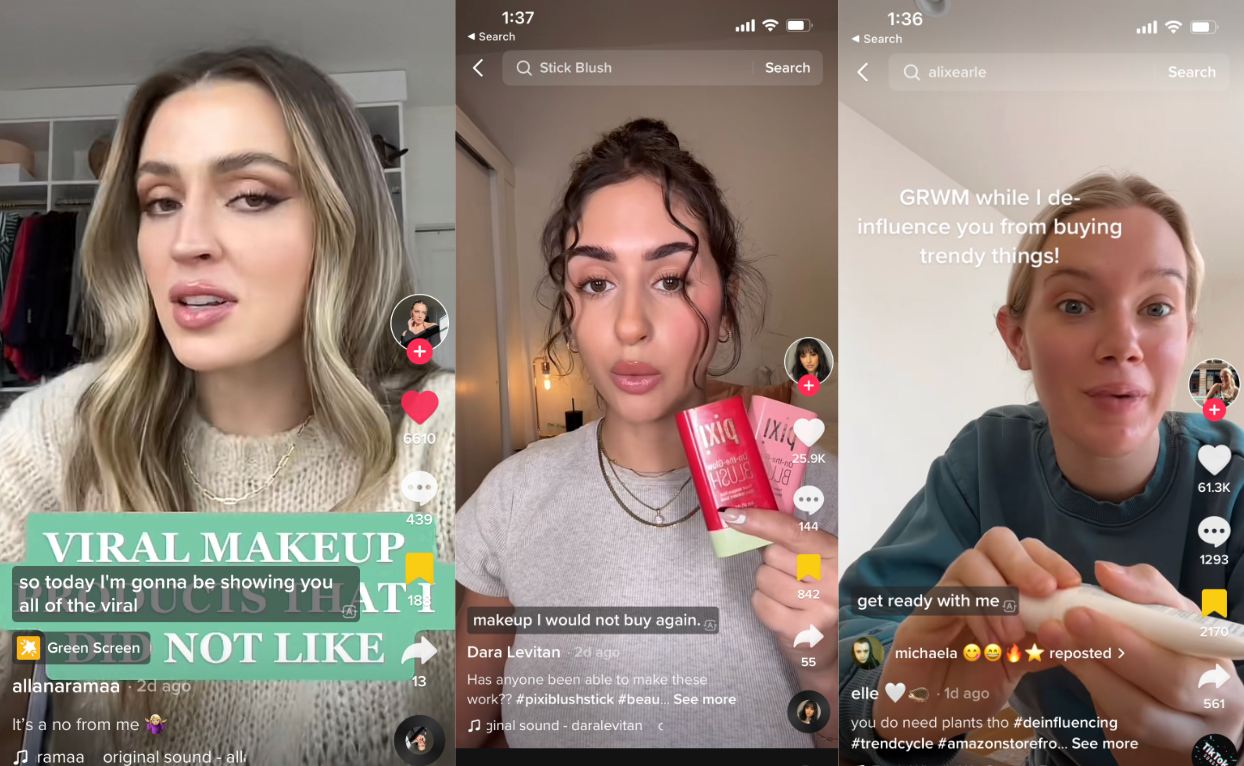
The Big Shift: Ditching the Hype for Real Talk
Remember when influencers were basically walking billboards? Yeah, me too. That whole era feels like a distant memory now, doesn’t it? We’re talking about a seismic shift, folks. It’s called deinfluencing, and it’s all about ditching the endless product pushing for something way more real: honesty. This isn’t just another fleeting internet fad; it’s a fundamental change in how we look at recommendations and what we actually trust online.
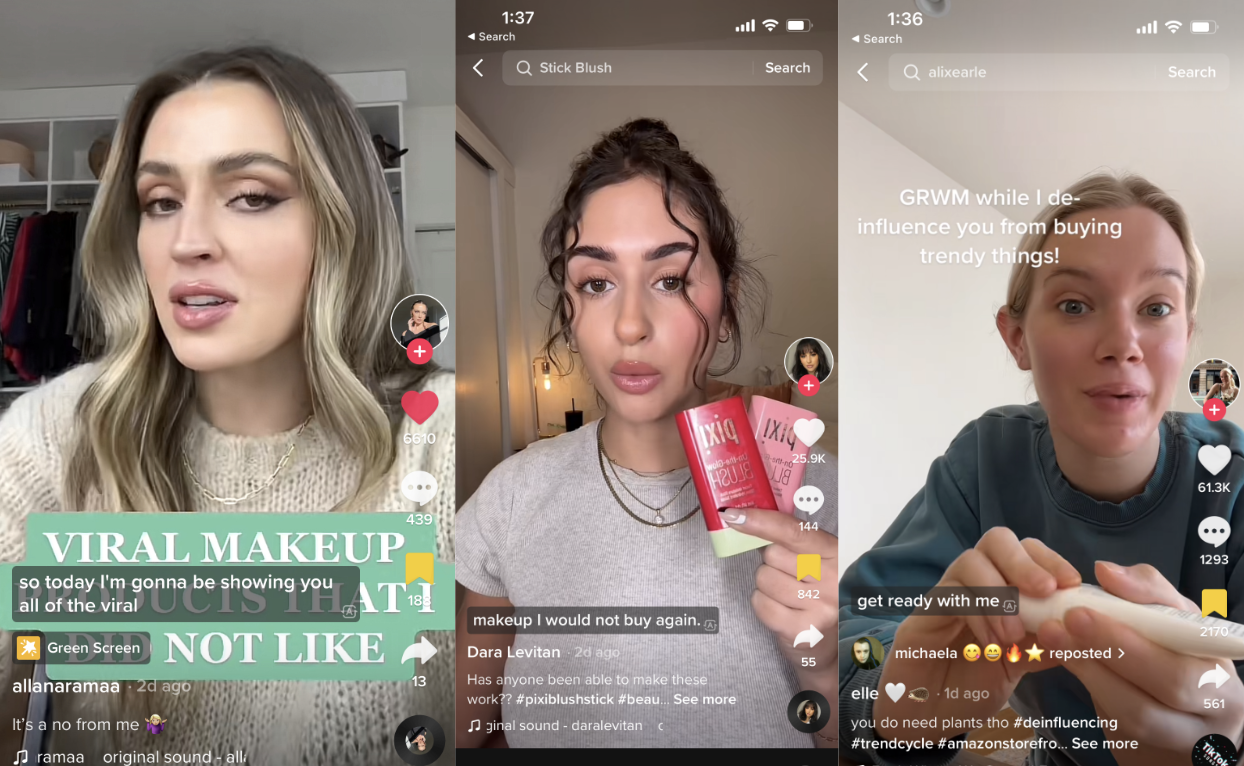
Source : glossy.co
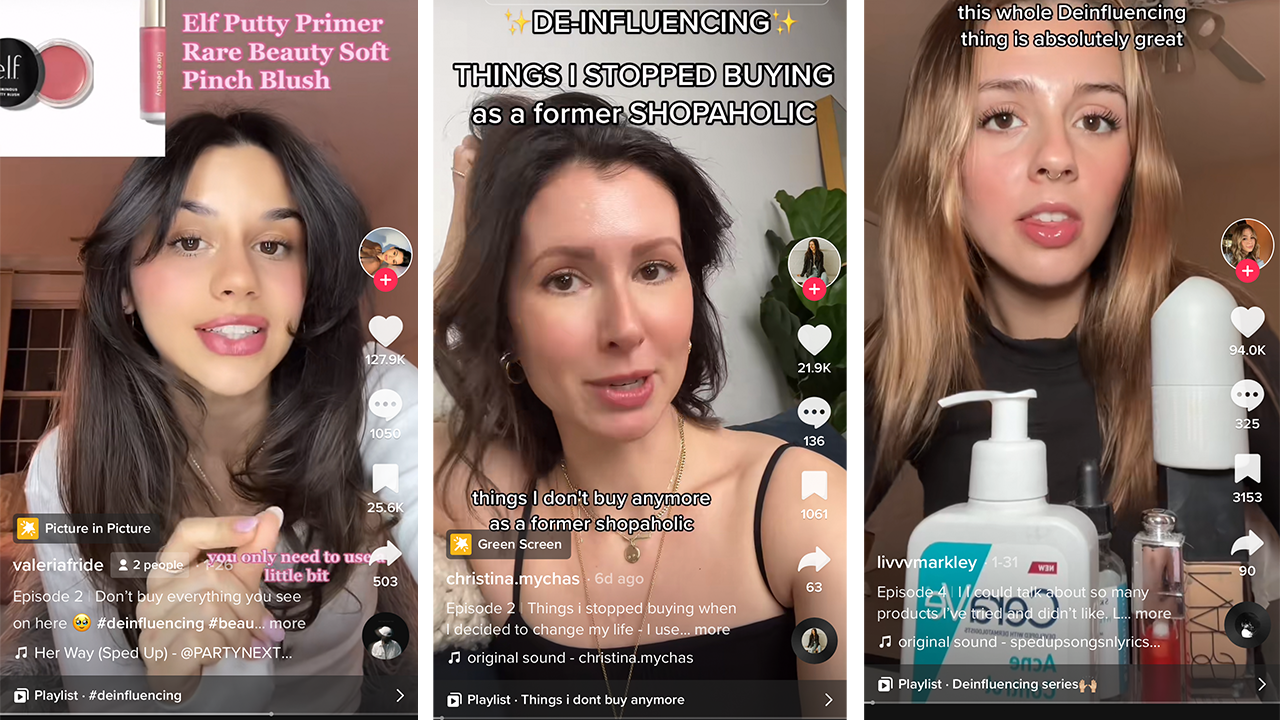
Think about it. Scroll through TikTok or Instagram, and you’ll see it everywhere. People aren’t just showing off their latest hauls anymore. They’re telling you what not to buy. Why? Because we’re all tired of being sold stuff we don’t need, stuff that doesn’t work, stuff that just ends up gathering dust. This whole deinfluencing trend is basically a collective eye-roll at the influencer marketing machine that’s been ruing unchecked for years.
Brands are scrambling, trying to figure out what hit ’em. Their old playbook? Totally useless now. The days of paying top dollar for someone to gush about a product, regardless of its actual merit, are over. Consumers are savvier. We’ve seen the filters, heard the scripted praise. We want the unfiltered truth. We want to know if that $50 serum is worth it, or if it’s just another fancy moisturizer in disguise. This is the new reality, and it’s a huge shake-up for marketers.
Why This De-influencing Thing is Actually Happening

Source : foxbusiness.com
So, what’s fueling this whole movement? A few things, really. First off, there’s just plain exhaustion. We’re bombarded with ads 24/7. Every scroll, every video, it’s a relentless stream of things we’re told we need. It’s exhausting! People are craving a break, a moment of calm away from the constant pressure to consume. That’s where deinfluencing steps in, offering a breath of fresh air.
Then there’s the trust factor. Let’s be honest, most of us have been burned. We bought something an influencer raved about, only to find out it was mediocre at best. Maybe it broke after a week, or it just didn’t live up to the hype. That kind of disappointment builds up. When you finally see someone saying, “Hey, don’t buy this, it’s a waste of money,” you pay attention. It feels like they’re actually on your side, not just trying to pocket a commission. This shift towards authenticity is key.
And let’s not forget sustainability. There’s a growing awareness about the environmental impact of our constant consumption. Fast fashion, single-use plastics, endless gadget upgrades – it’s all piling up. Deinfluencing taps into this by encouraging people to buy less, buy better, and keep what they have. It’s about making more conscious choices, and frankly, it feels good to be part of something that’s a little more responsible. This is a mindful consumer movement.
It’s like we’ve all collectively decided to hit the pause button. We’re questioning the manufactured perfection and demanding genuine coection. People are realizing that genuine recommendations come from sharing both the good and the bad. It’s not about slamming products for the sake of it, but offering balanced, real-world feedback. That’s the real value people are seeking.
The De-influencer Playbook: What They Actually Do
So, what does a deinfluencer actually do? It’s not rocket science, but it’s a refreshing change. Instead of your typical glowing review, they’re the ones pointing out the flaws. They might say, “I bought this popular serum, and honestly, my skin broke out after two weeks.” Or, “This dress looked amazing online, but the material is super cheap, and it shrunk in the wash.” It’s the kind of stuff your friends tell you, not what a paid ad would.
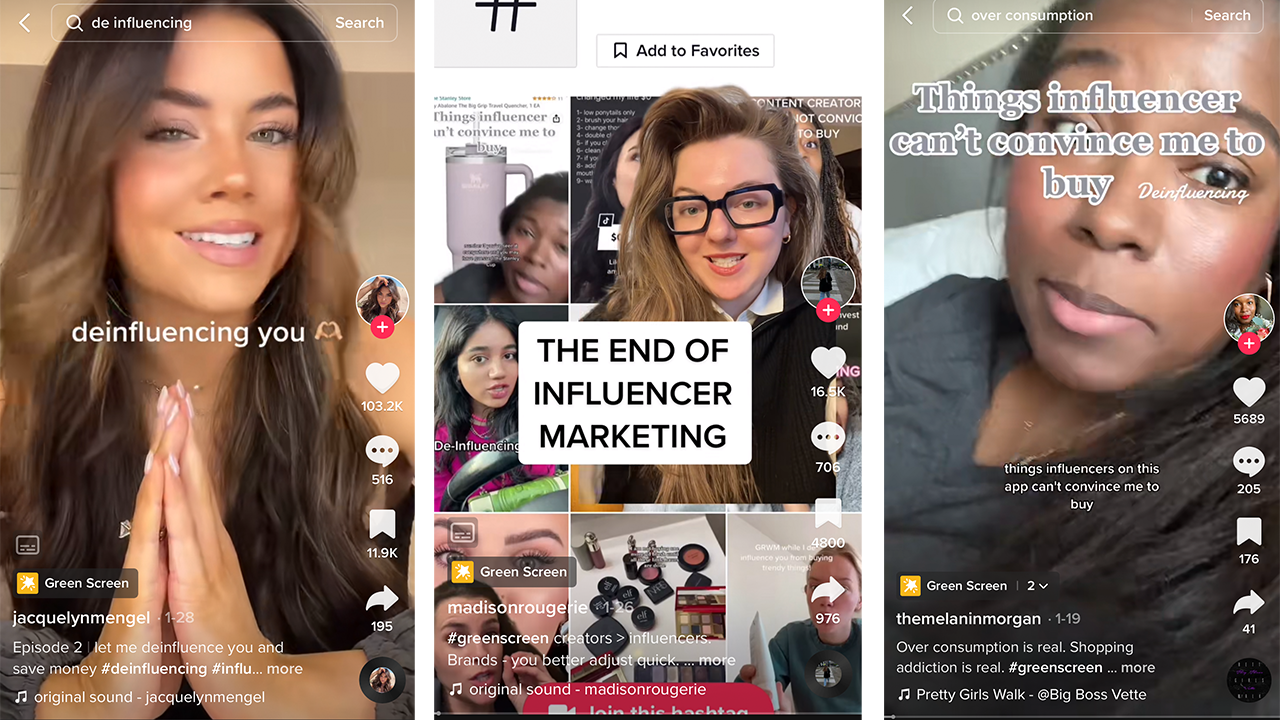
Source : foxbusiness.com
They often focus on building a community around shared experiences, not just shared purchases. Think about forums, comment sections, or even dedicated videos where people discuss what works and what doesn’t. It’s less about having the latest and greatest, and more about making informed decisions. They encourage you to ask: “Do I really need this?” or “Will this genuinely improve my life?” This is about conscious consumption.
Sometimes, deinfluencing looks like advocating for older products or dupping popular items. “You don’t need the brand new XYZ phone; the one from two years ago is still fantastic and way cheaper!” Or, “This drugstore cream works just as well as that $100 luxury one I used to rave about.” It’s about saving people money and cutting through the noise of constant new releases. It’s practical advice, straight up. This is smart shopping.
It’s also about the anti-haul. Instead of showing off a massive pile of new stuff, they might show you what they returned. Or they’ll revisit old purchases and give an honest update: “I still love this, but I barely use that.” It’s a powerful way to counter the incessant pressure to always be buying more. It normalizes not needing everything, and that’s incredibly liberating. We’re talking honesty over hype.
How Brands Can Survive (and Maybe Even Thrive) in the Deinfluencing Era
Okay, brands, listen up. Your old ways of bombarding people with ads won’t cut it anymore. The deinfluencing movement means you need to get real. Trying to fake authenticity is like trying to sell ice to penguins – it’s not going to work, and everyone will see right through it. Authenticity isn’t a buzzword; it’s your new operating system.
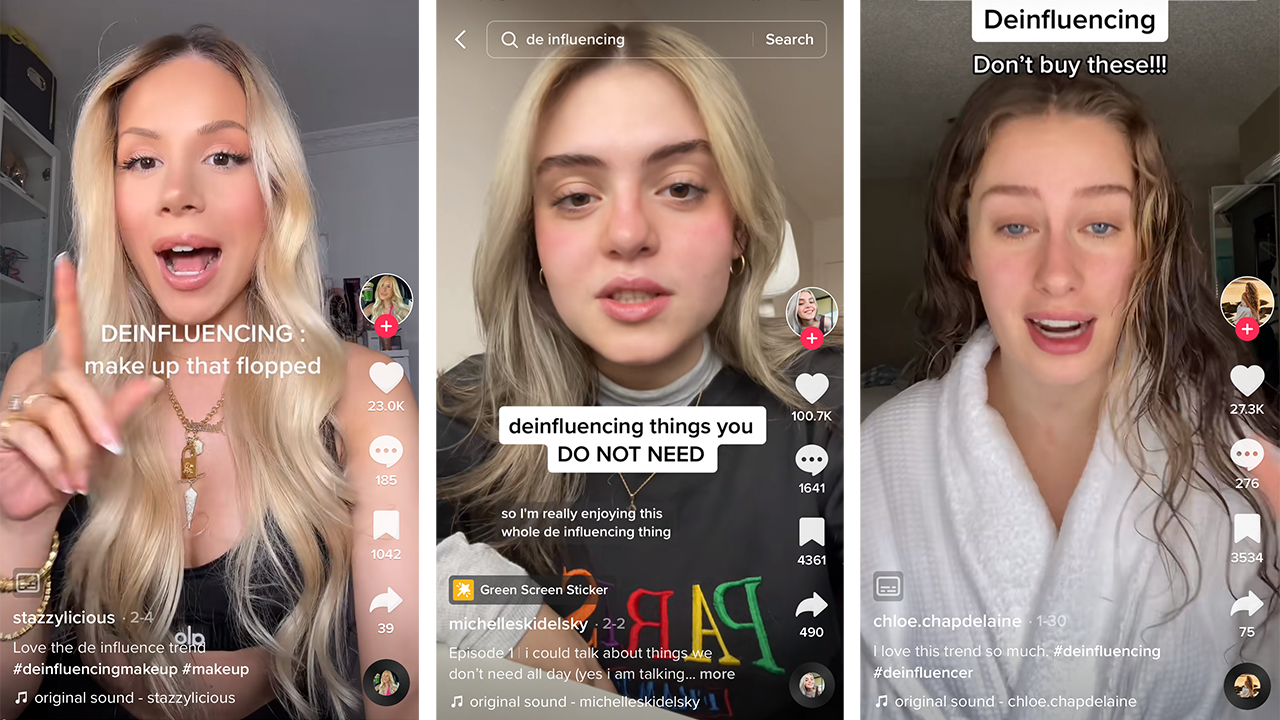
Source : foxbusiness.com
So, what’s the move? First, transparency is non-negotiable. If you’re working with an influencer, make sure it’s a genuine partnership, not just a transaction. Disclose everything. Be upfront about your products, their ingredients, their limitations. If there’s a known issue, address it. Don’t hide. Consumers respect honesty, even when it’s not perfect. Think genuine brand communication.
Secondly, rethink who you partner with. Forget the mega-influencers with millions of followers if their audience doesn’t align with your brand or if they’re constantly shilling for everyone. Look for micro-influencers or creators who have a smaller, but highly engaged and trusting audience. They might not have the reach, but their recommendations carry real weight. Find people who actually use and love your product, or who align with your brand’s values. This is about quality over quantity.
Embrace honest feedback, even the critical stuff. Set up systems to collect and respond to customer reviews. Engage in conversations on social media, not just broadcasting. Let customers know you’re listening. When people see that a brand values their opinion and is willing to improve, that builds loyalty way faster than any ad campaign ever could. This shows you value customer voice.
Finally, focus on building genuine relationships. This means creating products that people actually need and love, providing excellent customer service, and building a community around your brand. It’s about offering value beyond just the product itself. Think about loyalty programs, exclusive content, or events that make your customers feel seen and appreciated. It’s a long-term strategy, not a quick buck.
The Future is Honest: What’s Next?
The rise of deinfluencing isn’t just a trend; it’s a reflection of a more mature, discerning consumer. We’ve had our fill of the glossy, curated perfection. We’re craving coection, trust, and products that actually deliver. This shift towards valuing honesty over ads is here to stay.
Source : foxbusiness.com
Expect to see more creators sharing their genuine opinions, both good and bad. Brands will need to adapt, focusing on transparency, ethical practices, and building real relationships with their audience. The pressure to buy less, buy better, and consume more mindfully will only grow. It’s a move towards a more sustainable and authentic way of engaging with the world around us. This is the evolution of influence.
Ultimately, deinfluencing is about reclaiming our power as consumers. It’s about making choices that align with our values, our budgets, and our actual needs. It’s a reminder that the most valuable recommendations aren’t the ones that cost the most, but the ones that are delivered with genuine care and honesty. We’re moving towards a marketplace where trust trumps hype, and that’s a win for everyone.
The days of blindly following trends are fading. We’re entering an era where critical thinking and honest reviews reign supreme. It’s not about stopping consumption entirely, but about consuming smarter, more intentionally. The brands that embrace this truth will not only survive but will build deeper, more meaningful coections with their customers. This is the new standard.
Frequently Asked Questions
-
What exactly is 'deinfluencing'?
Basically, it’s the opposite of traditional influencing. Instead of constantly pushing new products, people who ‘deinfluence’ tell you what not to buy. They share honest reviews, point out flaws, and encourage you to think twice before making a purchase. It’s all about real talk over hype.
-
Why is deinfluencing becoming so popular right now?
People are just tired of being bombarded with ads and pressured to consume constantly. We’ve all bought things influencers recommended, only to be disappointed. Consumers are seeking genuine recommendations and trust creators who are upfront about both the good and the bad. Plus, there’s a growing focus on sustainability and avoiding uecessary purchases.
-
How can brands adapt to the deinfluencing trend?
Brands need to get real. Transparency is key – be honest about your products and any potential issues. Focus on building genuine relationships with creators who truly align with your brand, not just those with the biggest follower counts. Prioritize authentic collaborations and listen to customer feedback. It’s about building trust, not just making sales.
-
Is deinfluencing just a phase, or is it here to stay?
This feels like more than just a phase. It reflects a deeper shift in consumer values towards authenticity and mindful consumption. People want to make informed decisions, not just follow trends blindly. Expect this focus on honesty to continue shaping how we interact with brands and creators online.
-
What's the difference between a regular influencer and a 'deinfluencer'?
A regular influencer typically showcases new products, often with a positive spin, aiming to drive sales. A deinfluencer, however, critiques products, advises against purchases, shares what didn’t work for them, and promotes buying less or buying smarter. It’s about critical reviews and genuine advice, not just promotion.