The Fight Against the Glare: Why We’re Ditching Urban Light Pollution
Remember seeing the Milky Way with your own eyes? Yeah, me neither. It’s a shame, really. We’ve gotten so used to the orange-ish glow that blankets most cities, we barely even notice it anymore. But this isn’t just about losing pretty stars. This constant barrage of artificial light messes with everything: our sleep, wildlife, even our energy bills. And guess what? People are finally starting to push back. Hard.

Source : archdaily.com
We’re talking about a full-on push to reduce urban light pollution. It’s not some fringe environmental issue; it’s becoming a mainstream concern. Cities are starting to realize that blasting light into the sky isn’t just wasteful, it’s downright harmful. Think about it: every watt of light that escapes upwards or sideways is energy wasted, money burned, and a piece of the natural night sky stolen from us. It’s time we talked about fixing it.
Why Did We Get So Bright?
Honestly? We thought brighter was better. For a long time, more light meant more safety, more progress, more civilization. We lit up streets, buildings, parks – you name it. We wanted to banish the darkness completely. But we went too far. We used inefficient lights, pointed them everywhere, and didn’t care where the light actually went. It was like shouting when you only needed to whisper.
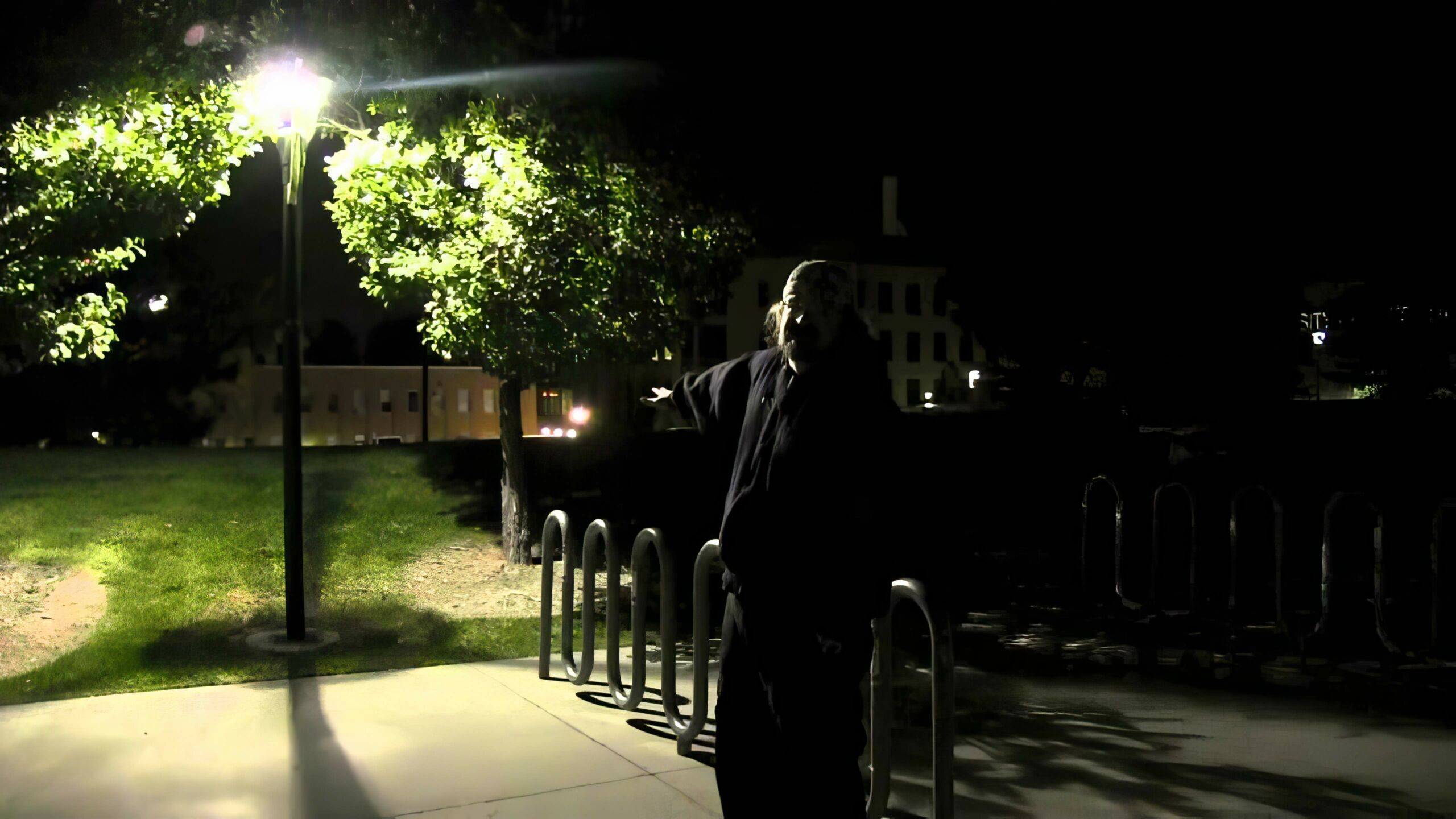
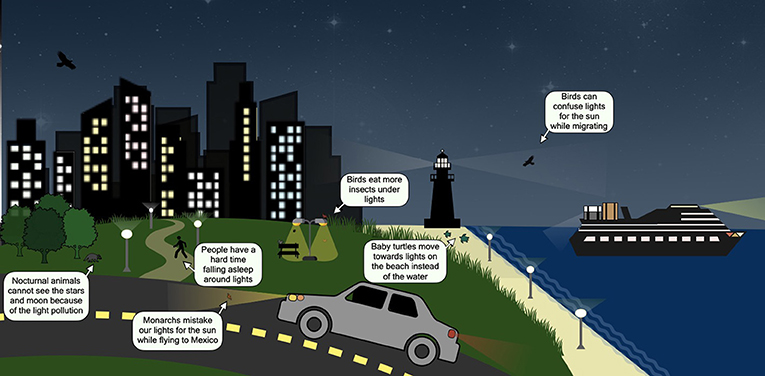
The result? Skyglow. That hazy, luminous dome over cities that obscures the stars. It’s a direct consequence of light escaping upwards. And it’s not just the stars that suffer. Nocturnal animals get confused, migrating birds get disoriented (leading to millions of deaths each year), and even our own bodies get screwed up. That constant light disrupts our circadian rhythms, messing with sleep patterns and potentially impacting our health in ways we’re still discovering. It’s a serious environmental problem.
Source : darksky.org
The Big Push: What’s Actually Happening?
Okay, so we know it’s bad. What are we doing about it? This is where it gets interesting. It’s a multi-pronged attack, involving governments, scientists, and regular folks who just want to see the stars again.
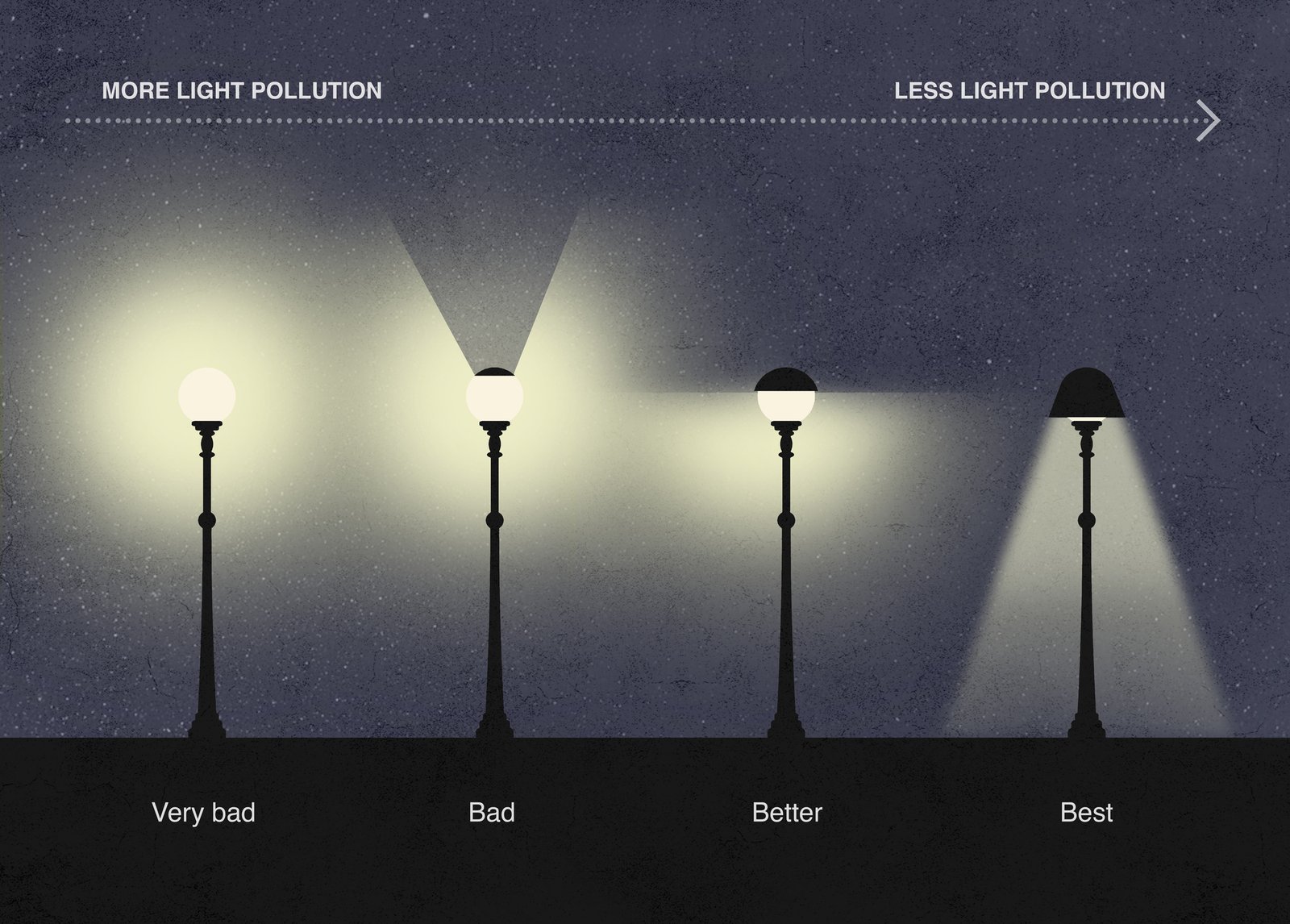
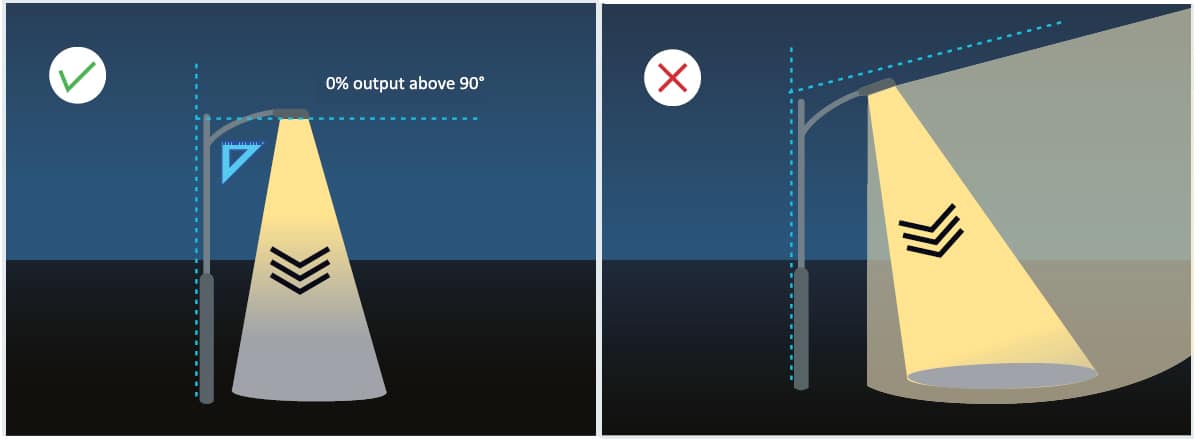
First off, there’s a huge movement towards smarter lighting. Forget those old, unshielded streetlights that fling light everywhere. Modern solutions focus on directed lighting. That means using fixtures that shield the bulb and aim the light down where it’s actually needed – on the streets, sidewalks, and building entrances. It’s about using light only where it’s necessary, when it’s necessary, and at the right intensity. This concept is central to the DarkSky International’s strategy.
And it’s not just about shielding. We’re seeing a shift towards warmer color temperatures for outdoor lights. Those harsh, blue-rich white LEDs that look like daylight? They scatter more in the atmosphere, contributing more to skyglow. Plus, they can be more disruptive to wildlife and human sleep. Many cities are now opting for amber or warm-white LEDs, which are less intrusive. It’s a subtle change, but it makes a huge difference.
Cities are also getting serious about lighting policies. Some have enacted ordinances that regulate the types of fixtures used, the direction of light, and even the hours certain lights can be on. It sounds bureaucratic, but it’s crucial for making real progress. Places like smart city initiatives are actually implementing these measures.
Cities Leading the Charge
It’s not just talk. We’re seeing actual cities taking concrete steps. Think about places that are reducing their lighting levels after business hours, or dimming streetlights automatically late at night when foot traffic is minimal. Some are even retrofitting entire downtown areas with fully shielded, warm-colored fixtures. It’s a massive undertaking, but the benefits – energy savings, reduced skyglow, and a more natural night environment – are well worth it. This is about urban plaing taking a responsible turn.
Source : kids.frontiersin.org
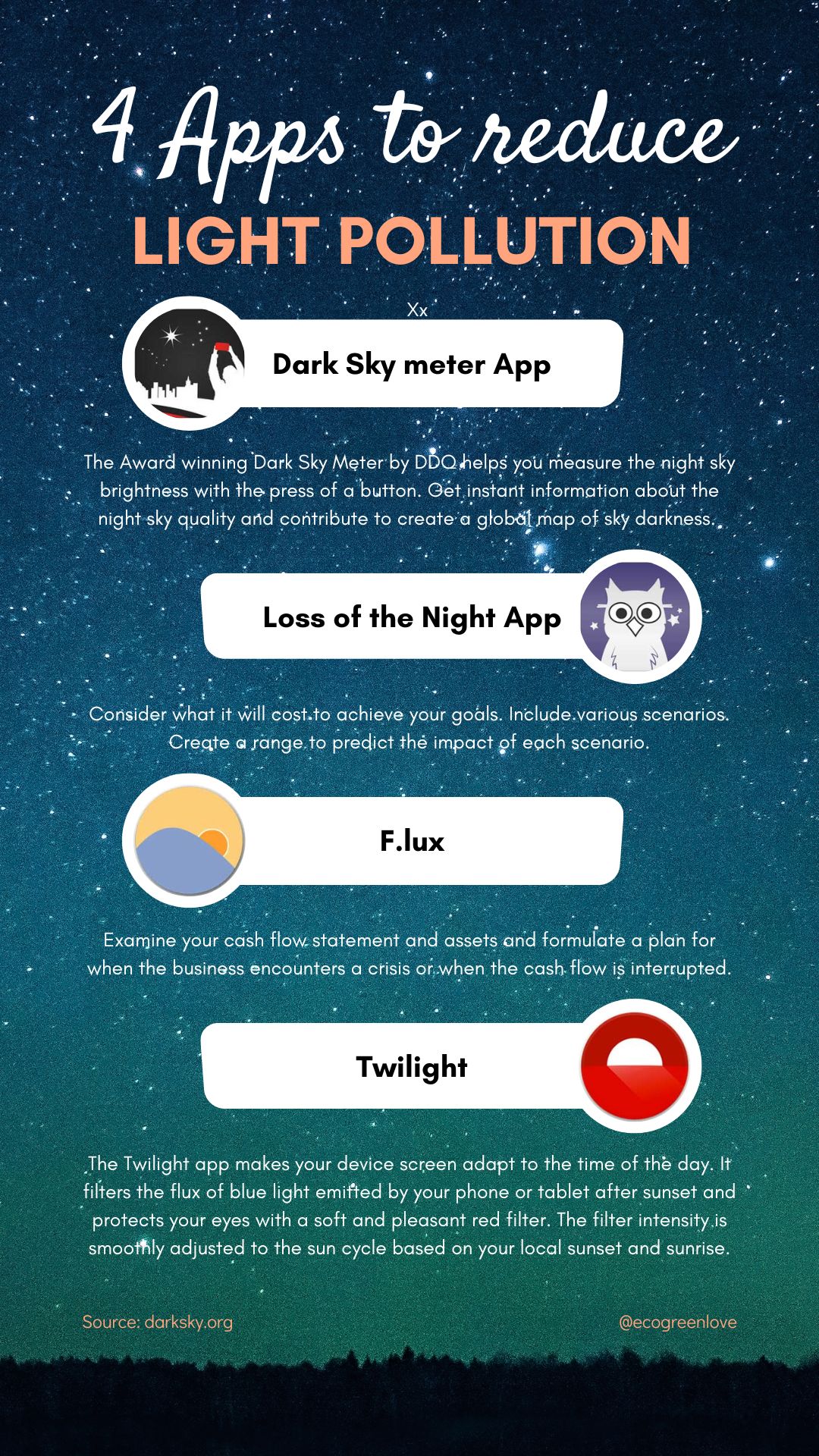
There are also citizen science projects popping up. People are using apps to report light pollution, measure sky brightness, and advocate for change in their own communities. It’s proof that this isn’t just a top-down effort. It’s grassroots, too. Every voice matters when you’re trying to reclaim the night.
The Technology Angle: Smarter, Not Brighter
This isn’t about plunging cities into darkness. It’s about using technology wisely. We’ve got motion sensors, timers, and smart controls that allow lights to be dimmed or turned off when not needed. Streetlights can be programmed to reduce their intensity after midnight, for example. This saves enormous amounts of energy and reduces light pollution significantly. It’s a win-win for energy and environment.
Furthermore, the development of better shielding and optics for lighting fixtures has been a game-changer. Instead of light bulbs that glare upwards, we now have fixtures designed to precisely control the light distribution. This means light is directed exactly where it needs to go, minimizing waste and spill. It’s a far cry from the haphazard lighting of the past.
The Economic Argument: Saving Money by Saving the Night
Let’s be real: nobody likes wasting money. And that’s exactly what over-lighting does. Energy costs are significant for municipalities. By reducing uecessary lighting, cities can save millions of dollars aually. Those savings can then be redirected to other essential services. It’s a pretty straightforward calculation. Installing energy-efficient lighting pays for itself over time through reduced electricity bills.
Plus, think about the tourism potential. Dark sky preserves and areas with minimal light pollution attract visitors who want to experience the natural night sky. Investing in dark sky-friendly practices can actually become an economic driver for certain regions. It’s about realizing the value of the natural night sky.
Source : ecogreenlove.com
Wildlife Woes: The Unseen Victims
We often forget that cities aren’t just for people. Millions of creatures share our urban spaces, and artificial light wreaks havoc on their lives. Insects, crucial to the food chain, are drawn to lights and die in droves. Sea turtle hatchlings, programmed to find the ocean by moonlight, get disoriented by coastal city lights and head inland, where they perish. Birds migrating at night use celestial cues, and artificial light can lead them off course, causing collisions with buildings or exhaustion. This is why initiatives like The BOLD Initiative are so critical – they focus on practical solutions for wildlife protection.
Even our familiar urban wildlife, like bats, are affected. While some bats might adapt to hunt insects around lights, artificial light can disrupt their foraging patterns and make them more vulnerable to predators. Reducing light pollution helps restore a more natural balance for these urban dwellers.
Our Own Health: The Sleep Stealer
It’s not just the critters. Our own biology is deeply tied to the natural cycle of day and night. Exposure to artificial light at night, especially the blue-rich light from LEDs, suppresses melatonin production. Melatonin is a hormone vital for regulating our sleep-wake cycle. This disruption can lead to:
- Difficulty falling asleep
- Reduced sleep quality
- Daytime fatigue
- Increased risk of mood disorders
- Potential links to more serious health issues over time
Getting a good night’s sleep is foundational to overall health, and light pollution is a silent saboteur. Prioritizing darker nights is really a step towards better public health.
What Can YOU Do?
Feeling inspired? You don’t have to be a city plaer to make a difference. Here’s the lowdown:
Source : zgsm-china.com
At Home:
- Use motion-sensor lights for security instead of leaving lights on all night.
- Shield your outdoor lights. Make sure they point downwards and don’t spill light into your neighbor’s yard or up into the sky.
- Choose warmer color temperature bulbs (look for 3000K or less).
- Close your blinds and curtains at night. It seems simple, but it stops indoor light from escaping.
- Talk to your neighbors and homeowners association. Educate them about light pollution and suggest best practices.
In Your Community:
- Advocate for better lighting ordinances with your local government.
- Support businesses and organizations that are committed to dark sky-friendly lighting.
- Join or support organizations like DarkSky International. They do incredible work.
It’s about making conscious choices. Little changes add up. We can bring back the night, one light at a time. It’s a community effort we all can join.
The Future is Darker (and That’s a Good Thing)
The tide is turning. More and more people are recognizing that the relentless glare of artificial light isn’t a sign of progress, but a problem we need to solve. By embracing smarter lighting technologies, implementing sensible policies, and making conscious choices in our own homes, we can significantly reduce urban light pollution. We can save energy, protect wildlife, improve our own health, and, yes, maybe even see the Milky Way again from our backyards. It’s about reclaiming a fundamental part of our natural heritage. It’s about bringing back the night.
Frequently Asked Questions
-
What are the solutions to reduce light pollution?
There are several ways to tackle light pollution. The big ones include using shielded light fixtures that direct light downwards, switching to warmer color temperature bulbs (less blue light!), dimming lights when they aren’t needed, and simply turning off uecessary lights. Many cities are implementing lighting ordinances to make sure new installations are dark-sky friendly. It’s all about using light smarter, not just brighter. Organizations like DarkSky International have tons of great resources on this.
-
How does light pollution affect wildlife?
It’s a mess for them. Artificial light confuses nocturnal animals, disorients migrating birds (causing millions of deaths yearly from building collisions), lures insects away from their natural behaviors (and into danger), and disrupts the reproductive cycles of species like sea turtles. Basically, our constant glare messes with their natural instincts and survival.
-
Can reducing light pollution actually save money?
Absolutely! Over-lighting wastes a ton of electricity. By installing energy-efficient, shielded fixtures and dimming lights when they’re not essential, cities and businesses can slash their electricity bills significantly. That’s money saved that can be put towards other essential services. It’s a smart financial move for everyone involved.
-
What's the link between light pollution and human health?
It messes with our internal clock. That constant glow, especially blue-rich light from LEDs, suppresses melatonin production, which is key for sleep. This can lead to insomnia, disrupted sleep patterns, daytime fatigue, and potentially contribute to mood disorders and other health issues over the long run. Getting good sleep relies on natural darkness.
-
Are there any specific cities doing a good job with light pollution reduction?
Yeah, a few are really stepping up! Places like Flagstaff, Arizona, and many others that are designated International Dark Sky Communities are leading the way with strict lighting ordinances. Even larger cities are starting to retrofit streetlights with shielded, warmer LEDs and implement dimming schedules. Initiatives like The BOLD Initiative are pushing for real change. It’s about making responsible lighting choices.