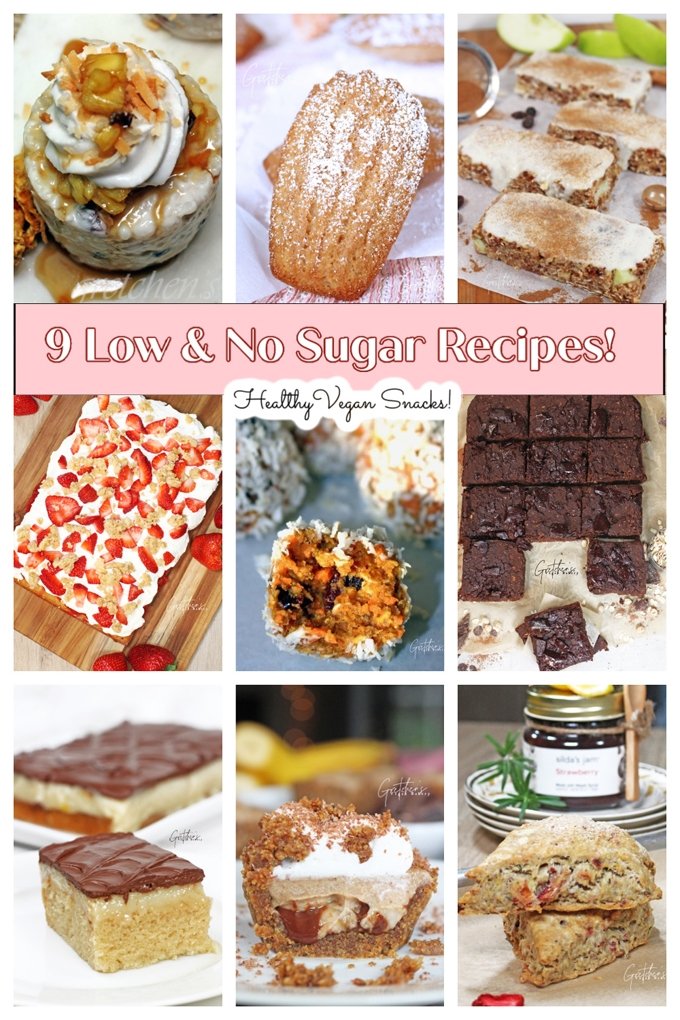
Viral Baking? Yeah, But At What Cost?
Look, I get it. TikTok’s blowing up with these insane cake recipes, that sourdough craze isn’t really over, and don’t even get me started on the brownie batches everyone’s showing off. It’s tempting, right? Who doesn’t want a slice of that viral action? But let’s be real, most of that stuff is a sugar bomb waiting to happen. We’re talking enough sugar to make your dentist weep. And for what? A fleeting moment of online fame? Nah. You can have your cake and eat it too, but let’s ditch the sugar coma. We’re diving into how to make those viral baking hits actually good for you, or at least, you know, less bad. Forget the guilt; we’re talking smart sugar swaps.
Source : gretchensveganbakery.com
Sugar: The Not-So-Sweet Truth
Sugar. It makes things taste good, sure. It helps with texture, browning… all that jazz. But in the amounts most viral recipes call for? It’s pure overkill. We’re talking cups and cups. It’s like adding a stick of butter to your coffee. Delicious? Maybe for a second. Healthy? Absolutely not. This constant sugar rush messes with your energy, your mood, and let’s not even start on the long-term health stuff. Plus, your taste buds get so accustomed to that extreme sweetness, you can’t even enjoy subtle flavors anymore. It’s a vicious cycle, and frankly, it’s exhausting. We need a way to get that delicious baked good fix without the inevitable crash. And guess what? It’s totally doable.
Sweeteners 101: What’s Actually Out There?
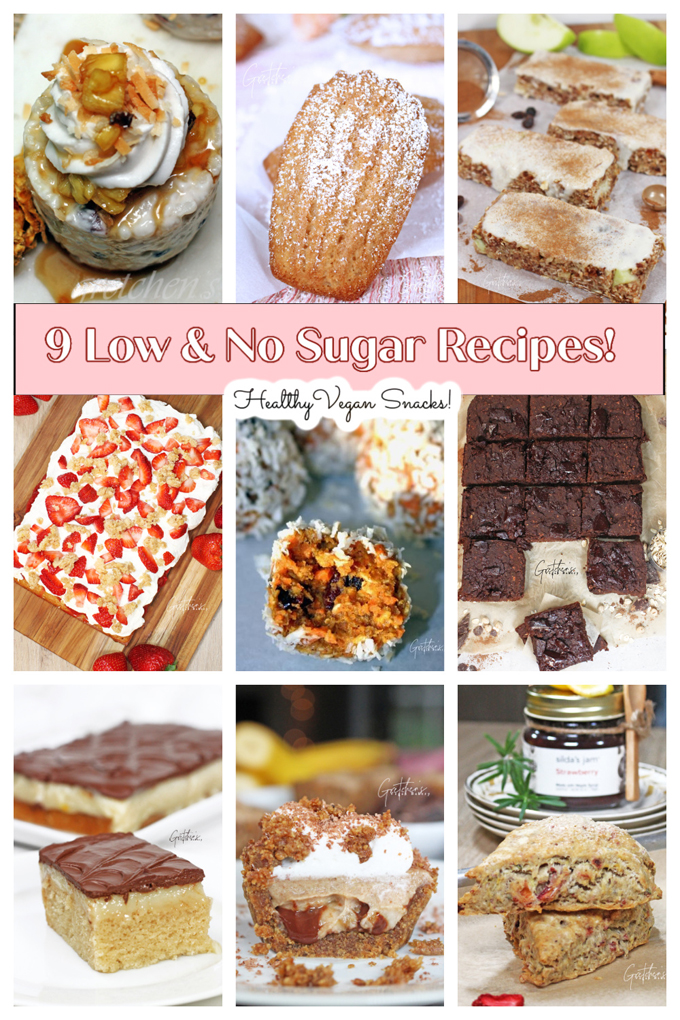
Source : gretchensveganbakery.com
Okay, so you can’t just ditch sugar completely without thinking. Baking is chemistry, remember? But there are a ton of options that don’t come from a sugar cane field. We’ve got your natural sugar alternatives like stevia and monk fruit. These come from plants, have zero calories, and are way sweeter than sugar, so you need tiny amounts. Then there are sugar alcohols, like erythritol and xylitol. Erythritol is pretty popular; it has hardly any calories and most people tolerate it well. Xylitol? It’s great, tastes almost exactly like sugar, but keep it away from dogs – it’s toxic to them. Seriously, super dangerous. And don’t forget things like allulose, which acts a lot like sugar but with fewer calories. It’s the new kid on the block, but people are loving it for its texture.
Fruit: Nature’s Candy (For Real This Time)
Seriously, who forgets about fruit? It’s right there, packed with natural sweetness and fiber. Think mashed bananas or applesauce. They’re not just sweeteners; they add moisture and a lovely texture to things like muffins and quick breads. You can even blend dates into a paste – it’s like caramel from the gods! It does add carbs and some natural sugars, but it’s a much better package deal than refined white stuff. It’s about using what nature gives us. I’ve seen recipes where people use pureed sweet potato for color and sweetness in pumpkin bread. Genius, right? It adds a certain earthiness too. You just have to play around with the liquid ratios because fruit is wetter than sugar.
Fiber is Your Friend: The Unsung Hero
Okay, hear me out. When we cut back on sugar, sometimes baked goods can feel a bit… sad. Lacking. This is where fiber comes in. Think psyllium husk or oat fiber. These guys soak up liquid and give your baked goods that satisfying chew and structure you miss when you ditch the sugar. They add bulk without a ton of calories or carbs. Plus, fiber is amazing for your gut health. So, you’re not just making a dessert; you’re basically tricking your body into thinking it’s eating something healthy while it enjoys a treat. It’s a win-win. It helps create that chewy texture you crave, especially in cookies.

Source : bbcgoodfood.com
The Art of Flavor Pairing: Beyond Sweet
Sometimes, you don’t need more sweet; you need different flavors. This is where extracts, spices, and zests come in. A splash of good vanilla extract, a pinch of ciamon, some nutmeg, maybe a little cardamom? Suddenly, your plain muffin tastes like a gourmet treat. Lemon zest? Orange zest? Bam! Instant brightness. These flavors trick your brain into thinking something is sweeter than it is. Think about it – a spiced apple crumble tastes way more complex and satisfying than just plain, sugary apples. It’s about building layers of flavor. Add some toasted nuts for crunch or a swirl of unsweetened cocoa powder for richness. This is where the real baking magic happens, without relying solely on sugar.
Recipe Adaptation: It’s Not Rocket Science
So, how do you actually do this? Start small. If a recipe calls for 1 cup of sugar, try swapping out half for a substitute. For liquid sweeteners like honey or maple syrup (which, by the way, are still sugars, just different kinds), you might need to reduce the other liquids slightly. For granulated sugar substitutes, you often use them 1:1, but check the packaging because some, like stevia, are super concentrated. For fruit purees, replace about half the sugar and maybe reduce some liquid. It takes some experimenting, sure. Your first batch might be a bit off. Maybe too dry, maybe a little too chewy. But that’s part of the fun! You’re learning to hack the recipe. Check out resources like Serious Eats low-sugar recipes for inspiration; they’ve already done a lot of the heavy lifting.
Troubleshooting Common Pitfalls
What happens when things go wrong? We’ve all been there. Your keto cookies turn out crumbly? That’s likely a fat or binder issue. Try adding a bit more almond flour or a flax egg. Your sugar-free cake is dense? Maybe your leavening agents (baking soda/powder) lost their oomph, or you overmixed the batter. Always check expiration dates on baking soda and powder. Don’t overmix! Seriously, gluten development is the enemy of tender baked goods. If something tastes… weird? It could be the sweetener. Some stevia can have a bitter aftertaste. Blending sweeteners, like erythritol with a touch of monk fruit, often smooths things out. It’s all about debugging your baking.
:max_bytes(150000):strip_icc()/RM_215589-NoBakeSugarFreeStrawberryCheesecake-ddmfs-3x4-6133-730f51a0698a4af4a1c5678f26019b07.jpg)
Source : allrecipes.com
Going Beyond Sweeteners: Fat & Flour Swaps
It’s not just about the sugar, though, right? The flour and fat also play huge roles in texture and how our bodies process baked goods. Think about swapping some all-purpose flour for almond flour or coconut flour. Almond flour adds healthy fats and a nice, tender crumb. Coconut flour is super absorbent, so you use way less, and it adds a subtle sweetness. For fats, ditching some butter for unsweetened applesauce or Greek yogurt can cut calories and add moisture. Avocado can even work in brownies – crazy, but true! It adds richness without that buttery flavor overpowering everything. These aren’t just ‘sugar-free’ hacks; they’re about making better-for-you baked goods overall.
The Verdict: Viral Worthy Without the Sugar Crash?
So, can you make those viral recipes without turning them into sugar-loaded disasters? Absolutely. It takes a little creativity, a willingness to experiment, and maybe a few kitchen fails along the way. But the payoff? Delicious treats that you don’t have to feel guilty about devouring. You get the joy of baking, the satisfaction of a sweet treat, and you don’t end up feeling like you’ve swallowed a candy store. Focus on natural sweeteners, boost flavors with spices and extracts, and don’t be afraid to tweak the flour and fat. Your body (and your dentist) will thank you. Now go forth and bake something amazing, and maybe just a little bit healthier. It’s about smarter baking choices, not deprivation.
Frequently Asked Questions
-
What's the best sugar substitute for baking cookies?
Honestly, for cookies, I’m a huge fan of erythritol blends. They bake up pretty similarly to sugar and don’t have that weird cooling sensation some people get from pure erythritol. Monk fruit blends work great too. You might need to adjust liquids a smidge, but they give you that nice crisp edge without a ton of calories. Just remember, pure stevia can be super potent and sometimes a bit bitter, so blending is often key for cookie texture.
-
Can I use fruit puree instead of sugar in cakes?
You absolutely can! Think mashed bananas, unsweetened applesauce, or even pureed dates. They add natural sweetness and serious moisture. Just know that it’ll change the texture – cakes might be denser and moister, which isn’t always a bad thing! You’ll likely want to reduce other liquids in the recipe a bit, maybe by a quarter cup or so, depending on how much puree you’re using. It’s a fantastic way to get some fiber in there too, making your cake recipe healthier.
-
What happens if I use too much stevia in my baking?
Whoa, buckle up! Too much stevia? It can get… aggressively bitter. Seriously, like licking a battery bitter. It’s also incredibly sweet, so a little goes a long way. You usually only need a few drops or a tiny pinch. If your recipe calls for a cup of sugar, you’re not swapping it 1:1 with stevia. You’re usually using a fraction of that. It’s best to use stevia in blends with other sweeteners, like erythritol, to get a more balanced flavor and avoid stevia bitterness.
-
Are sugar alcohols like xylitol safe for baking?
For humans? Mostly, yeah. Xylitol tastes and bakes a lot like sugar, which is awesome. But here’s the massive, critical caveat: xylitol is deadly to dogs. Keep it strictly out of reach if you have furry friends. Some people get a bit of digestive upset (gas, bloating) from sugar alcohols if they eat a lot, but most find xylitol and erythritol pretty easy to handle in moderation. They don’t spike blood sugar like regular sugar, which is a big win for many.
-
How do I make my low-sugar baked goods taste less bland?
This is the million-dollar question, right? Bland is the enemy! You gotta amp up the flavor. Spices are your best friend: ciamon, nutmeg, ginger, cardamom. Extracts too – vanilla is a must, but try almond, lemon, or peppermint. Citrus zest (lemon, orange, lime) adds incredible brightness. A pinch of salt really makes the flavors pop. Even toasting your nuts or adding unsweetened cocoa powder can make a huge difference. It’s about building complex flavor profiles so your taste buds don’t just miss the sugar; they’re enjoying all the other goodness.