The Rise Of Postbiotics: What Comes After Probiotics?
Okay, let’s talk guts. For years, we’ve been hearing about probiotics, right? Those little guys in yogurt and supplements, supposed to be good for your gut flora. They’re like the friendly neighborhood bacteria, setting up shop and trying to keep things balanced. But what if I told you there’s something even cooler, something that’s getting all the buzz in the health world right now? Enter postbiotics. These aren’t the live bacteria; they’re the actual beneficial compounds that probiotics produce. Think of it as the helpful waste product, the good stuff left behind after the probiotics do their thing. It’s a whole new ballgame, and frankly, it’s way more interesting than just popping a pill full of live bugs.

Source : frontiersin.org
Probiotics: The Old Guard
For a long time, probiotics were the undisputed champions of gut health. You’d see them everywhere. Yogurt commercials, kombucha bottles, fancy supplements promising a happy tummy. The idea is simple: introduce good bacteria to your gut, and they’ll fight off the bad guys, improve digestion, maybe even boost your immune system. And yeah, they can work. For some people. But here’s the catch: probiotics are living organisms. They can be finicky. They need to survive the harsh journey through your stomach acid. They need to survive getting to your intestines. And once they’re there, they have to compete with the existing gut ecosystem. It’s a tough gig for a tiny microbe. Plus, not everyone responds the same way. Some folks get bloat, some get nothing. It’s not always the miracle cure we were led to believe.
This is where the limitations of live bacteria become really obvious. They can be unstable, you know? Temperature fluctuations, shelf life – it all matters. Getting enough of the right kind of live bacteria to actually colonize and do their job effectively is a real challenge. It’s like sending tiny soldiers into a war zone without proper backup. They might get lost, or worse, they might not even make it to the battlefield.
Enter Postbiotics: The Real MVPs?
So, what exactly are these postbiotics? They’re the bioactive compounds that probiotics secrete or the components released when probiotics break down. Think of things like short-chain fatty acids (SCFAs), enzymes, peptides, cell fragments – the good stuff that the probiotics make. These aren’t living organisms, so they don’t have the same survival issues. You don’t have to worry about them dying in your stomach. They’re already the beneficial byproducts, ready to get to work. This makes them incredibly potent and reliable. It’s like getting the finished, beneficial product instead of just the raw ingredients.

Source : lesaffre.com
The science behind them is pretty fascinating. Instead of introducing live bugs, you’re introducing the very molecules that signal health and function within the gut. These compounds can directly interact with your cells, reduce inflammation, strengthen the gut barrier, and even influence your immune system. It’s a more targeted approach. Researchers are really digging into this, seeing how specific postbiotics can help with everything from digestive issues to metabolic health. It’s a huge leap forward.
The Science Behind the Buzz
Scientists have been studying these compounds for a while, but the term ‘postbiotic’ is relatively new. They realized that much of the benefit from probiotics wasn’t just from the bugs themselves, but from what the bugs produced. Take butyrate, a key short-chain fatty acid. It’s a primary energy source for your colon cells and plays a massive role in gut health. Probiotics help produce it, but you can also get it directly from postbiotic sources. This direct delivery is a game-changer. It’s the difference between planting a seed and giving the tree the fruit it’s already produced.
There’s a growing body of research showing the potential. Studies are exploring how postbiotics can help manage inflammatory bowel diseases, improve metabolic profiles, and even enhance skin health. One interesting area is their potential role in gut barrier function. A strong gut barrier prevents harmful substances from entering your bloodstream – think of it as your gut’s security system. Postbiotics seem to help reinforce that system. This could mean fewer gut-related issues and better overall health. You can find more about the latest research and benefits on News-Medical.net.
Postbiotics vs. Probiotics vs. Prebiotics: What’s the Difference?
This is where it can get a little confusing, so let’s break it down. Probiotics are the live beneficial bacteria themselves. Think of them as the farmers. Prebiotics are the food for these farmers – typically fibers that your gut bacteria can ferment. Think of them as the fertilizer for the farm. And postbiotics? They’re the crops harvested from the farm, the beneficial end products. They’re the fruits of the labor, so to speak. So, while probiotics introduce the workers and prebiotics feed them, postbiotics give you the actual beneficial output directly. It’s a neat way to think about the whole ecosystem.
Why does this distinction matter? Because postbiotics offer a more direct and often more stable way to get gut benefits. You don’t need to worry about the ‘farmers’ surviving the journey or staying alive on the shelf. You get the ‘harvest’ right away. This is especially important for people with compromised gut health who might not tolerate live bacteria well, or for those looking for the most potent, targeted effects. It’s about efficiency and reliability.
The Health Benefits You Can Expect

Source : frontiersin.org
So, what’s in it for you? The benefits are pretty impressive and still being uncovered. We’re talking about improved digestion, obviously. Less bloating, more regularity – the usual suspects. But it goes deeper. Postbiotics can help reduce inflammation throughout the body, not just in the gut. This is huge because chronic inflammation is linked to so many modern diseases. They can also support your immune system. Remember, a huge chunk of your immune system resides in your gut.
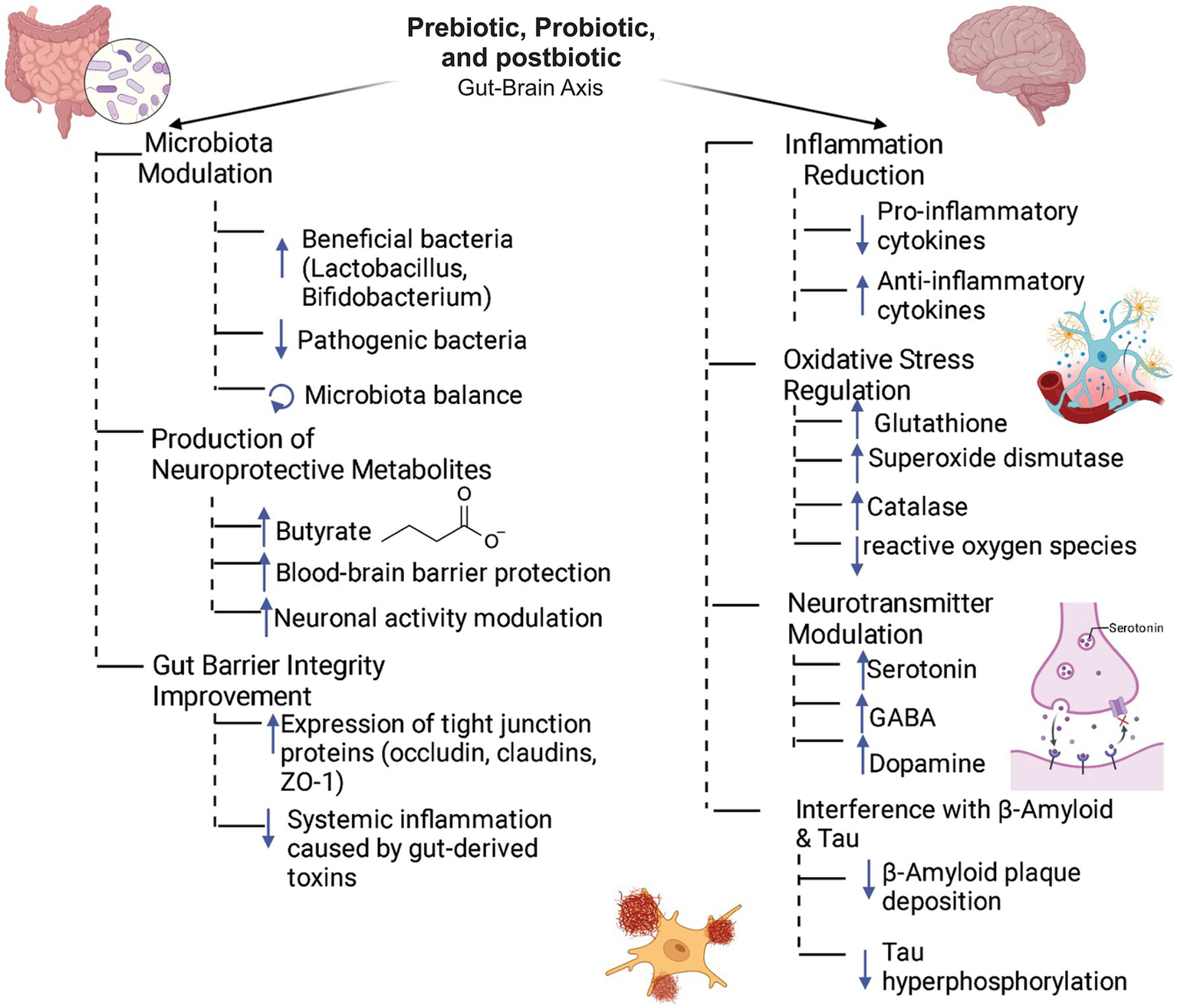
Other potential benefits include better metabolic health, improved skin conditions (eczema, acne), and even enhanced cognitive function – the gut-brain axis is real, folks! Researchers at UCLA Health are pointing to promising findings. Their work highlights how these compounds can offer significant advantages for overall well-being. You can explore some of these findings here: UCLA Health.
And let’s not forget the potential for allergy management. Some postbiotics have shown promise in modulating immune responses, which could be a game-changer for allergy sufferers. It’s like strengthening your body’s defenses in a smart, targeted way. It’s a far cry from just hoping the probiotics do their job.
Sources of Postbiotics
Where do you get these magical postbiotics? Well, as we mentioned, probiotics produce them. So, fermented foods like yogurt, kefir, sauerkraut, and kimchi are good sources – they contain both the probiotics and the postbiotics they’ve created. But the concentrations can vary wildly. You’re not always getting a standardized dose.
The real exciting part is the development of targeted postbiotic supplements. Companies are now isolating specific beneficial compounds like SCFAs, peptides, or cell wall fragments and putting them into supplements. This means you can get a consistent, high dose of exactly what you need. Think specific postbiotic supplements designed for particular benefits. It’s precision nutrition for your gut. You can find discussions on these biotherapeutic potentials in scientific journals, like this one exploring their role in human health: PubMed Central.
Beyond supplements and fermented foods, some foods naturally contain these beneficial compounds, even if they aren’t typically labelled as ‘postbiotic-rich’. Think things like bone broth, certain aged cheeses, and even some types of mushrooms. The key is that these compounds are the result of fermentation or breakdown processes, which are common in many healthy foods.
Potential Side Effects and Considerations

Source : sciencedirect.com
Now, are there any downsides? Generally, postbiotics are considered very safe because they are essentially beneficial molecules your body already recognizes and uses. Unlike live probiotics, the risk of adverse effects like gas or bloating is significantly lower. Since they aren’t living organisms, you don’t run the risk of introducing an imbalance of live bacteria. It’s a much gentler approach.
However, as with any supplement or dietary change, it’s always wise to start slow. Some individuals might be sensitive to specific compounds. If you’re considering taking a concentrated postbiotic supplement, it’s best to consult with your healthcare provider, especially if you have underlying health conditions or are on other medications. They can help you choose the right product and dosage. It’s about being smart and informed, not scared.
The Future is Postbiotic
The field of postbiotics is exploding. Researchers are constantly identifying new compounds and understanding their mechanisms of action. We’re moving beyond just ‘good bacteria’ to understanding the precise biochemical signals that promote health. This is precision medicine for your gut microbiome. Imagine targeted treatments for specific digestive disorders, autoimmune conditions, and even mental health issues, all stemming from understanding these powerful postbiotic compounds.
The potential for personalized gut health is immense. Instead of a one-size-fits-all approach with probiotics, we can tailor interventions based on an individual’s specific needs and microbiome profile. This could lead to more effective and efficient health outcomes. The future isn’t just about feeding the bugs; it’s about utilizing the best of what they produce. It’s a paradigm shift, for sure.
Frequently Asked Questions
What are the super six gut foods?
Ah, the ‘super six’! While there isn’t one universally agreed-upon list called the ‘super six’, people often refer to categories of foods that are incredibly beneficial for your gut. Generally, this includes things like fermented foods (yogurt, kefir, sauerkraut, kimchi), high-fiber fruits and vegetables (think berries, leafy greens, apples), whole grains, legumes, healthy fats (like those in avocados and olive oil), and lean proteins. Basically, a diverse, whole-foods diet rich in fiber and beneficial microbes is key for a happy gut. You want to feed those good bugs and give them the environment they need to thrive.
How long do postbiotics take to work?
This is a great question! Because postbiotics work directly with your body’s cells and systems, you might notice benefits sooner than with probiotics. Some people report feeling a difference within a few days to a couple of weeks, especially regarding digestive comfort like reduced bloating or improved regularity. However, for more systemic benefits like reduced inflammation or immune support, it can take longer – think several weeks to a few months of consistent use. It really depends on the individual, the specific postbiotic compounds, the dosage, and what health goals you’re targeting. Patience and consistency are usually key.
Are postbiotics better than probiotics?
It’s less about ‘better’ and more about ‘different’ and ‘complementary’. Postbiotics offer unique advantages like stability and direct action, making them great for specific issues or for those who don’t respond well to probiotics. Probiotics still have value in introducing and balancing live microbial populations. Many experts believe the future lies in combining them, or using postbiotics as a more reliable, targeted intervention. Think of it as having a full toolkit – sometimes you need the live workers (probiotics), and sometimes you need the finished product (postbiotics).
Can I make postbiotics at home?
You can certainly make fermented foods at home, like sauerkraut or kimchi, which naturally contain postbiotics. However, creating concentrated, standardized postbiotic supplements at home isn’t really feasible. That requires specific scientific processes to isolate and purify the beneficial compounds. While home fermentation is fantastic for gut health, if you’re looking for the targeted benefits of specific postbiotic molecules (like certain SCFAs or peptides), commercially produced supplements are your best bet. They offer the consistency and potency that homemade ferments often can’t match.
What are the best postbiotics for weight loss?
Research into postbiotics and weight loss is still emerging, but early findings are promising. Certain short-chain fatty acids (SCFAs), like butyrate and propionate, produced by gut bacteria have been linked to improved metabolism and appetite regulation. Some studies suggest specific postbiotic compounds might help reduce inflammation associated with obesity and improve insulin sensitivity. While not a magic bullet, incorporating postbiotic-rich foods or supplements might support weight management efforts as part of a healthy lifestyle. Always consult a doctor before starting any new supplement regimen for specific health goals.