Pink Noise vs. Brown Noise: Which One Actually Works for Sleep?
Let’s cut to the chase. You’re here because you’re losing sleep. Maybe you’ve heard about these fancy ‘colored noises’ – pink, brown, even white – and you’re wondering if they’re just snake oil or if they’re the real deal for finally getting some shut-eye. I get it. I’ve been there. Staring at the ceiling at 3 AM, mind racing. We’re going to dig into pink noise versus brown noise and figure out which one might actually be your ticket to dreamland. Forget the jargon; we’re talking real talk here.

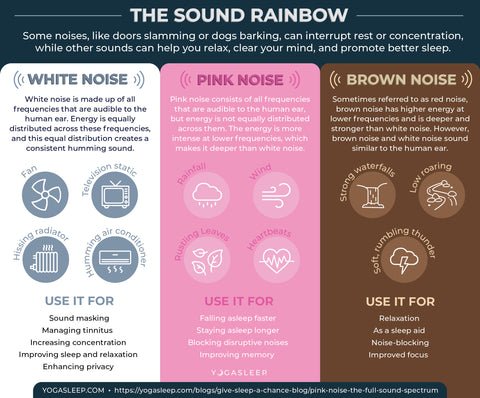
Source : yogasleep.com
The Big Sleep Struggle
Sleep. It’s not a luxury, it’s a necessity. But for so many of us, it feels impossible to get. Stress, screens, that weird noise from the upstairs neighbor… the list goes on. You’ve tried everything, right? Melatonin, blackout curtains, counting sheep until you’re blue in the face. And now, you’re looking at sound. Specifically, the whole acoustic sleep therapy scene. It’s blown up, and for good reason. People are desperate for solutions. But with so many options, how do you pick the right one?
What’s the Deal with Colored Noise Anyway?
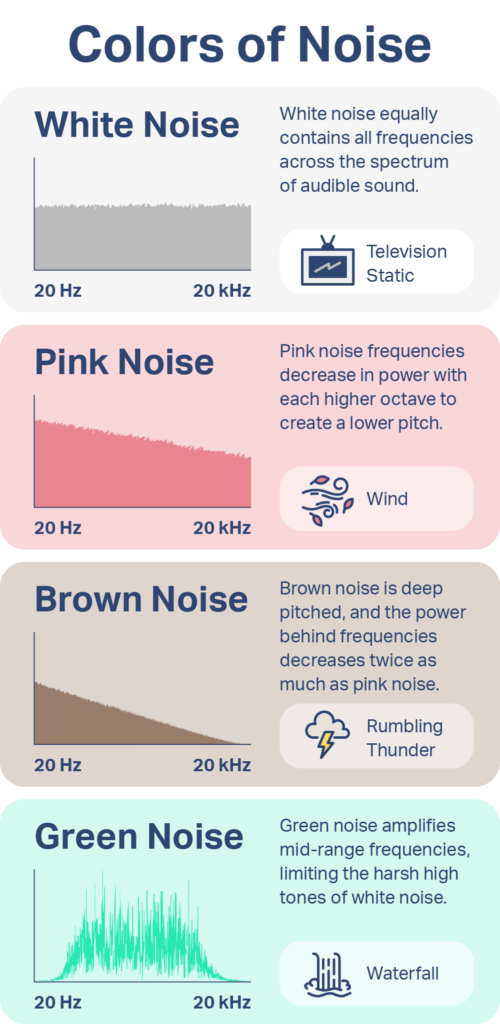
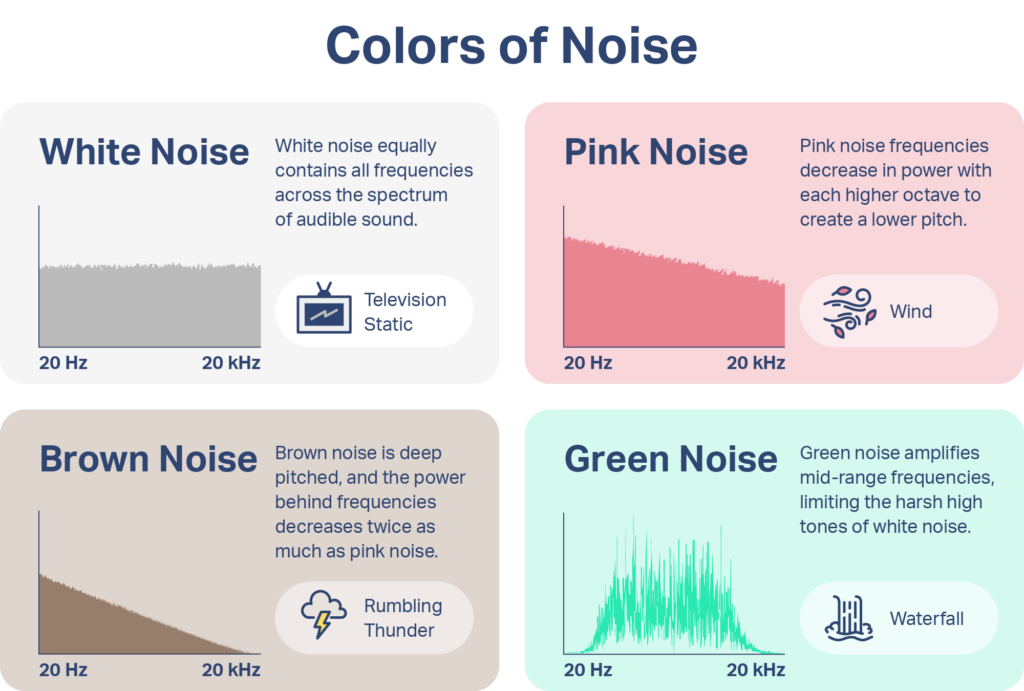
Okay, so ‘colored noise’ sounds like something out of a weird art class. But it’s actually pretty straightforward. It’s just a way to describe different sound frequencies. Think of it like colors for your ears. White noise is the classic static sound, like an old TV. It has equal energy across all frequencies. Pink noise is deeper, more balanced. Imagine the sound of steady rain. Brown noise? That’s the deepest rumble, like a strong waterfall or distant thunder. Each one masks other sounds differently, and that’s the key. It’s all about finding the right sound frequency for your brain.
Pink Noise: The Soothing ‘Rain’ Sound
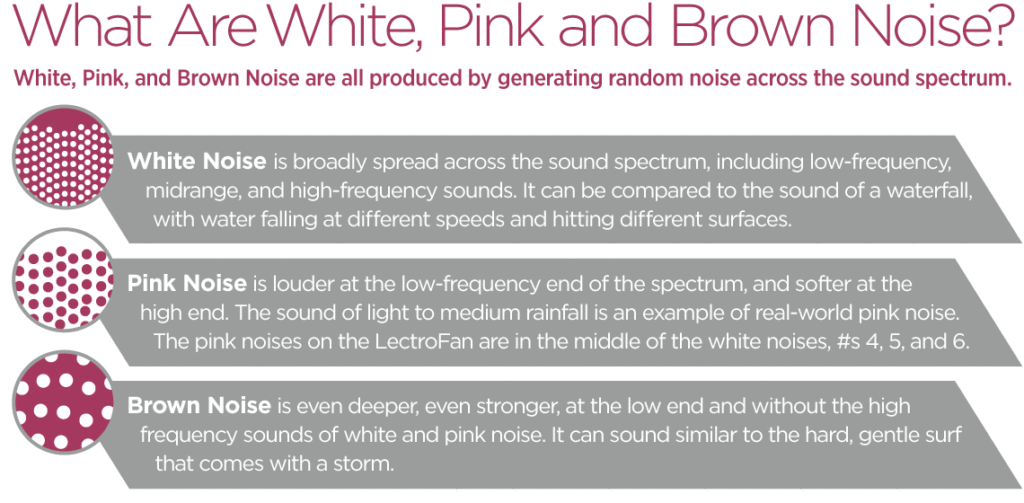
Pink noise is often described as feeling more natural than white noise. Why? Because it tones down the higher frequencies. This makes it sound less harsh, more like a steady, gentle rain or wind. A lot of people find it incredibly calming. It’s got this consistent, predictable rhythm that doesn’t jolt you awake. For me, it’s like a soft blanket for your ears. If you’re sensitive to sharp sounds, pink noise might be your go-to. It’s less about just masking noise and more about creating a consistent, pleasant auditory environment. It’s a serious contender for better sleep quality.
Source : sleepfoundation.org
How Pink Noise Helps You Sleep
So, how does this gentle rumble actually work its magic? It’s all about consistency. Our brains are wired to notice sudden changes. A car horn, a door slamming – these spike our attention and wake us up. Pink noise, with its steady output, basically smooths out the soundscape. It creates a constant, low-level sound that masks those disruptive noises. Think of it like painting over the sharp edges of sound. It can also help with focus during the day, but its real strength might be in lulling you into and keeping you in a deeper sleep state. Some studies even suggest it can boost memory recall, which is a nice bonus, but let’s focus on the sleep aspect. It’s not just about drowning out noise; it’s about creating a peaceful sonic backdrop for your brain to relax. This is why many find it superior for certain sleep stages.
The Science (Sort Of) Behind Pink Noise
The science here is still evolving, don’t get me wrong. It’s not like a magic pill. But here’s what we do know: pink noise has equal power per octave. What does that even mean? Basically, it sounds more balanced to our ears than white noise. White noise blasts high frequencies, which can be grating. Pink noise evens it out. This equal energy distribution might resonate better with our brainwaves, potentially leading to more consistent sleep patterns. Imagine your brain trying to process a choppy radio signal versus a clear FM station. Pink noise is the clear station. Researchers are looking into how it affects brain activity during sleep, particularly deep sleep and REM sleep. While we need more solid research, the anecdotal evidence is massive. People swear by it.
When Pink Noise Might Be Your Best Bet
If you’re easily startled by sounds, pink noise is probably your first stop. Someone dropping a pan in the kitchen? A dog barking down the street? Pink noise is good at covering those up without being aoying itself. It’s also great if you live in a city or have noisy neighbors. It provides a consistent background hum that helps your brain ignore those disturbances. It’s not too high-pitched like some white noise machines can be, and it’s not so deep and rumbly that it becomes its own distraction. It hits that sweet spot. If you’re looking for something that feels natural and less ‘machine-like,’ give pink noise for sleep a serious look. It’s a gentler approach.
Brown Noise: The Deep, Bass-Heavy Rumble
Now, let’s talk brown noise. Forget the name – it has nothing to do with dirt or anything unpleasant. It’s named after botanist Robert Brown, who discovered its underlying principle. Brown noise is deeper, richer, and has more low-frequency energy than both white and pink noise. Think of the sound of a powerful waterfall, heavy rainfall, or even the deep hum of an air conditioner. Some people find this deep rumble incredibly soothing and grounding. It feels very present, almost physical. It’s the sound equivalent of a warm hug for your ears. If you find pink noise a bit too high-pitched or subtle, brown noise might be the answer. It’s about that deep, immersive sound.
Source : healthyhearing.com
How Brown Noise Works Its Charm
Brown noise really excels at masking louder, more intrusive noises. Its low-frequency power can override sounds that pink noise might not be able to cover as effectively. Imagine trying to block out traffic noise or loud construction. The deep rumble of brown noise can be incredibly effective at creating a sonic wall against these disturbances. It’s like putting on noise-canceling headphones, but with sound. For some, this deep sound is incredibly relaxing, almost like a form of white noise therapy, helping to calm the nervous system. It can create a sense of security and stillness. It’s the sound that says, ‘Nothing else matters but this deep, steady sound.’ It’s a powerful tool for overcoming sleep disruptions.
The (Even Deeper) Science of Brown Noise
The ‘science’ behind brown noise is similar to pink noise but amplified in the lower frequencies. It has more energy in the lower octaves. This is why it sounds so deep. It’s not just a theory; you can literally see the difference on a sound spectrum analyzer. The energy is concentrated at the lower end. For people who find higher frequencies irritating or just ineffective, brown noise offers a solution. Some studies suggest that these deeper frequencies can have a more profound calming effect on the nervous system, promoting relaxation and making it easier to fall asleep. It’s thought to potentially help regulate brain activity in a way that encourages sleep. While definitive studies specifically on brown noise and sleep are still emerging, the general principle of sound masking and its effect on relaxation is well-established. It’s a fascinating area, and brown noise for sleep is gaining traction.
Who Should Try Brown Noise?
Brown noise is fantastic for people who need serious sound masking. If you live near a busy road, have loud roommates, or just find typical ambient sounds too high-pitched, brown noise could be your savior. It’s also great for those who find the constant drone of white or pink noise a little… well, noisy. Brown noise feels more substantial, more like a physical presence. It can be incredibly comforting and help create a sense of coziness that makes falling asleep easier. If you’ve tried other types of noise and they just didn’t cut it, or if you crave a deep, rumbling soundscape, then seriously consider giving brown noise a go. It might just be the sound you’ve been dreaming of.
Pink vs. Brown Noise: The Head-to-Head Showdown
Alright, the main event. Pink noise versus brown noise. Which one is actually better for your sleep? Honestly? It depends entirely on YOU. There’s no universal ‘best.’ It’s like asking if vanilla or chocolate is the best ice cream flavor – people have strong opinions! Pink noise is generally softer, more balanced, and great for masking moderate noises without being too intense. It’s like gentle rain. Brown noise is deeper, more powerful, and excels at blocking out louder, more disruptive sounds. It’s like a strong waterfall. If you’re sensitive to high frequencies, you’ll likely prefer pink or brown. If you need to drown out serious noise, brown might have the edge. It really comes down to personal preference and the type of sleep disturbances you’re trying to combat. Don’t just take my word for it; you’ve got to try them both.
Deep Sleep: Pink or Brown?
This is the million-dollar question, right? Which one helps you hit that deep, restorative sleep? Many people find that brown noise is better for deep sleep because its lower frequencies can be more effective at inducing relaxation and potentially supporting brainwave activity associated with deep sleep stages. The sheer power of the sound can help lull the brain into a more profound state of rest, overriding distractions. However, some research and a lot of anecdotal evidence suggest that pink noise might be better for overall sleep quality and consistency because it’s less intrusive and can help maintain a steady sleep state without waking you. It’s less about hitting one specific deep sleep phase and more about creating an environment where you cycle through sleep stages smoothly. The truth is, the best noise for your deep sleep is the one that helps you fall asleep faster and stay asleep longer without aoyance. If you’re chasing that deep, heavy sleep, brown noise is often the front-ruer, but don’t discount pink.
Source : soundofsleep.com
Masking Power: Brown Noise Takes the Crown (Usually)
When it comes to pure masking power, brown noise usually wins. Its concentration of energy in the lower frequencies means it can effectively drown out a wider range of noises, especially sudden or loud ones like traffic, loud neighbors, or even snoring. It creates a more substantial sonic barrier. Think of it like a thick, sound-dampening wall. Pink noise is good, don’t get me wrong. It masks general ambient sounds well. But for really disruptive noise pollution, brown noise often proves more effective. It’s the heavy artillery of sound masking. If your goal is to obliterate external noise, brown noise is likely your best bet. It’s less about subtle background masking and more about creating a dominant, calming sound that obliterates the competition.
Comfort and Aoyance: Pink Noise Often Wins
Here’s where things get personal. While brown noise is powerful, some people find it too intense or even irritating after a while. It’s a very ‘present’ sound. Pink noise, on the other hand, is generally perceived as more soothing and less intrusive. Its balanced frequencies make it easier on the ears for extended periods. If you find yourself getting aoyed by the sound itself after an hour or two, brown noise might not be for you. Pink noise offers a more gentle, consistent background that many find easier to relax into and ignore throughout the night. It’s less likely to become a distraction in itself. For long-term, nightly use, comfort is king, and pink noise often has the edge.
Integrating Pink or Brown Noise Into Your Sleep Routine
So, you’re ready to try it. Awesome! The best way to figure out what works is to experiment. Don’t just try it for one night and give up. Give each type of noise a solid run. A week with pink noise, then a week with brown noise. See how you feel. Pay attention to how quickly you fall asleep, how many times you wake up, and how refreshed you feel in the morning. You can use dedicated pink noise machines, apps on your phone (just be careful with screen light!), or even YouTube videos. Just find a source you trust and set it on a low, comfortable volume. You want it to be noticeable, but not so loud that it keeps you awake or interferes with hearing important sounds like a smoke alarm. Finding the right volume setting is crucial.
Choosing the Right Device or App
When picking a device or app, consider what’s practical for you. Dedicated sound machines are great because they often have specific sound profiles and don’t require you to have your phone by your bed. Many also have built-in timers. Apps offer a huge variety of sounds and are super convenient, but remember the screen issue. If you use an app, put your phone on ‘do not disturb’ and turn the screen off. Some apps are designed specifically for sleep, offering adjustable soundscapes. Look for ones that let you customize the noise or offer different levels of pink and brown noise. The key is to find something that is reliable, easy to use, and doesn’t introduce other disruptions (like ads or notifications!). A good sleep sound app can be a game-changer.
Source : sleepfoundation.org
Volume: The Secret Ingredient
This is HUGE. Too loud, and it’s just noise pollution. Too quiet, and it won’t mask anything. The ideal volume is subjective, but here’s a good rule of thumb: the sound should be barely audible over any ambient noise, but not so loud that it becomes the focus. It should be a background presence. Think of it as a gentle whisper that smooths out the louder noises around you. You should still be able to hear important things like an alarm or a baby crying. Experiment! Start low and gradually increase the volume until you find that sweet spot. It might take a few nights to nail it down. This optimal sound level is critical for effectiveness.
Consistency is Key
Like any new habit, consistency is vital. Use your chosen noise every single night. Don’t just use it when you’re having a particularly bad night. The goal is to train your brain to associate that specific sound with sleep. Over time, the sound itself can become a powerful sleep cue, signaling to your body that it’s time to wind down. It takes time for your brain and body to adapt. So, stick with it! Even if you don’t notice a dramatic difference in the first week, keep going. You might be surprised by the cumulative effect. This consistent sleep aid approach yields the best results.
The Verdict: What’s Your Sleep Sound?
So, pink noise or brown noise? The ultimate answer is: the one that works for you. Both have the potential to significantly improve your sleep by masking disruptive sounds and creating a calming auditory environment. Pink noise offers a balanced, gentle sound that’s less intrusive and often preferred for long-term listening. Brown noise provides a deeper, more powerful rumble that’s excellent for blocking out louder noises and may be more effective for inducing deep sleep for some. My advice? Don’t just pick one based on this article. Download a couple of apps, try out a few YouTube videos, or invest in a small sound machine. Spend a week with each and see which one helps you drift off faster and wake up feeling more rested. Ultimately, the best sleep noise solution is the one that gets you the Zzz’s you desperately need. Sweet dreams!
Frequently Asked Questions
Which is better for deep sleep, pink or brown noise?
For many people, brown noise tends to be more effective for deep sleep. Its deeper, more resonant frequencies are thought to have a greater calming effect on the brain, potentially helping you achieve and maintain those crucial deep sleep stages. It can feel more immersive and grounding. However, some individuals find that the consistent, less intense nature of pink noise helps them cycle through sleep stages more smoothly without disruptions, leading to better overall sleep quality, which indirectly supports deep sleep. It really boils down to personal preference and how your body responds to the specific sound frequencies. The key is finding the one that helps you feel most rested.
Is it okay to listen to pink noise all night?
Absolutely, yes! Listening to pink noise all night is generally considered safe and beneficial for many people. It’s designed to create a consistent, soothing background sound that masks disruptions without being jarring. Unlike loud music or sudden noises, pink noise is gentle and unobtrusive. In fact, the benefit comes from its continuous presence, helping to prevent awakenings from external sounds. Just make sure the volume is set at a comfortable, low level – loud enough to mask noise but not so loud that it becomes a distraction or interferes with your ability to hear important sounds like alarms. Continuous low-level sound is the goal here.
Can white noise help with tiitus?
Yes, white noise can definitely help manage tiitus for some people. Tiitus is that ringing or buzzing sound in your ears, and it can be super distracting, especially in quiet environments. White noise works by providing a consistent, neutral sound that can help mask or distract from the tiitus sound. It essentially fills the silence, making the tiitus less noticeable and intrusive. Think of it like covering up a faint squeak with a gentle hum. Many people find that using a white noise machine or app at bedtime helps them ignore their tiitus long enough to fall asleep. It’s a common and often effective tool in the tiitus management arsenal.
What is the difference between pink and brown noise frequencies?
The main difference lies in their frequency distribution and perceived loudness. Pink noise has equal energy per octave, meaning it sounds more balanced and mellow to our ears. It’s less harsh than white noise because it reduces the higher frequencies. Think of the sound of steady rain. Brown noise, on the other hand, has even more energy concentrated in the lower frequencies. It sounds deeper, richer, and more ‘rumbly’ – like a strong waterfall or distant thunder. It’s essentially a lower-frequency version of pink noise, making it sound ‘more intense’ or ‘deeper.’ So, pink is balanced, and brown is deep and bass-heavy. It’s all about that frequency balance.
How do I choose between pink and brown noise?
Choosing between pink and brown noise really comes down to personal preference and what kind of sleep issues you’re trying to solve. If you’re sensitive to higher-pitched sounds or find white noise too harsh, you’ll likely lean towards either pink or brown. Pink noise is a great starting point because it’s generally perceived as soothing and less intrusive, making it good for consistent nightly use and masking moderate noises. If you need to block out significantly louder or more disruptive sounds (like heavy traffic or loud neighbors), or if you crave a deeper, more grounding sound, then brown noise might be your wier. The best advice is to try both! Experiment for a few nights with each using an app or a sound machine and see which one helps you fall asleep faster and stay asleep longer. Your ears will tell you which one is best!