This Isn’t Your Grandpa’s Light Bulb: How Circadian Lighting Can Fix Your Sleep
Look, we all know good sleep is crucial. But in our 24/7 world, actually getting it feels like a superpower. Blame it on those damn screens, the endless work hours, or just bad luck, but most of us are ruing on fumes. What if I told you the answer isn’t another expensive supplement or a fancy mattress? What if it’s just… better lighting? Yeah, you heard me. We’re talking about circadian rhythm lighting, and it’s about to blow your mind (and fix your sleep).

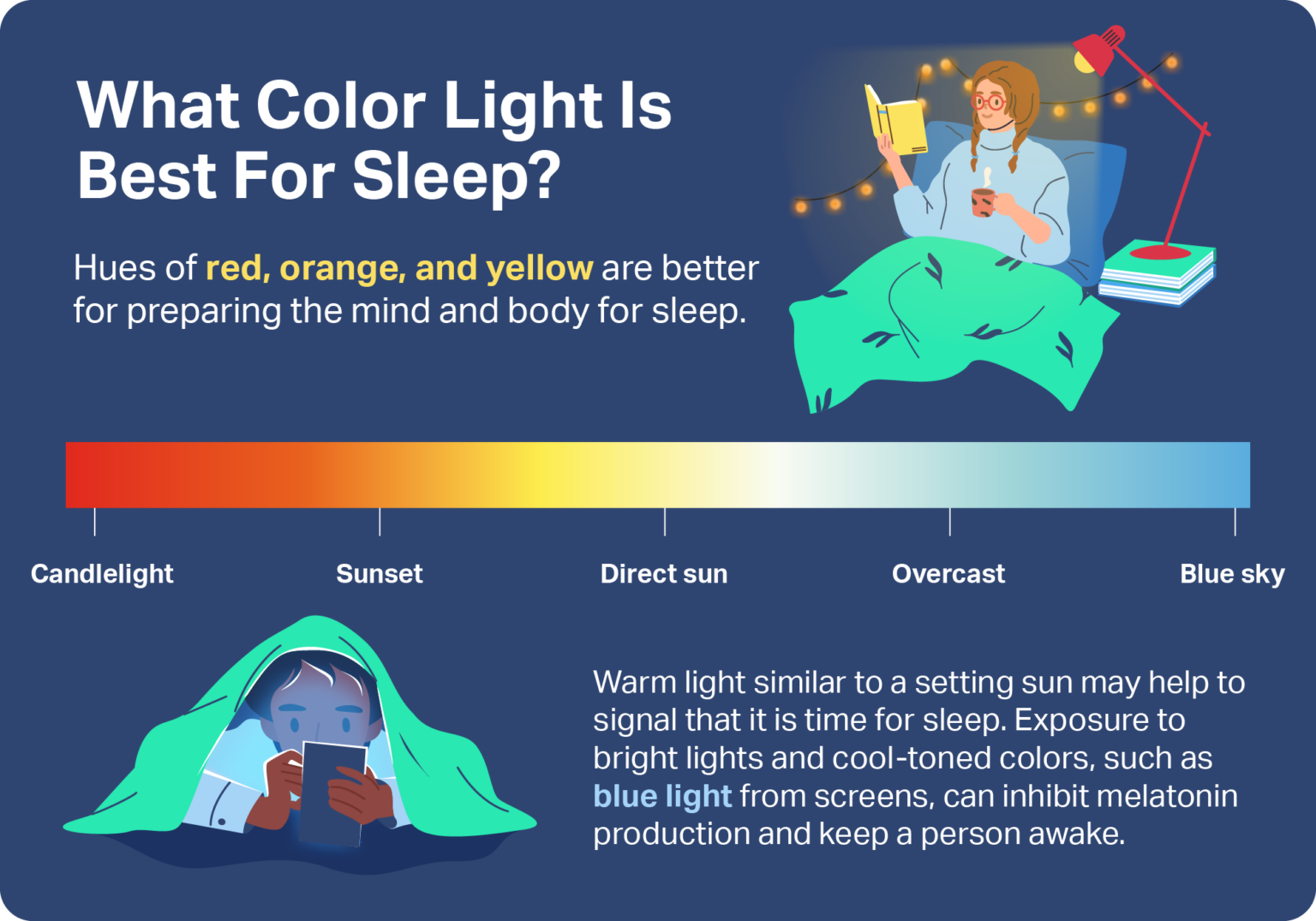
Source : empowersleep.com
What Even IS Circadian Rhythm Lighting?
Forget those old-school bulbs that just blast everything with the same harsh, white glare. Circadian lighting is way smarter. It mimics the natural progression of sunlight throughout the day. Think warm, soft tones in the morning to ease you awake, brighter, cooler light during the afternoon for focus, and then, the magic happens: a gradual shift to warm, dim hues as evening approaches. It’s basically telling your body, ‘Hey, it’s time to wind down, buddy.’ This clever trick syncs up with your body’s internal clock, your circadian rhythm, which dictates your sleep-wake cycles.
Your Body’s Built-in Clock: The Circadian Rhythm
Your circadian rhythm is this incredible, internal 24-hour cycle that controls pretty much everything – when you’re sleepy, when you’re alert, even when your body temperature dips. It’s your body’s master clock, and it’s heavily influenced by light. Light is the biggest cue telling your brain whether it’s daytime or nighttime. When you get the right kind of light at the right time, your body says, ‘Awesome, everything’s normal!’ and prepares for good sleep. But when that light signal gets messed up – like staring at a bright phone screen at midnight – your brain gets confused. It thinks it’s still daytime, and suddenly, sleep feels miles away. This is where smart lighting comes in.
How Artificial Light Screws With Your Sleep (And Everything Else)
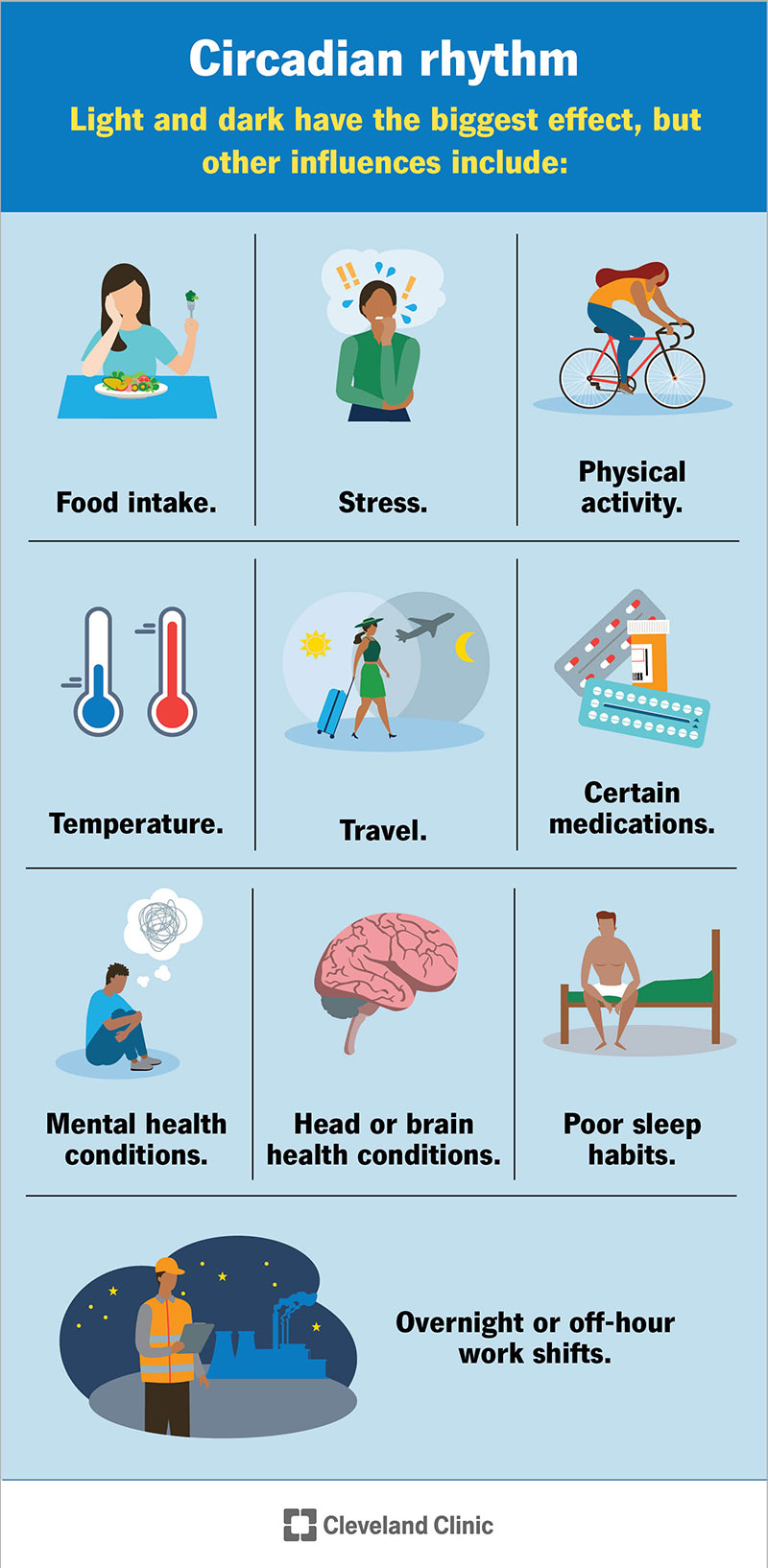
Let’s be real. Most of our lives are spent bathed in artificial light, and much of it is the wrong kind, at the wrong time. Think about it: harsh fluorescent lights at the office? Blue light bomb from your laptop? It’s constant. This exposure, especially in the hours leading up to bed, sends a confusing message to your brain. Your pineal gland, which produces melatonin (the sleep hormone), gets suppressed. Less melatonin means less sleepy. Simple as that. It’s not just about sleep, either. This disruption can mess with your mood, your focus, and even your long-term health. A study in Nature Medicine touches on the profound effects of light on our internal systems, showing just how critical proper light exposure is.
Source : my.clevelandclinic.org
The Sciencey Bit: Melatonin and Blue Light
Okay, quick science lesson. Melatonin is your body’s natural sleep signal. Its production ramps up as it gets dark, telling your brain it’s time to hit the hay. Blue light, the kind that dominates smartphone screens and many LED bulbs, is particularly good at telling your brain to stop making melatonin. It’s like yelling ‘FIRE!’ in a crowded theater when there’s no fire. Your brain freaks out, thinking it’s still high noon. Circadian lighting combats this by reducing blue light exposure in the evening, allowing your natural melatonin production to kick in. It’s about working with your biology, not against it. For a deeper dive into the science, check out the research on light’s effect on rhythms.
Benefits Beyond Just Zzz’s
Sure, better sleep is the main event here. Falling asleep faster, staying asleep longer, waking up feeling actually refreshed – it’s all on the table. But the perks don’t stop there. When your circadian rhythm is properly aligned, you often notice:
- Improved Mood: Less grogginess, less irritability. You might actually like mornings.
- Better Focus: Your brain works more efficiently when it’s not fighting its own internal clock.
- Increased Energy: Feeling more alert throughout the day means less reliance on that fourth cup of coffee.
- Potentially Healthier Long-Term: Chronic sleep disruption is linked to serious health issues. Getting your sleep on track is a huge win for your overall well-being. Some research suggests these lighting adjustments can even help manage conditions associated with disrupted sleep patterns.
It’s like tuning up a car engine. When everything’s aligned, the whole system runs smoother, faster, and more efficiently. Your body is no different.
Real-World Examples: Who’s Using This Stuff?
It’s not just some niche concept for tech geeks. Forward-thinking companies are installing circadian lighting systems in offices to boost productivity. Hospitals are using it to help patients recover faster (sleep is healing, after all!). And yes, people are installing it in their homes because, let’s face it, we’re all desperate for a good night’s sleep. Think about a company that designs its office space with dynamic lighting that shifts throughout the day. Employees are likely to feel more alert in the morning and more relaxed as the workday ends, leading to fewer errors and a better overall experience.
Types of Circadian Lighting Systems
So, how do you actually get this magic lighting in your life? There are a few ways:
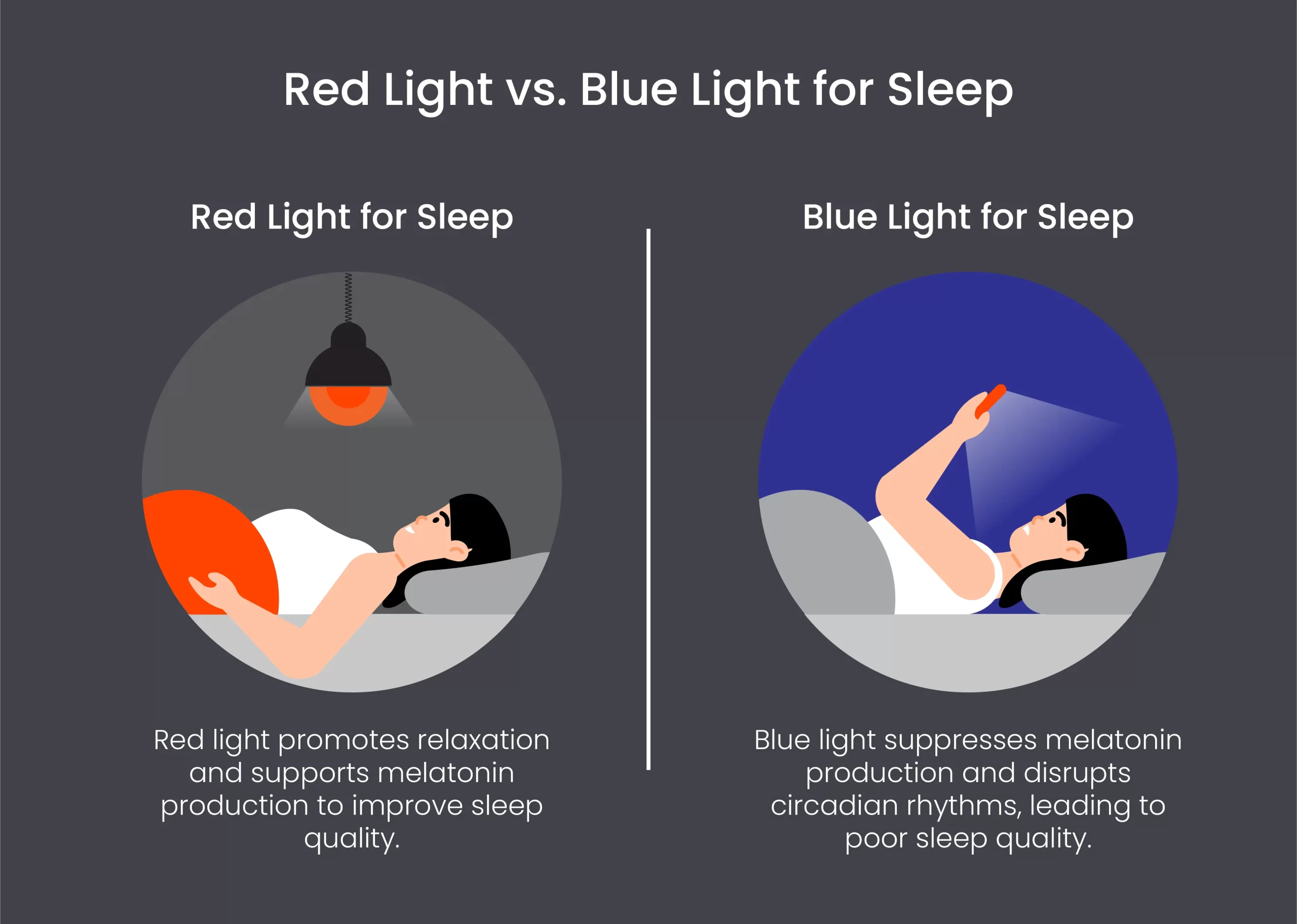
Source : laylasleep.com
Smart Bulbs and Apps
This is the most accessible option for most people. You can buy smart bulbs (like Philips Hue, LIFX, etc.) that coect to your Wi-Fi. Using their corresponding apps, you can schedule specific light colors and brightness levels throughout the day. Some even have pre-programmed ‘circadian’ settings. You can create routines: ‘Wake Up Gentle’ at 7 AM, ‘Focus Bright’ at 10 AM, ‘Wind Down Warm’ at 8 PM. It’s surprisingly easy to set up and makes a massive difference. You essentially gain control over your lighting.
Integrated Systems
For a more comprehensive setup, you can look into integrated systems. These are often installed during new construction or major renovations. They involve smart switches, dimmers, and fixtures all working together, often controlled by a central hub. This offers the most seamless experience but comes with a higher price tag and installation complexity. Think of a whole-house system where every light is on a schedule. This is the ultimate way to synchronize your environment with your natural rhythms.
Specialized Fixtures
There are also specific light fixtures designed with circadian principles in mind. These might be desk lamps, wall sconces, or even overhead lights that have built-in technology to automatically adjust their color temperature and intensity based on the time of day. These are great for targeted areas, like your bedside table or home office. A good example is a bedside lamp that automatically dims and warms up an hour before your usual bedtime, signaling it’s time to relax. This provides targeted sleep support.
Setting Up Your Own Circadian Lighting at Home
Ready to reclaim your nights? Here’s how to get started:

Source : empowersleep.com
- Assess Your Current Lighting: Take stock of your bulbs. Are they mostly harsh, cool LEDs? Do you have dimmers? Understanding your starting point is key.
- Start with Smart Bulbs: For most people, this is the easiest entry point. Pick a few key areas – your bedroom and living room are good starting points.
- Schedule Wisely: Use the apps to create a schedule that mimics natural light. Aim for warmer, dimmer light after sunset. Avoid bright, blue-heavy light in the 2-3 hours before bed.
- Dim the Lights (Literally): Even if you’re not using full circadian systems, simply dimming your lights in the evening makes a difference. Lower brightness signals to your brain that the day is ending.
- Consider Blue Light Filters: While circadian lighting is ideal, if you must use screens late at night, use blue light filtering apps or glasses. It’s not a perfect solution, but it helps.
- Be Consistent: Like any habit, consistency is crucial. Stick to your lighting schedule as much as possible, even on weekends, to really solidify those sleep-wake cycles.
Don’t overcomplicate it. The goal is to gently guide your body towards sleep, not to perform complex engineering feats. Simple changes can yield significant results.
Potential Downsides? Let’s Be Honest.
Okay, it’s not all sunshine and roses (pun intended). There are a couple of things to keep in mind:
- Cost: Smart bulbs and systems can be an investment. While individual bulbs aren’t bank-breaking, outfitting an entire house adds up.
- Complexity: For some, fiddling with apps and schedules might feel like another chore. It takes a little getting used to.
- The ‘Perfect’ Schedule is Tricky: Finding the exact right timing and color temperature for your body can take some experimentation. What works for me might not be ideal for you.
But honestly? For the potential gains in sleep quality and overall well-being, I think it’s a small price to pay. Especially compared to the cost of poor sleep on your health and productivity. The benefits often outweigh the initial setup hassle.
The Bottom Line: Light Up Your Life (the Right Way)
Your sleep is too important to leave to chance. And your lighting is a surprisingly powerful tool in your arsenal. By mimicking natural light patterns with circadian lighting, you’re sending clear, consistent signals to your body, helping it regulate its natural sleep-wake cycle. It’s about creating an environment that supports, rather than disrupts, your body’s iate biological processes. So, ditch those harsh overheads after dark. Embrace the warm glow. Your future, well-rested self will thank you. Seriously, give it a try. You might just be amazed at how much better you feel. It’s one of the most practical, scientifically-backed ways to improve sleep quality available today.
Frequently Asked Questions
-
Can circadian lighting really make that big of a difference for my sleep?
Absolutely! Think of it like this: your body has an internal clock, the circadian rhythm, and light is its main guide. When you expose yourself to the right light at the right times – warm and dim in the evening – it tells your brain, ‘Hey, time to make melatonin and get sleepy!’ Messy, artificial light, especially the blue light from screens, confuses this system. Circadian lighting helps get everything back in sync, leading to falling asleep faster and waking up more refreshed. It’s one of the most direct ways to support your natural sleep cycle.
-
Is it expensive to set up circadian lighting?
It doesn’t have to be! While high-end integrated systems can cost a pretty pey, you can start small with smart bulbs. These are relatively affordable, and you can gradually outfit your home. You can schedule them via an app to dim and warm up as the evening progresses. It’s a much cheaper than buying a whole new bed and honestly, way more effective for many people struggling with sleep. You’re investing in your well-being, after all.
-
What's the deal with blue light and sleep?
Blue light is the enemy of sleep, plain and simple. It’s the type of light that’s most effective at signaling to your brain that it’s daytime. Our screens – phones, tablets, computers, TVs – are huge emitters of this blue light. When you’re staring at them in the evening, your brain thinks, ‘Whoa, it’s still bright out!’ and suppresses the production of melatonin, the hormone that makes you feel sleepy. Using blue light filters or, even better, avoiding screens altogether in the hours before bed is crucial. Circadian lighting systems naturally reduce blue light as night approaches.
-
How quickly will I see results from using circadian lighting?
You might be surprised! Some people notice a difference within a few days – maybe falling asleep just a bit easier or feeling less groggy in the morning. Others find it takes a week or two for their body to really adjust to the new lighting cues. Consistency is key. Stick with a schedule that mimics natural light, and your body will likely start to fall into line. You’re essentially retraining your internal clock, and that takes a little time, but the sleep improvements are often worth the patience.
-
Are there specific times I should be more careful about lighting?
Definitely. The most critical time is the 2-3 hours before your intended bedtime. This is when your body naturally starts winding down and producing melatonin. Exposure to bright, cool-toned light during this period is like hitting the brakes on sleep preparation. So, dim your lights, switch to warmer tones, and try to minimize screen time. Conversely, getting some bright, natural-looking light exposure shortly after waking up can also help set your internal clock for the day and improve alertness.