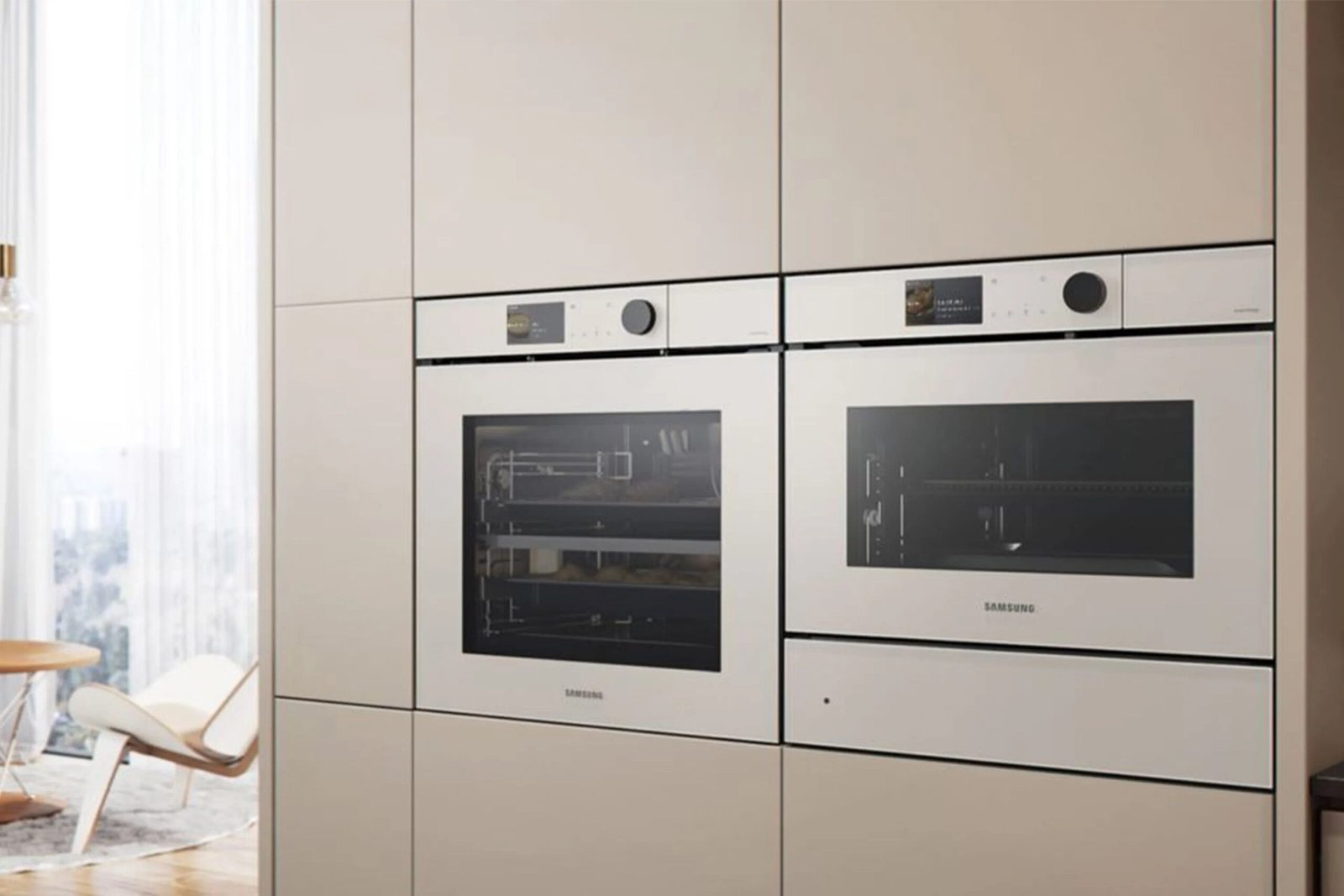
The AI Oven That Knows Your Dier Before You Do
Let’s be real, figuring out dier can feel like a whole new job after your actual job. You’re tired, the fridge is a mystery box, and the idea of following a recipe from start to finish? Forget it. But what if your oven could actually, you know, help? Not just heat things up, but figure out what you’re trying to cook and do it perfectly? That’s the wild promise of AI ovens that recognize your food. Imagine slapping some chicken breasts in there and the oven just knows it’s chicken, knows the thickness, and sets the right temp and time. Sounds like sci-fi, right? But it’s happening now, and it’s about to change how you cook.

Source : gearpatrol.com
This isn’t just about fancy buttons or an app that lets you preheat from the couch (though that’s cool too). We’re talking about ovens with built-in cameras and smart sensors that can identify the type of food you put inside. Chicken, steak, salmon, even a specific cake batter – these ovens are getting scary smart. They’re using artificial intelligence to analyze the food’s shape, size, and even its texture, then comparing that data to a massive database. The result? It takes the guesswork out of cooking, aiming for that perfect doneness every single time. No more dry chicken or undercooked veggies. It’s like having a personal chef built right into your kitchen appliance.
How Does This Food-Recognizing Magic Work?
Okay, so how does your oven get this psychic chef ability? It boils down to a few key technologies working together. First, there are the internal cameras. Think of them as your oven’s eyes. These aren’t just basic webcams; they’re designed to handle the heat and steam of an oven environment. They capture images of whatever you put on the baking tray or in the roasting pan.
Next up are the AI algorithms. This is the brainy part. The images captured by the camera are fed into sophisticated AI software. This software has been trained on thousands, maybe even millions, of images of different foods in various stages of cooking. It learns to identify patterns – the curve of a salmon fillet, the marbling on a steak, the general shape of a whole chicken. It’s like teaching a kid to identify animals, but way more complex and with a lot more data.

Source : agarikitchen.com
Then comes the processing. The AI analyzes the food’s characteristics – size, approximate thickness, even how it’s positioned. Based on this analysis, it cross-references its findings with its database of cooking instructions. It’s not just saying “that’s chicken.” It’s saying, “that’s a boneless, skinless chicken breast, about an inch thick, placed centrally on the rack.” From there, it selects the optimal cooking mode (bake, roast, broil), temperature, and duration to achieve the best possible result. Some even adjust mid-cook if they detect changes. It’s seriously impressive stuff and a huge leap from the ovens of yesteryear.
Beyond Recognition: Smart Ovens Get Personal
The coolest part? These smart ovens aren’t just stopping at food recognition. They’re starting to learn your preferences. Over time, some systems can track how you like your steak cooked (medium-rare, obviously) or how crispy you prefer your roasted potatoes. They build a profile based on your feedback and past cooking sessions. You might even be able to tell it, “I like my roast chicken a little more done than usual,” and it remembers that for next time. This level of personalization is what really starts to feel like a true kitchen assistant.
And let’s not forget the app integration. Most of these high-tech ovens come with a companion app for your smartphone. This is where you can get notifications (“Your chicken is done!”), adjust settings remotely, or even watch a live feed from inside the oven (yes, really!). It’s a convenient way to keep tabs on your food without standing in the kitchen the whole time. This is particularly useful for those longer cooking times or when you’re juggling multiple tasks. You can see exactly how that AI-cooked meal is progressing.
The Tech Giants Are All In
It’s not just a couple of niche brands dabbling in this. Major appliance manufacturers are pouring resources into developing these AI-powered cooking solutions. Brands like Bosch are exploring how their ovens can learn and adapt, making the cooking process more intuitive and less intimidating. They’re looking at creating ovens that can practically bake a perfect tart without you breaking a sweat, offering guidance and precision that serious home cooks and begiers alike can appreciate.
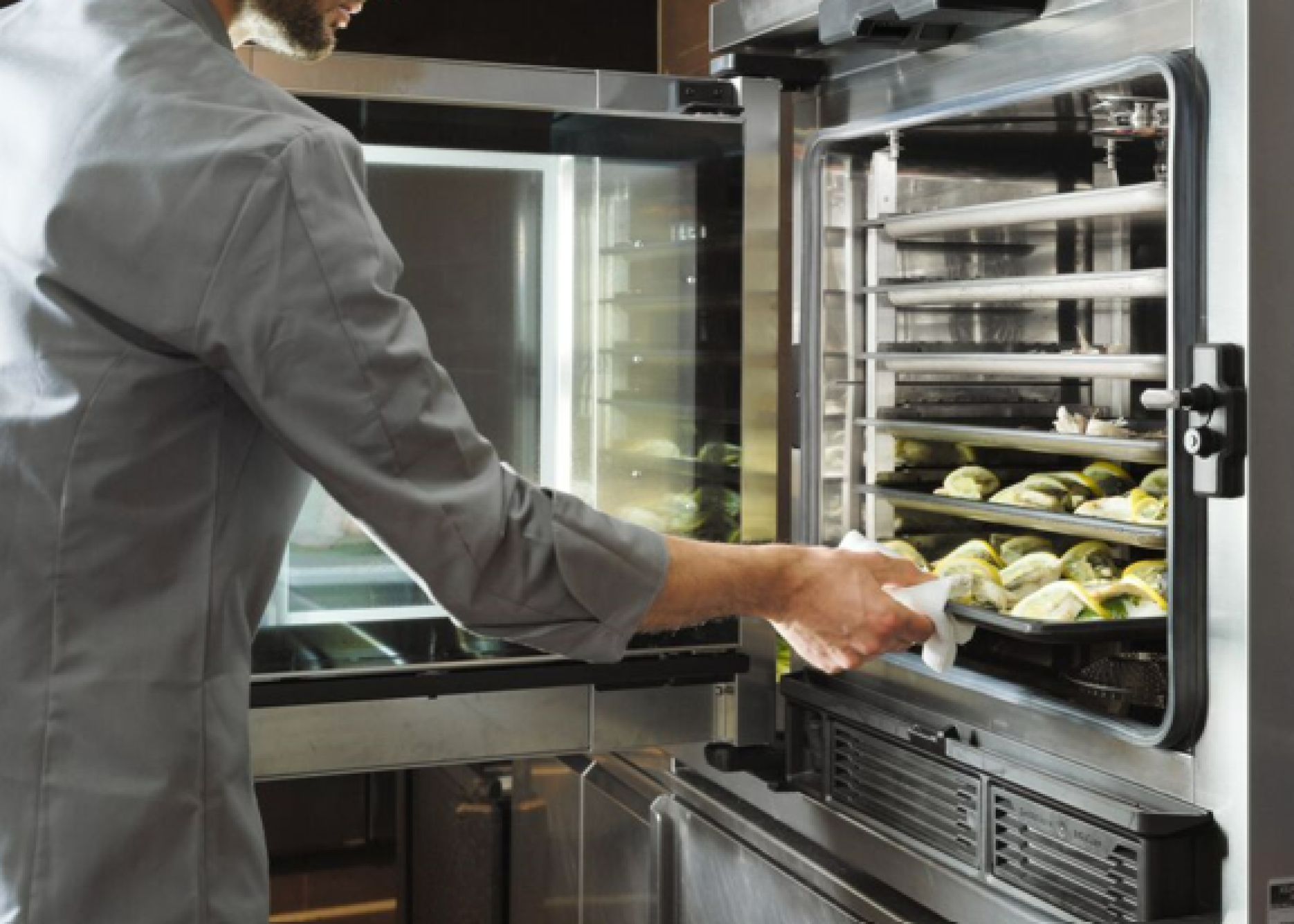
Source : craftguildofchefs.org
And then there’s GE Appliances with their GE Profile™ line. They’ve really pushed the envelope with features like their CookCam™ AI. This isn’t just a camera; it’s an AI-powered visual cooking assistant. It can identify food and give you alerts for things like burning. Imagine the peace of mind! They’re aiming to bring that professional chef level of precision and awareness right into your home kitchen. This kind of iovation is making smart home cooking a reality for more people.
So, What Can These Ovens Actually Cook?
The current capabilities are impressive, and they’re expanding rapidly. Right now, you’ll find these AI features excelling at cooking common proteins and simple baked goods. Think:
- Chicken: Whole chickens, breasts, thighs. The AI can usually distinguish between bone-in and boneless, skin-on or off, and adjust accordingly.
- Steak: Sirloin, ribeye, filet mignon – it can identify cuts and aim for your preferred doneness. This is a game-changer for steak lovers.
- Fish: Salmon fillets, cod, tilapia. Delicate proteins like fish require precise timing, and AI can nail it.
- Pork: Chops, tenderloins.
- Basic Baking: Cookies, muffins, some cakes. While complex pastry might still need a human touch, simpler bakes are well within reach.
- Vegetables: Roasting things like broccoli, potatoes, or asparagus often gets a smart boost in timing and temperature.
The underlying technology is all about pattern recognition. If it can recognize the shape and approximate density, it can likely cook it well. As the AI models get smarter and the databases grow, expect to see these ovens handle more complex dishes and even recognize specific types of bread or pastry. It’s a constantly evolving field, and the future of kitchen tech is looking very exciting.
Who Needs an AI Oven? (Spoiler: Probably You)
Okay, let’s break down who stands to benefit the most from these intelligent ovens. If you’re someone who:
- Hates cooking but loves eating good food. This is your ticket to effortless gourmet meals.
- Is short on time during the week. Imagine dier being mostly hands-off. Set it and forget it, but like, actually works.
- Lacks confidence in the kitchen. The AI acts as your personal sous-chef, guiding you to success. No more recipe disasters!
- Loves gadgets and tech. Let’s face it, this is just plain cool. Integrating smart tech into your home is a growing trend.
- Wants consistently perfect results. Tired of hitting or missing that perfect sear or roast? AI aims for perfection every time.
Honestly, if you own an oven and find yourself stressed about meal prep, these devices are worth a serious look. They aren’t just for the super-rich or the tech-obsessed anymore. They’re becoming more accessible and offer real solutions to everyday problems. Think about the convenience factor – it’s huge.

Source : iccadubai.ae
The Downsides? Let’s Keep It Real.
No new technology is perfect, right? While AI ovens are amazing, there are a few things to consider. First, the price tag. These advanced ovens are still on the premium end of the market. You’re definitely paying for that cutting-edge tech. It’s an investment, for sure. If you’re on a tight budget, this might be something to save up for or look at in a few years when prices come down.
Then there’s the learning curve. While the goal is simplicity, setting up the app, coecting to Wi-Fi, and understanding all the features can take a little time. It’s not plug-and-play like your grandma’s old gas oven. You might need to actually read the manual (gasp!) or watch a few tutorials. And some people just prefer the hands-on control. They enjoy the ritual of cooking and might feel like the AI takes some of the ‘art’ out of it. It’s a valid feeling! Forcing an AI on someone who loves traditional cooking might not be a recipe for happiness.
Also, what happens when the tech fails? If the camera glitches or the AI algorithm gets confused, you could end up with a less-than-ideal meal. While manufacturers are working hard to make these systems reliable, electronic components can fail. You’re relying on software and hardware working perfectly. Repairs on these complex machines could also be more expensive than fixing a standard oven. It’s a trade-off between convenience and complexity.
The Future is Already Here (And It’s Delicious)
The trajectory is clear: our kitchens are getting smarter. AI ovens that recognize food are just the begiing. We’re heading towards a future where appliances work together seamlessly, anticipate our needs, and make our lives easier and healthier. Imagine your fridge telling your oven what ingredients you have and suggesting recipes. Or your oven communicating with your smart air fryer to finish a meal perfectly.

Source : ktla.com
Brands are constantly iterating, improving the AI’s accuracy, expanding the food recognition database, and adding more intuitive controls. The goal is to make cooking so simple and foolproof that anyone can create restaurant-quality meals at home. It’s about taking the stress out of one of life’s daily necessities and making it enjoyable. This technology is making home cooking more accessible than ever before.
So, while the idea of an oven that cooks your food based on sight might seem futuristic, it’s firmly planted in the present. It’s a powerful tool that promises to revolutionize how we approach mealtime, offering convenience, consistency, and a touch of culinary magic right in our own homes. Get ready to say goodbye to cooking guesswork and hello to perfectly prepared meals, every single time. The age of the intelligent kitchen has truly arrived.
Frequently Asked Questions About AI Ovens
What is an AI oven?
An AI oven is basically a smart oven supercharged with artificial intelligence. It uses features like internal cameras, sensors, and sophisticated software algorithms to identify the food you put inside, figure out the best way to cook it, and often even adjust the cooking process automatically. Think of it as an oven that can ‘see’ and ‘think’ about your food to achieve perfect results with less guesswork from you. It’s a huge step up from just setting a temperature and timer.
What is the AI that recognizes food?
The AI that recognizes food is the software brain inside these smart ovens. It uses computer vision (like cameras) and machine learning models trained on vast datasets of food images. When you put food in the oven, the camera captures an image, and the AI analyzes it to identify the type of food (like chicken, steak, or a cake), its shape, size, and sometimes even its marbling or texture. It then uses this information to automatically select the right cooking mode, temperature, and time. This food recognition AI is the core technology making these ovens so smart.
Is there any AI for cooking?
Absolutely! AI for cooking is a rapidly growing field. Beyond just AI ovens, you’re seeing AI used in smart refrigerators that track inventory and suggest recipes, countertop smart ovens that can identify ingredients, and even apps that provide personalized meal plans and cooking guidance based on your dietary needs and preferences. Companies are developing sophisticated cooking assistant AI that can guide you step-by-step through recipes, offer real-time adjustments, and learn your taste preferences over time. It’s all about making the entire process of preparing food smarter and easier.
What is the cost of AI cooking device?
The cost for AI-enabled cooking devices, especially full-sized AI ovens, can be quite high because they represent the latest in kitchen technology. You’re typically looking at a price range anywhere from around $1,500 to upwards of $5,000 or more, depending on the brand, features, and size. Some smaller countertop smart ovens or air fryers with AI capabilities might be more affordable, perhaps in the $300-$800 range. These smart kitchen gadgets are an investment, but they offer significant convenience and performance benefits for those who can afford them.
Can AI ovens actually taste food?
That’s a fun thought! As of right now, no, AI ovens caot literally ‘taste’ your food like a human can. The ‘recognition’ is based on visual data (what the cameras see) and sometimes sensor data (like temperature probes). The AI analyzes the visual characteristics – shape, color, texture patterns – and uses its training to determine what the food is and how it should be cooked. It’s incredibly sophisticated pattern matching, not actual taste testing. So while they can cook food to perfection based on what they ‘see,’ they aren’t developing taste buds anytime soon!