How To Actually Build a Killer Personal Brand on LinkedIn (Without Looking Like a Tool)
Forget the fluff. You want to know how to make people pay attention to you on LinkedIn, right? Not just a few likes here and there, but real influence. The kind that opens doors.
Source : linkedin.com
Look, I’ve seen it all. The gurus preaching about “synergy” and “thought leadership” while churning out the same bland posts. It’s enough to make you want to unplug your laptop and move to a remote cabin. But here’s the deal: LinkedIn is too important to ignore. It’s where the decisions get made. It’s where the opportunities live.
So, how do you cut through the noise? How do you build something real? It’s not about fancy algorithms or buying followers. It’s about being strategic, being consistent, and most importantly, being you. Let’s break down how to build a strong online reputation.
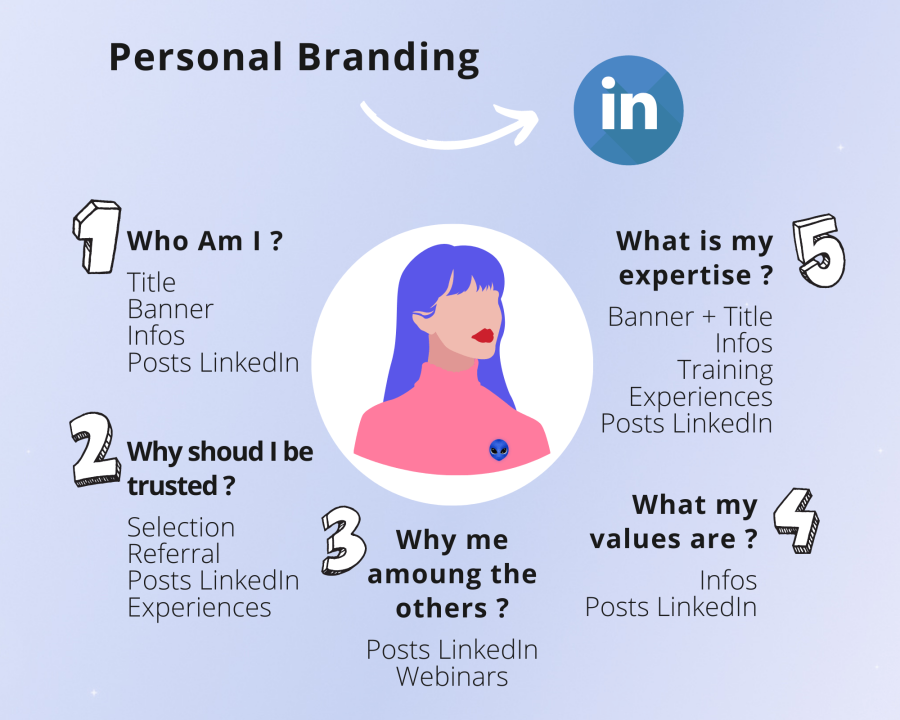
Step 1: Figure Out Who You Are (Seriously)
Before you even think about posting, you gotta know what you stand for. What makes you tick? What problems do you solve? If you can’t answer that for yourself, nobody else will. This isn’t just about your job title. It’s about your unique perspective, your values, your passion.
Think about it: If I asked your best friend to describe you in three words related to your work, what would they say? Would it match what you project online? This is your foundation for everything. Without this clarity, you’re just shouting into the void.
Step 2: Your Profile Isn’t Just a Resume

Source : christineung.com
Your LinkedIn profile. It’s your digital storefront. Most people treat it like a dusty old resume, just listing their jobs. Big mistake. Huge.
This is prime real estate. Your headline? It needs to grab attention and tell people what you DO and WHO YOU HELP. Forget the generic “Seeking Opportunities.” Try something like “Helping SaaS founders scale revenue through strategic marketing.” See the difference? It’s specific. It’s benefit-driven.
Your “About” section? This is where you tell your story. Inject your personality. Use it to coect with people on a deeper level. Show, don’t just tell. Instead of saying “I’m a great leader,” tell a quick story about a time you led a team through a tough challenge. Make it relatable. People coect with stories, not just bullet points. Your profile needs personality.
And don’t forget visuals! A professional, approachable headshot is non-negotiable. That blurry selfie from your cousin’s wedding? Get rid of it. Now.
Step 3: Content is King (But Only If It Doesn’t Suck)
This is where most people trip up. They post generic quotes, vague platitudes, or endless sales pitches. Nobody wants that. You need to offer value. Real, tangible value.
What kind of content works? Well, it depends on who you are and what you want to achieve. But generally, think about:
- Sharing your expertise: Teach people something. Break down a complex topic. Offer a solution to a common problem.
- Behind-the-scenes: Show your process. Talk about challenges you overcame. Be human.
- Industry insights: What’s happening in your field? Offer your take. Don’t just regurgitate news. Add your opinion.
- Asking questions: Spark conversations. Get people talking.
Check out different post types to shake things up. You don’t have to stick to just one thing. Variety keeps people engaged. Think about your audience. What do they care about?
Remember those 12 post types? Mix it up! One day it’s a quick tip, the next it’s a deeper dive into a challenge you faced. Consistency matters, but so does relevance. People follow you because they want to learn from you, be inspired by you, or maybe just find someone who gets it. Give them that. Create valuable content.
Step 4: Consistency Isn’t Just About Posting Daily
Anyone can post every day. But are you posting consistently in terms of your message and your voice? That’s the real goal. You want people to recognize your posts without even seeing your name.
Source : buffer.com

It’s about showing up regularly. Whether that’s three times a week or five times a week, find a rhythm you can maintain. This builds trust and keeps you top-of-mind. It’s not about burning yourself out. It’s about building a sustainable habit. This is how you build consistent brand recognition.
Set a schedule. Batch your content creation if that helps. Find what works for you. Don’t try to copy someone else’s schedule if it’s not realistic. Your brand needs to be authentic to your life, not a performance.
Step 5: Engage Like a Human, Not a Bot
LinkedIn is a SOCIAL network. Emphasis on SOCIAL. Posting content is only half the battle. You HAVE to engage with others.
What does that mean? It means commenting thoughtfully on other people’s posts. Not just “Great post!” but adding your own perspective. Ask follow-up questions. Share relevant experiences. Be part of the conversation. This is how you build relationships and get noticed by people outside your immediate circle. It’s about building real coections.
Also, respond to comments on your own posts! Don’t leave people hanging. Answer their questions. Acknowledge their thoughts. This shows you care and encourages more interaction. It’s a two-way street, remember?
Step 6: Network with Purpose
Your network is your net worth, cliché but true. But just collecting coections like Pokémon cards? Pointless. You need to be strategic about who you coect with.
Coect with people in your industry, potential clients, mentors, and even people you admire from afar. When you send a coection request, personalize it! Remind them how you know them or why you want to coect. A generic request screams “I don’t care enough to type two sentences.” Make it personal. This is about strategic networking.
Once coected, don’t just let them sit there. Engage with their content. Share relevant articles with them. Look for opportunities to help them out. It’s not just about what you can get; it’s about what you can give.
Step 7: Analyze and Adapt
Source : linkedin.com
How do you know what’s working? You look at the data! LinkedIn provides analytics on your posts and your profile views. Pay attention to what gets engagement. What topics resonate most with your audience?
Don’t be afraid to experiment. Try different formats, different topics, different posting times. See what moves the needle. Your personal brand isn’t static; it evolves. You need to evolve with it. This means tracking your progress.
Use these insights to refine your content strategy. Double down on what works, and don’t be afraid to ditch what doesn’t. It’s a continuous learning process. Keep refining your approach.
The Bottom Line: Be Authentic, Be Valuable, Be Consistent
Building a personal brand on LinkedIn isn’t a magic trick. It takes time, effort, and a genuine desire to coect and provide value. Stop trying to be someone you’re not. Focus on what makes you unique. Share your knowledge generously. And show up, day after day.
It’s about building trust and authority over time. It’s about becoming the go-to person in your field. When you do that, opportunities will naturally find you. You’ve got this. Now go make it happen.
Frequently Asked Questions
What are the 5 C’s of personal branding?
Ah, the 5 C’s. Great question! While there isn’t one universally agreed-upon list, generally people are talking about Clarity, Consistency, Coection, Content, and Credibility. Clarity is knowing who you are and what you offer. Consistency means showing up regularly with a unified message. Coection is about building relationships. Content is the value you share. And Credibility is the trust you build through all of it. Nail these, and you’re well on your way.
How often should I post on LinkedIn?
Honestly? As often as you can maintain quality and consistency. Posting daily can be great if you have the capacity to create valuable content without burning out. But if daily feels like too much, aim for 3-5 times a week. The key isn’t just frequency, it’s showing up regularly with posts that offer real value and align with your brand. Better 3 great posts a week than 7 mediocre ones.
What’s the difference between a personal brand and a company brand?
Think of it like this: a company brand is the face of an organization – its mission, values, products. A personal brand is yours. It’s about your individual expertise, reputation, and the unique value you bring. While a company brand is often about collective goals, your personal brand is deeply rooted in your individual journey, skills, and personality. It’s more intimate.
How do I deal with negative comments or criticism on LinkedIn?
Ugh, the trolls. It happens. First, breathe. Don’t react emotionally. If it’s constructive criticism, consider it. Maybe there’s a valid point. If it’s just hate or spam, ignore it or delete it. You can also block persistent offenders. The goal is to maintain your professional online presence. Don’t let a few bad apples derail your efforts. Respond professionally if needed, or simply move on.
Can I build a personal brand on LinkedIn without being super outgoing?
Absolutely! You don’t need to be the loudest voice in the room. Personal branding is more about being consistently valuable than being extroverted. You can share insightful articles, ask thought-provoking questions, and engage deeply in comments. Your authenticity will shine through, even if you’re more introverted. Focus on sharing your expertise and building meaningful coections, that’s the real game.