The Freelance Economy is Exploding. Are You Ready?
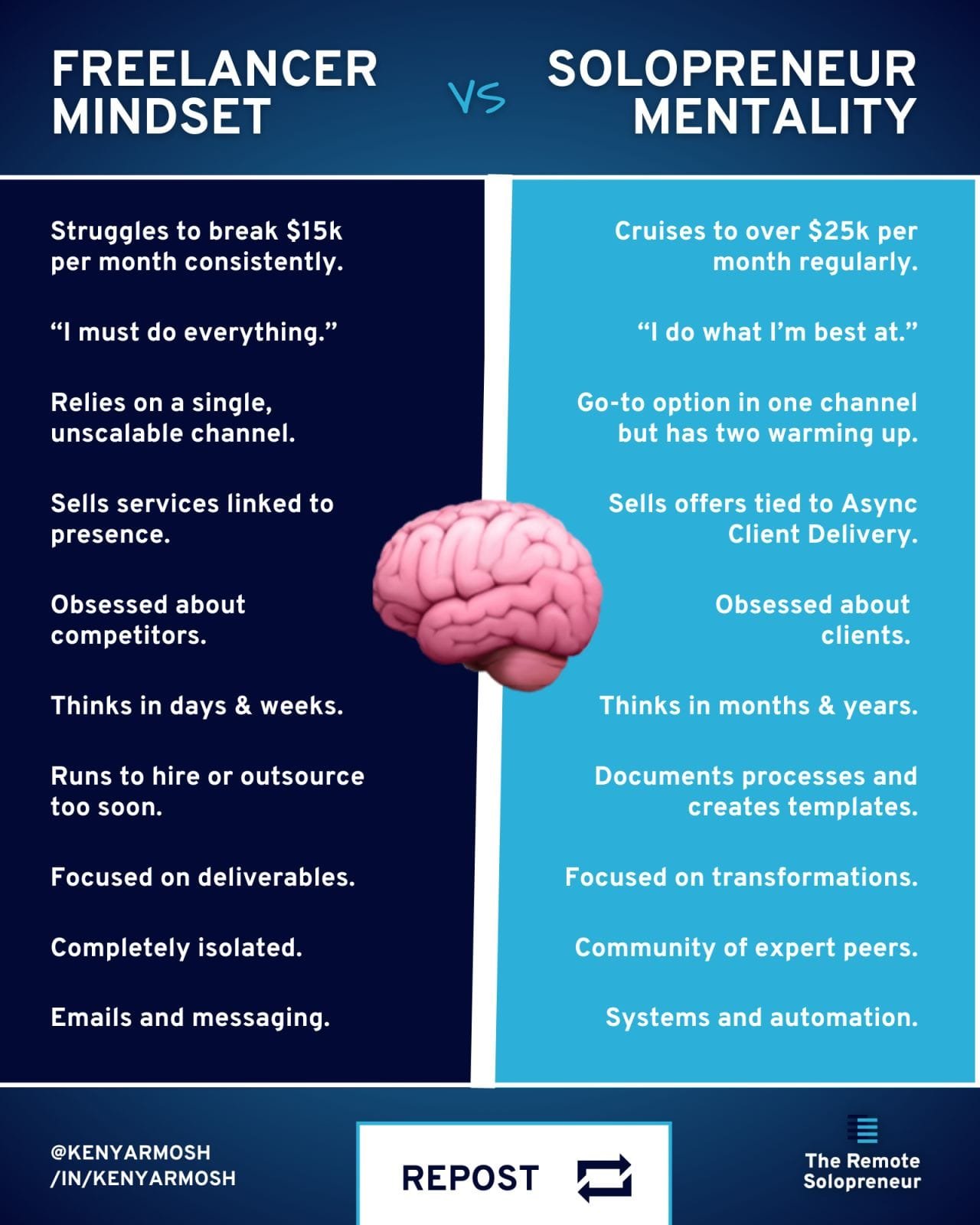
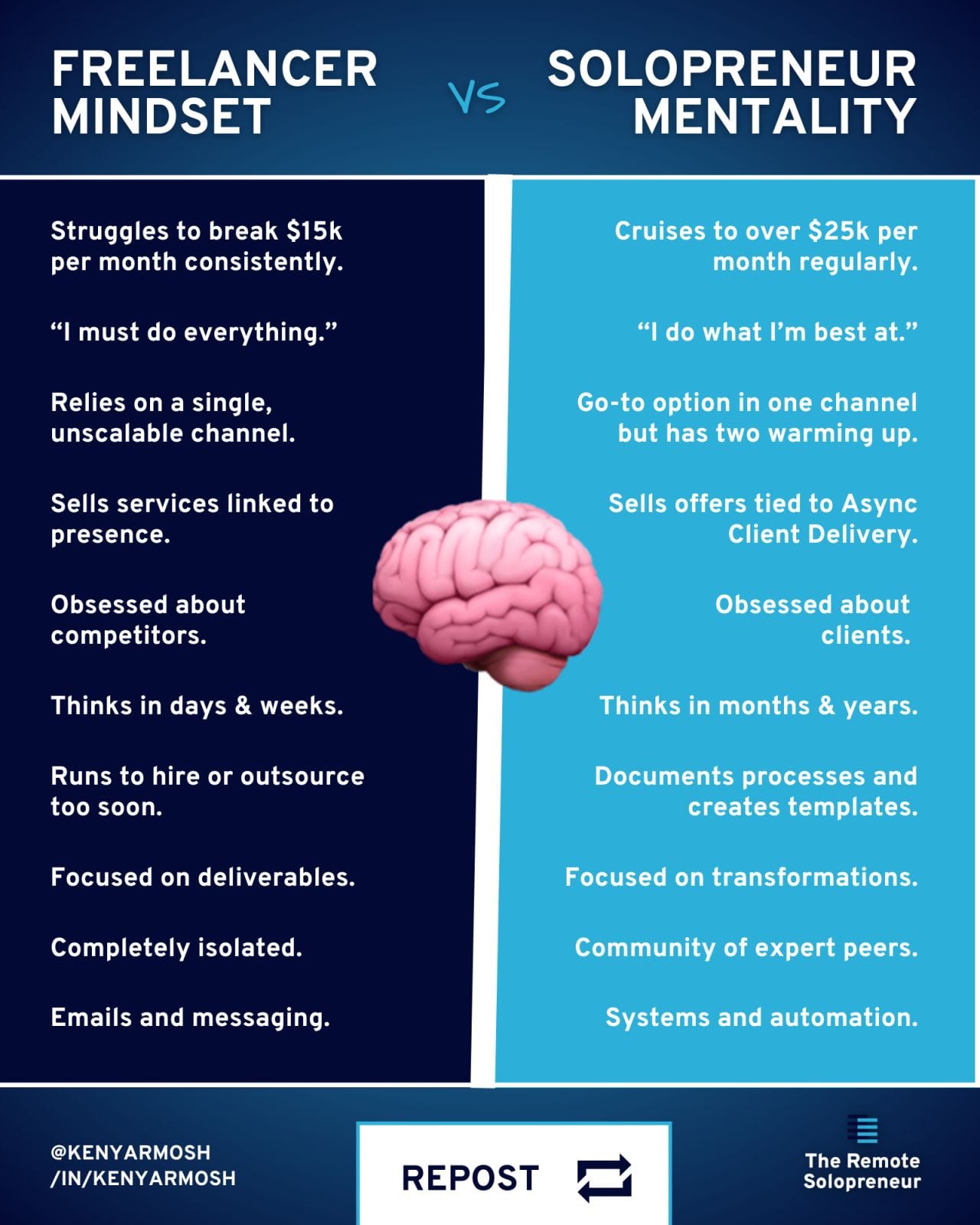
Forget the 9-to-5 grind. Seriously. We’re living through a seismic shift, a full-blown freelance revolution. People are ditching the cubicle farms for the sweet freedom of being their own boss. It’s not just a trend; it’s the future, and it’s happening NOW. You’ve probably seen it everywhere, right? Your neighbor’s cousin who quit to sell artisanal dog treats online, that graphic designer who now cruises the world from a beachside cafe… it’s real. And it’s bigger than you think.
Source : kenyarmosh.com
This isn’t some niche thing anymore. The freelance economy is booming, and solo-preneurship? That’s the engine driving it. Think about it: why would anyone want to trade their autonomy for TPS reports and soul-crushing meetings? The answer is simple: they don’t. Not when there are lucrative opportunities literally everywhere, waiting for someone bold enough to grab them. This post is your deep dive into what’s really going on, why it matters to YOU, and how you can actually make it work.
Where Did All These Freelancers Come From?
It wasn’t overnight, obviously. For years, we saw the slow creep of the gig economy. TaskRabbit, Upwork, Fiverr – they started small, niche services. But then, technology caught up. The internet got faster, collaboration tools got smarter, and suddenly, working from anywhere wasn’t just a dream; it was a practical reality. Add to that a global pandemic that forced millions into remote work, proving it’s not only possible but often better, and BAM! You’ve got the perfect storm.
People realized they didn’t need to be chained to a desk in a specific city to earn a good living. The digital nomad dream? It’s becoming a real thing for more people than ever. Plus, let’s be honest, corporate life can be… draining. Layoffs happen, company cultures change, and that feeling of job security? It’s often an illusion. So, individuals started taking matters into their own hands, building something for themselves, something stable that they own. It’s about taking control of your career and your life. Simple as that.
The Rise of the Solo-Preneur: Your Own Damn Boss
Okay, so what’s the big deal about being a solo-preneur? It’s more than just freelancing. It’s about building a brand, a business, a lifestyle around your skills. You’re not just a cog in someone else’s machine; you’re the entire dang factory. This means you get to decide who you work with, what projects you take on, and, crucially, how much you charge. No more begging for raises.
Imagine this: you’re a killer web designer. Instead of working for agency A, churning out sites for clients you barely care about, you decide to build a boutique agency focused only on eco-friendly businesses. You set your rates high because you know your niche. You work when you want, from wherever you want. That’s the solo-preneur path. It’s about strategic independence. You’re not just an employee; you’re the CEO, the marketing department, the sales team, and the talent, all rolled into one. It’s hard work, no doubt, but the rewards? Astronomical.
Why Go Solo? The Real Perks (Beyond Free Coffee)
Let’s cut the fluff. Why should you even consider this path? Because the benefits are massive, and they go way beyond just not having to wear pants to work.
Ultimate Flexibility
This is the big one, right? You want to take that spontaneous trip to Bali? You want to be there for your kid’s school play without asking for permission? You set your own schedule. It’s pure freedom. No more clock-watching or begging for time off. Need a mental health day? Take it. The work will still be there when you get back, and because you’re in charge, you can plan for those gaps.
Sky’s the Limit on Income
With a traditional job, your earning potential is capped. Your boss decides your salary. As a solo-preneur, your income is directly tied to the value you provide and the hustle you put in. Want to make six figures? Seven? It’s entirely possible. You can scale your business, hire help, and expand your offerings. It’s about unlimited earning potential. Think of the impact that could have on your life.
Work You Actually Care About
Tired of working on projects that bore you to tears or even conflict with your values? As your own boss, you get to choose. Want to help non-profits? Build apps for social good? Design for cutting-edge startups? You call the shots. This means you’re more likely to be passionate about your work, which, believe me, makes all the difference. It’s about meaningful work.
Skill Development Galore
When you’re running your own show, you wear all the hats. You’ll learn about marketing, sales, finance, project management, client relations – skills you might never touch in a corporate role. This broad skill set makes you incredibly adaptable and valuable. You’re not just a specialist; you’re a well-rounded business person. It’s a crash course in entrepreneurship.
Direct Impact and Recognition
When you nail a project for a client, you see the direct results of your effort. The happy client, the successful outcome – it’s incredibly rewarding. You get direct feedback and build lasting relationships. That’s a far cry from the anonymous churn of a large corporation. You’re building something tangible and getting recognized for it, which feels damn good. It’s about seeing your work shine.
It’s Not All Sunshine and Rainbows: The Solo-preneur Hurdles
Now, let’s get real. It’s not always easy. You’re trading one set of challenges for another. You need to be prepared.
Income Instability is Real
Some months will be fantastic, others… not so much. You’ll have feast and famine cycles, especially early on. This requires serious budgeting and saving. You can’t just expect a steady paycheck to hit your account every two weeks. You need a solid financial plan to weather the storms. It’s a tough pill to swallow, but vital.
You ARE the Support Department
Got a tech issue? Need to chase an invoice? Dealing with a difficult client? It all falls on you. There’s no IT department or HR to handle things. You are the jack-of-all-trades, and sometimes, that means debugging your own printer at 10 PM. It can be exhausting. You need to be incredibly self-reliant and resourceful.
Isolation Can Creep In
Working alone all day can get lonely. You miss the office banter, the quick chats by the water cooler. It’s crucial to actively seek out connections, join communities, and network. Otherwise, you’ll feel like you’re shouting into the void. Finding your tribe is key to staying sane and motivated. Don’t underestimate the need for human connection.
Wearing Too Many Hats (The Bad Kind)
While skill development is great, sometimes you’ll feel overwhelmed by the sheer volume of tasks. You’re the CEO, the marketer, the accountant, the cleaner… all at once. Learning to delegate or outsource is essential, but that costs money, which brings us back to income instability. It’s a constant balancing act to figure out what you must do and what you can offload. You need to be incredibly organized and efficient.
How to Build a One-Person Business to 100k

Source : youtube.com
From Side Hustle to Six Figures
So, you’re dreaming of ditching the 9-to-5 and building your own empire, right? It’s totally doable. Forget those gurus telling you it’s impossible. I’ve seen it happen. You start small, maybe a side gig. You nail a few projects, get some rave reviews. That’s your fuel. Then, you double down. You figure out what clients really want, not just what you think they want. It’s about solving their problems, consistently. That’s how you get from $10 an hour to… well, a lot more. Remember, scaling isn’t about working harder, it’s about working smarter. And that means saying ‘no’ to the low-paying gigs. Brutal? Maybe. Effective? Absolutely. Your time is gold, treat it that way.
Finding Your Niche and Owning It
Look, the world’s drowning in generalists. Everyone’s a “digital marketer” or a “web designer.” Yawn. You gotta carve out your own slice of the pie. What are you freaking good at? Like, annoyingly good? Maybe you can write email copy that converts like crazy. Or perhaps you’re a wizard with HubSpot automation. Whatever it is, lean into it. Become the go-to person for that specific thing. Don’t be afraid to specialize. It sounds counterintuitive, but the narrower your focus, the bigger your impact (and your paycheck). Think of that one guy who only fixes vintage watches. He charges a fortune. You can do that with your skills. Seriously.
Pricing Strategies That Actually Work
Stop leaving money on the table. Seriously. Too many freelancers undercharge because they’re scared. Scared of what? Losing a client? If they’re scared off by fair pricing, they weren’t your ideal client anyway. Figure out your value. What’s the ROI you deliver? If you help a business land a $50,000 deal, are you going to charge them $50? No way. You charge based on the results you bring. I like to think in retainers. Predictable income is the holy grail for solo-preneurs. A monthly fee for ongoing work. It’s stable. It’s profitable. It means you’re not chasing invoices every other week. My advice? Start with value-based pricing and then move towards retainers.
Automating Freelance Taxes with 2026 Software
Source : skfinancial.com
The Dreaded Tax Beast, Tamed
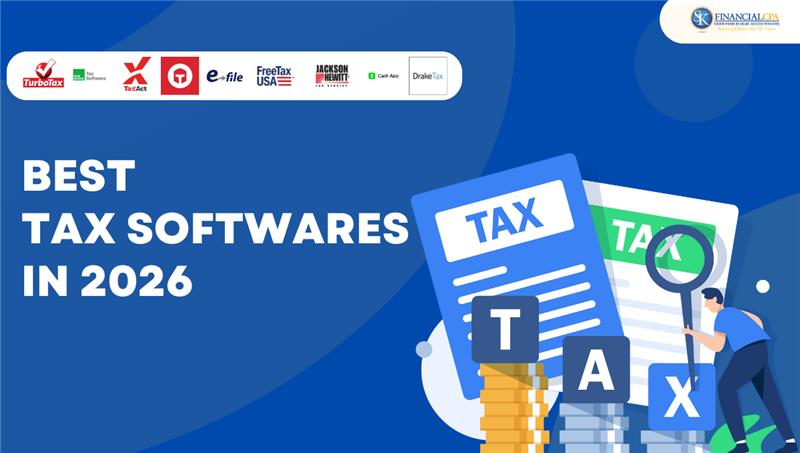
Okay, let’s talk about the thing nobody wants to talk about: taxes. As a freelancer, it’s your responsibility. And frankly, it can be a nightmare if you let it. But here’s the good news: technology is your friend. We’re talking about software specifically designed for the self-employed. Tools that track your income and expenses automatically. Think of it like having a mini-accountant living in your computer. You connect your bank accounts, scan receipts with your phone, and boom. It categorizes everything. This isn’t just about saving time; it’s about avoiding costly mistakes. Because trust me, the IRS doesn’t mess around.
Estimating and Paying Quarterly
This is non-negotiable. If you owe more than $1,000 in taxes for the year, you must pay estimated taxes quarterly. Failure to do so means penalties. Ouch. So, what does that actually look like? You estimate your annual income, calculate the tax, and pay it in four installments throughout the year. Tax software makes this SO much easier. It’ll crunch the numbers based on your income and deductions. Some tools even let you pay directly from the app. It’s like setting up an auto-draft for your tax bill. Do this. Now. Don’t wait until April 15th and have a heart attack.
Choosing the Right Tax Software for You
The market’s flooded, I know. But not all tax software is created equal, especially for freelancers. You need something that understands freelance income, self-employment tax, and common business deductions. Look for features like mileage tracking (if you drive for work), receipt scanning, and integration with your bank accounts. Some popular options include QuickBooks Self-Employed, FreshBooks (which also does invoicing), and Xero. I’ve used QuickBooks SE myself, and it’s pretty slick for tracking expenses on the go. What you pay for is peace of mind and avoiding those nasty penalty notices. It’s an investment, not an expense.
Deductions: Your Secret Weapon
This is where you save real money. As a freelancer, you can deduct a TON of business expenses. Home office deduction? Yep. Your internet bill? Part of it. Software subscriptions? Absolutely. Professional development courses? You bet. Travel expenses? Usually. The key is to track everything. Use your tax software, keep meticulous records. Think of every dollar you spend on your business as a potential dollar saved on taxes. This isn’t about being sneaky; it’s about understanding the tax code. It’s designed to let businesses deduct legitimate costs of operating. So, deduct away. Just keep proof!
Building a Personal Brand on LinkedIn
Source : linkedin.com

Why LinkedIn Isn’t Just for Job Hunting
Forget what you think you know about LinkedIn. It’s not just a digital resume for desperate folks looking for a corporate gig. Nah. It’s a goldmine for freelancers. A place where you can showcase your expertise, connect with potential clients, and build serious credibility. Think of it as your professional stage. You wouldn’t show up to a speaking gig in pajamas, right? Same applies here. A well-crafted profile, consistent posting, and genuine engagement? That’s your ticket to getting noticed by the right people. People who actually need what you do and have the budget to pay for it.
Crafting a Profile That Grabs Attention
Your LinkedIn profile is your digital handshake. Make it count. Start with a killer headline. Don’t just put “Freelance Writer.” Try “Helping SaaS companies boost conversions with persuasive website copy.” See the difference? It tells people what you do and who you help. Your ‘About’ section? That’s your chance to tell your story, highlight your achievements, and inject some personality. Use keywords clients might search for. Upload a professional photo – no selfies with your cat, please. And get recommendations! Social proof is huge. Ask past clients for a few sentences about working with you. It builds trust faster than anything.
Content Strategy: Post Like a Pro
This is where most people drop the ball. They create a profile and then forget about it. Wrong. You gotta show up. Consistently. What should you post? Share insights from your industry. Offer quick tips related to your niche. Comment thoughtfully on other people’s posts. Tell stories about projects (anonymized, of course) and what you learned. Video? Even better. Short, punchy videos explaining a concept or sharing a quick win. The goal isn’t to sell constantly; it’s to provide value. Build authority. Become the person people think of when they need your specific skill. Consistency is king here. Post three times a week, minimum.
Networking That Actually Works
Don’t just collect connections like trading cards. Engage! When you see someone post something interesting, comment. Send a personalized message to people you want to connect with. Don’t ask for work immediately. Build rapport first. Ask about their business, their challenges. Offer help or an insight. It’s about building relationships. Think long-term. A client you connect with today might need your services in six months. Or they might refer you to someone else. This isn’t about being spammy; it’s about being genuinely helpful and visible in your professional community. It’s about making friends before you need them.
Navigating Health Insurance as an Independent Contractor

Source : amazon.com
The Self-Inflicted Insurance Headache
Ah, health insurance. The joy. For most traditional employees, it’s a given. But for us freelancers? It’s a whole different ballgame. And honestly, it can feel like navigating a minefield blindfolded. You’re out there on your own, responsible for your own coverage. The fear of getting sick and facing astronomical bills is real. But here’s the deal: it’s not impossible. You just need to know where to look and what your options are. Ignoring it is the worst possible strategy. A major medical event can wipe out years of hard-earned freelance income. Don’t let that happen.
Exploring Your Options: Marketplace Plans
The Affordable Care Act (ACA) Marketplace is usually your first stop. Depending on your income, you might even qualify for subsidies that make your monthly premiums way more affordable. You can compare different plans side-by-side – PPOs, HMOs, high-deductible plans. They all have different networks, deductibles, and co-pays. It’s crucial to understand what these terms mean for you. What doctors do you see? What prescriptions do you take? Get clear on your needs before you start browsing. You can check out plans and see potential savings at Healthcare.gov.
Short-Term Plans: A Risky Bet?
Short-term health insurance plans exist. They’re usually cheaper, but be warned: they offer much less coverage. They often don’t cover pre-existing conditions. They might have lower coverage limits. And they don’t meet the ACA’s requirements for minimum essential coverage. So, while they might seem like a tempting budget-friendly option, they can leave you seriously exposed if something major happens. It’s like buying a flimsy umbrella in a hurricane. Generally, I advise caution. For long-term stability, ACA plans are usually the way to go.
Health Sharing Ministries and Other Alternatives
There are also things like health sharing ministries. These aren’t technically insurance. Members pool their money to pay for each other’s medical bills. They can be cheaper, but they come with their own set of rules and limitations. You need to read the fine print carefully. Some have religious requirements. Also, consider if your spouse has employer-sponsored insurance – sometimes joining their plan is your best bet. And don’t forget about professional organizations. Many offer group insurance rates to their members. Do your homework!
The Best Invoicing Tools for Global Clients

Source : zapier.com
Getting Paid Across Borders: It’s Tricky
You land a client in Germany. Awesome! But how do you bill them? How do you get paid in Euros without losing half your money to fees? This is where good invoicing software becomes your superpower. If you’re just sending a Word doc with your bank details, you’re asking for trouble. International clients expect professionalism. They want clear invoices, easy payment options, and currency conversions handled smoothly. And you? You want to get paid quickly and without drama. It’s about making the whole process as painless as possible for everyone involved.
Key Features to Look For
When you’re dealing with clients worldwide, your invoicing tool needs to be robust. Here’s what I always look for:
| Feature | Why It Matters for Global Clients | Example |
|---|---|---|
| Multi-Currency Support | Bill clients in their local currency, avoiding confusion and exchange rate headaches. | Invoice a UK client in GBP. |
| Multiple Payment Gateways | Offer options like PayPal, Stripe, Wise (formerly TransferWise), direct bank transfers. Gives clients flexibility. | Client pays via their preferred method. |
| Automated Currency Conversion | Software handles the exchange rate calculation for you. Less math, fewer errors. | See the USD equivalent of an invoice instantly. |
| Professional Templates | Look polished and credible, regardless of where the client is. | Customizable invoice design. |
| Time Tracking Integration | If you bill hourly, seamlessly track time and convert it to an invoice. | Track project hours automatically. |
Top Picks for International Freelancers
Okay, so which tools actually nail this? FreshBooks is a perennial favorite for freelancers. It’s super intuitive, handles multiple currencies well, and integrates with tons of payment gateways. Wave is a solid free option if your needs are simpler, but its international features might be a bit more basic. For ultimate flexibility and low fees on international transfers, Wise (formerly TransferWise) is fantastic – they offer business accounts and invoicing too. And if you’re dealing with tons of clients and need serious power, look at Xero or QuickBooks Online. They’re more accounting suites than just invoicing, but they handle global transactions like pros.
Managing Foreign Transaction Fees
This is where many freelancers lose money. Payment processors and banks charge fees for international transactions. Credit card fees, currency conversion fees, wire transfer fees… they add up fast. Your goal is to minimize these. Using Wise for payments often cuts down significantly on fees compared to traditional banks or even PayPal sometimes. When setting your rates, factor in these potential costs. You might need to charge a slightly higher rate for international clients to cover the extra fees. Transparency is key. Let your client know if certain payment methods incur extra charges.
Frequently Asked Questions
-
Is the freelance economy booming right now?
You bet it is. The freelance economy is absolutely on fire. More and more people are ditching the traditional 9-to-5 for the freedom and flexibility of working for themselves. Businesses are also catching on, realizing they can get specialized talent on demand without the long-term overhead of full-time employees. It’s a win-win situation right now, a real growth phase.
-
Can I make $1000 a month freelance writing?
Absolutely. $1000 a month is totally achievable for freelance writers, especially if you’re just starting out. Charge, say, $50 per article and you only need 20 articles a month. Or if you’re doing higher-paying work like website copy, maybe just a few projects. The key is finding your niche, building a portfolio, and not being afraid to charge what you’re worth. It takes hustle, but the money’s there.
-
Is Elon Musk a solopreneur?
That’s a fun one! Technically, no. While Elon Musk is the visionary driving force behind companies like Tesla and SpaceX, he’s not a solopreneur in the classic sense. He leads massive teams and organizations. A solopreneur is typically one person ruing their entire business, often from their laptop. Musk is more of a…
-
What are the biggest challenges facing freelancers today?
Honestly? It’s probably income instability and the constant hustle for new work. One month you might be swimming in projects, the next it’s crickets. Plus, you’re responsible for your own taxes, insurance, and retirement plaing, which can feel overwhelming compared to a traditional job. Finding that consistent client flow is the big one for most freelancers.
-
How do I find my first freelance clients?
Start with who you know! Let friends, family, and former colleagues know you’re offering services. Then, hit up online platforms like Upwork or Fiverr, but don’t expect gold overnight. Networking is HUGE. Go to industry events (even virtual ones!), join relevant Facebook groups or Slack chaels, and engage with potential clients directly. Sometimes, just reaching out with a specific idea for how you can help them is all it takes.