Data Privacy Day: Reclaiming Your Digital Footprint
Look, we all live online now, right? Like, really live. Your photos, your thoughts, your secrets, your embarrassing late-night Amazon purchases – it’s all out there. And let’s be honest, most of us just toss our digital lives around like confetti without a second thought. But January 28th, that’sData Privacy Day. A day to kinda, you know,clean up the mess. Or at least think about it. Because if you’re not paying attention, your digital footprint? It’s goa leave a mark. A big one.
Source : bitdefender.com
Your Digital Life: A Wild West of Data
Think about it. Every click, every share, every ‘accept all cookies’ button you blindly smash – it’s all data. And who’s scooping it up? Everyone. Advertisers, data brokers, maybe even that shady character you met on a forum once. It’s amassive data collectioneffort, and you’re the unwitting star. We’ve all heard the horror stories, right? Data breaches, identity theft, targeted ads that are just too specific. It feels overwhelming. Like trying to bail out a sinking ship with a teacup.
Why You Should Actually Care (Besides the Obvious)
Yeah, yeah, ‘privacy matters’. We get it. But let’s get real. This isn’t just about some abstract concept. This is aboutyour actual life. Your money, your reputation, your peace of mind. Imagine someone knowing all your financial habits. Creepy, right? Or your medical history? Nightmare fuel. Yourdigital footprintis basically an open book about who you are, what you want, and what you fear. And in the wrong hands? That’s a serious problem. It’s not just about hiding things; it’s aboutcontrolling your narrative. You wouldn’t leave your diary on a park bench, so why leave your entire digital life exposed?

Source : hks.harvard.edu
The Big Name Players and Their Data Playgrounds
Let’s talk about the elephant in the room: the tech giants. Google, Facebook (Meta, whatever they call themselves now), Amazon. They’re not exactly charities. Their business model? Data.Your data. They build these amazing, addictive platforms, and in return, they get to know everything about you. Every search, every ‘like’, every purchase. It’s aconstant data streamfeeding their algorithms. And while they say it’s for ‘personalization,’ let’s be honest, it’s mostly about selling you more stuff or influencing your opinions. It’s asophisticated data gameand most of us are playing without even realizing we’re on the board.
What is Data Privacy Day Anyway?
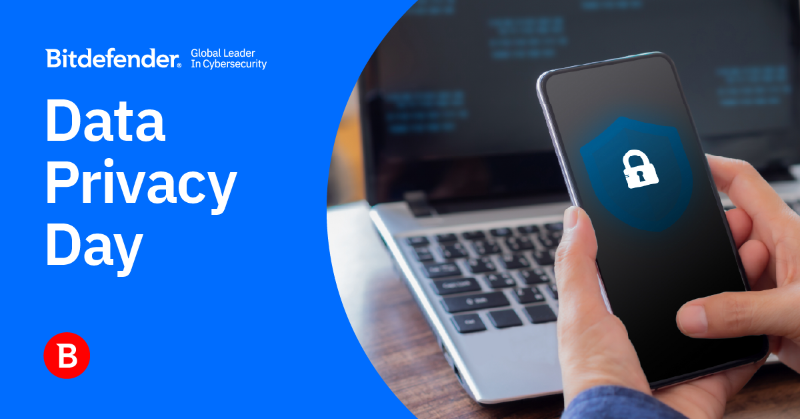
So,Data Privacy Day. What’s the deal? It’s basically an aual event, usually on January 28th, designed to raise awareness about data protection and privacy. Think of it as a yearly reminder that your personal information has value and needs to be protected. It’s not just a holiday for IT pros; it’s for everyone. It’s a push to get people thinking about their digital lives andtaking stepsto secure their information. It’s about educating yourself and the people around you about therisksand thesolutions.

Source : interplayit.com
Data Privacy Day 2026: What’s the Buzz?
Alright, forData Privacy Day 2026, the big theme often revolves aroundreclaiming control. It’s less about just ‘being aware’ and more about taking concrete action. You’ll see a lot of chatter about things like understanding your rights, knowing where your data goes, and actively managing your privacy settings. It’s about moving from passive consumption toactive digital citizenship. Think practical tips, not just abstract warnings. It’s a push towardsempowering individualsto manage their own digital footprint effectively. More action, less talk. That’s the vibe.
How to Reclaim Your Digital Privacy: The Real Deal
Okay, so you want toreclaim your digital privacy? Good. This isn’t some one-and-done fix. It’s an ongoing process. First off,audit your accounts. Seriously. Log in to everything – social media, email, shopping sites. Check those privacy settings. Turn off location tracking unless you absolutely need it. Limit who can see your posts. Next,strengthen your passwords. Use a password manager. Don’t reuse passwords. Ever. Think of them as thedigital lockson your house. You wouldn’t use the same key for your front door and your car, right?
Then there’s the app permissions. Those little requests when you install an app? Read them. Does that flashlight app really need access to your contacts and microphone? Probably not.Be ruthlessabout revoking uecessary permissions. And for goodness sake,use a VPN, especially on public Wi-Fi. It encrypts your traffic, making it way harder for snoops to grab your data. It’s like drawing the curtains on yourdigital window. Finally,think before you share. That quick post, that quiz, that online form – ask yourself: do I really need to give this information away? Every piece of data you don’t share is a piece youkeep private.
/pcq/media/media_files/2025/01/28/xZxvYapvT8shnt6bLFcl.png)
Source : pcquest.com
Practical Steps to Secure Your Digital Life
Let’s break down some actionable steps. It’s not rocket science, but it does take a little effort. Start with aprivacy-first mindset. Before you click, share, or sign up for something new, pause and consider the privacy implications. Who gets this data? What will they do with it? It’s a simple question that can save you a lot of headaches down the line. Remember Alina BÎZGĂ from Bitdefender’s advice? It starts with that mindset shift. You might also like to considerregularly reviewingwhat services you use and deleting old accounts you no longer need. Less digital clutter means fewer places for your data to hide.
- Secure Your Devices: Don’t just rely on the default settings. Use strong passcodes, enable encryption, and keep your operating systems and apps updated. Those updates often patchcritical security flaws.
- Control App Permissions: As mentioned, this is huge. Go into your phone’s settings andaudit app permissionsregularly. If an app doesn’t need it, turn it off. Period.
- Be Wary of Phishing: Those fake emails or texts trying to trick you into clicking a bad link? They’re rampant. If something looks suspicious,it probably is. Don’t click. Don’t reply. Just delete it.
- Encrypt Your Communications: Use end-to-end encrypted messaging apps like Signal. It ensures only you and the person you’re talking to can read your messages. It’s astrong privacy move.
- Limit Social Media Sharing: Set your profiles to private. Think twice before posting sensitive information like your location, birthday, or vacation plans. Yourpersonal detailsare valuable.
The ‘Move Away From Big Tech’ Movement
This one’s a bit more drastic, but it’s gaining traction. The idea? Reduce your reliance on the major tech players. Instead of Google Search, try DuckDuckGo. For email, look at ProtonMail or Tutanota instead of Gmail. Instead of Google Docs, maybe try CryptPad. It’s aboutchoosing privacy-focused alternatives. It’s not about going completely off-grid (though some do!), but about making conscious choices tominimize data collectionby the giants. It requires a bit of effort, sure, but the payoff in terms of privacy can be significant. It’s aboutbuilding a more private digital life, one alternative at a time.
Source : x.com
Is January 28th a Data Privacy Day?
Yes! Absolutely. January 28th isinternationally recognizedas Data Privacy Day. It’s the day when individuals, companies, and governments worldwide focus on awareness and education around data protection and privacy rights. So mark your calendars, because it’s a real thing, and it’s an important reminder for all of us.
A Final Word: Your Digital Footprint Matters
Look, reclaiming your digital footprint isn’t about paranoia. It’s about being smart. It’s about understanding that the information you put online has a life of its own. Data Privacy Day is just the nudge we all need totake stockand make some real changes. So, this January 28th, don’t just scroll past the news. Actuallydo something. Check those settings. Delete that old account.Strengthen your passwords. It’s your digital life. Take charge of it. Because honestly, nobody else is going to do it for you. You can find more tips on securing your digital footprint at Bitdefender’s insights.
Frequently Asked Questions
-
What is the theme for Data Privacy Day 2026?
For Data Privacy Day 2026, the main vibe is all aboutreclaiming control. It’s moving beyond just awareness to actual action. Expect lots of talk about understanding your privacy rights, tracking where your data goes, and actively managing your settings. The goal is toempower individualsto manage their own digital footprint, making it a day of practical steps andactive digital citizenship.
-
How to reclaim digital privacy?
Reclaiming your digital privacy involves a few key things. First,audit your accountsandtighten privacy settingson social media and other services. Second, ditch weak passwords and use apassword managerfor strong, unique ones. Third, be super strict withapp permissionson your phone – revoke anything uecessary. Using aVPN, especially on public Wi-Fi, is also crucial. Finally, and maybe most importantly,think before you shareany information online. It’s an ongoing process, not a one-time fix.
-
Is January 28th a Data Privacy Day?
Yes, absolutely! January 28th isinternationally recognizedas Data Privacy Day. It’s the designated day each year for raising awareness about data protection and privacy rights. It’s a global effort involving individuals, companies, and governments to highlight the importance ofsecuring personal information.
-
What are some alternatives to big tech companies for better privacy?
If you’re looking toreduce your data footprintwith big tech, there are great alternatives. For search engines, tryDuckDuckGoinstead of Google. For email, consider privacy-focused options like ProtonMail or Tutanota. Instead of Google Docs, look into services like CryptPad. It’s about consciouslychoosing privacy-first toolsto minimize the amount of data collected by the major players. It takes a bit of effort, but it’s worth it forenhanced privacy.
-
How can I check who has my data?
Pinpointing exactly who has your data can be tough, but you can get a good idea. Start by reviewing theprivacy policiesof services you use – they often outline data sharing. Check the privacy settings on your social media accounts and apps; these often show you what data is being collected and shared. Requesting your data from companies (many countries have laws like GDPR or CCPA that grant you this right) can also give you aclearer picture. It’s like asking for a list of everyone who’s visited your house.