The Rise of Slow Living Content on Social Media: More Than Just Pretty Pictures?
You’ve seen it, right? The perfect avocado toast, the sun-drenched cottage, the carefully curated bookshelf. Social media’s awash with this stuff. It’s called slow living, and it’s exploded. But is it the real deal, or just another aesthetic to chase? Let’s dig in.
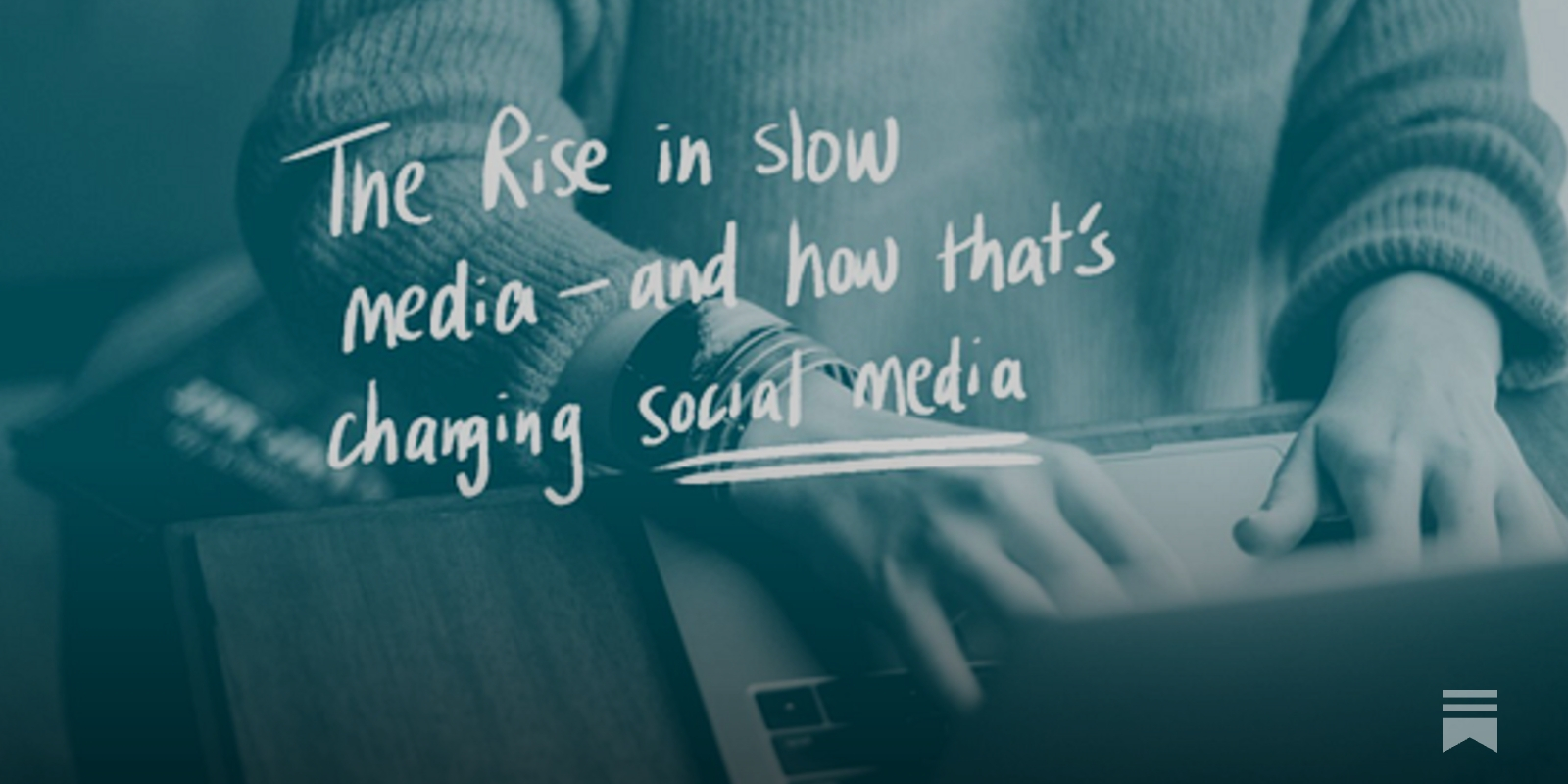
Source : musingsofanartist.substack.com
The Instagram Illusion
Scrolling through your feed, you’d think slow living is all about artisanal coffee and perfectly organized homes. Think again. That polished version? It’s often a carefully constructed fantasy. It’s easy to get sucked into thinking you need a specific type of house or an endless supply of linen clothes. This stuff? It’s a performance. A curated highlight reel designed to make you feel like you’re missing out if your life isn’t equally… serene and photogenic.
Honestly, it’s mostly aspirational. People post the wins, not the daily grind. They show the quiet morning cup, not the frantic rush to get the kids out the door. It’s the highlight reel, folks. And it often completely misses the messy, imperfect reality of actually trying to slow down.
What’s Driving This Trend?
Why are we suddenly seeing so much talk about slowing down? It’s simple, really. The world’s gone bonkers fast. We’re bombarded by notifications, deadlines, and the constant pressure to do more, be more. It’s exhausting. Social media, ironically, often fuels this fire. The endless scroll, the comparison game… it’s a recipe for burnout.

Source : izea.com
So, when this ‘slow living’ aesthetic popped up, it hit a nerve. It offered a counter-narrative. A promise of peace, intention, and a break from the chaos. It’s a reaction, a collective sigh of ‘enough already!’ People are craving a genuine coection and a break from the digital noise.
Beyond the Aesthetics: The Core of Slow Living
At its heart, slow living isn’t about a minimalist mansion or a perfectly brewed pour-over. Forget the pretty filters for a second. It’s about intentionality. It’s about ditching the constant rush and choosing a more mindful pace. This means making conscious choices about how you spend your time and energy. It’s about quality over quantity. Seriously. Doing less but doing it better. Or just doing less. That’s a win too.
It’s about finding joy in the simple things. A walk in nature. A real conversation with a loved one. Cooking a meal from scratch. Reading a book without feeling guilty about your to-do list. It’s less about the things and more about the feeling. The feeling of being present, grounded, and in control of your own life, not just a passenger on the hamster wheel of modern living. This really gets to the heart of the matter.
The Social Media Double-Edged Sword
Here’s where it gets tricky. Social media is the perfect place to showcase slow living, but it can also be its biggest enemy. The very platforms promoting this idea can also perpetuate the ‘more is more’ culture. The pressure to have the ‘perfect’ slow living setup can ironically create more stress. You end up chasing an online image instead of finding peace offline.
It’s a bit of a paradox, isn’t it? We use these fast-paced platforms to promote slowing down. The curated grids can make you feel inadequate. “Why isn’t my life this calm?” you might wonder. It’s easy to fall into the trap of comparison, which is the absolute thief of joy. This discoect is a major point of confusion for many.
This is why understanding the difference between the online portrayal and the actual practice is so crucial. The real deal involves messy kitchens and quiet moments, not just staged perfection. It’s about finding what works for you, not replicating someone else’s feed. The journey is personal, not a competition. Remember that. You can read more about the version you see online versus reality here: slow living on social media.
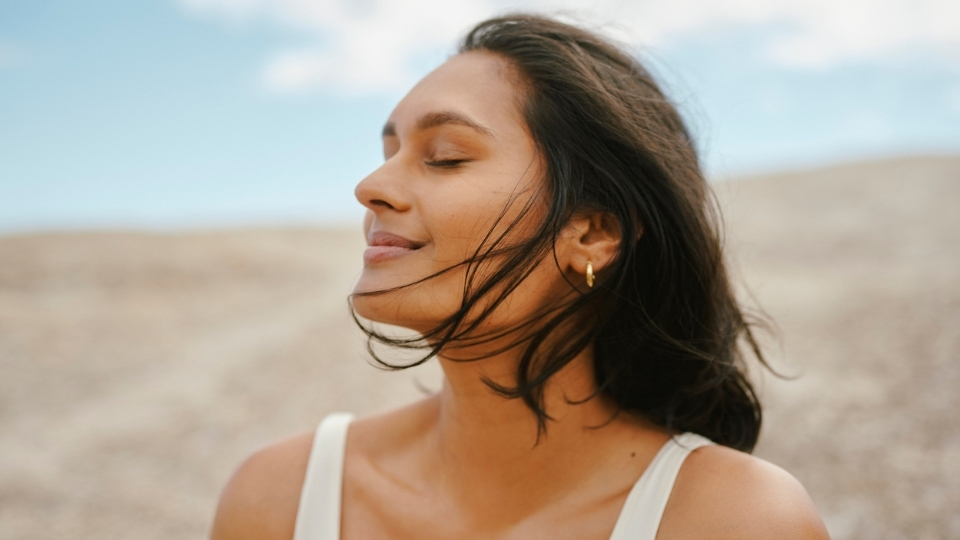
Source : shedefined.com.au
Real Slow Living: What Does It Actually Look Like?
Forget the unrealistic ideals. Real slow living is… well, it’s real. It’s imperfect. It’s adaptable. For some, it might mean ditching the corporate grind to pursue a passion project. For others, it’s simply carving out an hour each evening to discoect from devices and read a book. Maybe it’s gardening, even if your tomatoes aren’t Instagram-worthy. Or perhaps it’s just learning to say ‘no’ more often. This is about personal boundaries.
It looks like less rushing. More mindful moments. It means prioritizing rest and well-being. It’s about being present, whether you’re doing laundry or having dier with your family. Think about it: actually tasting your food instead of mindlessly shoveling it down. Listening fully when someone speaks. Feeling the sun on your skin without checking your phone. It’s simple stuff, but it takes conscious effort.
It could also mean simplifying your commitments. That doesn’t mean becoming a hermit! It means evaluating what truly adds value to your life and letting go of the rest. Less clutter, both physical and mental. It’s about creating space – space to breathe, space to think, space to just be. This leads to a more fulfilling life.
The Pitfalls of the Trend
The biggest pitfall? Turning ‘slow’ into another thing to be ‘good at’. Like it’s a competition. You see perfect images and think, “I’m failing at slow living.” Nope. That’s the opposite of the point! It can also become a performance. People curate their ‘slow’ moments just like they curate everything else. It becomes another box to tick, another trend to follow, instead of a genuine shift in perspective. This chase can be deeply unsatisfying.
And let’s be honest, not everyone can just ‘slow down’. For many, especially those in lower-income brackets or working multiple jobs, the ‘slow living’ aesthetic feels incredibly out of touch. It often assumes a level of privilege – the time, the money, the space – that simply isn’t available to everyone. It’s important to acknowledge that this trend can sometimes feel exclusive. It’s a tough pill to swallow, but privilege plays a role.
Finding Your Own ‘Slow’

Source : billionmonsters.com
Forget trying to replicate the Pinterest boards. Your slow living journey is unique. Start small. What’s one thing you can do today to be more intentional? Maybe it’s putting your phone away during dier. Or taking a 10-minute walk outside. Or making a list of things you’re grateful for. Little steps add up. Big, sweeping changes are usually unsustainable. Aim for consistent small wins.
Experiment. What brings you peace? What makes you feel grounded? Is it reading? Hiking? Painting? Meditation? Journaling? Cooking? Whatever it is, give yourself permission to do more of it. Without guilt. Without feeling like you should be doing something else. This is about reclaiming your time and your peace. It’s about finding what truly nourishes your soul, not what looks good on a screen. Prioritize your own well-being.
The Takeaway: Slow Down, But Keep It Real
The rise of slow living content on social media shows a collective yearning for something more meaningful. A desire to escape the relentless pace of modern life. But let’s not get lost in the aesthetics. True slow living is about internal shifts, not external appearances. It’s about intention, presence, and finding joy in the everyday. It’s imperfect, personal, and powerful. So, take what resonates, ditch what doesn’t, and remember: the best way to live slow is to live your way. Authentically. No filter needed. It’s about finding your personal rhythm.
Frequently Asked Questions About Slow Living Content
Is slow living just a trend?
Honestly? It started as a trend, sure. But for a lot of people, it’s become a lifestyle. It’s a reaction to how crazy fast everything feels. So, while the social media version might fade, the need for intentional living? I don’t think that’s going anywhere. People are craving peace, not just pretty pictures.
How can I tell if slow living content is genuine?
That’s the million-dollar question, isn’t it? Look for authenticity. Does it feel relatable, or impossibly perfect? Genuine slow living content often acknowledges the struggles, the imperfections. It’s not always sunshine and perfectly styled shots. If it feels too polished, too ‘sales-y’, or like it requires a hefty bank account, take it with a grain of salt. True authenticity shines through, even in messy moments. Look for real life examples.
Does slow living mean I have to quit my job?
Absolutely not! That’s a common misconception fueled by the aesthetic-heavy content. Slow living is about finding a more intentional pace within your current life. It might mean setting better boundaries at work, automating some tasks, or simply dedicating time each day to something you love. It’s not about ditching everything; it’s about making conscious choices about how you spend your energy. You can slow down without a total life overhaul.
Is slow living only for rich people?
Ugh, this is such a frustrating myth. The aesthetic often pushes that narrative, sure. Think beautiful homes, expensive hobbies. But the core principles? They’re free! Intentionality, mindfulness, prioritizing rest, enjoying simple pleasures – these don’t cost a dime. It’s about shifting your mindset and your habits, not your budget. It requires resourcefulness and intention, not necessarily wealth. Don’t let the curated feeds fool you.
How do I start practicing slow living without getting overwhelmed?
Start ridiculously small. Seriously. Pick ONE thing. Maybe it’s drinking your morning coffee without scrolling social media for five minutes. Or taking 15 minutes to read before bed. Or going for a short walk without your phone. The key is consistency, not grandeur. Don’t try to change everything overnight. Small, sustainable changes build momentum. Focus on finding your peace, one tiny step at a time. Baby steps!