
Somatic Therapy Exercises You Can Do at Home
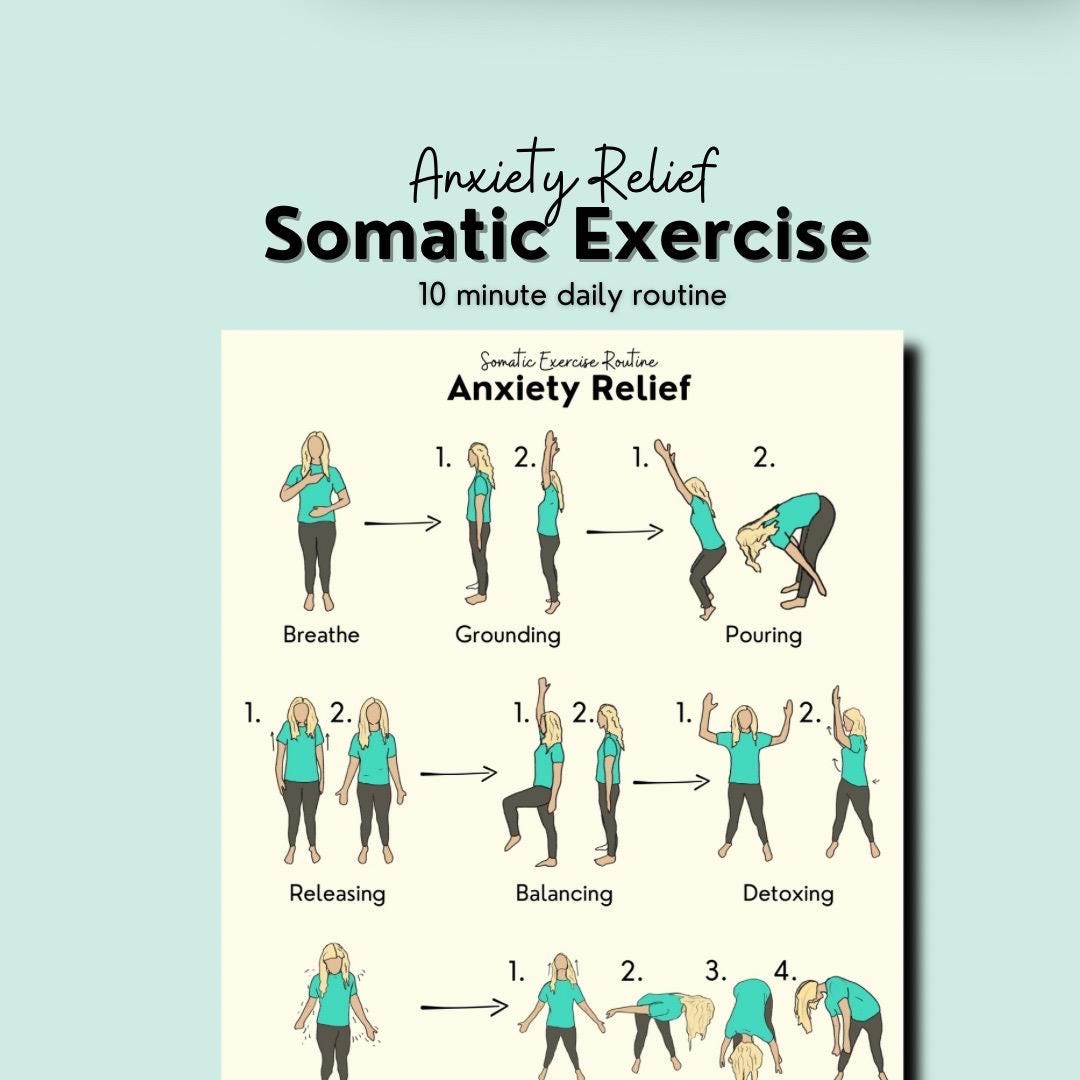
Feeling discoected? Like your mind and body are on totally different planets? Yeah, I get it. Sometimes life just throws a wrench in things, leaving you feeling… off. Stressed out, anxious, maybe even carrying around some old baggage from stuff that happened way back when. It’s exhausting, right? But what if I told you there’s a way to actually fix that discoect, right from your own living room? No fancy equipment, no hours-long sessions (unless you want ’em). We’re talking about somatic therapy exercises you can do at home. Think of it as giving your body a much-needed hug and a pep talk, all at once.

Source : es.pinterest.com
You don’t need to be a yoga guru or a mindfulness master to get the benefits. Seriously. These are simple, practical things you can weave into your day. They help you recoect with yourself, calm that buzzing nervous system, and start to feel more grounded. It’s about listening to what your body is trying to tell you, instead of just pushing through the noise. Ready to ditch the discoect and find some ier peace? Let’s dive in.
Why Bother with Somatic Exercises Anyway?
Okay, so why all the fuss about somatic stuff? Basically, trauma and stress don’t just live in your head; they get stored in your body. Ever feel that knot in your stomach when you’re anxious? Or how your shoulders tense up when you’re mad? That’s your body talking. Somatic therapy helps you tune into those physical sensations and release the stored tension. It’s not just about thinking your way out of a problem; it’s about feeling your way through it. This approach recognizes that your body holds a huge amount of wisdom and can be a powerful tool for healing. It’s about becoming aware of your physical self and learning to regulate your nervous system. Pretty cool, huh?
Think about it: when we’re stressed, our bodies go into fight-or-flight mode. Adrenaline floods your system, your heart races, your muscles clench. Normally, after the threat is gone, your body calms down. But sometimes, especially with prolonged stress or trauma, that system gets stuck in overdrive. You feel constantly on edge. Somatic exercises give you tools to consciously bring your body back to a state of safety and calm. It’s like hitting the reset button for your nervous system. And the best part? You can totally do this yourself. You’re not waiting for someone else to fix you; you’re taking the reins.
Source : etsy.com
The Simple Somatic Exercises You Can Start TODAY
Alright, enough talk. Let’s get to the good stuff. These aren’t complicated routines. They’re little practices you can do in your pajamas, at your desk, or even while waiting for your coffee. The goal is gentle awareness and release. Don’t force anything. Just notice.
1. The Grounding Technique: Find Your Anchor
This is a classic for a reason. When you feel overwhelmed or like you’re floating away, grounding brings you back to the here and now. Your body is always in the present moment, even when your mind is racing back to the past or worrying about the future. Use that coection.
How to do it:
- Find a comfortable seated or standing position.
- Close your eyes gently, or soften your gaze.
- Feel your feet on the floor. Really feel them. Notice the pressure, the temperature, the texture of your socks or the floor beneath. Wiggle your toes.
- Scan your body. What do you feel right now? A tightness in your shoulders? A warmth in your chest? Just notice, without judgment.
- Imagine roots growing from your feet deep into the earth. Feel them anchoring you. Solid. Safe.
- Take a few slow, deep breaths, inhaling calm and exhaling tension.
It’s super simple, but incredibly effective for bringing you back to center. Try somatic exercises like this when you need a quick reset. It’s all about feeling that solid coection to the ground beneath you.
2. The Body Scan: Your Ier Exploration
This is like a mindful tour of your own body. You’re not trying to change anything; you’re just observing. It builds awareness and helps you notice where you might be holding tension without even realizing it. It’s a foundational somatic healing practice.
How to do it:
- Lie down on your back, or sit comfortably.
- Close your eyes if that feels good.
- Start by bringing your attention to your toes. What do they feel like? Tingly? Heavy? Cold?
- Slowly move your attention up your body: your feet, ankles, calves, knees, thighs, hips. Notice any sensations.
- Continue up to your torso, back, chest, and abdomen. Breathe into any areas that feel tight or uncomfortable, not to force them open, but just to acknowledge them with your breath.
- Move to your fingers, hands, wrists, forearms, elbows, upper arms, and shoulders.
- Finally, bring your attention to your neck, jaw, face, and the top of your head.
- Take a moment to notice your body as a whole. Acknowledge all the sensations without trying to fix them.
This practice can be surprisingly revealing. You might discover you hold a lot of tension in your jaw without even knowing it. Regular body scans can help you release that tension over time. It’s a fantastic way to practice mind-body coection.
Source : justfit.app
3. Diaphragmatic Breathing: The Power of Your Breath
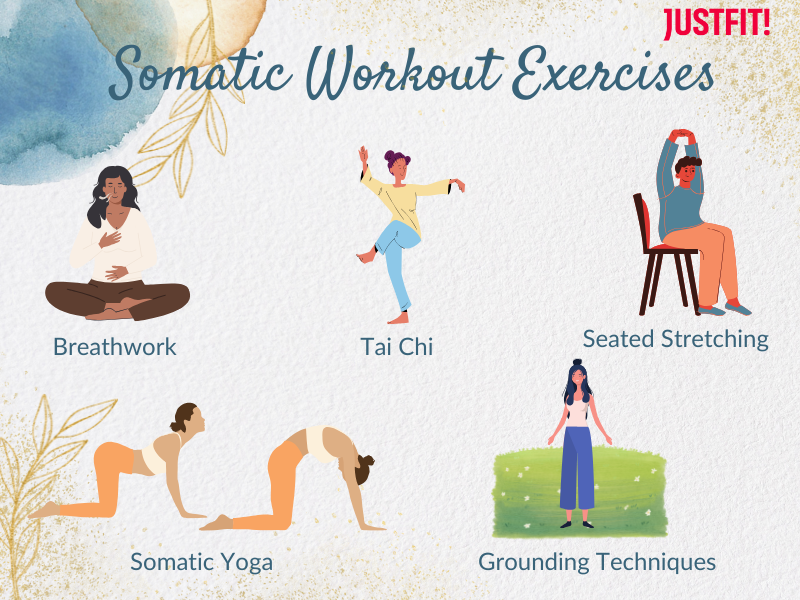
You breathe all day, every day, but are you breathing well? Shallow chest breathing is a hallmark of stress. Deep belly breathing, on the other hand, signals safety to your nervous system. It’s one of the most accessible somatic interventions.
How to do it:
- Lie on your back with your knees bent, or sit comfortably. Place one hand on your chest and the other on your belly, just below your rib cage.
- Inhale slowly through your nose, aiming to make your belly rise. The hand on your belly should move up, while the hand on your chest stays relatively still.
- Exhale slowly through your mouth (or nose, if that’s more comfortable), feeling your belly fall.
- Focus on making your exhales slightly longer than your inhales. This helps activate the parasympathetic nervous system (your body’s ‘rest and digest’ mode).
- Repeat for several minutes, focusing on the sensation of your breath moving in and out.
Seriously, just a few minutes of this can make a world of difference. Feeling anxious before a meeting? Do this. Can’t sleep? Do this. It’s a direct line to calming your system. This is a cornerstone of many somatic self-care practices.
4. Gentle Movement & Pendulation: Releasing Stored Energy
Sometimes, the body gets stuck holding onto energy from stressful or traumatic events. Gentle, mindful movements can help release this. Pendulation involves gently moving between sensations of tension and relaxation, allowing the body to process and let go. It’s about creating a safe container for uncomfortable feelings to move through.
How to do it (Example: Shoulder Release):
- Sit or stand tall. Gently shrug your shoulders up towards your ears, feeling the tension build. Hold it for a few seconds.
- As you exhale, slowly release your shoulders down, letting go of the tension. Notice the difference between the tension and the release.
- Repeat this a few times.
- Now, try gently rolling your shoulders forward in a circular motion, noticing any sensations. Then roll them backward.
- The key is to pay close attention to the physical sensations and the shifts between tension and relaxation. You’re not trying to force anything, just allowing your body to move and release what it’s ready to.
You can apply this concept to many different parts of your body. Clench your fists, then release. Tighten your jaw, then relax it. This somatic healing technique helps your body remember what it feels like to be at ease.
5. Self-Touch: The Comfort You Give Yourself

Source : horiakadi.com
We often seek comfort from others, which is great! But we can also give ourselves that comfort. Gentle, intentional self-touch can be incredibly regulating. It activates the vagus nerve and promotes feelings of safety and self-compassion. It’s a simple yet powerful somatic exercise.
How to do it:
- Place one or both hands gently on your heart. Feel the warmth and pressure. Breathe into the sensation.
- Stroke your arms slowly, as if you were stroking a beloved pet.
- Gently cradle your face in your hands, or lightly massage your scalp.
- Find areas of your body that feel tense or uncomfortable and apply gentle, consistent pressure or touch.
- Pay attention to how your body responds. Notice any softening or release. It might feel strange at first, but stick with it.
This isn’t about fixing anything; it’s about offering yourself kindness and presence. It’s a way to say, “I’m here with you, body. You’re safe.” This kind of touch can be incredibly soothing for anyone feeling anxious or alone, a real trauma healing tool.
6. Resourcing and Visualization: Creating an Ier Sanctuary
When you’re dealing with difficult emotions or memories, it’s crucial to have a safe place to return to. This ‘resource’ can be a real place, a memory, a person, or even an imagined sanctuary. It helps you build resilience and provides a stable anchor when things feel shaky. It’s a key part of somatic experiencing.
How to do it:
- Think of a place where you feel completely safe, calm, and at ease. It could be a beach, a forest, a cozy room, or anywhere that brings you peace.
- Engage all your senses. What do you see? Hear? Smell? Taste? Feel? Imagine the colors, the sounds, the textures.
- Alternatively, think of a person, animal, or even a character who makes you feel safe and supported. Focus on the feeling of coection and safety they provide.
- Practice returning to this resource whenever you feel overwhelmed. You can even visualize yourself carrying this feeling of safety with you throughout your day.
Having a strong ier resource makes navigating difficult emotions much more manageable. It’s like having a superpower tucked away, ready for when you need it most. It’s a vital self-regulation technique.
Putting It All Together: Making Somatic Practices Stick
Okay, so you’ve got the tools. Now what? The key to making these somatic therapy exercises truly effective is consistency. It’s not about doing a marathon session once a month; it’s about small, regular check-ins with your body.

Source : compassionify.com
Start Small:
- Don’t try to do all of them every day. Pick one or two that resonate with you. Maybe it’s just 5 minutes of deep breathing in the morning or a quick grounding exercise before bed.
- Listen to your body. Some days you might feel like doing a longer body scan, other days just a few deep breaths will do. There’s no ‘right’ way.
Be Patient:
- Healing and recoection take time. Don’t get discouraged if you don’t feel drastically different after one session. Notice the small shifts. Maybe you felt a little calmer, or a little more present. Celebrate those wins!
- It’s okay if uncomfortable sensations or emotions come up. That’s part of the process. Remember your grounding techniques and your ier resource.
Integrate Them:
- Can you do a grounding exercise while waiting in line? Yes.
- Can you do some gentle shoulder rolls at your desk? Absolutely.
- Can you practice deep breathing while commuting? You bet.
These practices aren’t just for when you’re feeling bad; they’re also for maintaining your well-being. Think of them as proactive care. You’re building resilience, one breath, one sensation at a time. For more ideas, check out somatic exercises at home. It’s about creating a sustainable practice that supports your mental and physical health long-term.
When to Seek Professional Help
While these at-home exercises are fantastic for self-regulation and building awareness, they aren’t a replacement for professional therapy, especially if you’re dealing with significant trauma, chronic anxiety, or other mental health challenges. A trained somatic therapist can guide you through deeper healing processes in a safe and supportive environment. They can help you navigate complex emotions and trauma responses that might be too overwhelming to handle alone. If you’re struggling, don’t hesitate to reach out. It’s a sign of strength, not weakness.
Remember, this is a journey. Be kind to yourself. Your body holds so much wisdom, and learning to listen to it is one of the most powerful gifts you can give yourself. These home somatic exercises are your starting point.
Frequently Asked Questions
-
What exactly IS somatic therapy?
Think of somatic therapy as a way to heal the body’s response to stress and trauma. It’s not just about talking through your problems; it’s about actually working with the physical sensations in your body. Trauma and stress get stored in our bodies, causing tension, pain, or that ‘stuck’ feeling. Somatic therapy helps you gently release that stored stuff by tuning into your physical sensations. It’s all about the mind-body coection working together for healing.
-
How do somatic exercises help with anxiety?
Great question! Anxiety often puts your nervous system into overdrive – that fight-or-flight mode. Your body feels tense, your heart races, you might feel breathless. Somatic exercises, especially things like deep diaphragmatic breathing and grounding techniques, literally signal to your brain that you’re safe. They help shift you out of that hyper-aroused state and into a calmer ‘rest and digest’ mode. It’s like giving your nervous system a soothing balm right when it needs it.
-
Can I really do somatic therapy by myself at home?
Absolutely! That’s the beauty of somatic exercises at home. While working with a therapist is amazing for deeper healing, many core practices, like body scans, grounding, and mindful breathing, are totally accessible for self-practice. Think of them as building your personal toolkit for self-regulation. You’re learning to listen to your body and offer it what it needs, right when you need it. It’s incredibly empowering.
-
What's the difference between somatic therapy and meditation?
Good point! Both are amazing for well-being, but they focus differently. Meditation often involves quieting the mind, focusing on your breath, or observing thoughts without judgment. Somatic therapy, on the other hand, actively engages with physical sensations. You’re not just observing thoughts; you’re noticing bodily tension, releasing stored energy, and allowing the body to process emotions. It’s more about embodied awareness and release. They can totally complement each other, though!
-
How quickly will I see results from somatic exercises?
Okay, real talk: this isn’t a magic pill. You might feel a little calmer or more present right after a session – that’s awesome! But somatic healing is more of a journey. The real shifts happen with consistent practice. Think of it like building muscle; you don’t get ripped after one gym visit. Be patient with yourself, celebrate the small wins (like noticing less tension in your shoulders today), and trust the process. Your body is wise, and it’s learning a new way to be.