The True Cost of Same-Day Shipping
Let’s cut to the chase. You’re probably thinking about offering same-day delivery because everyone else seems to be doing it. Customers expect it, right? They want their stuff, like, yesterday. But before you dive headfirst into the whirlwind of urgent logistics, we need to talk about what this really costs you. And I’m not just talking about the dollars and cents on the invoice. It’s deeper than that.
Source : hollingsworthllc.com
This isn’t about just getting a package from Point A to Point B. It’s a logistical marathon disguised as a sprint. Think about it: you need inventory strategically placed, drivers ready to go at a moment’s notice, and a system that doesn’t buckle under the pressure of immediate demand. It’s a whole different ballgame, and frankly, most businesses aren’t truly prepared for the financial and operational hangover that comes with it.
Why Even Bother with Same-Day Delivery?
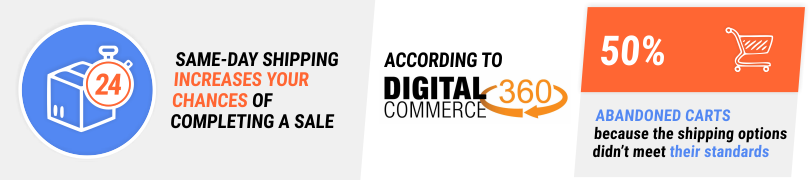
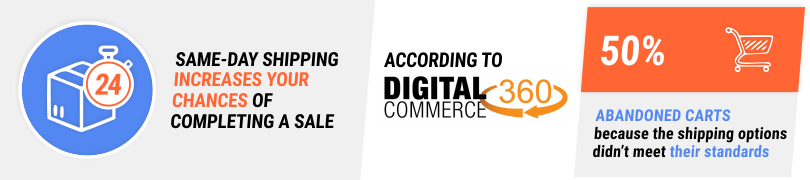
Okay, so why the obsession? Simple. Customer expectations have gone nuclear. We live in a world of instant gratification, thanks to apps that deliver everything from dier to electronics faster than you can say “prime delivery.” Businesses see this and think, “I need that.” They want to capture that market share, that competitive edge. Plus, the idea is that happy customers who get their goodies FAST will buy more. More loyalty. More sales. Sounds good, right?
Source : linkedin.com
It’s true, the allure is strong. Getting that package to the doorstep within hours can seriously wow a customer. It feels like magic. For certain industries, like pharmaceuticals or urgent document delivery, it’s not just a perk, it’s a necessity. But for many, it’s a luxury that comes with a hefty price tag. We’re talking about massive investments in infrastructure, technology, and persoel just to shave off a few hours.
The Hidden Price Tag: Beyond the Delivery Fee
This is where things get dicey. The headline delivery fee is just the tip of the iceberg. You’ve got to consider the operational costs. Warehousing? Suddenly, you need smaller, more numerous hubs closer to your customers. That means more rent, more utilities, more staff managing those micro-fulfillment centers. It’s a real drain.
Then there’s the inventory management nightmare. To offer same-day, you need to have the product right there, ready to go. This often means carrying more stock, in more locations, than you might otherwise need. Think about the carrying costs – the capital tied up, the risk of obsolescence, the storage expenses. It adds up faster than you think. This isn’t just about moving boxes; it’s a complete overhaul of your supply chain strategy.

Source : yovoyit.com
And don’t forget the drivers. Finding reliable drivers willing to work on demand, often with tight deadlines and potentially unpredictable routes, isn’t cheap. You’re competing for a limited pool of labor, and they know their worth. Factor in fuel, vehicle maintenance, insurance – it’s a significant chunk of change.
The Real Impact on Your Bottom Line
Let’s be blunt. Same-day shipping can crush your profit margins if you’re not careful. The cost per delivery skyrockets. You’re paying a premium for speed, for that last-mile miracle. If your product margins aren’t high enough, or if you can’t move a serious volume, you’ll be bleeding money.
Consider this: A standard delivery might cost you $5-$10. A same-day delivery? It can easily jump to $15-$30 or even more, depending on the distance and urgency. Are your customers willing to pay that difference? If not, you’re eating the cost. This is precisely why understanding the total cost of ownership for same-day is crucial.
Many companies try to offset this by charging customers extra. But customers today are comparison shoppers. If your “same-day” option makes the product significantly more expensive than buying it from a competitor with slower, cheaper shipping, guess what? They’ll wait. Or they’ll just go somewhere else. It’s a delicate balancing act, and misjudging it can be fatal.
Source : greendelivery.net
When Does Same-Day Shipping Actually Make Sense?
So, is it all doom and gloom? Not necessarily. Same-day shipping can be a wier, but only under specific circumstances. Think about perishable goods, like fresh groceries. Or high-value, low-volume items where the customer is willing to pay a premium for immediate possession. Medical supplies, emergency repair parts – these are areas where speed is non-negotiable.
It also works for businesses with a highly localized customer base and a strong existing infrastructure. If you already have multiple stores acting as mini-distribution centers, and a dedicated fleet or strong local courier partnerships, it’s more feasible. It requires immense coordination and investment. You’re essentially building a mini-logistics network for rapid response.
The key is to ask: Does the value of same-day delivery to the customer, and the resulting increase in sales or loyalty, genuinely outweigh the significantly higher costs involved? For most e-commerce businesses selling non-essential items, the answer is often a hard ‘no’. It’s better to focus on reliable, cost-effective shipping options first.
Source : hollingsworthllc.com
The Alternative: Smart, Reliable Shipping
What if you could give customers a great experience without the headache of same-day? Focus on what really matters: clear communication, reliable delivery estimates, and efficient, cost-effective shipping methods. Think 2-day or 3-day shipping done right.
Invest in good tracking systems so customers always know where their package is. Offer various shipping speeds at different price points. Maybe even explore partnerships with local carriers for regional rapid delivery if it makes financial sense. The goal is to meet customer needs without bankrupting your operation. A well-managed standard shipping process often provides better ROI than a poorly executed same-day service.
The bottom line? Don’t chase shiny objects. Evaluate the true financial and operational implications before you promise what you can’t deliver efficiently. Your customers want their stuff, sure, but they also want you to be around tomorrow. And that means making smart, sustainable business decisions. For more on navigating these complex costs, check out the true cost of same-day shipping.
Frequently Asked Questions
Is same-day delivery actually the same-day?
Honestly? Sometimes yes, sometimes no. It depends heavily on the company and the specific situation. A lot of it comes down to when you place the order, the cutoff times they set, and how efficiently their logistics are ruing that day. If you order at 9 AM, you’ll probably get it. Order at 8 PM? Forget it. There are also those surprise delays – traffic, weather, a driver calling in sick. So, while the goal is same-day, it’s not always a guarantee. It’s more of a best-effort promise, often with built-in wiggle room. Don’t bet your life on it arriving before midnight unless the company is incredibly dialed-in and you order early enough. It’s a logistical tightrope walk.
Is one day shipping worth it?
Worth it for whom? For the customer, often yes, especially if they’re impatient or need something urgently. It feels great to have it so fast! For the business? That’s the million-dollar question. It can be worth it if it drives significant sales, boosts customer loyalty enough to justify the cost, or is essential for your specific product type (think critical medical supplies). But generally, the increased shipping cost eats into your profit margins significantly. If you’re just doing it to keep up with competitors without a solid plan, it’s probably not worth the financial strain. Calculate your margins carefully; it’s easy to lose money on fast shipping.
How much does Amazon same-day shipping cost?
This is where it gets tricky because Amazon’s pricing is… dynamic. For Prime members, many items offer free same-day delivery if you meet certain order minimums (often around $35) and order before a specific cutoff time. If you don’t meet the minimum or the order is outside those parameters, you might pay a fee, anywhere from a few dollars up to $10-$15, or more for extremely expedited or large items. It also varies by location. Sometimes it’s surprisingly cheap or free for Prime members, other times it has a noticeable charge. Amazon works hard to absorb much of that cost for its loyal customers, but it’s definitely not always free. It’s a huge investment for them.
How much for 1 day mail?
When you say “1 day mail,” you’re probably thinking about services like USPS Priority Mail Express. That’s their fastest option. The cost? It varies wildly based on weight, size, and distance, but you’re generally looking at prices starting around $25-$30 for a small, light package and going up significantly from there. For heavier or larger items, it can easily hit $50, $75, or even over $100. It’s pricey because it’s guaranteed overnight delivery, often with a money-back guarantee if they miss the window. It’s the premium service for when time is absolutely critical. You’re paying for speed and reliability with the postal service.
What are the biggest risks of offering same-day delivery?
Offering same-day delivery seems like a customer service win, but the risks are huge. First, there’s the financial risk. The costs – extra warehousing, more drivers, expedited logistics – can absolutely tank your profit margins if you don’t price it perfectly or get enough volume. Then there’s the operational risk: your whole supply chain gets way more complicated. Missed delivery windows happen. Customer service gets flooded with complaints when things go wrong, which eats up time and resources. You could also damage your brand if you consistently fail to meet those tight deadlines. It’s a high-stakes game that requires near-perfect execution, and most businesses simply aren’t set up for that level of day-to-day pressure. It’s a huge operational burden.