Apparel Brands Ensuring Fair Trade Wages: It’s About Time
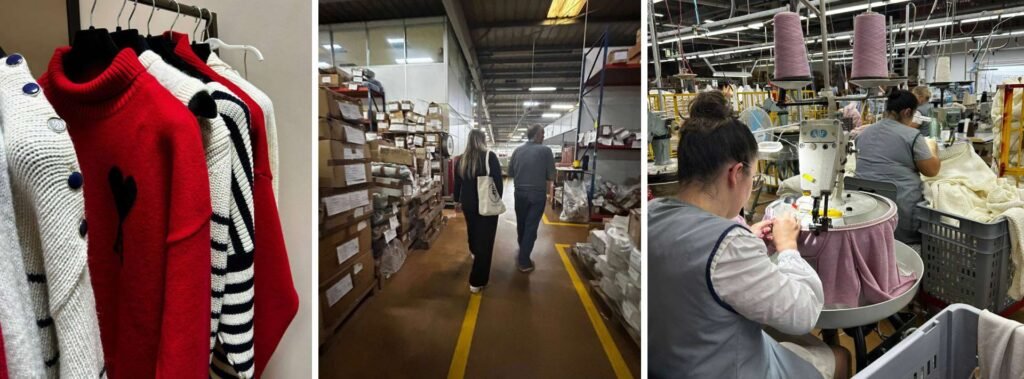
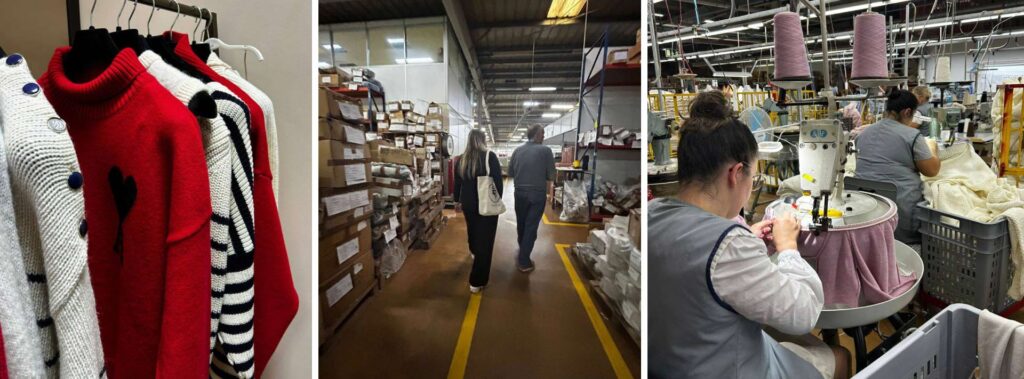
Look, we all love a good deal. A cheap t-shirt can feel like a win, right? But have you ever stopped to think about who’s really paying for that bargain? Spoiler alert: it’s usually the folks stitching your clothes together. We’re talking about the garment workers, the backbone of the fashion industry, who often get paid peies for their back-breaking labor. It’s a dirty secret that’s been festering for way too long.
Source : deepwear.info
But here’s the good news: not everyone’s playing that game. There’s a growing movement, a real push, towards fair trade wages. It’s not just a buzzword; it’s about ensuring that the people making our clothes can actually live a decent life, not just scrape by. We’re talking about brands that actually give a damn, that put people before profit. And honestly? It’s about damn time we started paying attention.
Minimum Wage vs. Living Wage: The Huge Gap
Let’s get this straight: minimum wage is NOT the same as a living wage. Not even close. Think about it. Minimum wage is the bare minimum the government says you can be paid. It’s often set so low it’s practically a joke. It doesn’t account for rent in major cities, or rising food prices, or, you know, unexpected medical bills. It’s a poverty wage disguised as a safety net.
A living wage, though? That’s different. That’s the money you need to actually afford the basics: a safe place to live, nutritious food, healthcare, education for your kids, and maybe even a little bit left over for savings or a rainy day. It’s the difference between surviving and actually living. Most ‘fast fashion’ brands operate on the starvation wages of the former. The ones we’re talking about here? They’re aiming for the latter.

Source : eco-stylist.com
Why Fair Trade Wages Matter So Freakin’ Much
This isn’t just about feeling good. It’s about basic human dignity. When brands commit to fair trade wages, they’re saying, loud and clear, that their workers are valuable. That their time, skill, and effort are worth more than a pittance. It means better working conditions, less exploitation, and a real chance for people to break the cycle of poverty. It means the people sewing your jeans aren’t choosing between buying medicine or paying rent. Heavy stuff, I know, but it’s the truth.
And you know what else? When workers are paid fairly, they’re more invested. They take more pride in their work. Quality often goes up. Turnover goes down. It’s a win-win, really. It’s not some charity case; it’s smart business built on ethical foundations. It’s about building a sustainable future for fashion, not just a disposable one.
Brands Stepping Up to the Plate
Okay, enough gloom and doom. Let’s talk about the companies doing it right. These aren’t necessarily the mega-corporations you see plastered everywhere. Often, it’s smaller, more conscious brands that have built their entire ethos around ethical production. They’re the ones proving that you don’t have to exploit people to make a profit.
Take a look at some of these guys. They’re not just talking the talk; they’re walking the walk. They’re making sure their workers are treated with respect and paid enough to actually make ends meet. This is the kind of stuff that deserves our attention, our dollars, and our support. Let’s dive into a few examples. Remember, this isn’t an exhaustive list, but it’s a damn good start.
The Pioneers: Brands with a Long History

Source : international-partnerships.ec.europa.eu
Some brands have been in this fight for decades. They saw the problems early on and decided to do things differently. They built their businesses on a foundation of ethical practices, long before it was trendy.
- People Tree: These guys are practically royalty in the ethical fashion world. They’ve been championing fair trade principles for ages, working with artisans and farmers in developing countries. They focus on fair wages and safe working conditions, period.
- Patagonia: Okay, so they’re huge now, but they started with a core commitment to doing right. While their entire supply chain is complex, they’ve been vocal about their efforts to improve wages and working conditions. They’re known for investing in programs that help workers earn more. It’s not perfect, but they’re constantly pushing.
The New Guard: Fresh Faces, Old Principles
Then you’ve got the newer brands, often born out of a frustration with the status quo. They’re agile, they’re iovative, and they’re making a real statement.
- Armedangels: Hailing from Germany, this brand is all about sustainable materials and fair production. They’re transparent about their supply chain and work hard to ensure their partners pay fair wages. Love their aesthetic too – chic and conscious.
- Nudie Jeans: Famous for their durable denim, Nudie Jeans also takes its social responsibility seriously. They ensure fair wages for their workers and have strong ethical guidelines for their suppliers. Plus, their jeans are built to last, which is a win for your wallet and the planet.
- Pact: They focus on organic cotton basics, and a big part of their mission is ensuring fair labor practices. They work with Fair Trade Certified factories, meaning workers get safe conditions and fair pay. Simple, comfortable, and ethical.
- Etiko: This Australian brand is serious about ethics. They’re Fair Trade Certified and focus on everything from organic cotton to living wages. They’re pretty transparent about their costs, showing you exactly where your money goes. It’s a testament to their commitment.
- KOTN: These guys do basics, but they do them right. They work directly with cotton farming families in Egypt, aiming to improve their lives and livelihoods. They’re focused on fair compensation and direct support for their communities.
Digging Deeper: Specific Certifications and Initiatives
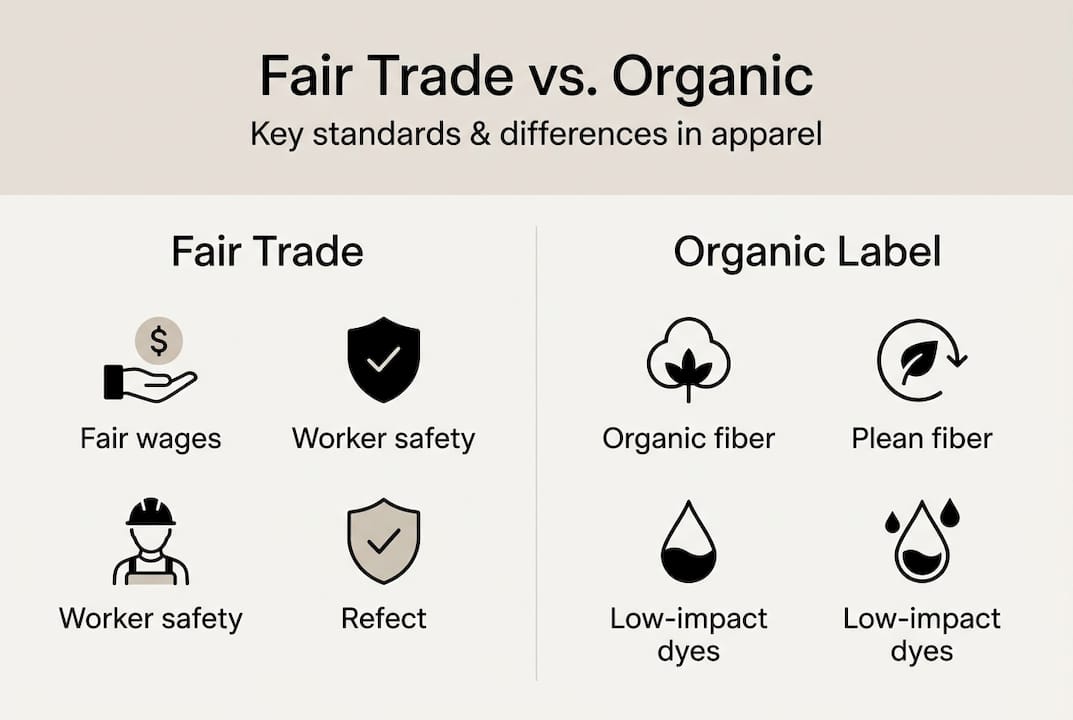
How do you actually know a brand is legit? It’s not always easy, but certifications and transparency are key. Look for labels like Fair Trade Certified, SA8000, or WRAP. These aren’t foolproof, but they’re a good starting point. Some brands go above and beyond, like initiatives focusing on specific living wage benchmarks.
Organizations like the Fair Wear Foundation audit brands and their factories. They push for improvements in working conditions and wages. Another resource is Good On You, which rates brands on their ethical performance, including labor practices. It’s about holding companies accountable.
Source : mexess.com
The Challenge: It’s Not Always Easy
Now, let’s be real. This isn’t a simple switch for most brands. The fashion industry is a global beast with complex supply chains. Tracing every single step, from the cotton field to the final stitch, is a monumental task. Even brands that genuinely want to pay fair wages run into hurdles. Think about different countries having vastly different minimum wage laws, or the sheer number of factories involved.
And then there’s the cost. Paying a true living wage inevitably means higher production costs. This trickles down, and guess what? The clothes end up costing more. It’s a tough pill for consumers to swallow sometimes, especially when a competitor is selling a similar item for half the price. But that lower price tag? It’s paid by someone else, somewhere far away.
Your Role in the Fair Trade Movement
So, what can you do? You’re not just a passive consumer; you have power. Every purchase you make is a vote for the kind of world you want to live in. Start by educating yourself. Look into the brands you buy from. Are they transparent about their supply chains? Do they talk about wages?
Try to choose quality over quantity. Buy less, but buy better. Invest in pieces that are made to last and made by people who are treated fairly. Support brands that are actively working towards fair labor practices. And hey, tell your friends! Spread the word. The more people who care, the more pressure there is on the rest of the industry to shape up.
Common Questions About Fair Trade Wages
What clothing brands use fair trade?
Loads of brands are making a real effort! Think People Tree, known for its long commitment to fair trade. Then there’s Pact, focusing on organic cotton basics from Fair Trade Certified factories. Etiko is another great one, super transparent about their living wages. And don’t forget Armedangels and Nudie Jeans, both committed to ethical production and fair pay. It’s a growing list, and places like Good On You can help you discover more.

Source : 3blmedia.com
Does Patagonia pay a living wage?
Patagonia has been vocal about striving for living wages within its supply chain. It’s a complex issue for a company their size, but they invest heavily in programs and partnerships aimed at improving worker compensation and conditions. They’re definitely trying to move the needle beyond just minimum wage.
How can I find out if a brand pays fair wages?
Great question! Look for brands that are transparent about their factories and supply chains. Certifications like Fair Trade Certified or memberships in organizations like the Fair Wear Foundation are good indicators. Check their websites for sustainability or ethics sections. If they’re cagey about it, that’s a red flag. Don’t be afraid to ask them directly on social media!
What’s the difference between Fair Trade and ethical fashion?
Think of ‘ethical fashion’ as the big umbrella term. It covers a lot: environmental impact, animal welfare, and, importantly, fair labor practices. Fair Trade is a specific certification and set of principles focused squarely on ensuring fair prices, decent working conditions, and community development for farmers and workers, especially in developing countries. So, a Fair Trade brand is definitely ethical, but not all ethical brands are necessarily Fair Trade certified.
Are expensive clothes always ethically made?
Nope, not always. While a higher price tag can sometimes reflect better quality materials or more ethical production, it’s not a guarantee. Some luxury brands still rely on exploitative labor practices to keep their costs down and profits high. Conversely, you can find amazing, affordable pieces from brands that are genuinely committed to fair wages and ethical production. Always do your homework!
Frequently Asked Questions
-
What clothing brands use fair trade?
Loads of brands are making a real effort! Think People Tree, known for its long commitment to fair trade. Then there’s Pact, focusing on organic cotton basics from Fair Trade Certified factories. Etiko is another great one, super transparent about their living wages. And don’t forget Armedangels and Nudie Jeans, both committed to ethical production and fair pay. It’s a growing list, and places like Good On You can help you discover more.
-
Does Patagonia pay a living wage?
Patagonia has been vocal about striving for living wages within its supply chain. It’s a complex issue for a company their size, but they invest heavily in programs and partnerships aimed at improving worker compensation and conditions. They’re definitely trying to move the needle beyond just minimum wage.
-
How can I find out if a brand pays fair wages?
Great question! Look for brands that are transparent about their factories and supply chains. Certifications like Fair Trade Certified or memberships in organizations like the Fair Wear Foundation are good indicators. Check their websites for sustainability or ethics sections. If they’re cagey about it, that’s a red flag. Don’t be afraid to ask them directly on social media!
-
What's the difference between Fair Trade and ethical fashion?
Think of ‘ethical fashion’ as the big umbrella term. It covers a lot: environmental impact, animal welfare, and, importantly, fair labor practices. Fair Trade is a specific certification and set of principles focused squarely on ensuring fair prices, decent working conditions, and community development for farmers and workers, especially in developing countries. So, a Fair Trade brand is definitely ethical, but not all ethical brands are necessarily Fair Trade certified.
-
Are expensive clothes always ethically made?
Nope, not always. While a higher price tag can sometimes reflect better quality materials or more ethical production, it’s not a guarantee. Some luxury brands still rely on exploitative labor practices to keep their costs down and profits high. Conversely, you can find amazing, affordable pieces from brands that are genuinely committed to fair wages and ethical production. Always do your homework!