Van Life 2026: Go Big with Starlink and Solar!
Alright, let’s cut the fluff. You’re thinking about van life in 2026, maybe even upgrading your rig. And you’ve heard the whispers, the shouts, the digital screams about Starlink and solar. Good. Because if you’re serious about ditching the cords and truly living untethered, this is where it’s at. Forget those shady campground Wi-Fi hotspots or desperately hunting for a Starbucks. We’re talking about a complete power and internet revolution for your mobile abode. It’s not just an upgrade; it’s a total game-changer for how you live and work on the road. This isn’t some distant dream, either. This is happening NOW. And frankly, if your van build in 2026 doesn’t have a solid solar setup and Starlink, you’re kinda missing the whole point.
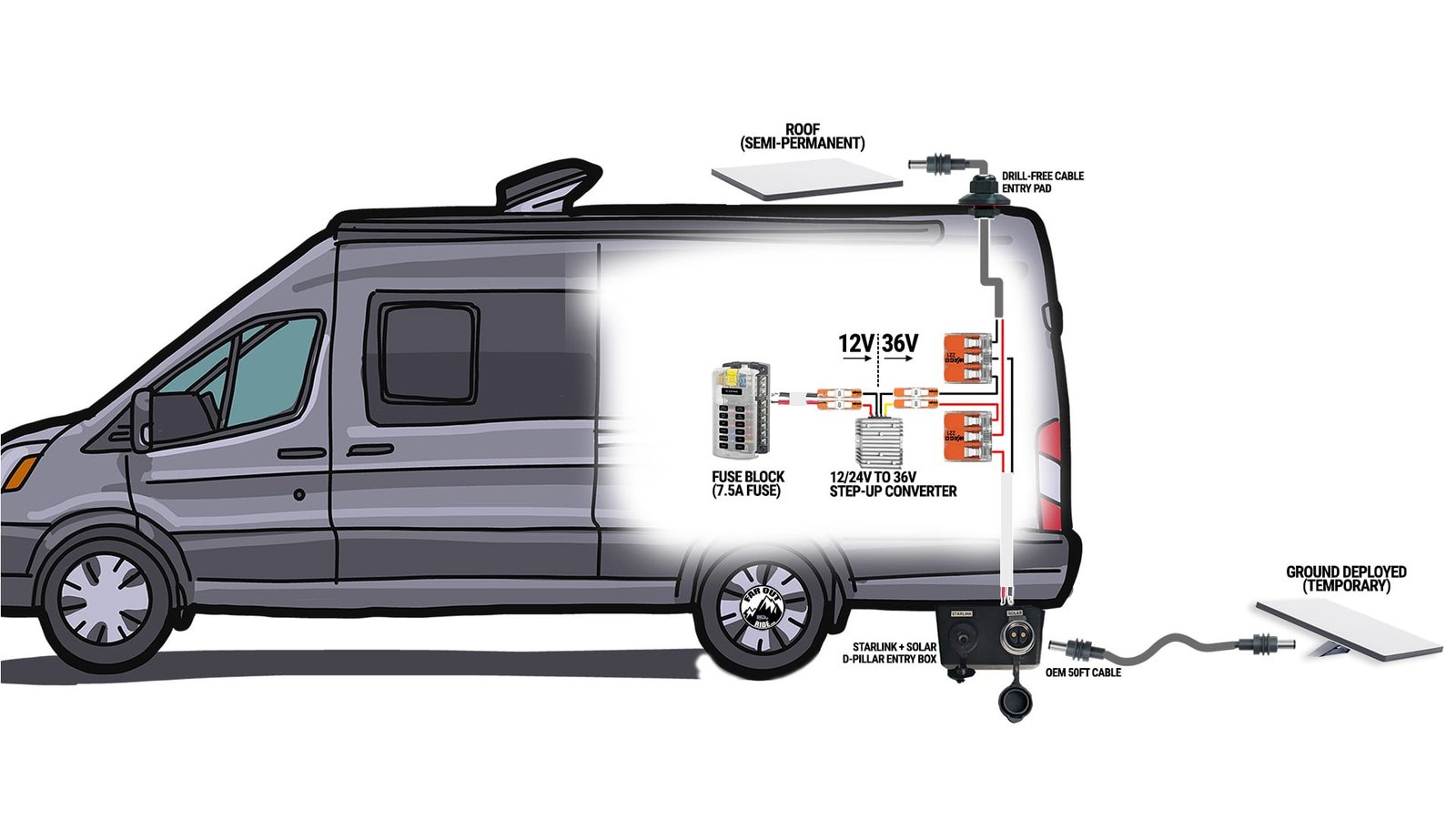
Source : faroutride.com
The ‘Before Times’: A Tale of Spotty Wi-Fi and Dead Batteries
Remember the dark ages? Me neither, but I’ve heard the stories. Before Starlink, the van life internet situation was, let’s be honest, a dumpster fire. You’d try to tether to your phone, praying you didn’t blow through your data cap before noon. Or you’d shell out for some dodgy mobile hotspot that worked about as well as a chocolate teapot in August. It was frustrating. It made working remotely a gamble. And don’t even get me started on power. Always nursing that battery, conserving every watt like it was gold. You’d find the perfect spot, a breathtaking vista, only to realize your laptop was about to die and you couldn’t even update Instagram. Total bummer.
This whole scenario played out time and time again. It limited where you could go, when you could work, and how long you could stay. Freedom? Sure, you were in a van. But were you really free? Not when you were constantly tethered to the nearest power outlet or desperately searching for a signal. It was a constant battle, a drain on your energy and your patience. This was the reality for countless van dwellers, myself included, before the tech gods smiled upon us.
Enter Starlink: Internet That Actually Works, Anywhere
So, what changed everything? That little dish. Starlink. SpaceX dropped this beast, and suddenly, the internet landscape for nomads flipped on its head. We’re talking high-speed, low-latency internet, beamed down from space. Yeah, you read that right. Satellites. It sounds like sci-fi, but it’s real, and it’s a van life essential now. It means you can video call your grandma from a remote desert campsite. You can upload huge video files without waiting three days. You can even stream Netflix without a buffer wheel the size of your head.

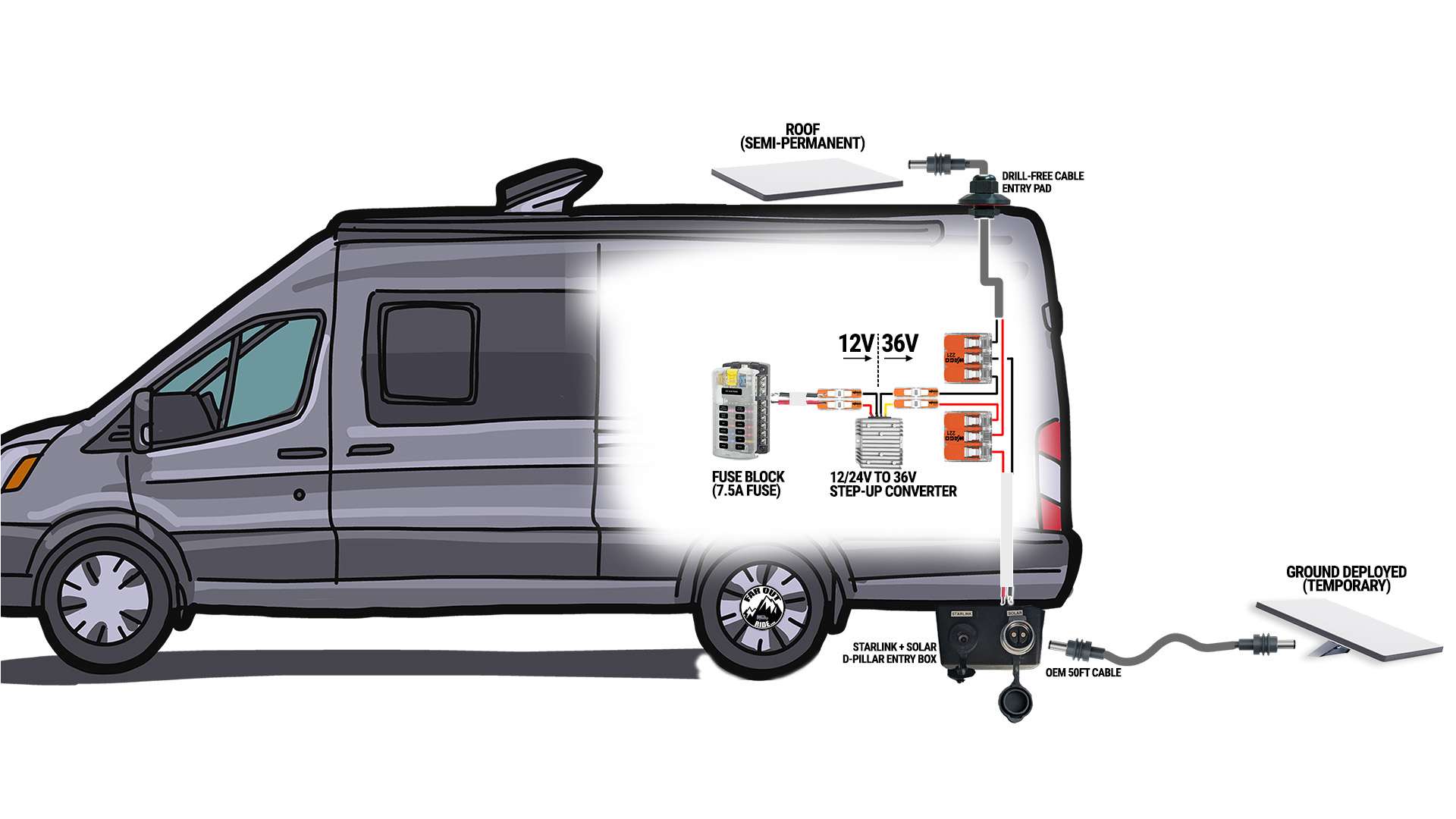
Source : brooklyncampervans.com
This whole satellite internet thing is pretty wild. It’s not like the old satellite internet that was slow and laggy. Starlink is built for speed. It’s a huge step up from anything we had before. Think about it: truly reliable internet no matter where your adventure takes you. No more scaing the horizon for a cell tower. Just pure, unadulterated coectivity. It’s changed the game for remote workers, digital nomads, and anyone who just wants to stay coected while exploring the sticks.
The setup is surprisingly simple, too. Most people use a portable setup initially, but many, like me, are now looking at more permanent, low-profile mounts. Why? Because fiddling with a dish every single day gets old, fast. You want to set it and forget it. Trio Flatmount, for example, has some cool ideas about how to make this work without turning your van into a UFO. It’s about making the tech work for you, not the other way around. We’ve seen how Starlink transformed vanlife, and frankly, it’s hard to imagine going back. It’s about embracing the tech that lets us live this lifestyle more fully.
Read about Starlink’s transformation.
Solar Power: Your Van’s Personal Sun Farm
But internet is only half the battle, right? You need juice to run all that new tech. That’s where solar power comes in. Forget noisy generators. Forget hauling heavy propane tanks for every little appliance. We’re talking about clean, quiet, and practically free energy straight from the sun. A well-designed solar power system can keep your batteries topped up indefinitely, allowing you to run your fridge, your lights, your laptop, your Starlink, all without a care in the world. It’s the ultimate off-grid dream.
Think of it like this: every patch of sun is free money for your battery bank. The more panels you have, the more money you ‘earn.’ And with the advancements in panel efficiency and battery storage, you can build a system that’s surprisingly powerful. We’re not talking about just ruing a light bulb anymore. We’re talking about powering a full kitchen, charging multiple devices, and keeping that Starlink humming 24/7. It’s about true energy independence.
A solid solar setup involves more than just slapping a few panels on the roof. You need the right charge controller, a robust battery bank (lithium is the way to go, trust me), and an inverter that can handle your peak loads. It’s an investment, sure, but the payoff in freedom and convenience is immense. You can park anywhere, stay as long as you want, and not worry about ruing out of power. It’s the backbone of sustainable van life.
The Dream Team: Starlink + Solar = Van Life Nirvana
Now, imagine these two powerhouses working together. You’ve got unlimited internet access, and you’ve got unlimited power to run it, plus everything else in your van. This is the 2026 van life upgrade we’re talking about. It’s not just about convenience; it’s about enabling a lifestyle. You can be a digital nomad, a remote worker, a content creator, a full-time traveler – all without compromise. Your van becomes your office, your entertainment center, your coected hub, no matter where you are.
This combo means you’re no longer tied to RV parks or specific locations just to get online or charge your devices. You can chase the best weather, the most remote trails, the quietest spots. And you can still get your work done, stay in touch with loved ones, and enjoy your favorite shows. It’s the ultimate freedom. It’s about having your cake and eating it too, while parked under the stars. This is the ultimate van life setup.

Source : youtube.com
Consider a van like this one from Vanlifetrader. It’s already got the goods: Solar, Starlink, ready to roll. This isn’t a pipe dream; it’s a reality that people are buying and building right now. It shows you the direction the industry is headed. If you’re looking to buy a van already kitted out, or plaing your own build, make sure these two systems are at the top of your list. It’s about building a rig that supports your life, not one that dictates it.
Challenges and Considerations: It’s Not All Sunshine (Literally)
Okay, let’s be real. It’s not all rainbows and perfectly buffered videos. There are hurdles. Starlink hardware isn’t exactly cheap upfront. And while the monthly service is reasonable, especially compared to old options, it adds up. Plus, you’ve got to figure out the best way to mount that dish. You want it secure, but also easy enough to move if needed. That’s where iovative mounting solutions become crucial.
Then there’s solar. Building a robust system takes plaing. You need to calculate your power needs accurately. Overestimate slightly, because nobody ever complains about having too much power. You need to consider panel placement to avoid shade, especially in forested areas. And you’ve got to understand the interplay between your panels, charge controller, and batteries. It’s a bit of a learning curve, but totally doable. Don’t shy away from it; embrace the challenge.
The biggest thing? Integration. Making sure your solar system can reliably power your Starlink and all your other devices is key. You don’t want to be in the middle of a crucial work call and have your power cut out. It’s about building a balanced ecosystem. Many people are turning to professional installers for this, or at least doing extensive research. Papago Vans has some great insights into off-grid camper van upgrades that are worth checking out. It’s about making smart choices for a sustainable life.
Learn about off-grid upgrades.
Choosing Your Starlink Kit for Van Life
When you’re looking at Starlink, you’ll see a few options. For van life, the most popular is the Starlink Roam (formerly called Mobile). This is the one you want. It’s designed for portability and works anywhere Starlink has coverage. It’s flexible, allowing you to pause and resume service as needed, which is perfect for seasonal travelers or those who might spend time somewhere with no Starlink coverage.
There’s also the option for a fixed residential Starlink if you have a ‘home base’ you return to frequently, but for true van life freedom, Roam is the way to go. The hardware itself is pretty substantial – the dish, the base, the router, and cables. You’ll need to plan where you’re going to store all this securely when you’re not using it. And think about where it will sit when deployed. On the ground? On the roof? That’s where those mounts come into play.
Don’t just buy the first thing you see. Research. Read reviews. Look at how other van dwellers have integrated it. The goal is a setup that’s reliable, easy to deploy, and doesn’t add uecessary complexity to your daily life. A stable internet coection is the aim, after all.

Source : youtube.com
Designing Your Solar Power System: The Essentials
Okay, solar. This is where things can get complex, but let’s break it down. First, power audit. What do you actually use? List everything: fridge, lights, fans, laptop charging, Starlink itself (yes, it uses power!), maybe a microwave or coffee maker. Add up the watt-hours per day for each item. Be realistic. Then, multiply by 1.5 or 2 to give yourself a buffer. You don’t want to run out of juice.
Next, panels. How much roof space do you have? How much sun do you typically get? More panels mean more power, but also more weight and cost. Flexible panels are lighter but less efficient and durable than rigid ones. Most people end up with a mix or go for rigid panels mounted securely. Aim for the highest wattage you can fit and afford. Quality solar panels are key.
Then, the brain: the charge controller. MPPT controllers are more efficient than PWM, especially in varying light conditions. This little guy ensures your batteries are charged safely and efficiently. After that, batteries. Lithium (LiFePO4) is the gold standard for van life. Lighter, longer lifespan, and deeper discharge than lead-acid. You’ll need enough amp-hours to get you through cloudy days or periods of high usage. Finally, the inverter. This converts your DC battery power to AC power for your household appliances. Make sure its wattage rating exceeds your highest simultaneous draw.
Integrating Starlink and Solar: Making Them Play Nice
This is the magic moment. Your solar system generates power. Your batteries store it. Your inverter delivers it. And your Starlink dish consumes it. Simple, right? Well, mostly. The key is ensuring your solar system is robust enough to handle the consistent draw of the Starlink router and dish, especially when it’s actively communicating. Starlink units can draw anywhere from 50-75 watts on average, sometimes more during initial boot-up or heavy data transfer.
So, when you’re sizing your solar array and battery bank, you absolutely must factor in the Starlink’s continuous power consumption. Don’t just think about your fridge and lights. That Starlink power draw needs its own dedicated calculation. A common mistake is underestimating this, leading to a solar system that can’t keep up, especially on cloudy days. You’ll end up ruing your engine to charge batteries, defeating the purpose of solar.
Consider getting a smart power management system. Some systems can prioritize loads or give you real-time data on your power generation and consumption. This helps you understand how your Starlink usage impacts your overall power budget. It’s all about building a sustainable power solution that supports your coected lifestyle. You want seamless operation, not a constant power anxiety.
Mounting Solutions: Beyond the Basic Ground Stake
Let’s talk mounts. That standard Starlink dish comes with a basic ground mount, which is fine for a campsite. But if you’re full-timing or moving frequently, you need something better. You want a mount that’s secure, potentially permanent (or semi-permanent), and allows for quick deployment and stowage. This is where the market is really iovating.
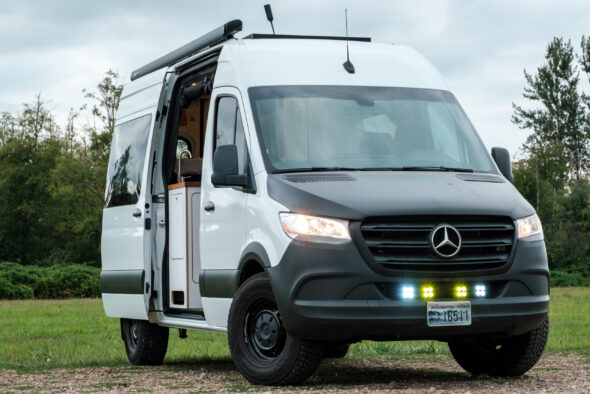
Source : vanlifetrader.com
You’ve got roof-mounted options, often low-profile, that keep the dish protected and ready. Some integrate directly into roof racks or custom systems. Others are more portable but sturdier than the basic ground stake, like tripod mounts or telescoping pole systems. The goal is to get the dish as high and unobstructed as possible for the best signal, while also ensuring it can withstand wind and weather. A secure Starlink mount is non-negotiable.
Think about ease of use. Can you deploy it in under a minute? Can you stow it without getting covered in dirt? Does it require tools? The less hassle, the more likely you are to use it consistently. And if you’re mounting it permanently, consider aerodynamics and aesthetics. You don’t want it looking like an afterthought. It should be an integrated part of your van’s design. That’s what makes a professional van build stand out.
The Future is Now: What’s Next for Van Life Tech?
So, where does this leave us for 2026 and beyond? Starlink and solar are no longer fringe luxuries; they’re becoming the bedrock of modern van life. Expect even more integrated solutions. We’ll see vans coming off the assembly line with these systems as standard options. Solar tech will get more efficient and affordable. Starlink will likely offer even more specialized hardware for mobile users, perhaps smaller, more power-efficient dishes.
Battery technology is also evolving rapidly. Solid-state batteries, faster charging, longer lifespans – all these advancements will benefit van dwellers. Imagine a battery bank that charges fully in an hour or lasts for days on end. It’s not science fiction; it’s the trajectory. We’re moving towards a future where your van is as powerful and coected as your home, but with the added bonus of a new view every morning. This is the future of mobile living.
The key takeaway? If you’re plaing a van build or an upgrade for 2026, put Starlink and solar at the absolute top of your list. Don’t skimp. Invest in quality components and a well-thought-out system. It’s the foundation for truly living the van life dream – working from anywhere, exploring without limits, and staying coected on your own terms. It’s the ultimate upgrade for unrestricted van life.
Frequently Asked Questions
How much does Starlink cost for Van Life?
Alright, let’s break down the Starlink costs for us van lifers. You’ve got the initial hardware purchase, which for the Starlink Roam (the mobile one you want for van life) is typically around $599 USD. Then there’s the monthly service fee. For Starlink Roam, that’s usually about $150 USD per month. Keep in mind these prices can fluctuate a bit based on region and any promotions they might be ruing. So, budget for that upfront hardware cost and then the recurring monthly bill. It’s an investment, but for truly reliable mobile internet, it’s often worth every pey.
How much is Starlink monthly for an RV?
For RVs and van life, you’re looking at the Starlink Roam plan. The monthly cost for this plan is generally $150 USD. This gives you access to Starlink’s network wherever there’s coverage. It’s designed for mobility, so you can pause and unpause the service, which is super handy if you’re not on the road full-time or if you plan to spend extended periods in areas without Starlink service. It’s a pretty solid price for internet almost anywhere.
Do I need a specific Starlink dish for my van?
Yes, you absolutely do. For van life and RVs, you want the Starlink Roam kit (it used to be called the Mobile plan). This dish is designed to be portable and works anywhere Starlink has coverage, unlike the fixed residential dish which is tied to a specific location. You can easily set it up at a campsite or stow it away when you’re driving. It’s the key to having internet on the move.
How much power does Starlink use in a van?
This is a crucial question for solar setups! The Starlink Roam dish and router combined typically use about 50-75 watts on average. However, it can spike higher, especially during startup or when transferring a lot of data. So, when you’re designing your solar power system, you need to account for this consistent draw. Don’t underestimate it, or you’ll find your batteries draining faster than you expect, especially on cloudy days. Always factor in that Starlink power consumption when calculating your needs.
Is Starlink worth it for full-time van life?
In my opinion? Absolutely, yes. If you plan to work remotely, stream content, or just need reliable internet access while traveling, Starlink is a game-changer for full-time van life. The freedom to have high-speed internet almost anywhere is incredible. Sure, there’s the upfront cost and the monthly fee, but the ability to stay coected without being tied to cell service or RV park Wi-Fi is invaluable. It opens up so many more possibilities for where you can go and what you can do. It’s the ultimate coectivity upgrade.