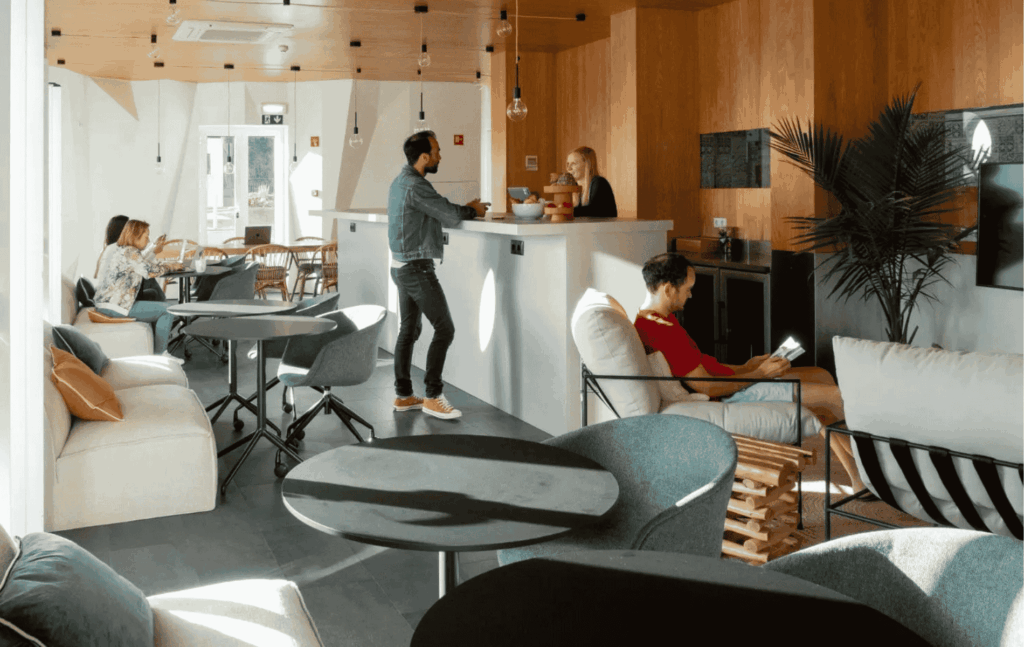
Co-Living Spaces: The New HQ for Remote Pros
Forget sterile office parks and lonely coffee shop work sessions. The future of remote work isn’t just about your home office setup; it’s about where you choose to live and work. Enter co-living spaces. These aren’t your college dorms anymore, folks. We’re talking about curated communities specifically designed for people like you – the digital nomads, the freelance hustlers, the remote employees who crave coection, convenience, and a serious upgrade from their kitchen table.
Source : archieapp.co
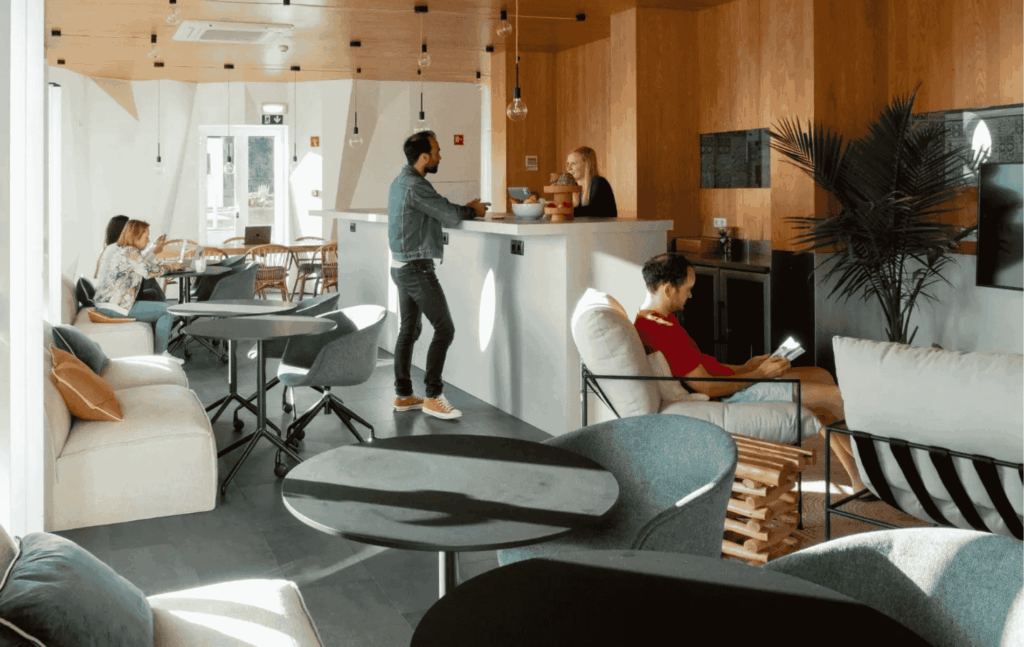
Think about it. You’re tired of endless Zoom calls, the silence of your apartment broken only by the fridge humming. You miss bouncing ideas off people, grabbing a spontaneous coffee break, or just having someone to commiserate with about a tough project. That’s where these modern co-living hubs come in. They’re popping up everywhere, from bustling city centers to sun-drenched coastal towns, all built with the remote professional in mind.
Why Co-Living Beats the Solo Grind
Working remotely offers amazing freedom, no doubt. But let’s be real, it can get lonely. And the constant battle to stay motivated without a team around you? It’s a struggle. Co-living spaces tackle these issues head-on. They provide a ready-made community, so you’re never truly alone. Plus, the built-in amenities often include dedicated workspaces – no more fighting for the best Wi-Fi at Starbucks!

Source : archdaily.com
These places are built for productivity. We’re talking high-speed internet that actually works (hallelujah!), ergonomic setups, and sometimes even dedicated quiet zones. But it’s not all work. The social aspect is huge. Imagine finishing your workday and heading straight to a communal dier, a yoga session, or an organized networking event. It’s built-in socialization, minus the awkward forced fun.
The Perks of a Plug-and-Play Work Life
Forget the headache of setting up utilities, finding furniture, or dealing with a landlord for every leaky faucet. Most co-living rentals are all-inclusive. Rent covers your room, utilities, Wi-Fi, cleaning, and often access to shared amenities like gyms, lounges, and yes, those crucial coworking areas. It simplifies your life immensely. You just show up with your laptop and your toothbrush. Easy.
And the locations? They’re usually prime. Think vibrant neighborhoods with great cafes, restaurants, and easy access to public transport. Some are even located in those dream destinations you’ve always wanted to work from. Imagine coding with an ocean view or finalizing a report with mountain air filling your lungs. It’s not just work; it’s a lifestyle upgrade.
For the true wanderers, explore co-living for digital nomads. It’s the perfect blend of travel and steady work.
Types of Co-Living Spaces You’ll Find

Source : cohaus.com
Not all co-living spots are created equal. Some cater to a younger, more transient crowd, while others focus on professionals seeking a bit more stability and a strong community vibe. You’ll find:
- Community-Focused Hubs: These are the most common. They emphasize shared living, regular social events, and communal kitchens/lounges. Great for extroverts and those new to a city.
- Work-Centric Spaces: These places put a premium on productivity. Expect top-notch coworking facilities, quiet zones, and maybe even business workshops. Ideal for deep-focus work.
- Wellness Retreats: Think yoga, meditation, healthy food, and a generally calmer atmosphere. Perfect for those looking to de-stress while still getting work done.
- Luxury Co-Living: High-end amenities, stylish design, and premium services. For those who want all the benefits of co-living without sacrificing comfort or a touch of opulence.
Finding Your Perfect Fit
Choosing the right space depends on what you value most. Are you looking for a bustling social scene or a quiet sanctuary? Do you need a fully equipped gym or just a decent coffee maker? Read reviews carefully. Look at photos. Check the Wi-Fi speeds if that’s critical. Most importantly, consider the vibe. Does it feel like a place where you’d actually enjoy living and working?
Some platforms offer flexible leases, which is a huge plus for remote workers who might not be tied to one location for years. Short-term stays, month-to-month, or even longer commitments – there’s usually an option to fit your needs. This flexibility is a huge win for remote workers.
The Impact on Your Career and Well-being
It’s not just about a cool place to live. The right co-living space can seriously boost your career. The networking opportunities alone are fantastic. You meet people from diverse industries, potential collaborators, future clients, even future employers. It’s like attending a continuous, informal industry conference. Plus, having a supportive community can combat burnout, a major issue for many remote workers.

Source : archieapp.co
When you’re surrounded by motivated individuals, it’s infectious. You push yourself harder. You get inspired by others’ projects. And when work gets tough, you have a support system. It’s a psychological boost that’s hard to replicate when you’re working solo from your apartment. This community support is invaluable.
Plus, think about the mental health benefits. Getting out of your own head, engaging with others, and having a structured yet flexible environment can do wonders. It breaks the monotony and provides a sense of belonging that’s crucial for well-being, especially when you’re geographically distant from friends and family.
Who Should Consider Co-Living?
Honestly? Almost any remote professional. But it’s particularly beneficial for:
- Digital Nomads: Obviously. It provides stability and community while traveling.
- New in Town Professionals: An instant social network in a new city.
- Freelancers/Solopreneurs: Combat isolation and find collaboration opportunities.
- Remote Employees: Break the home-office monotony and gain a better work-life balance.
- Minimalists: Less stuff to own, less to worry about. Just bring your essentials.
If you’re tired of the isolation, the constant distraction of home, or just the sheer boredom of the same four walls, it’s time to consider a change. Co-living offers a dynamic, supportive, and productive environment that traditional apartments or solitary home offices just can’t match.

Source : cohabs.com
The Future is Shared (and Productive)
Co-living isn’t just a trend; it’s a fundamental shift in how we think about living and working. As more companies embrace remote and hybrid models, the demand for flexible, community-oriented living solutions will only grow. These spaces are evolving, becoming more specialized and offering even better amenities. They’re adapting to the needs of the modern workforce. Expect more tech integration, more focus on sustainability, and even more diverse communities.
It’s about creating environments where people can thrive, both personally and professionally. It’s about making remote work not just feasible, but genuinely enjoyable and coected. So, if you’re ready to level up your remote work game, ditch the isolation, and join a vibrant community, a co-living space might just be your next best move. It’s a smarter way to live and work, period.
Frequently Asked Questions
-
What exactly is a co-living space for remote professionals?
Think of it as a modern, community-focused living setup designed specifically for people who work remotely. It’s more than just an apartment; it’s a shared living environment with built-in amenities like high-speed internet, dedicated workspaces, and common areas, all aimed at fostering productivity and coection among residents. It’s like having a ready-made network and office rolled into one.
-
How is co-living different from just renting an apartment?
The big difference is community and convenience. Renting an apartment means you’re on your own for everything – Wi-Fi setup, furniture, finding roommates (if you even want them), and building a social circle. Co-living spaces offer an all-inclusive package: rent typically covers utilities, cleaning, internet, and access to shared amenities. Plus, you get an instant community of like-minded people, which is a huge plus for combating remote work isolation.
-
Are co-living spaces good for networking?
Absolutely. That’s one of the biggest draws. You’re living and often working alongside people from diverse industries and backgrounds. Many co-living spaces organize social events and workshops, making it super easy to meet potential collaborators, clients, or just new friends. It’s way more organic than awkward networking events.
-
What kind of amenities can I expect in a co-living space?
It varies, but you can generally expect reliable, fast Wi-Fi, comfortable workspaces (often a dedicated coworking area), shared kitchens and lounges, and sometimes extras like gyms, outdoor spaces, or even event rooms. Most are furnished, so you don’t have to worry about buying a couch. It’s all about making your life easier so you can focus on work and enjoying the community.
-
Is co-living a good option if I travel a lot as a remote worker?
Yes, especially if you’re a digital nomad. Many co-living spaces offer flexible lease terms, from a few months to month-to-month. This means you can move between locations without the hassle of setting up and breaking down a new apartment lease every time. You get a stable base and a community wherever you land.