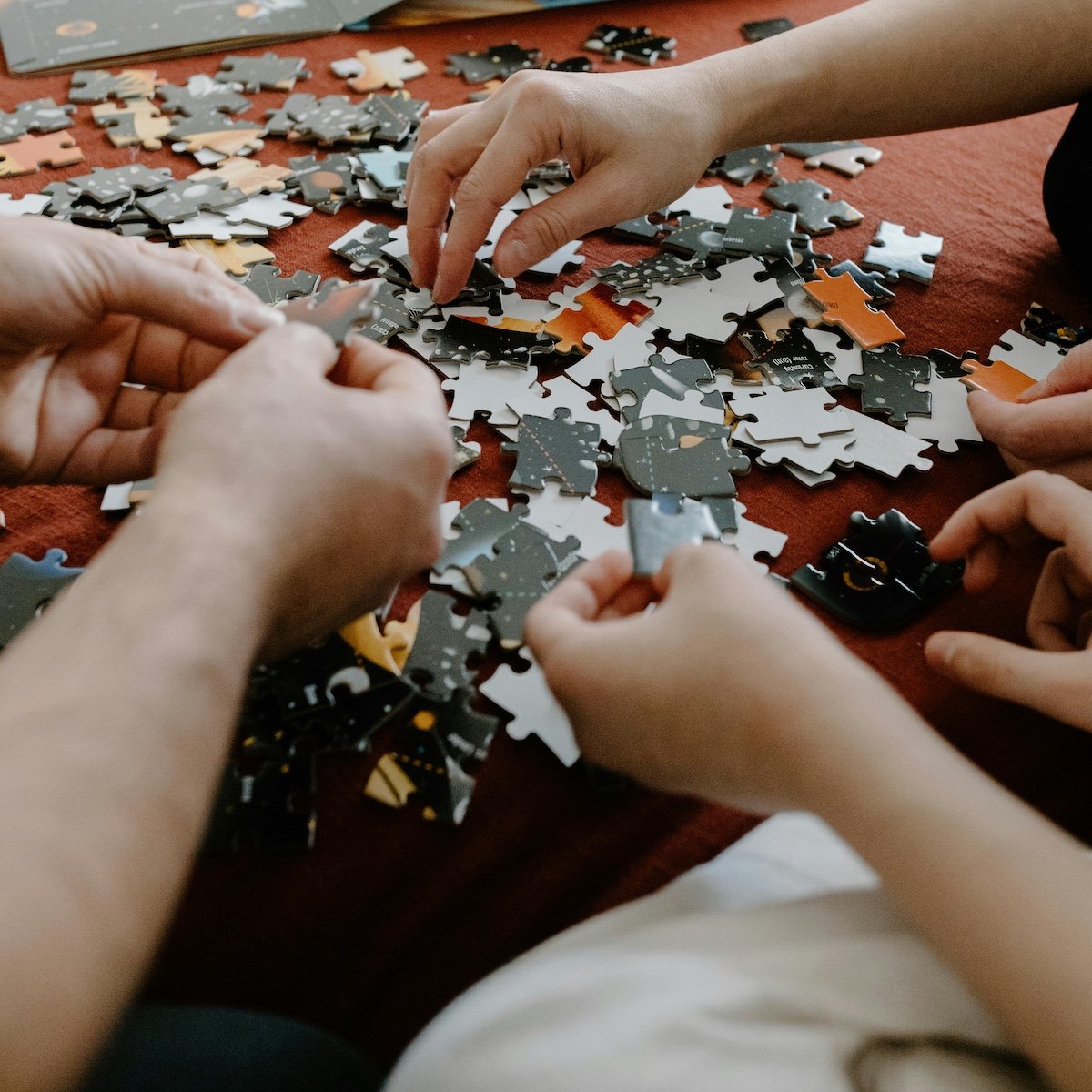
The Ultimate 2026 Stress Reliever? It’s Probably Not What You Think.
Forget the endless doomscrolling, the anxiety-inducing news cycles, the constant ping of notifications. In 2026, if you’re looking for a genuine escape from the chaos, a way to truly dial down the noise in your head? You might be surprised. We’re talking about something decidedly low-tech, something tactile, something that’s been around forever but is making a massive comeback. Yep, I’m talking about jigsaw puzzles.
Source : craftplaylearn.com
Now, before you roll your eyes and picture dusty attics, hear me out. This isn’t your grandma’s quiet pastime. This is about reclaiming your sanity in a world that seems determined to steal it. This is about finding that sweet spot of focused calm, that satisfying click of a piece falling into place. It’s about giving your brain a much-needed vacation without ever leaving your living room.
Why Puzzles Are King in 2026
Let’s be real. The last few years? A dumpster fire. The future? Looks… complicated. We’re all looking for ways to cope, to find a little peace. And while a lot of so-called ‘solutions’ are just band-aids – think another mindfulness app you’ll forget to use, or another purchase that promises happiness but doesn’t deliver – jigsaw puzzles offer something tangible. Something real. It’s a proven stress reducer, and frankly, it’s way more engaging than staring at a screen.

Source : puzzlepickup.com
Think about it. You’re faced with a jumbled mess of colors and shapes. Your mission, should you choose to accept it? Bring order to that chaos. It’s a mini-victory, again and again, with every single piece you coect. It’s not passive. It demands your attention, but in the best possible way. It pulls you out of your worries and centers you right here, right now. This is the power of tactile engagement.
The Brain Science: More Than Just Fun and Games
So, what’s actually happening in your head when you’re piecing together that epic 1000-piece dragon? It’s pretty wild. For starters, when you focus on a puzzle, your brain enters a state similar to meditation. It’s called a ‘flow state’. Your stress hormones, like cortisol, actually decrease. You feel calmer, more relaxed. It’s not just a feeling; it’s a chemical reaction. This is why puzzles are seriously great for mental health.
Plus, you’re using both sides of your brain. The left side handles logic and sequential thinking (finding edges, sorting colors), while the right side handles creativity and spatial awareness (seeing the bigger picture, figuring out where that weird shape fits). This kind of bilateral stimulation is incredibly beneficial. It’s like a workout for your entire brain, strengthening neural pathways and keeping you sharp. Forget Sudoku; puzzles are the real deal for cognitive function. They’re a cognitive powerhouse.
Consider the sheer act of problem-solving. You’re presented with a challenge, and you break it down. You analyze, you strategize, you experiment. When a piece fits? Boom! Dopamine hit. It’s a tiny reward system firing up, making you feel good and encouraging you to keep going. It’s a far cry from the passive consumption of digital media. This is active, rewarding problem-solving.
Why Puzzles Crush Digital Distractions
Let’s face it, our digital lives are exhausting. Endless scrolling, constant notifications, the pressure to always be ‘on’. Trying to find peace on a screen often just means swapping one digital distraction for another. You hop from a meditation app to a game, but your brain is still buzzing. It’s still demanding constant input. Puzzles, though? They demand focus, yes, but it’s a calming focus. It’s a deep dive into a single, tangible task. It’s a digital detox in disguise.
Source : amazon.com
There’s a unique satisfaction in holding a physical object, in the tactile sensation of cardboard coecting. It’s grounding. Unlike a video game or a social media feed that constantly pulls your attention in a million directions, a puzzle gives you one thing to concentrate on. It helps to quiet the mental chatter that plagues so many of us. You’re not just escaping; you’re actively cultivating ier peace.
Think of the difference between watching a cooking show (passive) and actually following a recipe, chopping vegetables, smelling the spices (active). Puzzles are the latter. They pull you out of your head and into the real world, even if that world is just a collection of cardboard pieces. This is a fundamental shift away from virtual consumption towards physical engagement.
The Unexpected Social Element
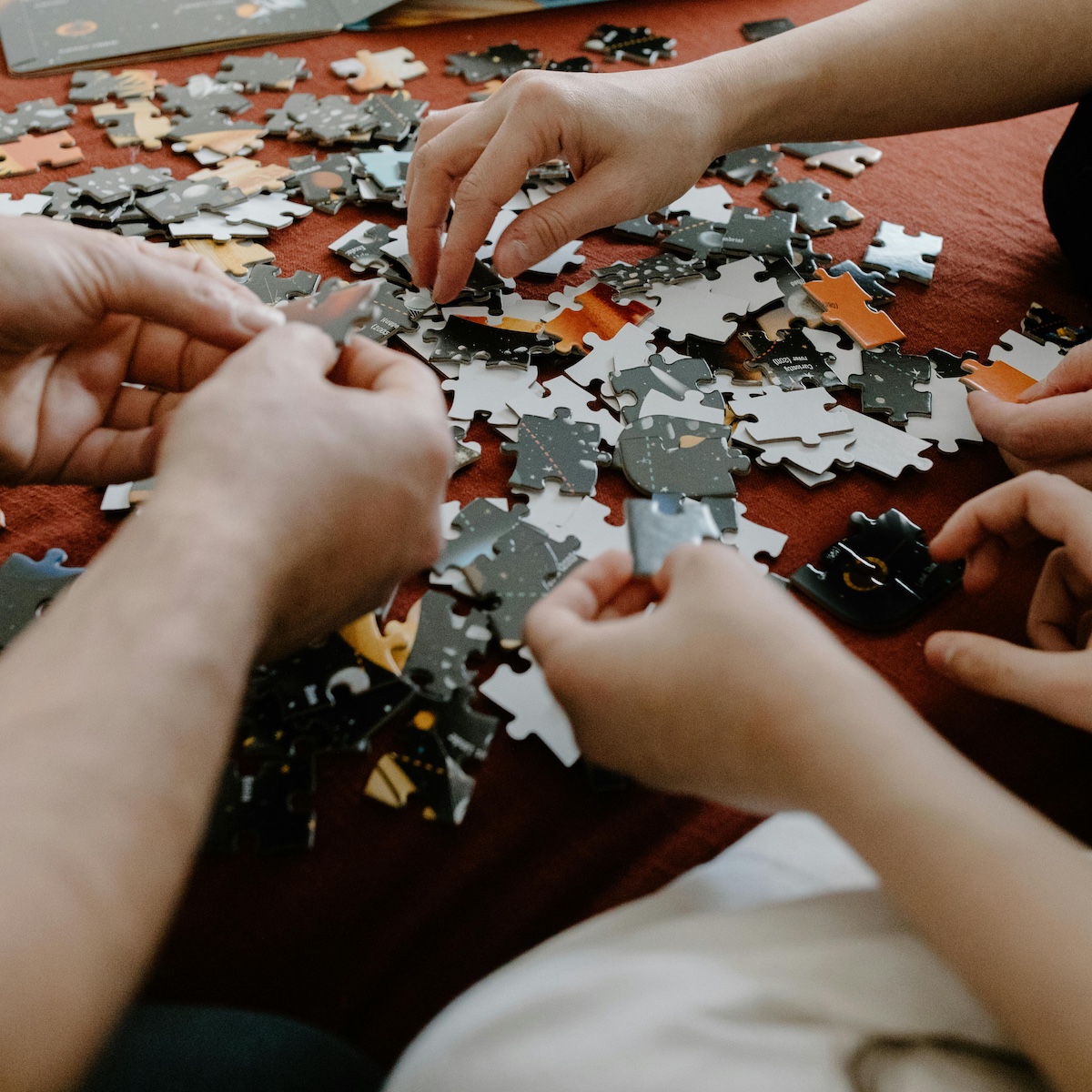
While puzzles are fantastic for solo stress relief, don’t underestimate their power to bring people together. Imagine a cozy evening, a few friends or family members gathered around a table, silently working on a shared project. There’s a low-key camaraderie, a shared goal. It fosters conversation without pressure, allows for comfortable silences, and creates a sense of coection that’s hard to find elsewhere.
It’s a screen-free zone where real interaction happens. You can chat, you can laugh, you can even playfully ‘help’ someone find a piece. It builds bonds in a way that doesn’t involve tapping on separate devices. This kind of low-stakes social activity is incredibly valuable for mental well-being. It strengthens relationships and creates shared memories.
For families, it’s a golden opportunity. In a world where everyone’s attention is pulled in different directions, the puzzle table becomes a unifying force. Kids learn patience, problem-solving, and cooperation, while parents get a break from the constant demands of entertainment and education. It’s quality time, pure and simple. A chance to recoect over a shared challenge.

Source : restinpieces.co.uk
Finding Your Perfect Puzzle Escape
Okay, convinced yet? The great thing is, there’s a puzzle out there for literally everyone. From stuing landscapes and intricate art pieces to quirky pop culture themes and challenging abstract designs. The sheer variety is incredible. You can pick something that genuinely interests you, making the whole experience even more enjoyable and less like a chore.
What’s your vibe? Love nature? Grab a scenic mountain vista. Obsessed with that new sci-fi show? There’s probably a puzzle for that. Feeling bold? Try a gradient puzzle with zero discernible patterns – talk about a challenge! The key is finding an image that speaks to you. That way, you’re motivated to finish it, to see the whole picture come to life. Check out resources like this guide on puzzle benefits for inspiration.
Don’t get bogged down by piece count initially. Start where you feel comfortable. A 300-piece puzzle is still a fantastic stress reliever. The goal isn’t to conquer a monster puzzle overnight; it’s to enjoy the process, to find that zone of calm. As you get more comfortable, you can absolutely tackle those bigger, more complex challenges. The sense of accomplishment only grows. Exploring different puzzle themes can keep things fresh.
Making Puzzling Part of Your Routine
So, how do you weave this delightful stress-buster into your busy 2026 life? It doesn’t need to be a huge time commitment. Even 15-30 minutes a day can make a difference. Set up your puzzle in a dedicated space if you can, so you can easily jump back into it. Keep it visible – a constant, gentle reminder to take a break.

Source : amazon.com
Try incorporating it into your wind-down routine. Instead of scrolling social media in bed, spend a few minutes at the puzzle table. It’s a much more peaceful way to transition to sleep. Many people find that the focus required helps clear their minds of the day’s worries, paving the way for better rest. It’s a healthier alternative to screen time before bed. This is about mindful relaxation.
You can even make it a social event. Schedule a ‘puzzle night’ with friends. Make it a regular thing. Or, just leave a puzzle out when you have guests over – you might be surprised who gets drawn in! The accessibility of puzzles makes them perfect for spontaneous moments of coection. It’s about creating opportunities for calm.
Ultimately, in 2026, we need real solutions for stress. We need things that ground us, focus us, and bring us a sense of accomplishment without adding more digital noise. Jigsaw puzzles tick all the boxes. They’re accessible, engaging, scientifically proven to reduce stress, and frankly, just plain fun. So next time you feel the world closing in, consider reaching for a box of pieces. You might just find your perfect escape. It’s more than just a hobby; it’s a mental wellness tool.
Ready to dive deeper into the science? Check out the impact of jigsaw puzzles on stress reduction and relaxation at Puzzle Merchant. And for more on how puzzles contribute to overall well-being, explore the insights from USA Today. These resources really highlight why this pastime is so crucial for our modern lives.
Frequently Asked Questions
-
Do jigsaw puzzles actually reduce stress?
Absolutely! When you’re focused on a jigsaw puzzle, your brain goes into a meditative state, lowering stress hormones like cortisol. It’s a proven way to find calm and escape the daily grind. It’s way better than endlessly scrolling your phone for peace.
-
What type of personality likes jigsaw puzzles?
Honestly? Pretty much anyone! Puzzles appeal to people who enjoy a good challenge, love problem-solving, and appreciate a quiet, focused activity. Whether you’re meticulous and detail-oriented or just looking for a way to unwind, there’s a puzzle calling your name. They’re great for creative thinkers and logical minds alike.
-
How long does it take the average person to do a 1000 piece jigsaw puzzle?
It totally varies! For the average person, a 1000-piece puzzle might take anywhere from 6 to 12 hours, often spread over several sessions. Factors like puzzle difficulty, image complexity, and your own focus level play a big role. Don’t rush it; the journey is the point!
-
Are jigsaw puzzles good for brain health?
You bet they are! Doing jigsaw puzzles is like a workout for your brain. They improve memory, boost problem-solving skills, and enhance visual-spatial reasoning. It’s a fantastic way to keep your mind sharp and engaged, especially as you get older. Think of it as brain training.
-
Can jigsaw puzzles help with sleep?
Definitely. Engaging in a calming activity like puzzling before bed can help quiet a racing mind, making it easier to fall asleep. It provides a screen-free wind-down period, unlike looking at your phone, which can actually disrupt sleep. It’s a healthy sleep habit.