Global Travel’s New Normal: When to Go and What to Expect
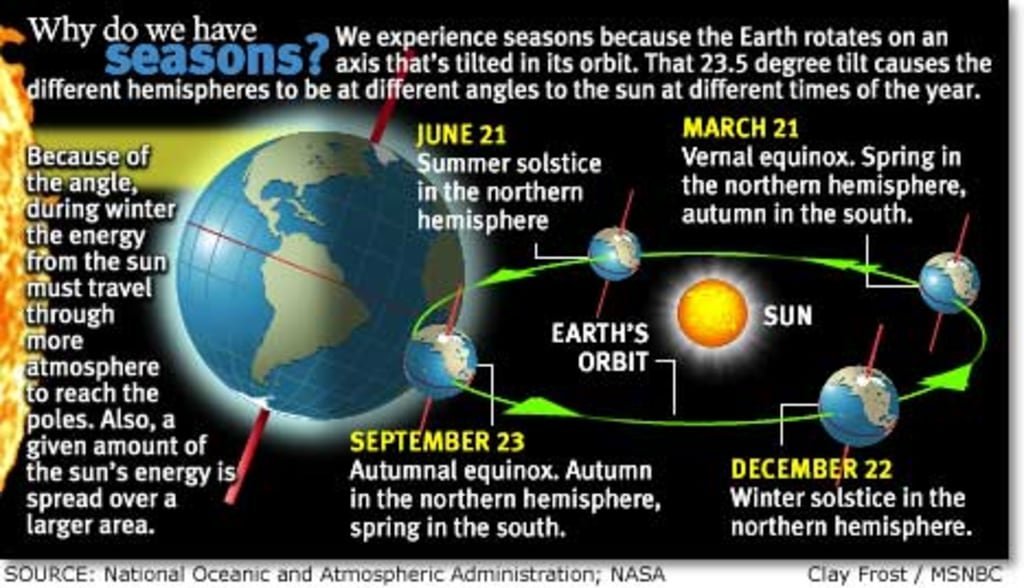
Forget everything you thought you knew about plaing a vacation. Seriously. The days of booking a summer trip to Europe because ‘that’s when it’s always nice’ are over. Climate change isn’t some distant threat anymore; it’s messing with our flight schedules, our beach days, and even when we should be packing our warmest coat.
Think about it. The snow in the Alps? It’s melting earlier. The monsoon in Southeast Asia? It’s showing up at weird times, sometimes with a vengeance. This isn’t just about a few inconvenient heatwaves; it’s fundamentally reshaping the entire travel calendar. We’re talking about a massive shift that affects everything from ski resorts to summer festivals. It’s a whole new ballgame, and frankly, it’s pretty unsettling if you’re trying to plan ahead.

Source : nbcnews.com
The Heat is On: Summer Travel Gets Complicated
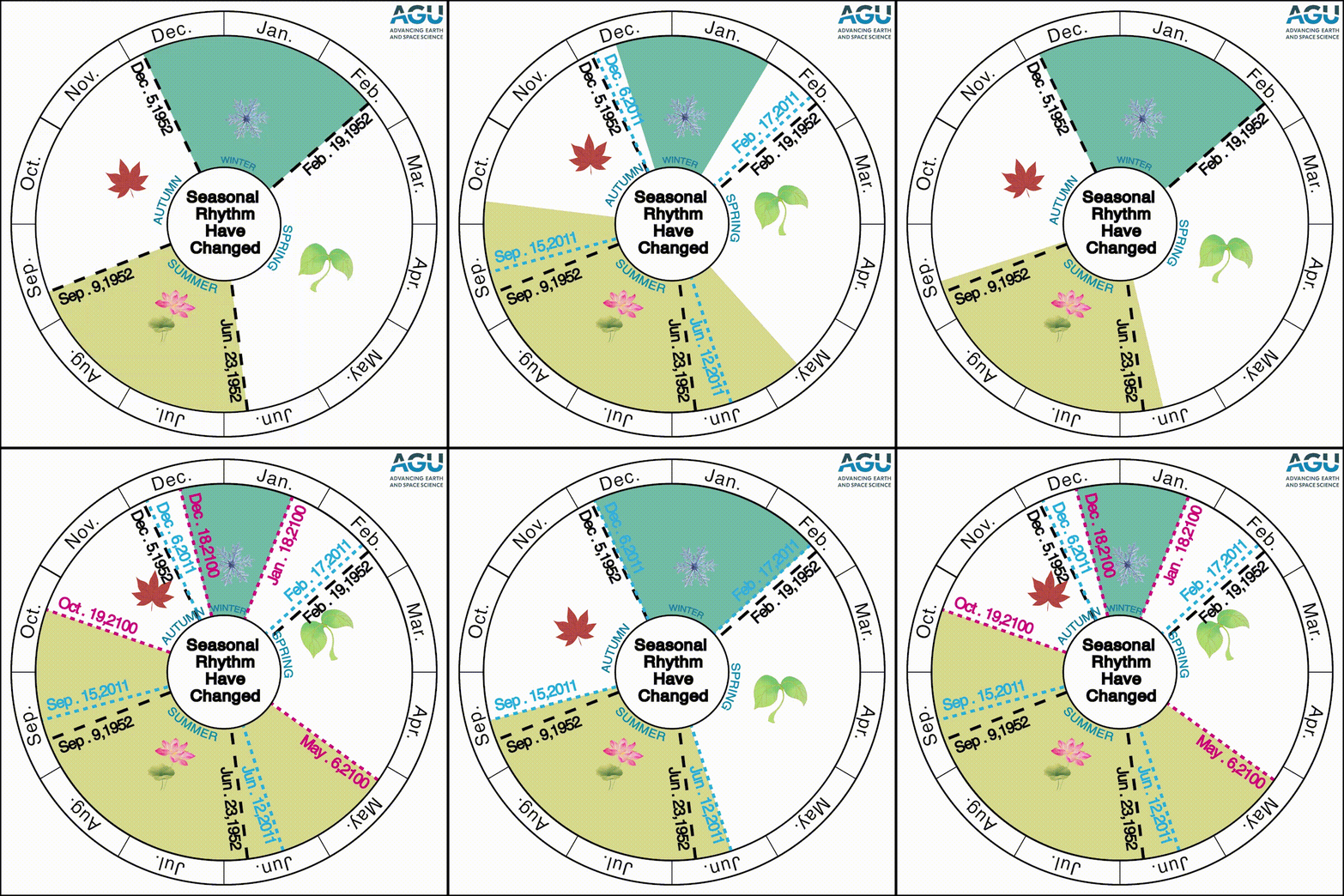
Summer used to be the gold standard for travel. Long days, warm nights, perfect for hitting the beach or exploring ancient ruins. But now? Summers are getting brutal in many places. Think scorching heatwaves in Southern Europe, or wildfire smoke turning the air in the American West into something you can chew. Booking a trip to Rome in July? You might spend most of your time hiding in an air-conditioned museum, desperately trying to avoid heatstroke. It’s not exactly the idyllic escape you signed up for.
And it’s not just about personal discomfort. Extreme heat is a real danger. We’re seeing travel advisories pop up for places that were once considered prime summer destinations. This forces travelers to reconsider their timing. Maybe spring or fall is the new summer? It’s a tough pill to swallow when you’ve always pictured yourself basking in July sun, but reality bites.
This shift is already impacting popular spots. Think of the Mediterranean – it’s becoming notoriously hot. Coastal towns that relied on peak summer tourism are now seeing a dip during July and August because it’s just too darn hot to enjoy. People are getting smarter, though. They’re looking at shoulder seasons – April, May, September, October – when the weather is still pleasant but not life-threateningly hot. Smart move, if you ask me.

Source : noaa.gov
Winter Woes: The Ski Industry’s Climate Crisis
What about winter? If you’re a ski enthusiast, you’ve probably noticed the changes. Less snow. Warmer winters. Ski resorts, especially those at lower altitudes, are struggling. Some are staying closed longer, others are investing millions in artificial snow machines that are energy hogs and not a perfect substitute for the real thing. It’s a tough spot to be in when your entire business model relies on frozen water.
The inconsistency is the real killer. One year, you might get a dump of perfect powder. The next? You’re scraping ice off the buy slope. This unpredictability makes plaing difficult for both resorts and vacationers. Will your ski trip in February even happen? Who knows! The economic impact is huge, not just for the resorts but for the entire mountain towns that depend on that winter influx of cash. We’re talking restaurants, hotels, gear shops – all on the line.
Some resorts are trying to adapt, offering more summer activities or diversifying their appeal. But let’s be honest, if you’re going to a ski resort in August, something’s a bit off, right? The real challenge is convincing people to book months in advance when the weather is so unpredictable. It’s a gamble, and not everyone likes to gamble with their hard-earned vacation time.
The Rainy Season Shuffle: Floods and Droughts Disrupting Tropics
Tropical destinations often have distinct wet and dry seasons. That’s part of their allure, right? The lush green scenery during the rainy season, the perfect sunshine of the dry months. But climate change is throwing a wrench in the works. We’re seeing more intense rainfall, leading to devastating floods in places like Thailand or the Caribbean. Suddenly, your relaxing beach vacation turns into a soggy disaster zone.
Conversely, other tropical regions are experiencing prolonged droughts. This affects everything from water availability for tourists to the health of the coral reefs and rainforests that draw people in. Imagine visiting a paradise only to find cracked earth and struggling wildlife. Not exactly the postcard experience. The consistency of the climate is what people book their trips around, and that’s what’s being eroded.
Source : washingtonpost.com
These unpredictable weather patterns mean that the traditional ‘best time to visit’ advice is becoming less reliable. You might check a guide that says June is perfect for Bali, only to find yourself in the middle of an unprecedented downpour. It forces a more flexible, more informed approach to travel plaing, and frankly, a bit more risk tolerance.
Shoulder Season Salvation? The Rise of the Off-Peak Traveler
So, where does this leave us? Many savvy travelers are already flocking to the so-called ‘shoulder seasons’ – spring and fall. These periods used to be the overlooked gaps between peak summer and winter. Now? They’re often the sweet spot. You get pleasant weather, fewer crowds, and often, cheaper prices. It’s a win-win-win.
Think of Paris in May. It’s gorgeous. Or Kyoto in October. The autumn colors are stuing. These months often offer the best of both worlds: comfortable temperatures without the scorching heat of summer or the biting cold of winter. It’s about finding that sweet spot where you can actually enjoy the destination without sweating through your clothes or needing four layers.
This shift is also a lifesaver for destinations that were struggling with over-tourism during their traditional peak seasons. By spreading visitors out more evenly throughout the year, places can manage their resources better and offer a more authentic experience. It’s a more sustainable way to travel, if you can swing it. It requires a mindset shift away from the traditional holiday calendar and a more open approach to when and where you go.
The Future of Travel: Adaptation and Uncertainty
The truth is, the way we travel is changing, and we need to adapt. This means staying informed about local weather patterns and potential disruptions. It means being flexible with our plans. Maybe booking that non-refundable hotel in August in a known heat-hotspot wasn’t the brightest idea. Perhaps booking a trip to a location experiencing political instability due to climate-related resource scarcity is also a bad idea.

Source : baldhiker.com
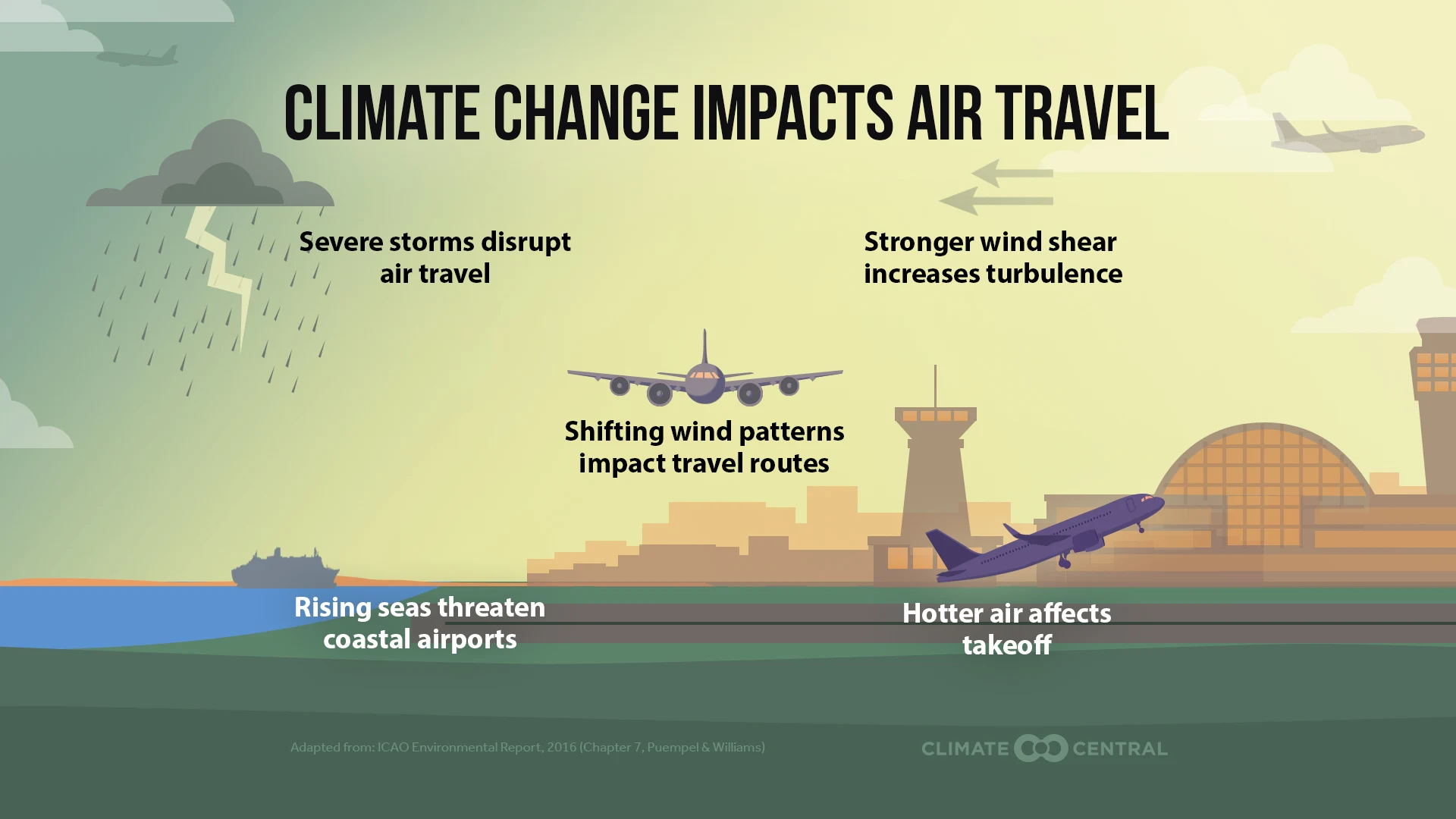
Airlines are already dealing with the fallout. More flight delays and cancellations due to extreme weather are becoming the norm. Think about the pilots having to navigate thunderstorms or the airports shutting down because of blizzards that used to be milder. It’s a cascade effect. This whole situation really makes you think about the real cost of travel beyond just the price of a ticket.
Ultimately, understanding how climate change is altering travel seasons is crucial for anyone who wants to enjoy their trips without constant worry or disappointment. It’s about plaing smarter, being more adaptable, and maybe even embracing a new way of seeing the world. The seasons are shifting, and so must our travel plans. It’s time to get with the program or risk getting left behind (literally, due to a cancelled flight).
FAQs About Climate Change and Travel
How is climate change affecting travel?
Man, it’s really shaking things up. You’re seeing wilder weather messing with everything. Summers are getting unbearably hot in places like Southern Europe, making traditional sightseeing a sweaty ordeal. Ski resorts are struggling with less snow and unpredictable conditions, sometimes staying shut when they should be booming. Tropical destinations are hit with either super-intense rain causing floods or long droughts drying things out. Plus, more extreme weather means more flight delays and cancellations. Basically, the old reliable travel seasons are becoming less reliable, forcing us to rethink when and where we book our trips. It’s all about being more flexible and informed now.
Will extreme weather cancel my vacation?
It’s a growing possibility, yeah. Think about it: those massive hurricanes, intense heatwaves that shut down cities, or even unexpected blizzards in places that rarely see snow. These aren’t just a nuisance anymore; they’re serious disruptions. Airlines have to delay or cancel flights when conditions are unsafe, and resorts might close their doors if conditions become dangerous or impossible. It means your dream trip could be grounded or a washout. Honestly, checking the long-range forecast and having backup plans is becoming less of a suggestion and more of a necessity. Travel insurance is also looking pretty smart these days.
Source : climatecentral.org
What are the ‘shoulder seasons’ for travel and why are they important now?
Okay, so shoulder seasons used to be that ‘meh’ time between the super busy summer and the cold winter – think April/May or September/October in many places. They were good for cheaper deals and fewer crowds. But now? They’re becoming the prime travel times. Why? Because the weather in these months is often way more pleasant and predictable than the extreme heat of mid-summer or the unpredictable cold of winter. It’s the sweet spot. Plus, traveling during shoulder seasons helps ease the burden on destinations that get overwhelmed during peak times, which is a good thing for sustainability. It’s a win-win for travelers and the places they visit.
How can I travel more sustainably in the age of climate change?
Great question! It’s not just about picking eco-friendly hotels, though that helps. It’s about rethinking your entire trip. Firstly, consider traveling closer to home. Less flying means a smaller carbon footprint. If you do fly, try to fly direct – takeoffs and landings use the most fuel. Once you’re there, use public transport, cycle, or walk instead of relying on taxis or rental cars. Choose accommodations that are genuinely committed to sustainability, not just greenwashing. Support local businesses and eat local food – it reduces transport emissions and pumps money into the community. And maybe, just maybe, rethink that 5-times-a-year international flight habit? Sometimes, a few well-chosen, longer trips are better than many quick hops. Small changes add up, and it’s about making conscious travel choices every step of the way.
Is climate change making specific travel destinations unsafe?
Definitely. Climate change is amplifying risks in many places. Coastal areas are facing rising sea levels and more intense storm surges, making them vulnerable. Regions already prone to drought might become uninhabitable or face severe water shortages, impacting tourism infrastructure. Areas experiencing extreme heatwaves can become genuinely dangerous for outdoor activities. And let’s not forget the knock-on effects: climate change can worsen resource scarcity, potentially leading to social instability in some regions. So yes, while ‘unsafe’ is a strong word, the climate-related risks at certain destinations are definitely increasing, requiring much more research and caution before booking.
Frequently Asked Questions
-
How is climate change affecting travel?
Man, it’s really shaking things up. You’re seeing wilder weather messing with everything. Summers are getting unbearably hot in places like Southern Europe, making traditional sightseeing a sweaty ordeal. Ski resorts are struggling with less snow and unpredictable conditions, sometimes staying shut when they should be booming. Tropical destinations are hit with either super-intense rain causing floods or long droughts drying things out. Plus, more extreme weather means more flight delays and cancellations. Basically, the old reliable travel seasons are becoming less reliable, forcing us to rethink when and where we book our trips. It’s all about being more flexible and informed now.
-
Will extreme weather cancel my vacation?
It’s a growing possibility, yeah. Think about it: those massive hurricanes, intense heatwaves that shut down cities, or even unexpected blizzards in places that rarely see snow. These aren’t just a nuisance anymore; they’re serious disruptions. Airlines have to delay or cancel flights when conditions are unsafe, and resorts might close their doors if conditions become dangerous or impossible. It means your dream trip could be grounded or a washout. Honestly, checking the long-range forecast and having backup plans is becoming less of a suggestion and more of a necessity. Travel insurance is also looking pretty smart these days.
-
What are the 'shoulder seasons' for travel and why are they important now?
Okay, so shoulder seasons used to be that ‘meh’ time between the super busy summer and the cold winter – think April/May or September/October in many places. They were good for cheaper deals and fewer crowds. But now? They’re becoming the prime travel times. Why? Because the weather in these months is often way more pleasant and predictable than the extreme heat of mid-summer or the unpredictable cold of winter. It’s the sweet spot. Plus, traveling during shoulder seasons helps ease the burden on destinations that get overwhelmed during peak times, which is a good thing for sustainability. It’s a win-win for travelers and the places they visit.
-
How can I travel more sustainably in the age of climate change?
Great question! It’s not just about picking eco-friendly hotels, though that helps. It’s about rethinking your entire trip. Firstly, consider traveling closer to home. Less flying means a smaller carbon footprint. If you do fly, try to fly direct – takeoffs and landings use the most fuel. Once you’re there, use public transport, cycle, or walk instead of relying on taxis or rental cars. Choose accommodations that are genuinely committed to sustainability, not just greenwashing. Support local businesses and eat local food – it reduces transport emissions and pumps money into the community. And maybe, just maybe, rethink that 5-times-a-year international flight habit? Sometimes, a few well-chosen, longer trips are better than many quick hops. Small changes add up, and it’s about making conscious travel choices every step of the way.
-
Is climate change making specific travel destinations unsafe?
Definitely. Climate change is amplifying risks in many places. Coastal areas are facing rising sea levels and more intense storm surges, making them vulnerable. Regions already prone to drought might become uninhabitable or face severe water shortages, impacting tourism infrastructure. Areas experiencing extreme heatwaves can become genuinely dangerous for outdoor activities. And let’s not forget the knock-on effects: climate change can worsen resource scarcity, potentially leading to social instability in some regions. So yes, while ‘unsafe’ is a strong word, the climate-related risks at certain destinations are definitely increasing, requiring much more research and caution before booking.