CBD Treats for Pet Anxiety: Dosage & Safety — Your No-Nonsense Guide
Okay, let’s talk about Fido’s jitters. You know, those moments when your dog looks like they’ve seen a ghost, or your cat’s pacing like a caged tiger? Yeah, that’s anxiety. And more and more pet parents are turning to CBD treats for pets to help calm their furry friends. But here’s the kicker: just like us humans, pets can react differently. So, how much do you give? Is it even safe? Let’s cut through the noise and get real about CBD for pet anxiety.

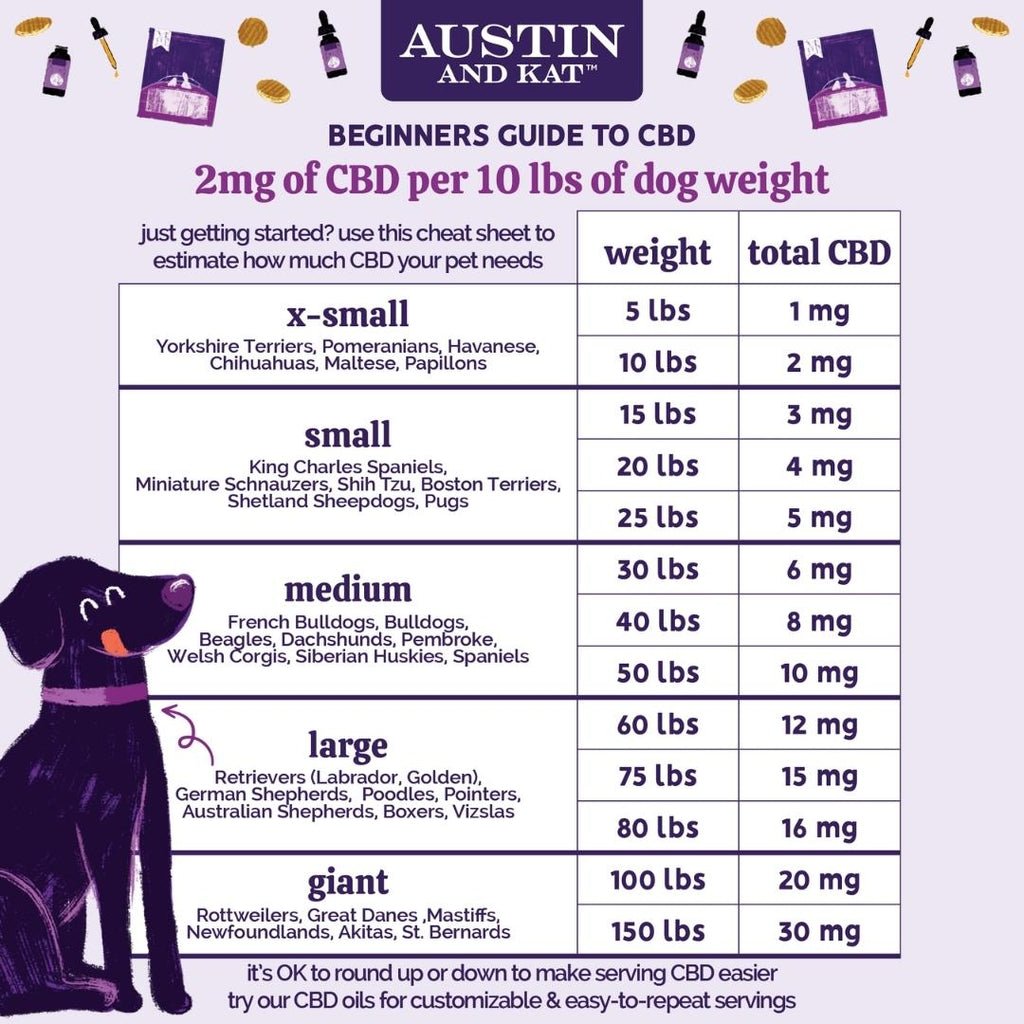
Source : austinandkat.com
Why Are Our Pets So Stressed Out?
Think about it. Our pets live in our world, and let’s face it, our world can be pretty chaotic. Loud noises (fireworks, anyone?), changes in routine (hello, new puppy schedule!), separation from their favorite human, car rides, vet visits… the list goes on. These can all trigger a stress response. It’s not their fault; it’s their biology. And when they’re anxious, they often show it through behaviors we don’t love: excessive barking, destructive chewing, hiding, or even aggression. We’ve all been there, watching our beloved companions suffer and feeling helpless. It’s tough.
CBD: What Is It, Really?
Caabidiol, or CBD, is a compound found in the caabis plant. But hold on, before you picture your dog getting “high,” let’s clear that up right now. CBD, especially when derived from hemp (which has less than 0.3% THC), doesn’t cause that psychoactive effect. That’s thanks to THC, another compound. What CBD does do is interact with your pet’s endocaabinoid system (ECS). This system is like a master regulator for things like mood, sleep, and pain. It’s present in both humans and animals. So, when you give your pet CBD, it’s essentially helping to bring their ECS back into balance. Think of it as nudging a wonky thermostat back to the right temperature. It’s not magic, it’s science!
CBD Treats vs. Oils: What’s the Difference for Anxiety?
You’ll see CBD in a few forms: oils, capsules, and yes, treats. For anxiety, treats are super popular. Why? Because they’re easy. You just toss one to your dog or cat, and boom, you’re administering a dose. It feels natural, like giving them a regular snack. Oils, on the other hand, can be dropped directly into their mouth or food. Some find this messy or a hassle if their pet is picky. Oils might kick in a bit faster because they bypass the digestive system more directly. But honestly? For consistency and ease of use, especially if your pet is already used to getting a treat, CBD dog treats for anxiety are a win. They’re pre-measured, so you know exactly how much you’re giving. No guesswork. Plus, they often come in flavors pets love.
Dosage: The Million-Dollar Question
Source : holistapet.com
This is where it gets tricky, and honestly, where a lot of the confusion lies. There’s no single, magic number that works for every single pet. Why? Because your fluffy friend isn’t just a number. Factors like weight, breed, age, metabolism, and the severity of their anxiety all play a role. But we’ve got to start somewhere, right?
A common starting point, often recommended by vets and CBD companies alike, is the 1-5 mg of CBD per 10 pounds of body weight rule. So, if you have a 20-pound terrier, you’d start with somewhere between 2-10 mg. You usually want to start low and go slow.
Starting Low and Going Slow: Your Mantra
Seriously, write this down. Start low and go slow. Begin with the lowest recommended dose for your pet’s weight. Give it to them and then wait. How long? Give it at least 30 minutes to an hour to see how they react. Honestly, it can sometimes take longer, especially if it’s in a treat form which has to go through digestion. If you don’t see much of a difference after a few hours, you can consider increasing the dose slightly the next time. You’re looking for a calm, relaxed pet, not a sleepy one. It’s a balancing act. Don’t jump from the lowest dose to the highest in one go. That’s how you end up with a pet who’s too chill, or worse, you don’t see any effect and wrongly assume CBD doesn’t work.
Factors That Influence CBD Dosage
Okay, let’s break down what makes that 1-5mg per 10lb guideline more of a starting point than a hard rule.
- Weight: This is the big one. Heavier pets generally need more CBD than lighter ones. Simple physics, right?
- Metabolism: Just like us, some pets process things faster than others. A faster metabolism might mean the CBD wears off quicker, or they need a slightly higher dose to feel the effect.
- Severity of Anxiety: Is your dog mildly nervous during thunderstorms, or are they having full-blown panic attacks? The greater the anxiety, the higher the dose might need to be.
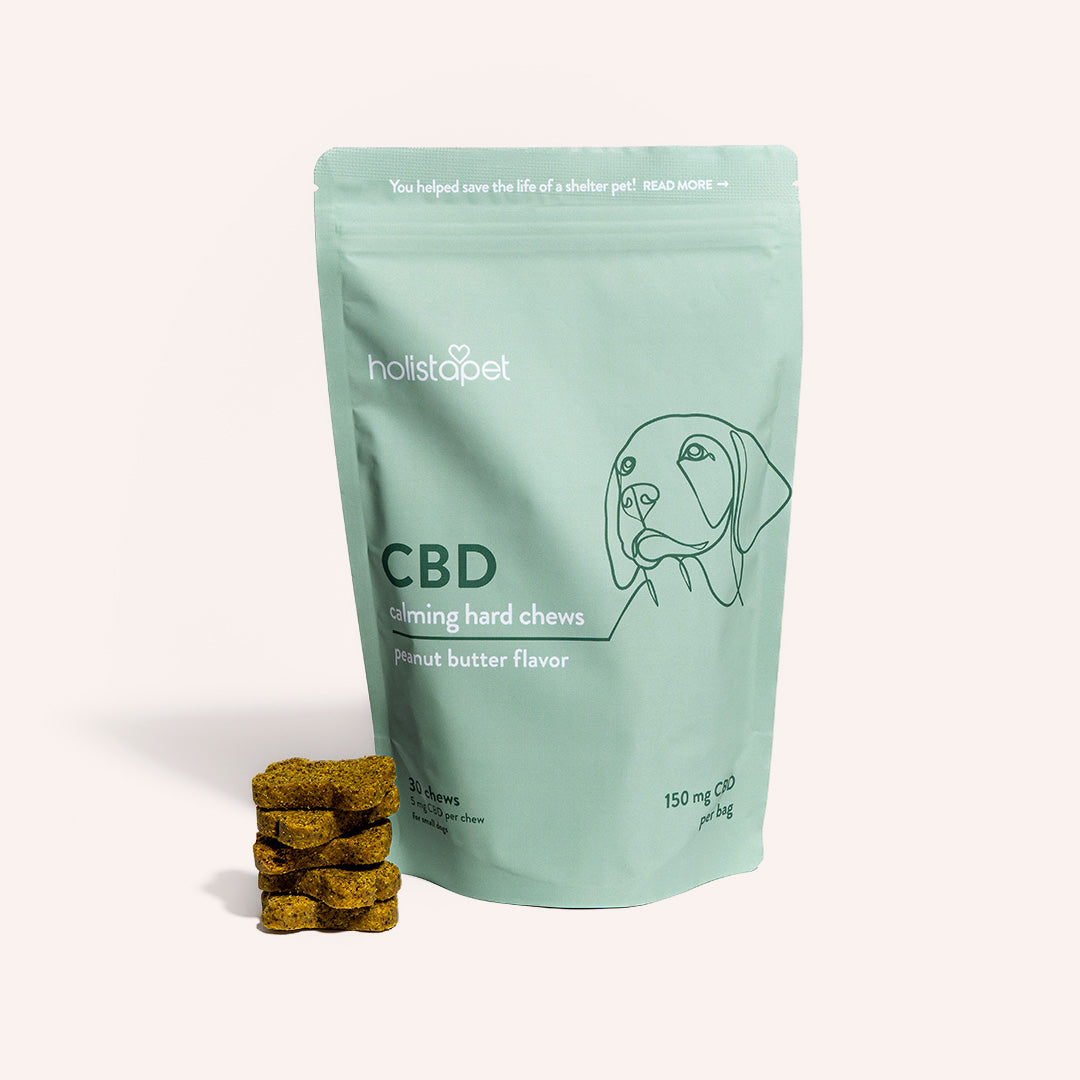
- The Specific Product: Not all CBD treats are created equal. Concentration varies wildly. You need to check the label carefully. Some treats might have 5mg per piece, others 2mg. Always, always, always check the concentration.
- Method of Administration: As we touched on, oils might absorb faster than treats. If you’re using treats, factor in that digestion time.
Tracking Your Pet’s Response
Keep a little journal, seriously. Write down the date, time, dose given, type of treat, and your pet’s behavior before and after. Note down any changes you see – are they calmer? Less reactive? Sleeping better? This record is GOLD. It helps you see patterns and figure out the sweet spot for your individual pet. Without tracking, you’re just guessing. And guessing with your pet’s health? Not ideal. This is how you find the right CBD dose.
Safety First: What You NEED to Know
Look, I’m all for trying new things to help our pets, but safety is non-negotiable. CBD is generally considered safe for pets, but there are important caveats. Think of it like giving them a new medication – you need to be informed.
Potential Side Effects: Keep an Eye Out
While severe side effects are rare, you might notice a few things, especially if you give too much. The most common ones include:

Source : holistapet.com
- Drowsiness or Lethargy: This is probably the most frequent. If your normally energetic pup is suddenly zonked out, you might have given too much.
- Dry Mouth: You might notice your pet drinking more water than usual.
- Lowered Blood Pressure: In very high doses, CBD can cause a temporary drop in blood pressure, leading to dizziness.
- Upset Stomach: Some pets might get a bit nauseous, especially with oils if not given with food.
If you see any of these, especially significant drowsiness, scale back the dose next time. If symptoms seem severe or persistent, it’s time to call your vet. Better safe than sorry!
Quality Matters: Don’t Skimp Here
This is CRITICAL. Not all CBD products are created equal. Some might be low quality, contaminated, or not even contain the amount of CBD they claim. Here’s what to look for:
- Third-Party Lab Reports (COAs): Reputable companies will have their products tested by independent labs. They’ll provide a Certificate of Analysis (COA) that shows exactly what’s in the product and confirms it’s free from contaminants like pesticides and heavy metals. If a company doesn’t have this, run the other way. Look for companies that are transparent about their testing.
- Source of Hemp: Is it grown in the USA? Is it organic? Good quality hemp makes for good quality CBD.
- THC Content: Make sure it’s hemp-derived with less than 0.3% THC. You don’t want your pet accidentally getting a buzz.
- No Additives: Look for simple ingredient lists, especially in treats. Avoid artificial colors, flavors, or preservatives.
Companies like Charlotte’s Web, Petly CBD, and Lazarus Naturals (though they primarily focus on human products, their quality is top-notch and they often have pet-specific recommendations) are known for their quality and transparency. Do your homework! You can trust resources that provide detailed CBD product information.
Interactions with Medications
This is a big one that people often forget. If your pet is already on medication, especially for things like seizures or pain, CBD can potentially interact with it. Both CBD and many medications are processed by the same liver enzymes. This means CBD could either increase or decrease the effectiveness of your pet’s current meds. It’s absolutely vital to talk to your veterinarian before giving your pet CBD if they are on any other medication. Don’t try to be a detective on this one; your vet is your best resource. They can help you understand potential risks. Many vets are now more informed about CBD, so don’t be afraid to ask. You can find more info on potential interactions at dog CBD safety guides.
Can My Pet Overdose on CBD?
It’s highly unlikely for a pet to experience a life-threatening overdose from CBD alone. As we mentioned, the main concerns are side effects like extreme drowsiness or stomach upset if the dose is too high. The bigger risk comes if the product is mislabeled and actually contains a significant amount of THC, or if it’s contaminated with something toxic. That’s why quality and third-party testing are so crucial. Always stick to reputable brands and follow their dosage guidelines. Overdosing on CBD isn’t like overdosing on something much more dangerous, but you still want to avoid uncomfortable side effects for your pet.
When to See a Vet: Crucial Advice
So, when does this become a vet situation? First off, always consult your vet before starting CBD, especially if your pet has pre-existing health conditions or is on other medications. They can offer personalized advice based on your pet’s specific needs. Secondly, if you notice any severe or concerning side effects after giving CBD – extreme lethargy, vomiting, balance issues, or unusual behavior – don’t wait. Get them to the vet immediately. It could be a reaction to the CBD, an interaction with another drug, or it might indicate an underlying issue unrelated to the CBD that needs attention. Your vet is your partner in your pet’s health journey. Use that partnership! Resources like Cornell University’s vet school also offer great general information on CBD and pets.
Finding the Right CBD Treats for Your Anxious Pet
Okay, you’re ready to try CBD treats. Where do you even start looking? Here’s a quick checklist:
Source : historia.usach.cl
- Check the COA: Seriously, this is non-negotiable. Look for it on the company’s website.
- Read Reviews: What are other pet parents saying? Look for reviews that mention anxiety relief specifically.
- Ingredient List: Simple is best. Avoid artificial junk. Look for calming ingredients like chamomile or melatonin if that’s a plus for you.
- Potency: Know how much CBD is in each treat. This is key for accurate dosing. Some companies make it easy, like All The Best Pet Care, which often lists clear dosing recommendations.
- Hemp Source: Prefer US-grown, organic hemp.
Don’t just grab the cheapest bag off the shelf. Investing in a high-quality product is investing in your pet’s well-being. Remember, the goal is to help your pet feel more comfortable and less stressed, not to experiment with questionable products.
Beyond Treats: A Holistic Approach
CBD treats can be a fantastic tool, but they’re not a magic wand. For the best results with pet anxiety, consider a more holistic approach. This means combining CBD with other strategies:
- Environmental Enrichment: Provide puzzle toys, chew toys, and opportunities for play to keep their minds occupied. A bored pet is often a stressed pet.
- Routine and Predictability: Pets thrive on routine. Consistent feeding times, walks, and playtime can reduce anxiety caused by uncertainty.
- Training: Positive reinforcement training can build confidence and provide coping mechanisms for stressful situations.
- Calming Music or Pheromones: Some pets respond well to calming music specifically designed for dogs or diffusers that release calming pheromones.
- Safe Space: Ensure your pet has a quiet, comfortable place where they can retreat when feeling overwhelmed.
Think of CBD as one part of a bigger puzzle. When you combine it with love, patience, and smart management strategies, you’re giving your pet the best possible chance to live a happier, calmer life. It’s about creating a supportive environment where they feel safe and secure, always.
The Bottom Line on CBD for Pet Anxiety
Managing your pet’s anxiety can be a journey, and finding the right solutions takes time and effort. CBD treats offer a promising, natural option for many pets struggling with stress and nervousness. The key is education, caution, and consistent observation. Start with a quality product, use the low-and-slow approach to dosing, monitor your pet closely, and always, always keep your veterinarian in the loop. You’re doing a great job by seeking out information to help your furry family member. With the right approach, you can help your pet find their calm.
Frequently Asked Questions
-
What's the best starting dose for CBD treats for my anxious dog?
Start with the lowest end of the 1-5 mg per 10 pounds guideline. For example, if your dog weighs 20 pounds, try a 2mg dose. Give it time to work, and only increase the dose gradually if needed. Always keep a log of what you give and your dog’s reaction.
-
Can my cat get too sleepy from CBD treats?
Yes, that’s one of the most common side effects if the dose is too high. If your cat seems unusually drowsy or lethargic after having a CBD treat, you’ve likely given them too much. Scale back the dose next time. It’s all about finding that sweet spot.
-
How do I know if the CBD treats I bought are good quality?
Look for a Certificate of Analysis (COA) from a third-party lab. This report should be available on the brand’s website. It confirms the CBD content and ensures the product is free from harmful contaminants like pesticides and heavy metals. If they don’t have a COA, don’t buy it.
-
Is it safe to give my pet CBD treats if they're already on medication?
This is a big one. You absolutely must talk to your vet first. CBD can interact with other medications your pet is taking because they’re processed by the same liver enzymes. Your vet can advise if it’s safe and help you adjust dosages if necessary.
-
How long does it typically take for CBD treats to help with pet anxiety?
With treats, it can take anywhere from 30 minutes to 2 hours, sometimes even longer, because they have to go through the digestive system. Unlike oils, which can work faster, treats require a bit more patience. Keep observing your pet’s behavior over several hours to gauge the effect.