The Real Deal on Pet Acupuncture and Alternative Therapies
Look, your furry friend isn’t just a pet. They’re family. And when they’re hurting or just not themselves, you’d do anything, right? Traditional vet visits are great for when Fido breaks a leg or Fluffy gets a nasty bug. But what about those lingering aches, the anxiety that won’t quit, or that slow decline that modern medicine just can’t seem to fix? That’s where things get… interesting. We’re talking about pet acupuncture and a whole bunch of other stuff vets are increasingly turning to. It’s not some woo-woo fringe movement anymore; it’s becoming a serious part of how we help our pets live longer, happier lives.
Source : wvcvet.com
I’ve seen it firsthand. A dog, practically glued to the floor with arthritis, suddenly trotting around after a few sessions. A cat, hiding for days, purring on its owner’s lap again. It’s not magic. It’s science, just maybe not the kind you learned in high school biology. This is about looking at the whole picture, not just the symptom. It’s about understanding that your pet is a complex being with energy flows, nutritional needs, and emotional states that all play a massive role in their well-being. And frankly, sometimes the standard approach just falls short.
What Even IS Pet Acupuncture?
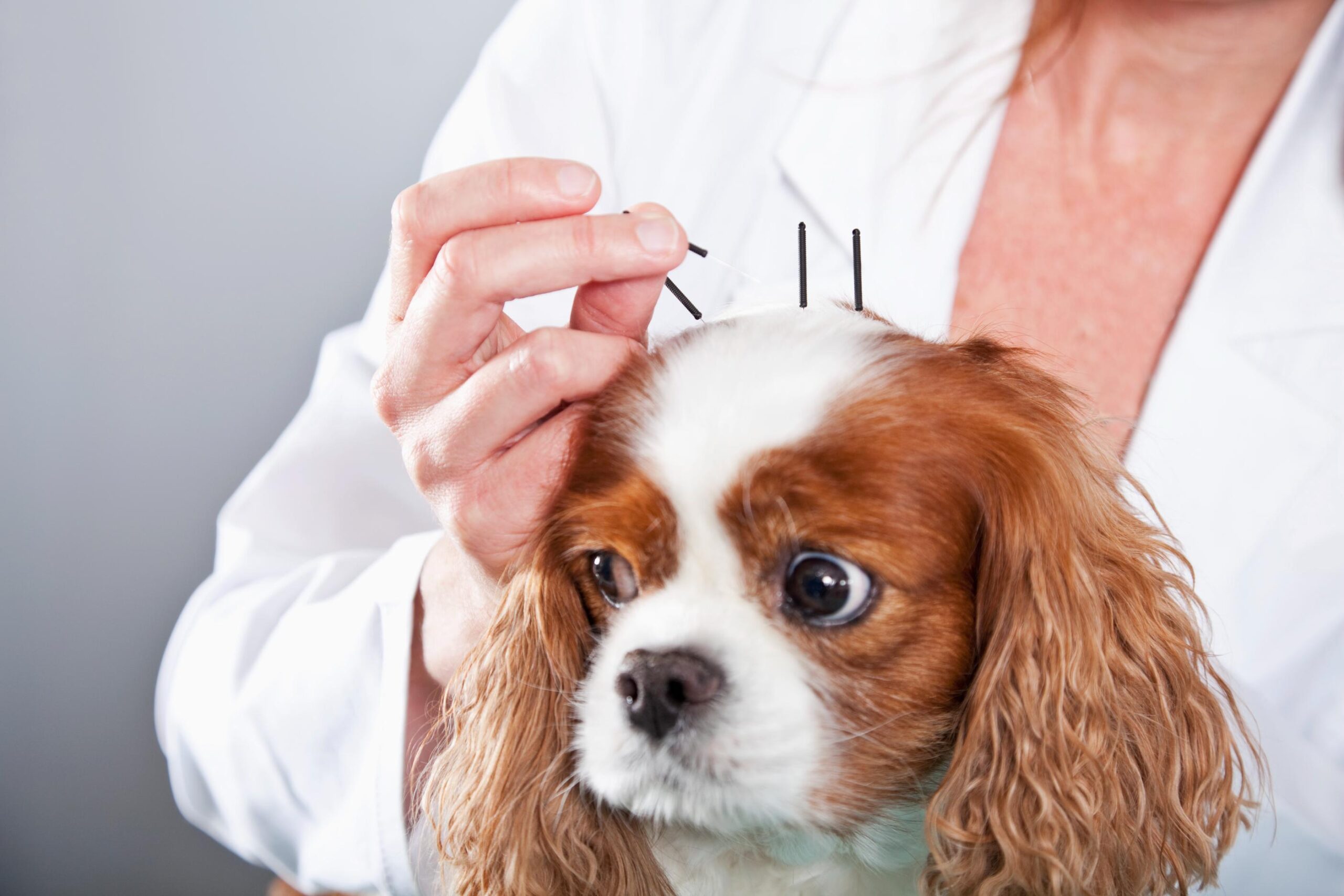
So, what’s the deal with sticking needles in pets? Sounds crazy, I know. But acupuncture for pets is based on the same principles as human acupuncture: it works with the body’s natural systems. The idea is that there’s an energy called ‘Qi’ (pronounced ‘chee’) that flows through pathways, or meridians, in the body. When that flow gets blocked or out of whack, problems happen – pain, illness, you name it.
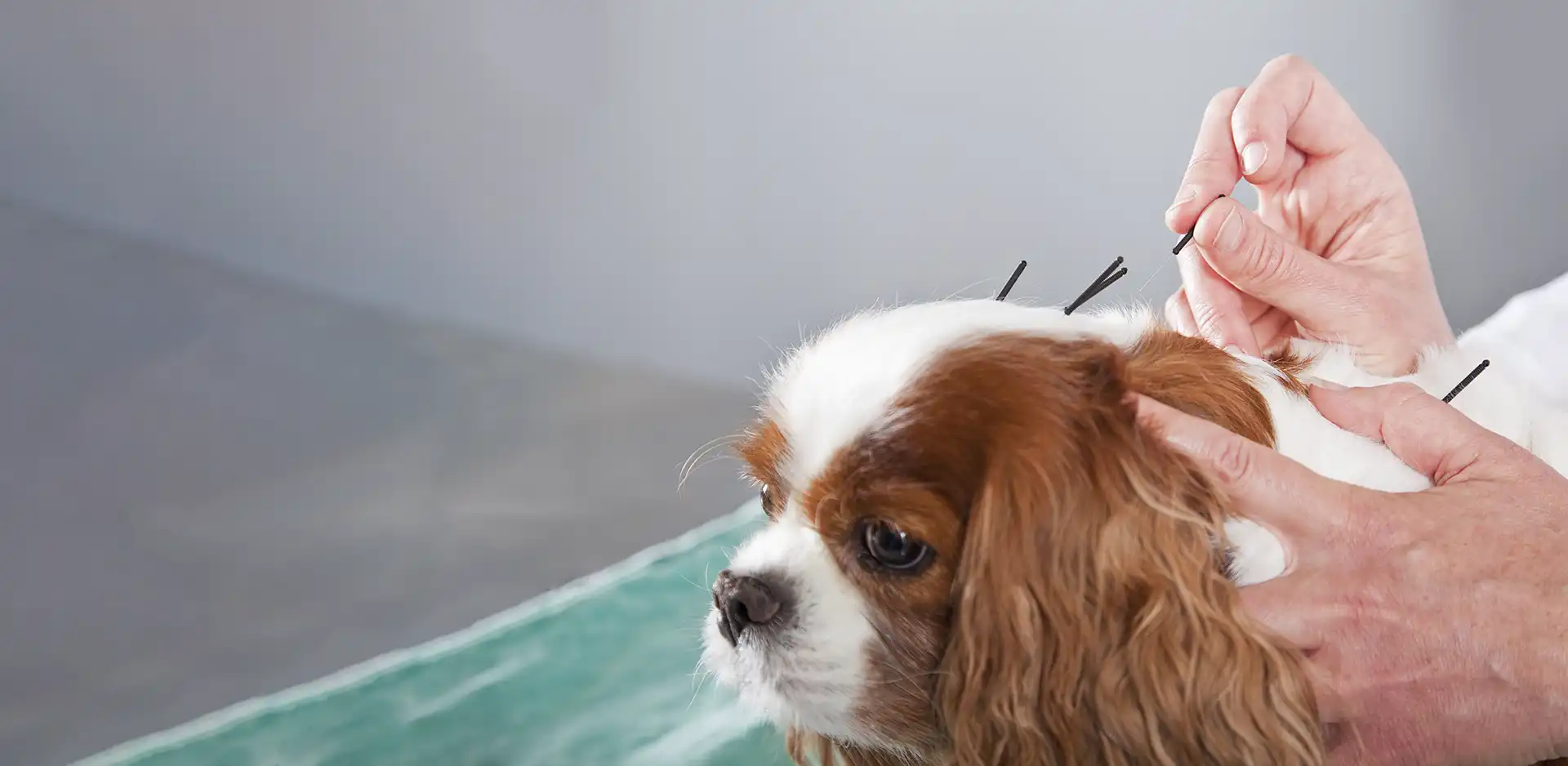
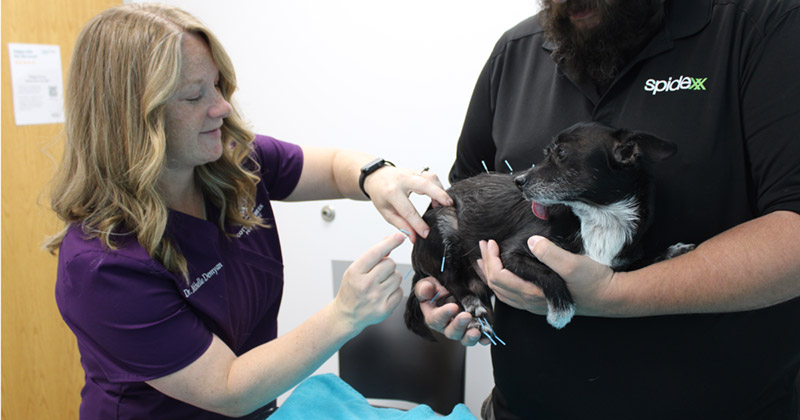
Acupuncturists use tiny, sterile needles inserted at specific points along these meridians. It’s not supposed to hurt; most pets just chill. Sometimes they get a little tingle or warmth, but that’s usually it. These points are thought to stimulate nerves, muscles, and coective tissues. This, in turn, can signal the body to release its own natural painkillers (endorphins, anyone?) and anti-inflammatory substances. Pretty neat, huh? It’s a way to get the body to heal itself, not just mask the problem.
The Science (Or Lack Thereof, Sometimes)
Source : bbc.com
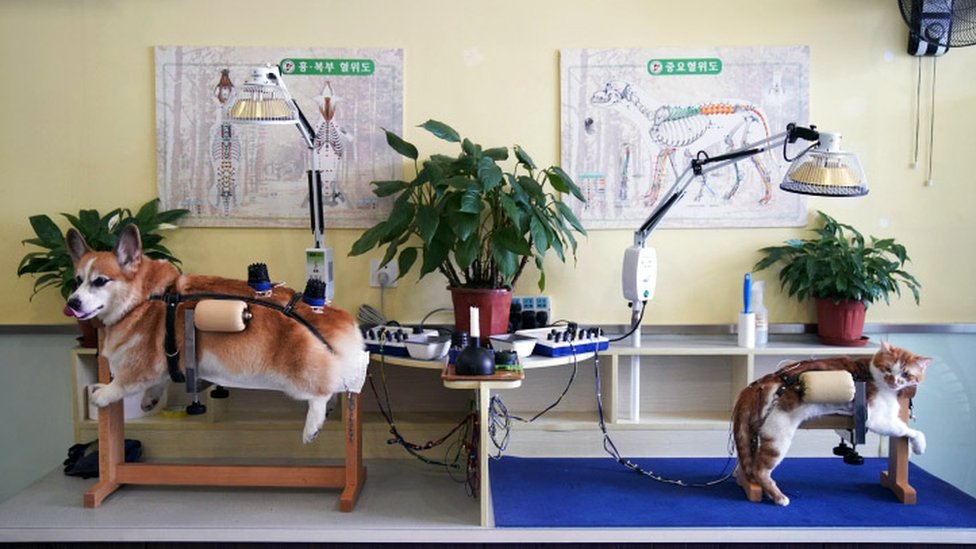
Now, before you go thinking this is all ancient Chinese secrets and wishful thinking, there’s actually research behind it. Studies have shown acupuncture can be super effective for pain management in pets. Think arthritis, back problems, nerve issues. It’s also used for things like nausea (especially after chemo), allergies, and even some behavioral issues like anxiety. The veterinary acupuncture team at places like Springfield Veterinary Center use it routinely.
But let’s be real. Not everything in the alternative therapy world has been put through the wringer of double-blind placebo studies. Some of it is still based on centuries of observation and clinical results. And that’s okay! We have plenty of things in human medicine we don’t fully understand the mechanism for, but they work. The key is that it’s being done by trained professionals who are looking out for your pet’s best interest. It’s not about replacing conventional vet care; it’s about adding more tools to the toolbox. It’s about offering options when the usual routes hit a dead end.
Beyond Needles: A Whole World of Other Therapies
Acupuncture is probably the most well-known, but it’s just the tip of the iceberg. You’ve got a whole menu of alternative pet therapies out there now. Vets are getting more creative and more open to these approaches because, frankly, owners are asking for them and they see the results.
Herbal Medicine & Supplements
This is huge. Vets trained in herbal medicine use specific plants and herbs to treat various conditions. Think of it like a more targeted, natural pharmacy. It’s not just giving your dog a random herb; it’s carefully selected, often in tinctures or capsules, to address things like inflammation, digestive upset, or even cancer support. And then there are supplements – glucosamine for joints, omega-3s for skin and coat, probiotics for gut health. These are pretty standard now, even in conventional vet clinics, but the expertise in choosing the right ones and the right dosages is where the alternative side really shines. It’s about using nature’s pharmacy.
Nutrition: The Foundation
You can’t just ignore what you feed your pet! Proper nutrition is the bedrock of good health, and alternative vets often dive deep here. They might recommend specific diets, novel proteins for allergies, or customized meal plans based on your pet’s unique needs and health issues. Forget the one-size-fits-all kibble; this is about food as medicine. It’s about tailoring their diet to combat specific problems, whether it’s kidney disease, diabetes, or just boosting their immune system. It sounds simple, but getting the pet’s diet right can make a massive difference.
Physical Rehab & Therapies
Source : baysideanimalhospitalonline.com
This is where you see some amazing transformations, especially in older pets or those recovering from surgery or injury. Think hydrotherapy (underwater treadmill), therapeutic exercises, massage, and laser therapy. Hydrotherapy is fantastic for building muscle strength with less stress on joints. It’s like a low-impact gym session for pets who can barely walk. Massage therapy can ease muscle tension, improve circulation, and just make your pet feel better. Laser therapy uses light to reduce pain and inflammation. It’s often used for arthritis, wounds, and post-surgical recovery. The integrative medicine approach at some clinics combines these with other therapies.
Chiropractic and Osteopathy
Just like people, pets can have spinal misalignments or joint restrictions. A veterinary chiropractor or osteopath gently manipulates the spine and joints to restore proper movement and function. This can be incredibly helpful for pets with back pain, lameness, or even certain neurological issues. It’s about getting the body’s structure back in alignment so everything else can function better. It’s particularly good for active dogs or those who’ve had a tumble.
Other Cool Stuff
Then you have things like cold laser therapy (mentioned above, but it’s worth repeating!), ozone therapy, stem cell therapy (though that’s getting pretty advanced and often considered advanced conventional), and even things like aromatherapy (used cautiously, of course). The goal is always to support the body’s natural healing abilities and improve the pet’s quality of life. It’s about finding what makes your specific pet feel best.
When Should You Consider These Therapies?
So, when do you actually pull the trigger on these alternative options? Honestly, a lot of times people come to us when traditional methods aren’t cutting it anymore. Your dog has been on pain meds for years, but they’re still stiff and miserable. Your cat is incredibly anxious and nothing the vet prescribed seems to help long-term. These are prime opportunities to explore alternative treatments for pets.
Don’t wait until your pet is in dire straits, though. Many of these therapies are excellent for preventive care or enhancing recovery. If your pet had surgery, adding physical rehab can speed things up dramatically. If your older dog is starting to slow down, maybe some acupuncture or joint supplements before they become immobile could make a huge difference. Think of it as proactive wellness, not just a last resort. It’s about giving them the best possible life, at every stage.
The Big Benefits
Source : marinavillagevet.com
The biggest win? Improved quality of life. For pets with chronic pain, these therapies can mean the difference between constant suffering and being able to enjoy their days again. Less pain, more wagging tails. Better mobility, more zoomies. Reduced anxiety, more cuddles. It’s a game-changer for their happiness. Plus, many of these treatments have fewer side effects than long-term conventional medications. Fewer upset stomachs, less organ strain. That’s a huge win for their long-term health.
Another huge plus is the holistic approach. Instead of just treating a sore joint, a vet might look at why the joint is sore. Is it diet? Is it an old injury not properly healed? Is it related to stress? This kind of comprehensive care often leads to better, more lasting results because you’re tackling the root cause, not just the symptom. It’s about fixing the whole system, not just one part.
Finding the Right Practitioner
This is CRUCIAL. You wouldn’t let just anyone perform surgery on your pet, right? The same goes for alternative therapies. Look for veterinarians who have specific training and certification in the modalities you’re interested in. Many vets pursue additional certifications in acupuncture, chiropractic, rehabilitation, or nutrition.
Check their credentials. Ask questions. See if they have experience with your pet’s specific condition. A good starting point is often your current veterinarian; they might be able to recommend someone or even offer some of these services themselves. Places like Angel Animal Hospital might list their specialties. Always do your homework. You want someone who is not only skilled but also truly cares about your pet. It’s about finding a partner in your pet’s health journey.
How Much Does Pet Acupuncture Cost?
Okay, let’s talk brass tacks. The cost of pet acupuncture can really vary. You’re looking at anywhere from $75 to $200 or even more per session. Why such a range? Location plays a big part – big city prices are higher. The vet’s experience and specialized training matter too. Some vets might bundle sessions, offering a slight discount if you book a package, which is always worth asking about. A typical treatment plan might involve several sessions initially, maybe once or twice a week, and then tapering off to maintenance visits once or twice a month. So, factor that into your budget. It’s an investment in your pet’s well-being, and for many, the results are totally worth the price tag.
Does Pet Insurance Cover Alternative Therapies?
This is a super common question, and the answer is… it depends. Some of the more progressive pet insurance plans are starting to offer coverage for alternative therapies like acupuncture, chiropractic, and physical rehabilitation. However, many still focus primarily on conventional veterinary care. You absolutely MUST read the fine print of your policy. Look specifically for terms like ‘alternative care,’ ‘complementary care,’ or ‘integrative medicine.’ Some policies might cover these only if they are recommended by your primary vet, or they might have limits on the number of visits or the total amount covered per year. It’s a bit of a gamble, so checking your specific policy details or calling the insurance company directly is your best bet. Don’t assume!
Source : skylineveterinaryclinic.com
What Are the Alternative Pet Therapies?
Phew, we’ve covered a lot! The main alternative therapies for pets include acupuncture (using needles to stimulate points), herbal medicine (using plants for treatment), nutritional therapy (customized diets and supplements), physical rehabilitation (like hydrotherapy, massage, and exercises), chiropractic/osteopathy (spinal and joint manipulation), and sometimes other modalities like laser therapy or ozone therapy. It’s all about supporting the pet’s natural healing abilities and improving their overall health and comfort, often focusing on a less invasive, more holistic approach compared to purely conventional methods. It’s a diverse field aimed at enhancing your pet’s life.
Are These Therapies Safe for All Pets?
Generally, yes, these therapies are considered very safe when administered by a qualified and trained professional. Acupuncture, for instance, has minimal side effects. Herbal medicines, however, need careful dosing because herbs can be potent and interact with other medications. Always be upfront with your vet about everything your pet is taking, whether it’s a prescription drug or a supplement you got at the pet store. Similarly, with physical rehab, the exercises need to be tailored to the pet’s specific condition and ability. The biggest ‘risk’ often comes from using an unqualified practitioner or trying to self-treat without proper guidance. Safety really hinges on the expertise of the person providing the care and open communication with your vet team.
What’s the Difference Between Alternative and Complementary?
That’s a great question and one that trips people up! ‘Alternative’ therapies are typically used instead of conventional veterinary medicine. Think of someone who decides only to use acupuncture for their pet’s arthritis, skipping pain meds altogether. ‘Complementary’ therapies, on the other hand, are used alongside conventional medicine to enhance its effects or support the pet’s overall well-being. So, using acupuncture in addition to pain medication for arthritis would be complementary care. Most vets advocate for a complementary approach, using these powerful tools to boost conventional treatments and improve outcomes, rather than completely replacing them. It’s about using the best of all worlds for your pet.
Frequently Asked Questions
-
How much does pet acupuncture cost?
The cost for pet acupuncture sessions typically ranges from $75 to $200+, depending on your location and the vet’s expertise. Some clinics offer package deals for multiple sessions, which can save you money. Initially, your pet might need weekly or bi-weekly treatments, tapering down to monthly maintenance sessions. It’s definitely an investment, but many owners find the improved quality of life for their pets makes it well worth the expense.
-
Does pet insurance cover alternative therapies?
It really depends on your specific pet insurance policy. Some plans are starting to cover alternative treatments like acupuncture, chiropractic care, and physical rehabilitation. However, many policies focus on conventional treatments. You’ll need to carefully review your policy’s details or contact the insurance provider directly to see what’s covered, if anything. Look for terms like ‘alternative’ or ‘complementary care’ coverage. Some might have visit limits or aual maximums, so always clarify.
-
What are the alternative pet therapies?
The world of alternative pet therapies is pretty broad! It includes acupuncture (using fine needles on specific body points), herbal medicine (using plants and herbs), nutritional therapy (customized diets and supplements), physical rehabilitation (like hydrotherapy, massage, and laser therapy), and chiropractic or osteopathic manipulation for spinal health. The goal is always to support the pet’s natural healing mechanisms and boost their overall well-being.
-
Are these therapies safe for all pets?
For the most part, yes, these therapies are considered safe when performed by a trained and licensed professional. Think of it like human medicine – safety largely depends on the practitioner’s skill and the pet’s individual health status. Herbs, for example, need careful dosing to avoid interactions or side effects. It’s always best to discuss your pet’s full health history and any other medications or supplements they’re on with the practitioner. Using an unqualified person or trying to DIY is where the real risks lie.
-
What's the difference between alternative and complementary therapies for pets?
Good question! Think of ‘alternative’ as treatments used instead of conventional veterinary care, while ‘complementary’ means using these therapies alongside traditional medicine. For instance, using acupuncture only for arthritis would be alternative, but using acupuncture with pain medication for arthritis is complementary. Most vets today lean towards a complementary approach, believing that combining the best of both worlds offers the most comprehensive care and best outcomes for your pet.