The Artemis Lunar Base: What’s New on the Moon?
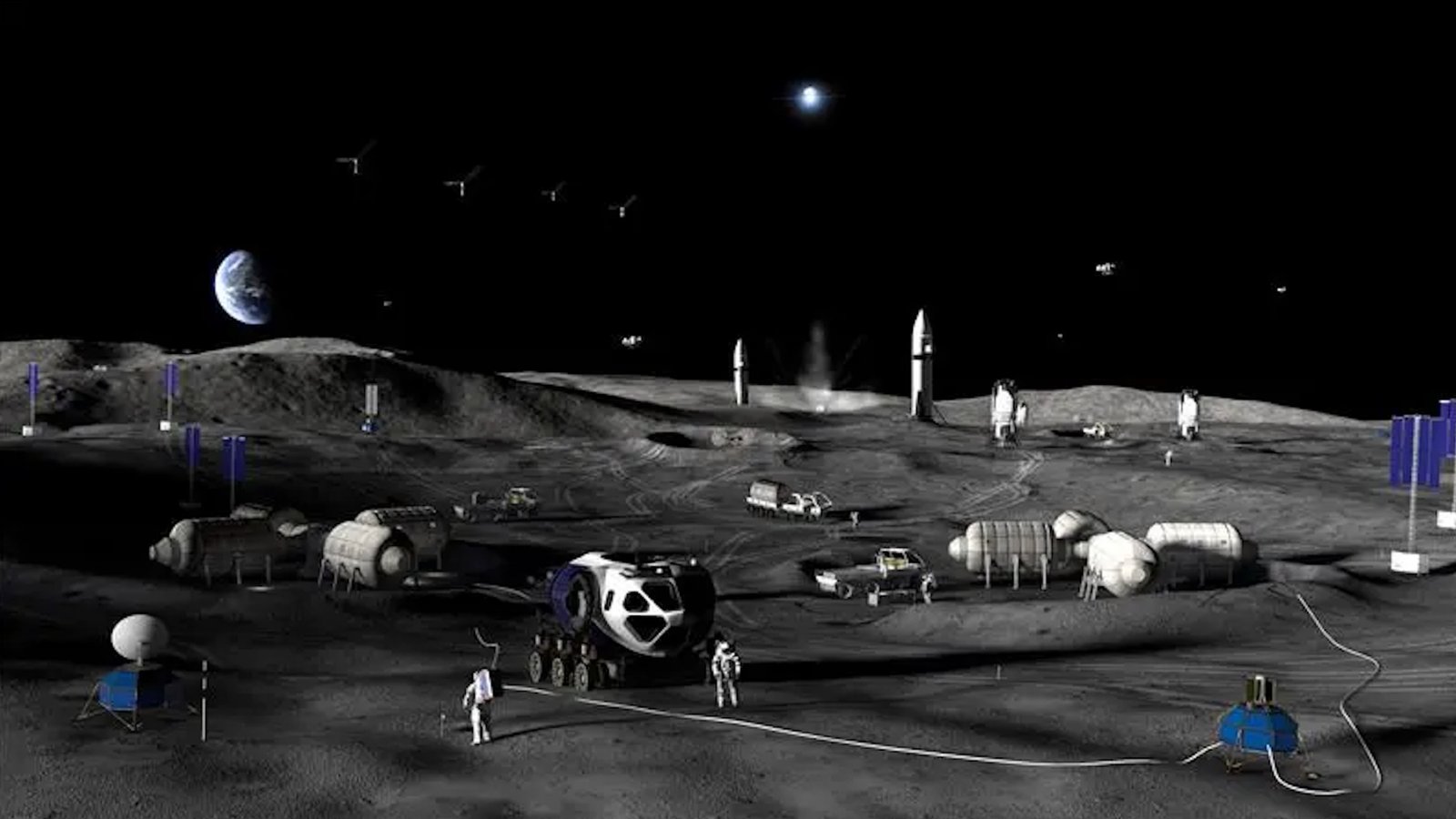
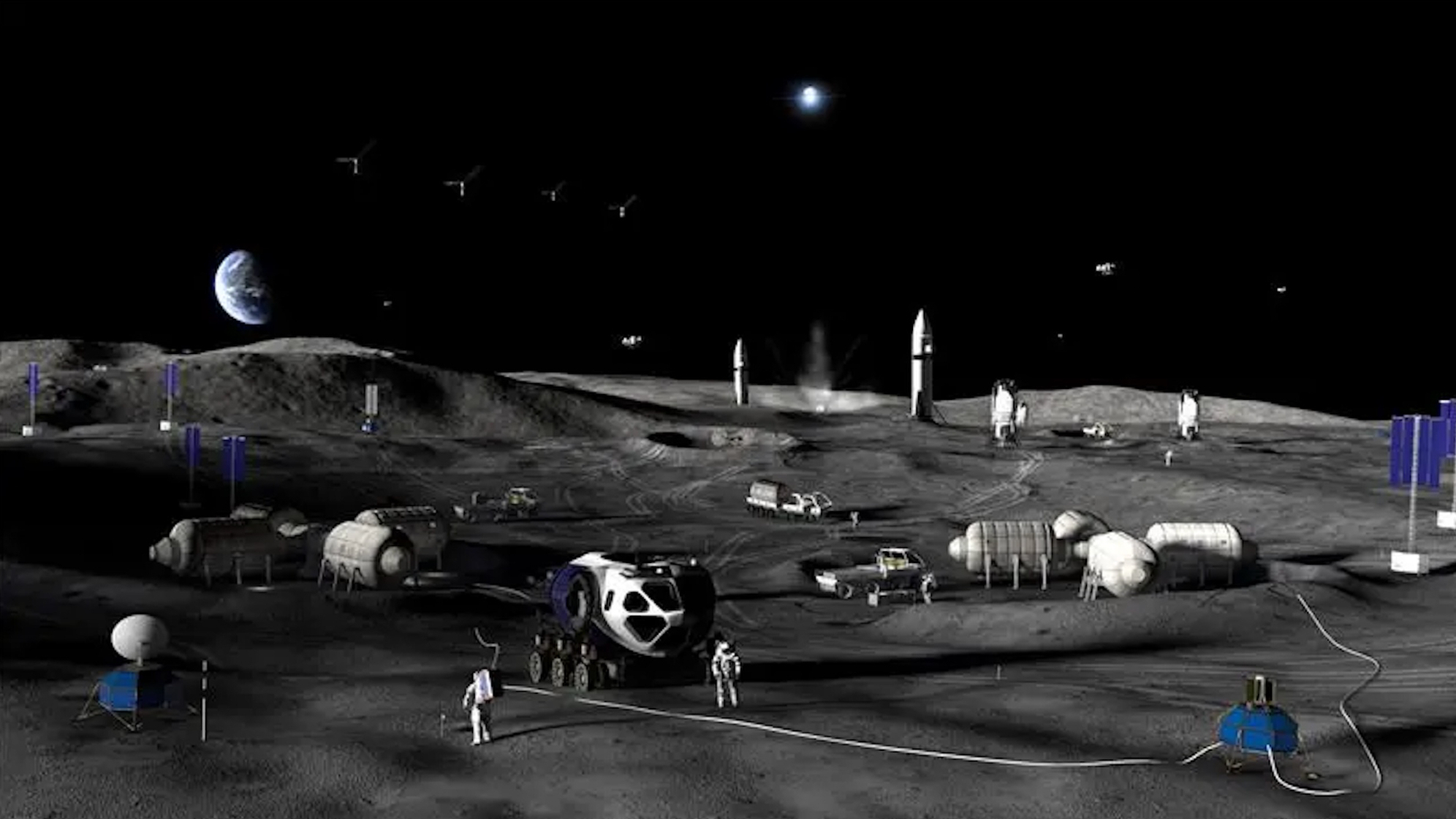
Alright, let’s talk about the moon. Not the poetic, silvery orb we gaze at, but the gritty, dusty, very real place NASA’s Artemis program is aiming for. Forget pie-in-the-sky dreams; we’re talking about setting up a permanent human outpost.
It’s not just about planting a flag this time. It’s about staying. Building.
Living, even. This whole Artemis Lunar Base thing is a seriously big deal, a true leap for humankind. But what’s the latest buzz from the lunar frontier?
Let’s dig in.
Source : space.com
Artemis II: The Giant Leap Closer
First things first, you can’t build a base without getting there, right? That’s where Artemis II comes in. This mission is the critical next step, sending astronauts on a trajectory around the Moon.
Think of it as the ultimate test drive for the hardware and the crew before they actually commit to landing and staying. The mission splashed down safely, proving that we can send humans farther than ever before. It was a massive success, a huge confidence booster for the entire program.
Remember that feeling when you finally nail a difficult task? It was like that, but for the entire planet. This flight tested the Orion spacecraft, the life support, the comms – basically, everything needed for a longer stay.
It wasn’t just a joyride; it was a crucial validation. The crew performed flawlessly, gathering vital data that will directly inform the design and operation of the future lunar base. It’s the groundwork, the essential first brick laid for something much bigger.
The Artemis II crew didn’t just loop around the Moon; they set a new record. We’re talking about the farthest humans have ever traveled from Earth. It’s a staggering distance, a testament to the power of human ingenuity and our insatiable drive to explore.
Imagine being that far from home, looking back at our blue marble hanging in the void. It’s mind-blowing. This record isn’t just a shiny badge; it proves the deep-space capabilities of the Orion capsule.
Can it handle the rigors of extended missions? Absolutely. Did it perform as expected?
You bet. This mission was all about pushing boundaries, testing the limits, and coming back with invaluable knowledge. It showed us that the lunar gateway is open, and we’re not just visiting anymore.
We’re preparing to stay.
Source : space.com
Building the Base: What Does It Look Like?
Okay, so Artemis II got us around the Moon. Now, let’s talk about boots on the ground. The actual Artemis Lunar Base isn’t going to spring up overnight.
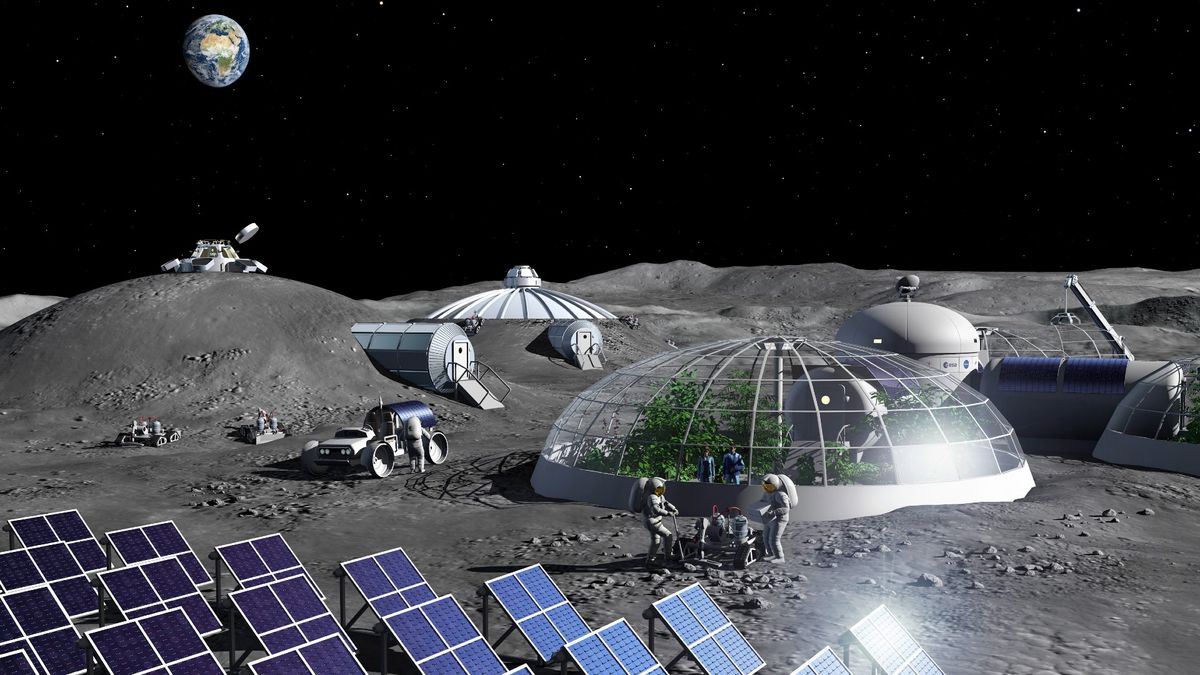
It’s a phased approach, a marathon, not a sprint. We’re talking about multiple missions, deploying habitats, power systems, and eventually, the infrastructure needed for a sustainable presence. Think modular habitats that can be expanded over time.
These aren’t flimsy tents, mind you. They need to withstand the harsh lunar environment – extreme temperatures, radiation, and micrometeoroids. The goal is to create a science and exploration hub, a place where astronauts can conduct research that’s impossible on Earth.
Imagine analyzing lunar geology directly, studying the effects of low gravity on human physiology long-term, or using the Moon as a platform for observing the universe.
The initial stages will likely involve robotic deployment of key infrastructure before humans arrive. This makes sense, right? Send the heavy lifting bots first.
They can prepare the landing sites, set up solar arrays for power, and even start assembling the basic habitat modules. This reduces risk for the astronauts and ensures that when they do arrive, they have a functional, albeit basic, place to live and work. It’s all about building incrementally, layer by layer.
We’re not talking about a single giant structure appearing out of nowhere. It’s more like LEGOs on a cosmic scale, clicking pieces together over time to create something truly remarkable. The idea is to create a sustainable, long-term presence, not just a short visit.
Powering the Moon: Keeping the Lights On
A base on the Moon needs power. Lots of it. And since there’s no convenient power grid stretching across the void, NASA’s looking at some pretty iovative solutions.
Solar power is the obvious frontruer, given the long periods of daylight on the Moon. But what happens during the lunar night, which lasts about two Earth weeks? That’s where energy storage comes into play.
Batteries, advanced fuel cells – they’re all on the table. Think about it: you need consistent power for life support, communications, scientific instruments, and any rovers or equipment you’re operating. It’s a constant challenge.
They’re also exploring potential for nuclear power sources, which could provide reliable energy regardless of sunlight. This is critical for long-duration missions and for operations that need a continuous, high-output power supply. No power means no base, so this is a huge focus.
The efficiency and reliability of these power systems are paramount. Imagine a critical life support system failing because the solar panels got dusty or the batteries ran out. That’s a nightmare scenario.
So, NASA is investing heavily in developing robust power generation and storage technologies. This includes advanced solar arrays that can be deployed easily and maintained, as well as next-generation batteries designed for the extreme lunar temperatures. They’re also looking at ways to transmit power wirelessly across the base.
It’s all about ensuring a stable, uninterrupted power flow, day and night, year after year. This reliable power is the lifeblood of the entire Artemis Lunar Base.
Resources: Living Off the Land?
Source : space.com
One of the biggest challenges for any long-term space mission is resupply. Shipping everything from Earth is incredibly expensive and logistically complex. That’s why the concept of In-Situ Resource Utilization (ISRU) is so crucial for the Artemis Lunar Base.
What does that mean? It means using resources found on the Moon itself. The most talked-about resource?
Water ice, particularly in the permanently shadowed craters near the lunar poles. Why is water so important? Well, it can be split into hydrogen and oxygen.
Hydrogen is a powerful rocket fuel, and oxygen is what we breathe. So, lunar water is essentially rocket fuel and breathable air rolled into one. This is a game-changer for deep space exploration.
Beyond water, there’s also the lunar regolith – the soil and dust. This material can be used for construction, acting as a shielding material to protect habitats from radiation and micrometeoroids. Imagine 3D printing structures using lunar soil!
It sounds like science fiction, but it’s a very real area of research. Utilizing these local resources dramatically reduces the amount of mass that needs to be launched from Earth, making the entire endeavor far more sustainable and affordable. It’s about creating a self-sufficient lunar outpost, less reliant on constant Earthly support.
This is the key to making a permanent presence truly viable.
Challenges Ahead: It’s Not Easy
Let’s be real: building a base on the Moon is ridiculously hard. We’re talking about an environment that’s incredibly hostile to human life. The lunar dust, for starters, is a major problem.
It’s fine, abrasive, and electrostatically charged, meaning it gets everywhere. It can damage equipment, clog seals, and pose a health risk to astronauts if inhaled. Then there are the extreme temperature swings, from scorching hot in direct sunlight to frigidly cold in the shadows.
Radiation is another big concern; without Earth’s protective atmosphere and magnetic field, astronauts are exposed to much higher levels of cosmic and solar radiation, increasing cancer risk. These aren’t minor inconveniences; they are fundamental survival challenges.
And we haven’t even touched on the psychological aspects. Long-duration stays in confined spaces, far from home, with limited social interaction – it’s a recipe for mental strain. NASA is putting a lot of thought into crew selection, training, and habitat design to mitigate these effects.
Then there’s the sheer cost and complexity of the missions. Each launch, each piece of equipment, requires immense resources and meticulous plaing. It’s a monumental undertaking, requiring international collaboration and sustained political will.
It’s easy to get excited about the destination, but the journey is fraught with technical, physiological, and financial hurdles that need to be overcome. It’s a constant battle against the harsh realities of space.
The Future: What’s Next for Artemis?
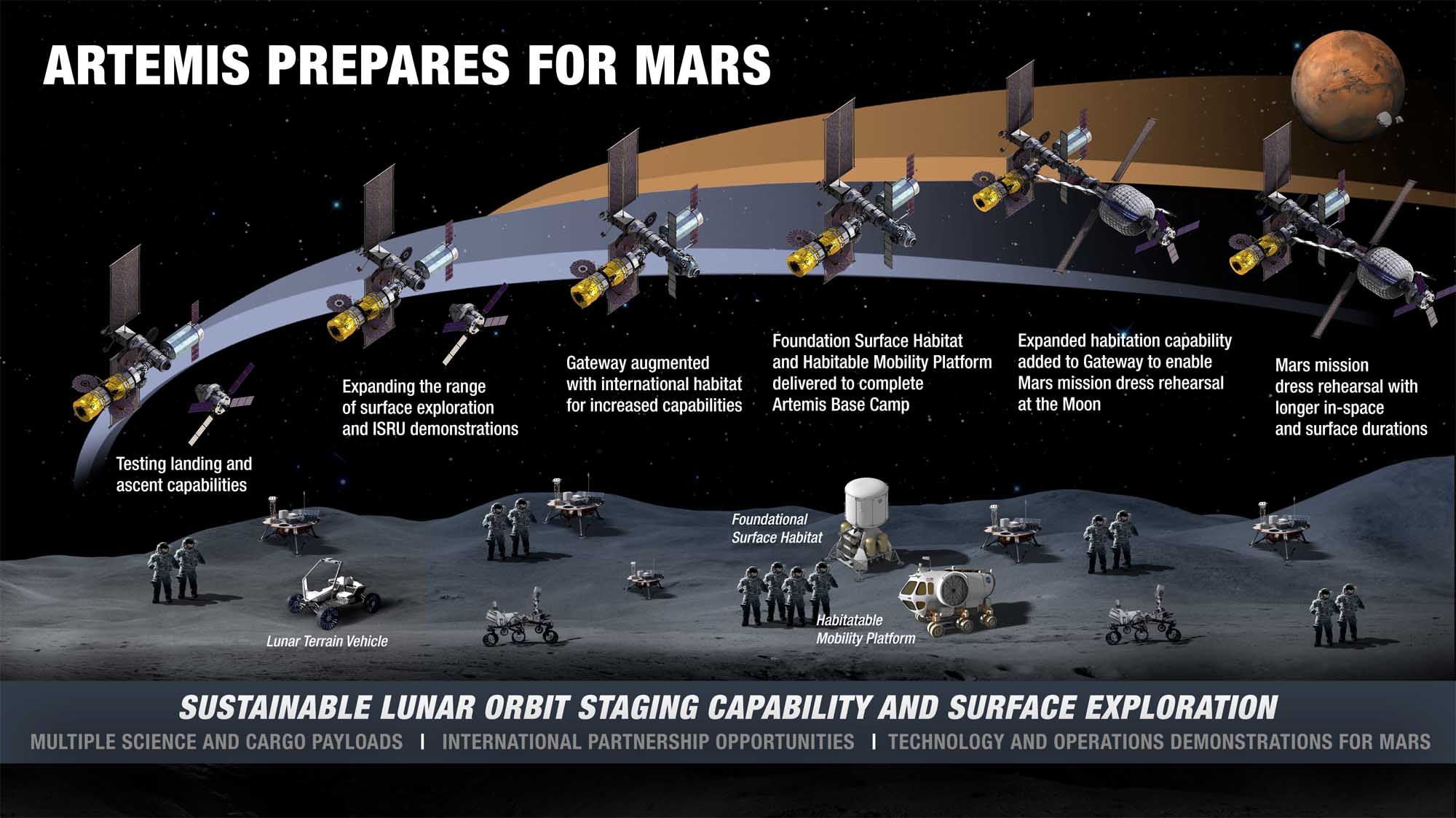
So, what’s the timeline? While Artemis II has already flown, subsequent missions like Artemis III (which aims for the first human landing since Apollo) and the deployment of the lunar Gateway (a space station orbiting the Moon) are crucial stepping stones. The Gateway will serve as a staging point for lunar surface missions, a place to dock, refuel, and transfer crews and cargo.
It’s like a cosmic rest stop on the way to the Moon. The eventual build-out of the Artemis Lunar Base will happen in phases, with each mission adding more capability and complexity. We’re talking about a gradual expansion, moving from temporary shelters to more permanent, intercoected habitats.

Source : ien.com
The ultimate vision is a sustainable human presence on the Moon, a place for scientific discovery, resource utilization, and perhaps even a proving ground for future missions to Mars. It’s about establishing humanity as a multi-planetary species. The pace of development is intense, with ongoing testing and refinement of all the technologies involved.
While specific dates can shift (space exploration is notorious for delays – just look at the Artemis 2 delays!), the overall momentum is undeniable. We are closer than ever to having humans living and working on another celestial body. It’s not a question of if, but when and how.
What About a Lunar Base on the Moon?
You might be asking, ‘Wait, is Artemis actually going to land on the Moon?’ Yes! Artemis III is plaed to be the first human landing mission since Apollo 17 in 1972. This mission is specifically designed to land astronauts near the lunar South Pole, a region thought to hold significant water ice deposits.
So, while Artemis II was a fly-by, Artemis III is the big one – the touchdown. It’s the mission that truly kicks off the era of lunar surface exploration and paves the way for the base itself.
Will Artemis Establish a Lunar Base?
Absolutely. That’s the whole point! The Artemis program isn’t just about short visits.
It’s about building a sustainable human presence on the Moon. The lunar base, often referred to as the Artemis Base Camp, is a key long-term objective. It will start with initial habitat modules and expand over time, creating a permanent outpost for science, exploration, and potentially even resource utilization.
It’s a phased approach, building capability mission by mission.
What is the Current Status of the Artemis Program?
The Artemis program is in full swing. Artemis II, the crewed lunar flyby mission, successfully launched and returned, marking a major milestone and setting new distance records for human spaceflight. Following the success of Artemis II, NASA is gearing up for subsequent missions.
Artemis III, plaed as the first human lunar landing, is under development, along with the Lunar Gateway, a vital staging post in lunar orbit. Many systems are being tested and refined, with robotic precursor missions also contributing to base site preparation. It’s a complex, multi-year endeavor with constant progress being made across various components.

Source : sites.wustl.edu
Why Has Artemis 2 Been Delayed?
Space missions are incredibly complex, and Artemis II did experience some delays. These weren’t due to a lack of capability, but rather adjustments to ensure maximum safety and mission success. These delays often stem from extensive testing requirements for the sophisticated hardware, like the Orion spacecraft’s life support systems, and ensuring all the components are perfectly integrated.
Refining the mission’s timeline allows engineers and scientists to address any unforeseen technical challenges and conduct thorough checks. It’s all about ensuring the crew’s safety and the mission’s success. Think of it as taking the time to double-check everything before a big, important event.
It’s better to be safe than sorry when you’re going that far from home.
What are the Biggest Challenges in Lunar Dust Mitigation?
Lunar dust is a nightmare, seriously. It’s not like the dust buies under your couch. This stuff is fine, abrasive like sandpaper, and it clings to everything thanks to static electricity.
It can mess up spacesuit seals, clog up mechanical parts on rovers and habitats, and even pose a health hazard if astronauts breathe it in during suited operations. So, developing effective ways to prevent dust intrusion and clean equipment is a huge engineering hurdle. Think about advanced seals, specialized cleaning tools, and even electrostatic shields.
It’s a constant battle to keep that fine, clingy powder out of critical systems and away from the crew. Getting this right is key to any long-term lunar stay.
Frequently Asked Questions
-
Is Artemis 2 actually going to land on the Moon?
No, Artemis II was a flyby mission. Its main goal was to send astronauts around the Moon and back, testing the Orion spacecraft and its systems. The mission that’s plaed to actually land humans on the Moon for the first time since Apollo is Artemis III.
-
Will Artemis establish a lunar base?
Yes, that’s the big picture! The Artemis program aims to establish a long-term human presence on the Moon, which includes building a lunar base. It’s not just about visiting anymore; it’s about setting up a sustainable outpost for science and exploration. Think of it as the next logical step after the landings.
-
What is the current status of the Artemis program?
The Artemis program is actively progressing. Artemis II, the crewed lunar flyby, has successfully completed its mission. NASA is now focused on developing Artemis III, the landing mission, and the Lunar Gateway, an orbiting outpost. Significant technological development and testing are underway for all the critical components.
-
Why has Artemis 2 been delayed?
Missions like Artemis II face delays because space exploration is incredibly complex. These delays typically come from the need for extensive testing of crucial systems, like the Orion spacecraft’s life support, and ensuring all the hardware is perfectly integrated. It’s all about ensuring astronaut safety and mission success. Better to be thorough!
-
What are the biggest challenges in lunar dust mitigation?
Lunar dust is a nightmare because it’s super fine, incredibly abrasive, and sticks to everything due to static. This ‘moon grime‘ can damage spacesuits, clog mechanisms on rovers and habitats, and is a health hazard if inhaled. Preventing it from getting into critical systems and keeping it off astronauts is a massive engineering hurdle for any long-term lunar stay.