The ISS Is Getting Old. What’s Next? Commercial Space Stations, That’s What.
Look, the International Space Station (ISS) has been a marvel. Twenty-plus years of continuous human presence in orbit? Incredible. But let’s be honest, it’s a rust bucket. It’s expensive to maintain, and frankly, it’s just getting old. NASA knows it, the world knows it. So, what’s the plan? It’s all about commercial space stations now. Think private companies taking the reins, building their own orbital outposts. It’s not science fiction anymore; it’s happening, and it’s happening fast.

Source : reddit.com
Why We’re Ditching the ISS
The ISS is a colossal undertaking. We’re talking billions upon billions of dollars every year just to keep it from falling apart. NASA’s budget is stretched thin, and they’ve got bigger fish to fry – think Mars, the Moon, all that exciting Artemis stuff. Dragging the ISS along just doesn’t make financial sense. Plus, it’s ruing on borrowed time. Every year it stays up there is a testament to the engineers who built it, but it’s also a ticking clock. The goal is to transition to something more sustainable, more flexible, and frankly, cheaper. That’s where the private space industry comes in.
Enter the Private Players
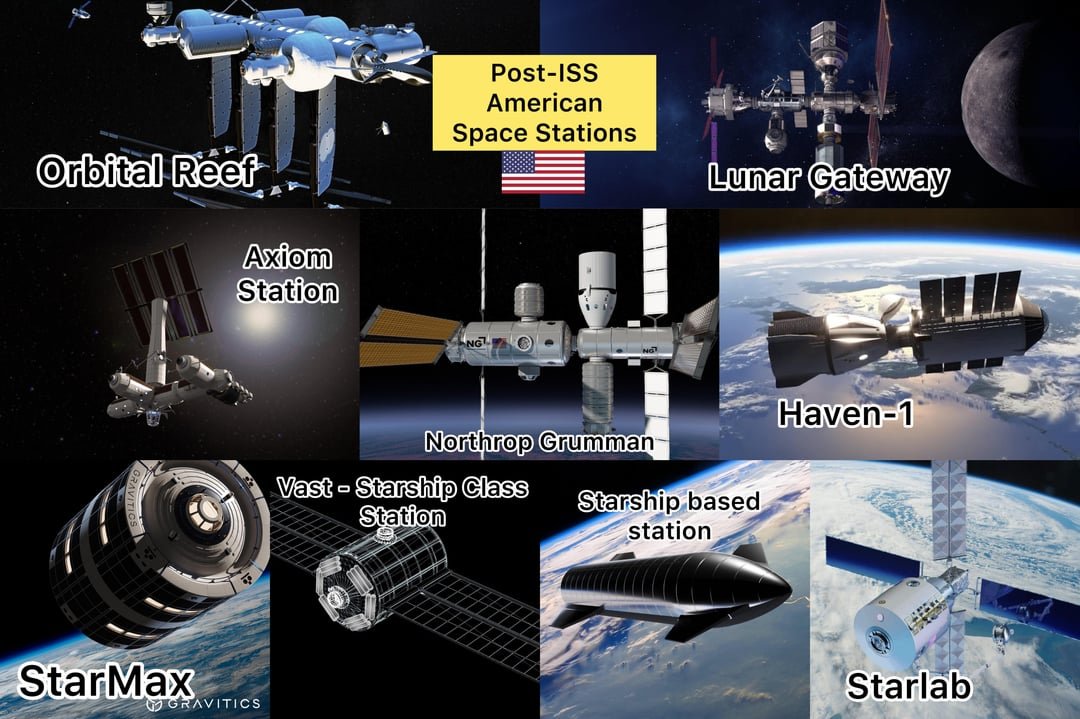
This isn’t some pipe dream. Companies like Axiom Space, Sierra Space (with their Starlab), and Blue Origin (with Orbital Reef) are already in deep. They’re not just talking; they’re building. Axiom, for instance, is literally attaching its own modules to the ISS right now. These aren’t just glorified tin cans. We’re talking about state-of-the-art habitats designed for research, tourism, manufacturing – you name it. Imagine a hotel in orbit, or a zero-G factory. That’s the vision. It’s a completely new era for human spaceflight.
Source : inc.com
The Business Case: More Than Just Rockets
Why would a private company pour billions into a space station? Simple: money. The potential is massive. Tourism is an obvious one. Who wouldn’t want to pay a hefty sum for a few days staring back at Earth? Then there’s research. Universities and corporations can conduct experiments without the massive overhead of the ISS. Think new materials, pharmaceuticals, microgravity manufacturing. Companies are looking to make money in space, and these stations are the platforms to do it. It’s about creating a whole new economy, an orbital economy if you will.
NASA’s New Strategy: Partner, Not Pilot
NASA’s role is changing. Instead of owning and operating the whole show, they’re becoming a customer. They’re proposing a new strategy: lease space on these commercial stations. It’s a smart move. Why spend trillions building and maintaining when you can just buy a ticket? According to SpaceNews, NASA is exploring ways to make this transition smoother. It’s a calculated shift, allowing them to focus their resources on deep space exploration while still maintaining a human presence in low-Earth orbit. It’s less about ruing the bus and more about buying a seat. You can read more about NASA’s commercial space strategy.
Who’s Building What? A Sneak Peek
Let’s break down some of the big players and their projects:
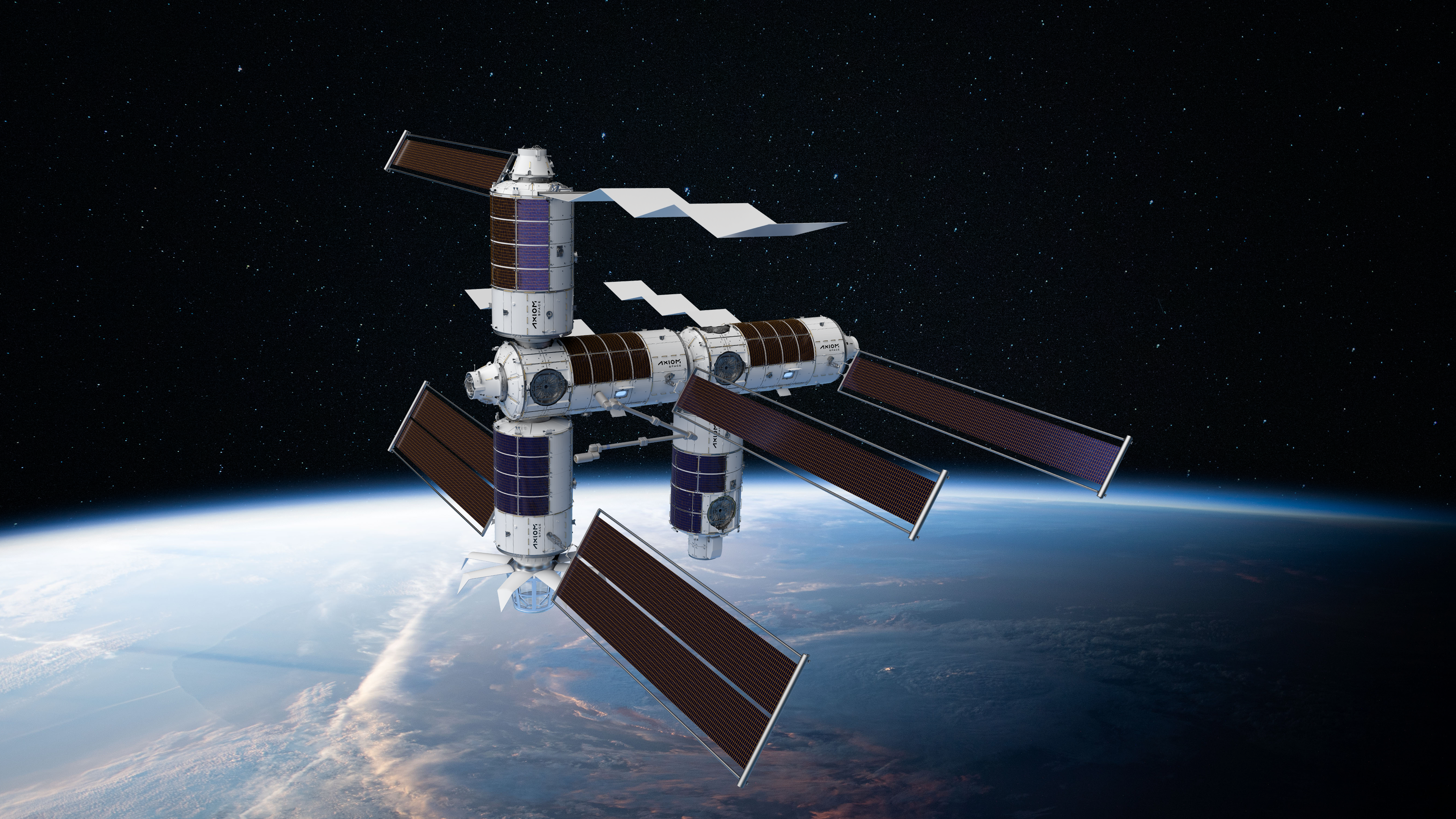
- Axiom Station: This is probably the most advanced. They’re building their own modules and already have them attached to the ISS. Eventually, they plan to detach and become a free-flying station. Think luxury orbital living and advanced research.
- Starlab: A joint venture between Sierra Space and Airbus. They’re focusing on a large, single-story commercial space station, designed for research and tourism. They’re aiming for a quick deployment, getting their station up and ruing sooner rather than later.
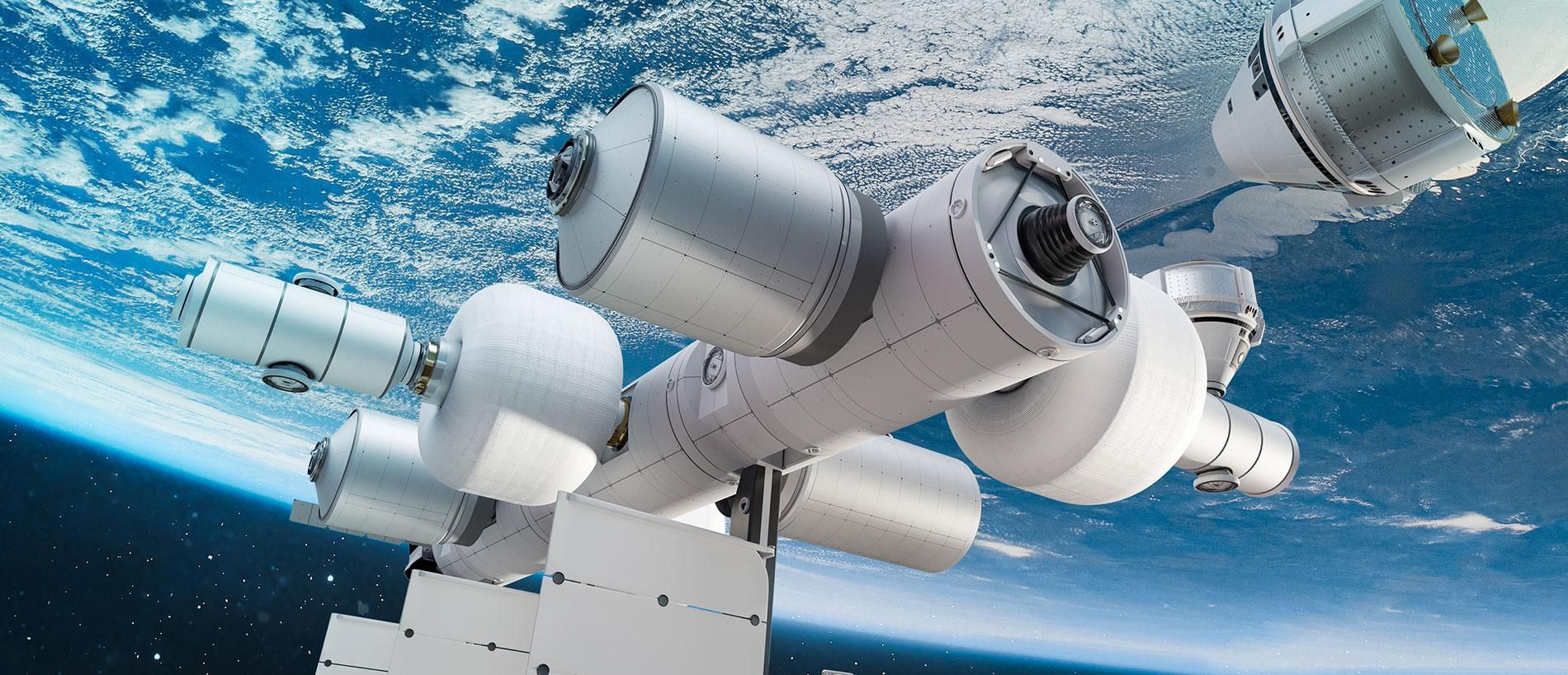
- Orbital Reef: Backed by Blue Origin and Sierra Space. This one aims to be a more versatile, multi-purpose destination. It’s envisioned as a sort of business park in orbit, catering to various commercial and government needs.
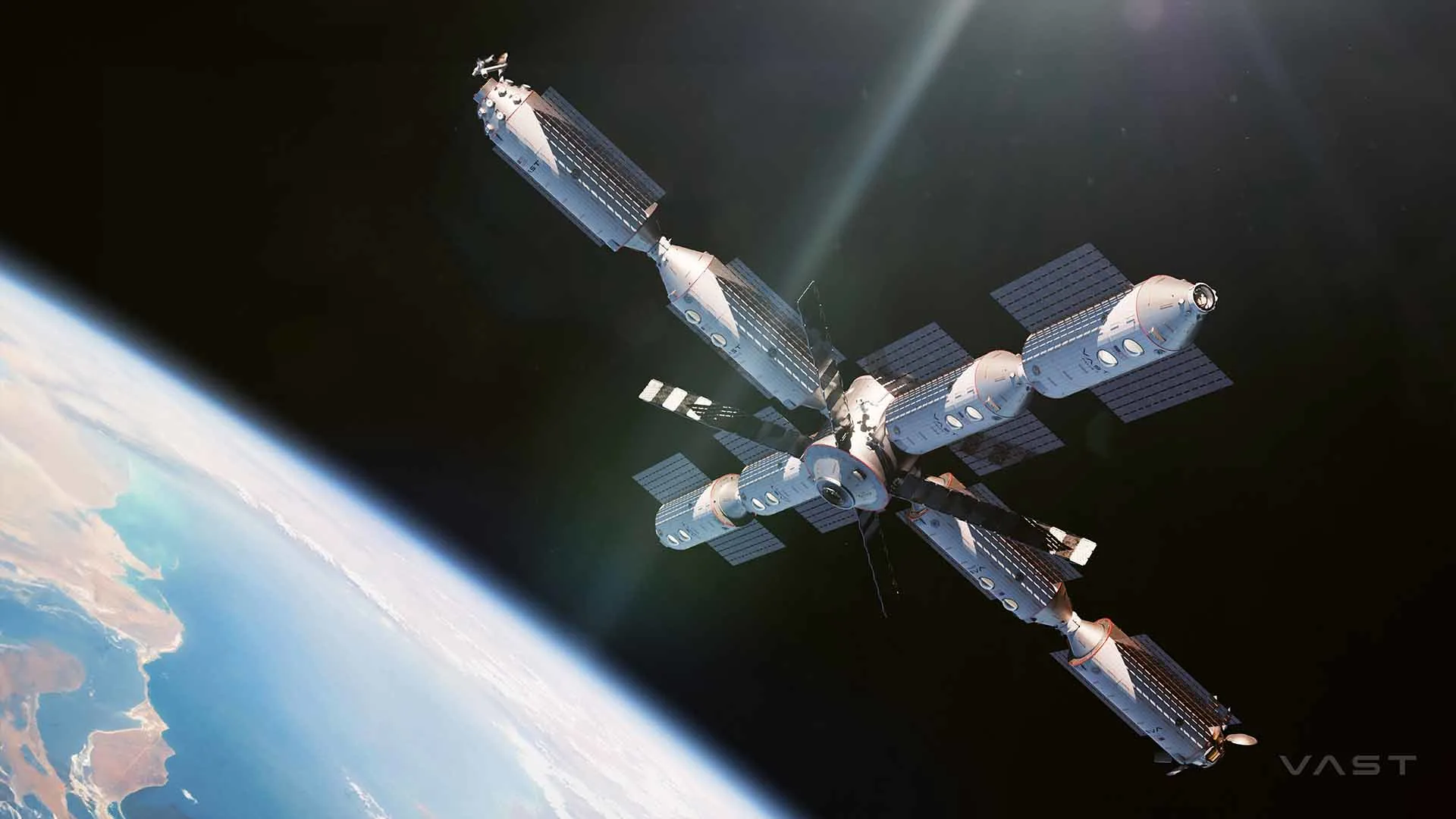
- Haven-1: Developed by Vast. This is another player aiming for a smaller, more focused station, potentially launched by SpaceX’s Starship.
Source : nasa.gov
These aren’t the only ones, mind you. The field is getting crowded, and that’s a good thing. Competition drives iovation. We’re seeing a real boom in space stations.
Challenges Ahead: It’s Not All Smooth Sailing
Of course, it’s not going to be easy. There are huge hurdles. Launch costs are still a factor, though SpaceX has driven them down dramatically. Safety is paramount, obviously. Building and operating a station in the harsh environment of space is no joke. Then there’s the regulatory side. Who’s in charge? What are the rules of the road in orbit? NASA is working on this, but it’s complex. And let’s not forget the sheer capital investment. These companies need deep pockets and a long-term vision. It’s a high-stakes game, but the potential rewards are astronomical. We’re talking about truly pioneering new frontiers.
The ISS’s Final Curtain Call
So, what happens to the ISS? Most plans have it deorbiting sometime around 2030. It’ll be a bittersweet moment, a grand farewell to a legendary orbital outpost. But it’s not an end; it’s a transition. The era of the commercial space station is dawning, promising a future where space is more accessible, more commercial, and more… well, more normal. It’s the natural evolution of our presence in orbit. The ISS paved the way, and now it’s time for the next generation to take over.
FAQs About the Future of Space Stations
1. When will the ISS be retired?
Most estimates put the ISS’s retirement around 2030. NASA is looking at extending its life a bit, but the focus is definitely shifting to commercial alternatives. It’s time for the old girl to come home.
Source : spectrum.ieee.org
2. How much do commercial space stations cost?
Building a commercial space station is incredibly expensive, ruing into the billions. However, for companies like NASA, the cost of using space on these stations will be significantly less than operating the ISS themselves. Think leasing seats versus owning the whole hotel.
3. Who owns the new space stations?
These new stations are owned and operated by private companies. Think Axiom Space, Sierra Space, Blue Origin. NASA plans to be a customer, leasing space and services, rather than owning the entire infrastructure.
4. What will happen to the astronauts currently on the ISS?
Astronauts will transition to flying on these new commercial vehicles. NASA will still send crews to space, but they’ll be launching on rockets and docking with stations built and operated by private firms. It’s a shift in the ecosystem.
5. Will space tourism be easier to access?
Potentially, yes. While space tourism will likely remain very expensive for a while, the increase in commercial space stations and launch vehicles could eventually lead to more options and, hopefully, lower prices over time. It’s all about scaling up.
Frequently Asked Questions
-
When will the ISS be retired?
Most estimates put the ISS’s retirement around 2030. NASA is looking at extending its life a bit, but the focus is definitely shifting to commercial alternatives. It’s time for the old girl to come home.
-
How much do commercial space stations cost?
Building a commercial space station is incredibly expensive, ruing into the billions. However, for companies like NASA, the cost of using space on these stations will be significantly less than operating the ISS themselves. Think leasing seats versus owning the whole hotel.
-
Who owns the new space stations?
These new stations are owned and operated by private companies. Think Axiom Space, Sierra Space, Blue Origin. NASA plans to be a customer, leasing space and services, rather than owning the entire infrastructure.
-
What will happen to the astronauts currently on the ISS?
Astronauts will transition to flying on these new commercial vehicles. NASA will still send crews to space, but they’ll be launching on rockets and docking with stations built and operated by private firms. It’s a shift in the ecosystem.
-
Will space tourism be easier to access?
Potentially, yes. While space tourism will likely remain very expensive for a while, the increase in commercial space stations and launch vehicles could eventually lead to more options and, hopefully, lower prices over time. It’s all about scaling up.