Nootropic Energy Drinks: Do They Actually Work?
Let’s cut to the chase. You’re tired, maybe dragging yourself through another Tuesday. You see those sleek cans promising laser focus and boundless energy. Nootropic energy drinks. Sound like a miracle cure? Maybe. Maybe not. We’re going to dig into whether these fancy drinks are just hype or if they actually deliver on that promise of a sharper, more energetic you.
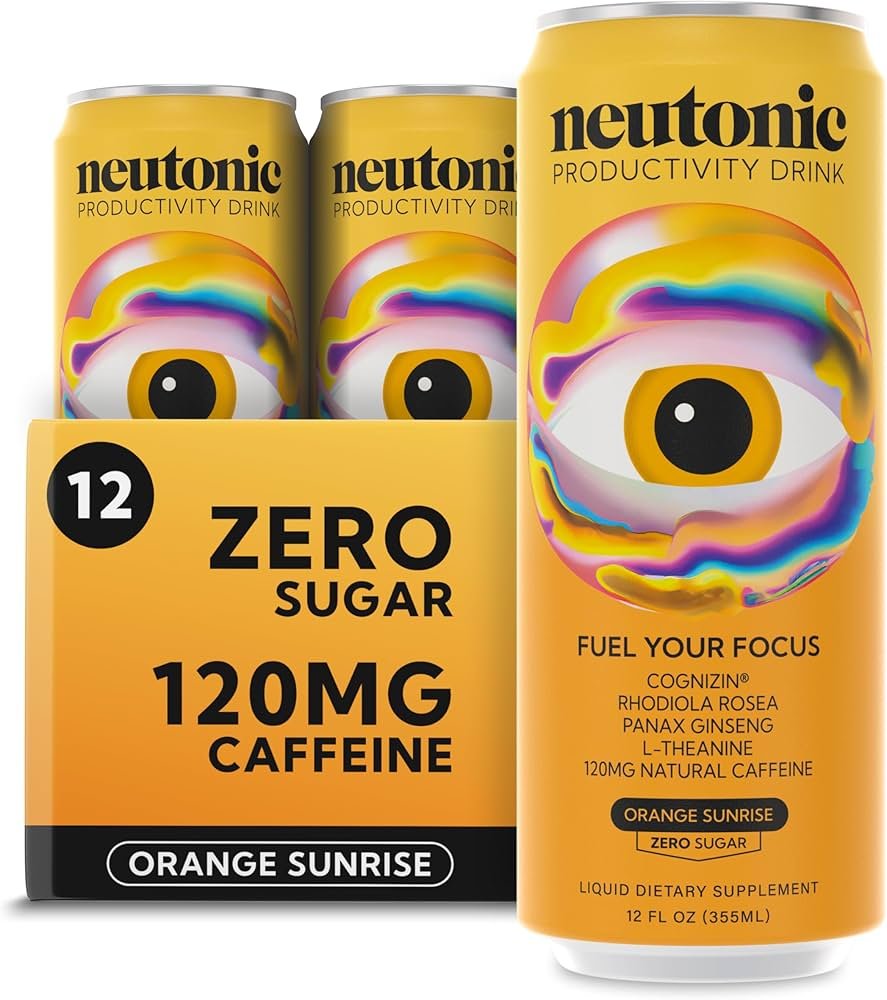
Forget the jargon for a second. What’s even in these things? It’s usually a cocktail of caffeine – that old reliable – mixed with a bunch of other ingredients people claim boost brainpower. Things like L-theanine, often found in green tea, or maybe some adaptogens like Ashwagandha. Some even throw in stuff like creatine. Sounds… complex, right? But does complexity equal effectiveness? That’s the million-dollar question we’re tackling.

Source : amazon.com
Look, we’ve all been there. That afternoon slump hits hard. You need something to kickstart your brain, to cut through the fog. Traditional energy drinks? They’re mostly sugar and a boatload of caffeine. They give you a jolt, sure, but it often comes with a crash and jitters. Enter the nootropic energy drink, the supposed grown-up version. The pitch is simple: better energy, better focus, no nasty side effects. But does it hold up?
The Promise: Supercharged Brains in a Can
The marketing behind these drinks is pretty slick. They paint a picture of peak performance. Imagine crushing your to-do list before lunch, acing that presentation without breaking a sweat, or just feeling, well, smarter. They talk about enhanced memory, improved learning, and sustained focus. It’s the stuff of productivity dreams, all packaged up in a cool, convenient beverage. They promise to help you achieve more.
And who wouldn’t want that? We live in a world that demands constant output. We’re bombarded with information, juggling work, life, and maybe even trying to squeeze in a workout. The idea of a drink that can help you not just keep up, but actually get ahead? It’s incredibly appealing. It taps into that desire to be the best version of yourself, all without resorting to sketchy methods.
What Exactly Are These ‘Nootropics’?
Alright, let’s break down the key players you’ll often find in these drinks. It’s not just random stuff. There’s some science (and a lot of marketing) behind these ingredients.
1. Caffeine: The Usual Suspect
Yeah, I know. Shocking. Caffeine is probably the most well-known cognitive enhancer out there. It blocks adenosine, a neurotransmitter that makes you feel tired. That’s why you feel more alert after your morning coffee or, you guessed it, an energy drink. It’s a stimulant, plain and simple. It helps you feel more awake and can sharpen your focus for a bit. But too much? You know the drill: jitters, anxiety, and that dreaded crash later on.
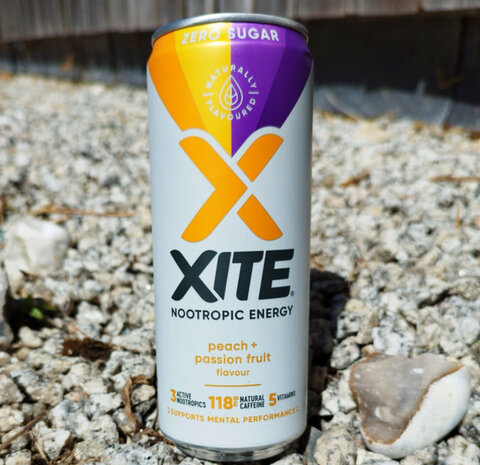
Source : just-drinks.nridigital.com
2. L-theanine: The Chill Companion
This one’s interesting. L-theanine is an amino acid found in tea leaves. It’s known for promoting relaxation without making you drowsy. When paired with caffeine, it’s supposed to smooth out the rough edges, reducing the jitters and anxiety that caffeine can sometimes bring. Think of it as the calm to caffeine’s storm. Many studies suggest this combination can lead to improved focus and a more stable sense of alertness. It’s a key ingredient in many nootropic formulations.
3. Adaptogens (Like Ashwagandha): The Stress Busters
Adaptogens are a class of herbs and mushrooms that are said to help your body adapt to stress. Ashwagandha is a big one in this category. The idea is that by helping manage stress levels, they indirectly improve cognitive function. Less stress means a clearer head, right? Some research points to benefits for memory and reducing mental fatigue. It’s not a direct stimulant like caffeine, but more of a long-term wellness play. People swear by its calming effects.
4. Creatine: The Muscle Builder’s Secret
You probably know creatine as that stuff bodybuilders take. But it’s also found in meat and fish. Your brain actually uses creatine too, as an energy source. Some studies suggest that supplementing with creatine might help with short-term memory and reasoning, especially in people who don’t get enough from their diet. It’s an interesting addition to a brain-boosting drink, though its primary association is still with physical performance.
5. Other Common Additives
You might also see ingredients like B vitamins (crucial for energy metabolism), Alpha-GPC (said to boost acetylcholine, a neurotransmitter involved in memory), or Huperzine A (which inhibits an enzyme that breaks down acetylcholine). The list goes on, and it can get pretty long. Each ingredient has its own proposed mechanism for supporting brain health or energy levels. It’s a veritable cocktail of compounds.
Do They Actually Work? The Science vs. The Hype
Here’s where things get murky. The term ‘nootropic’ itself is a bit of a buzzword. Coined in the 1970s, it originally referred to substances that could enhance learning and memory. Now? It’s thrown around to describe anything that claims to give your brain a boost. And frankly, the scientific evidence is a mixed bag.
Caffeine and L-theanine? Yeah, there’s solid research backing their effects on alertness and focus, especially when combined. They’re probably doing some real work in those drinks. Adaptogens like Ashwagandha show promise in studies, particularly for stress reduction, but more human trials are needed to confirm significant cognitive benefits. Creatine? It has a good track record for physical performance, and the brain benefits are still being explored. Many of the other ingredients? The research is often limited, based on small studies, or conducted in lab settings, not on real people chugging a can on a Wednesday morning.
The big issue is that many of these drinks contain very small doses of these ‘nootropic’ ingredients. They might meet the minimum threshold to put them on the label, but is it enough to actually make a difference? It’s like putting one drop of paint in a gallon of water and calling it ‘colored water’. You’re not getting the full effect. Plus, the quality and purity of ingredients can vary wildly between brands. You might be getting fillers or less potent versions of the active compounds.
Potential Downsides and Risks
So, they might not be miracle cures, but are they dangerous? Generally, for healthy adults, the ingredients in moderation are likely safe. But ‘moderation’ is key. If a drink is packed with caffeine (and many are, sometimes more than a strong coffee), you’re still looking at the risks of caffeine overdose: rapid heart rate, anxiety, insomnia, digestive issues. You’re basically just drinking a fancier, more expensive version of a standard energy drink.
And what about the other ingredients? While many are considered natural, that doesn’t automatically mean they’re risk-free. Some adaptogens can interact with medications or have side effects if taken in high doses or for extended periods. We’re talking about potential liver issues or hormonal imbalances. It’s crucial to read the labels carefully and be aware of what you’re putting into your body. Don’t just trust the flashy marketing.

Source : amazon.com
Plus, there’s the cost. These nootropic energy drinks aren’t cheap. You’re often paying a premium for the ‘smart’ ingredients. If you’re drinking one every day, that adds up fast. You could probably get similar or even better results by focusing on the basics: getting enough sleep, eating a balanced diet, and managing stress through exercise or meditation. Are these drinks really worth the hefty price tag?
The Verdict: A Boost, Maybe, But Not a Brain Upgrade
So, do nootropic energy drinks actually work? Here’s my take: they offer a caffeine boost, and if they contain L-theanine, they might smooth out the energy curve a bit. That’s the most reliable effect you’re likely to get. For some people, the combination might offer a noticeable improvement in focus and alertness compared to plain caffeine. It’s not a magic bullet for intelligence, though.
Think of it like this: If you’re ruing on fumes, a nootropic energy drink might give you enough gas to get to the next gas station. It’s a temporary fix, a helpful nudge. But it won’t fundamentally upgrade your engine. Don’t expect to suddenly have photographic memory or solve complex calculus problems just because you drank one. That’s science fiction, not beverage science. You’re getting a caffeine kick, possibly with some added relaxation from L-theanine. Anything beyond that is likely placebo or relies on ingredients with shaky evidence in the doses provided. They’re not a replacement for healthy habits.
Are they good for you? Depends. If you’re sensitive to caffeine, probably not. If you’re looking for a true cognitive enhancement beyond what caffeine provides, you’ll likely be disappointed. But if you enjoy the taste, can tolerate caffeine, and feel a slight edge in focus and energy without the harsh jitters, then maybe, just maybe, they serve a purpose for you. Just don’t expect them to turn you into a genius overnight. For a comprehensive look at what makes up these kinds of supplements, check out this overview on nootropics and smart drugs.
Making an Informed Choice
Before you grab that neon-colored can, do your homework. Read the ingredient list. Check the dosages. Understand what you’re actually consuming. If you have any health conditions or are taking medication, talk to your doctor first. Seriously. Don’t just assume ‘natural’ means ‘harmless’. Your health is worth more than a temporary energy boost. Be critical, be informed, and make choices that truly support your well-being, not just your urgent need to stay awake. It’s about making smart energy choices.
Ultimately, the effectiveness of nootropic energy drinks is highly individual. What works for one person might do nothing for another. It’s a combination of the ingredients, the dosage, your own body chemistry, and even your expectations. While some ingredients have a scientific basis for improving alertness and reducing stress, the ‘nootropic’ claim often stretches the truth. Focus on the proven pillars of cognitive function: sleep, nutrition, exercise, and stress management. If you need an extra kick, a simple cup of coffee or tea might be just as effective, and certainly cheaper. Don’t fall for the snake oil. You’re better than that. You deserve real energy solutions.
FAQs About Nootropic Energy Drinks
Are nootropic drinks good for you?
Honestly, it really depends. If we’re talking about the caffeine and maybe L-theanine, they can help you feel more alert and focused, which isn’t inherently bad. But many of these drinks can be loaded with sugar or artificial sweeteners, and the doses of the actual ‘nootropic’ ingredients are often too low to make a significant difference. Plus, too much caffeine can lead to jitters and sleep problems. So, ‘good for you’? Probably not in the way a glass of water or a piece of fruit is. They’re more like a performance enhancer, with potential downsides.
Do nootropics help with energy?
Yes, but not always in the way you might think. The biggest energy component in most nootropic drinks is plain old caffeine. That’s what gives you the immediate jolt. Some other ingredients, like B vitamins, play a role in energy metabolism. Nootropics like adaptogens might help you feel less fatigued by reducing stress, which is a different kind of energy boost. But don’t expect them to magically create energy out of thin air. They’re more about optimizing what you’ve got or helping your body cope better, primarily through caffeine.

Source : amazon.com
What’s the difference between a regular energy drink and a nootropic one?
The main difference is the marketing and the ingredients list. Regular energy drinks usually rely heavily on caffeine and sugar for their kick. Nootropic energy drinks also contain caffeine (often a lot), but they throw in other ingredients like L-theanine, adaptogens, or vitamins, claiming these will boost your brainpower, focus, and memory – not just your physical energy. It’s the addition of these so-called brain boosters that sets them apart, though whether they actually work in the doses provided is a whole other story.
Can I drink nootropic energy drinks every day?
You can, but should you? Probably not. Daily consumption, especially of high-caffeine drinks, can lead to tolerance, making them less effective over time. It can also disrupt your sleep patterns, increase anxiety, and lead to dependence. Plus, if you’re relying on them daily, it might be a sign you’re not getting enough sleep or managing stress effectively. Think of them as an occasional tool, not a daily habit.
Are there any natural alternatives to nootropic energy drinks?
Absolutely! For a natural energy boost and focus, you can’t go wrong with green tea. It has caffeine but also L-theanine for smooth energy. Coffee is another classic. Beyond drinks, focus on the fundamentals: getting 7-9 hours of quality sleep, eating a balanced diet rich in whole foods (think fruits, vegetables, lean proteins), staying hydrated, and regular exercise. Even short walks can significantly improve alertness. Meditation and mindfulness practices are also great for mental clarity and reducing fatigue.
Frequently Asked Questions
-
Are nootropic drinks good for you?
It really depends on the ingredients and your personal tolerance. While some ingredients like caffeine and L-theanine can offer alertness, many drinks contain high amounts of sugar or artificial sweeteners. The actual ‘nootropic’ doses are often too low to be effective, and excessive caffeine can cause jitters and sleep issues. They’re generally not considered a health food, more of a performance enhancer with potential downsides.
-
Do nootropics help with energy?
Nootropics can help with energy, primarily through ingredients like caffeine, which is a well-known stimulant. Some compounds might indirectly boost energy by reducing stress or supporting metabolic processes. However, they don’t create energy from nothing; they often help your body utilize its existing resources more effectively or cope with fatigue better. The main energy driver in most is still plain old caffeine.
-
What's the difference between a regular energy drink and a nootropic one?
The key difference lies in the claimed benefits and added ingredients. Regular energy drinks focus on caffeine and sugar for immediate energy. Nootropic energy drinks include those plus other ingredients like L-theanine, adaptogens, or specific amino acids, marketed to enhance focus, memory, and overall cognitive function. It’s about adding those so-called brain boosters.
-
Can I drink nootropic energy drinks every day?
It’s generally not recommended to drink them every day. Daily use can lead to caffeine tolerance, meaning you’ll need more to get the same effect. It can also negatively impact your sleep, increase anxiety, and potentially create dependence. They’re best used occasionally, not as a daily habit, and it might be worth examining your lifestyle if you feel you need one daily.
-
Are there any natural alternatives to nootropic energy drinks?
Yes, definitely! Green tea and coffee are natural options that provide caffeine and other beneficial compounds. Beyond beverages, prioritizing quality sleep, eating a balanced diet, staying hydrated, and getting regular exercise are the most effective natural ways to boost energy and mental clarity. Practices like meditation can also significantly improve mental clarity and reduce fatigue.