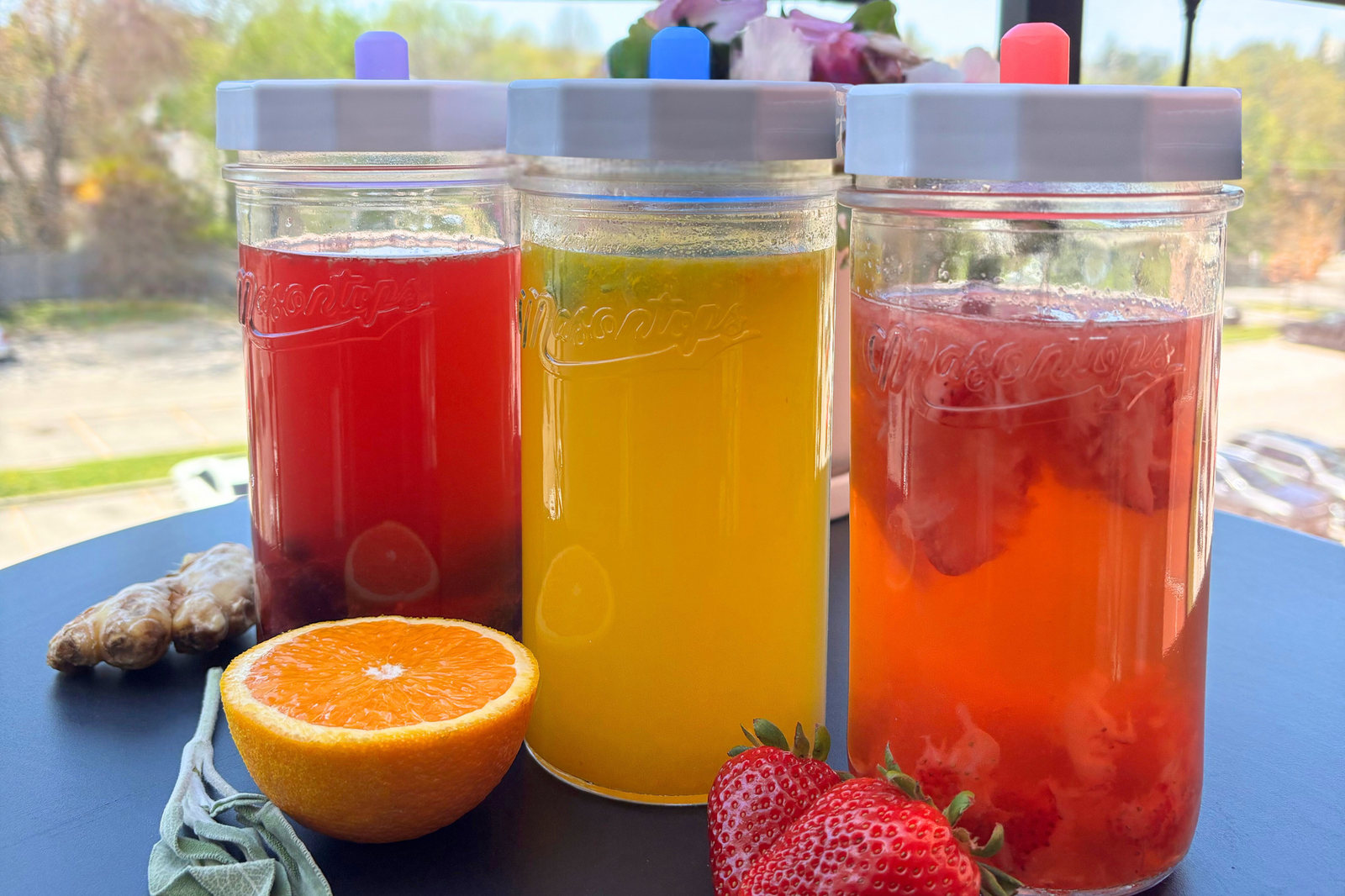
DIY Prebiotic Sodas for Gut Health: Ditch the Sugary Junk, Brew Your Own Gut-Loving Fizz!
Let’s be real. That syrupy stuff in the fancy bottles at the store? It’s mostly sugar, water, and a prayer. You’re looking for something better, something that actually does something good for your insides. You’ve heard the buzz about gut health and maybe even seen prebiotic sodas mentioned. But what’s the deal? Can you actually make this stuff at home without a science lab? Short answer: YES. And it’s way easier (and tastier) than you think.
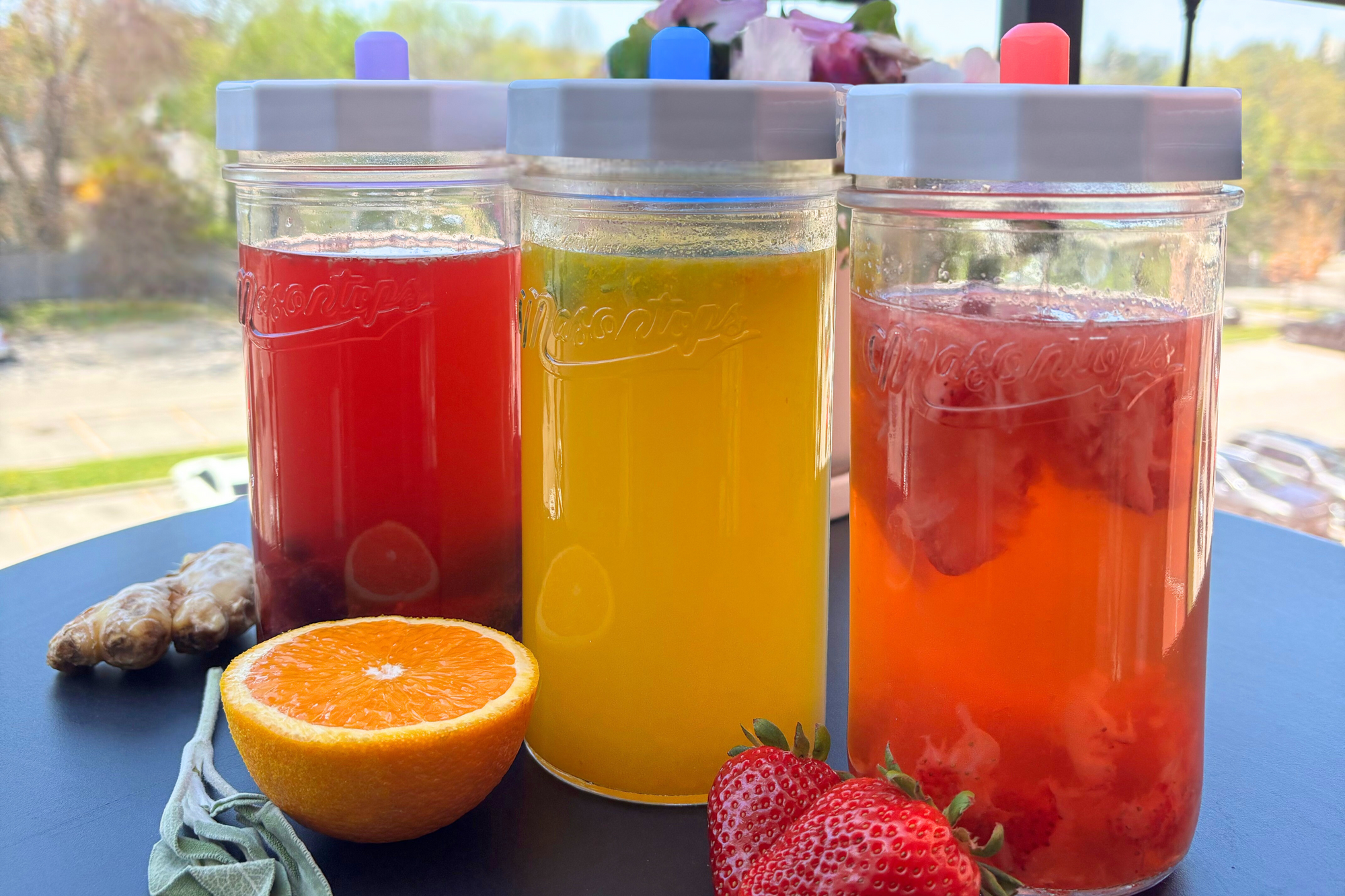
Source : masontops.com
Forget those expensive, neon-colored drinks that promise the world and deliver a sugar crash. We’re talking about making your own fizzy concoctions right in your kitchen. Think refreshing, naturally flavored drinks packed with the good stuff your gut microbiome craves. This isn’t just about sipping on something bubbly; it’s about actively nurturing your health from the inside out. Ready to ditch the chemical-laden imposters and brew up some real goodness? Let’s get started.
Why Bother with DIY Prebiotic Sodas? Your Gut Will Thank You.
Okay, so why all the hype? Your gut is basically your second brain. Seriously. It impacts everything from your mood and energy levels to your immune system and even your skin. And the tiny little workers living in there? Your gut bacteria. They need food to thrive, and that’s where prebiotics come in. Think of them as the VIP snacks for your beneficial gut bugs. Most sodas? They feed the bad guys. DIY prebiotic sodas, though? They’re a direct delivery service for the good crew.
When you feed those good bacteria, they get busy. They ferment, they multiply, and they produce all sorts of awesome byproducts, like short-chain fatty acids (SCFAs). SCFAs do amazing things – they reduce inflammation, strengthen your gut lining, and can even boost your metabolism. It’s a whole positive chain reaction. Making your own means you control exactly what goes in. No weird sweeteners, no artificial colors, just pure, gut-loving ingredients. You’re essentially giving your body a delicious, fizzy hug from the inside.
What Exactly Are Prebiotics and Why Are They So Crucial?
So, prebiotics. They’re not probiotics (those are the live bacteria themselves). Prebiotics are the food for probiotics. Mostly, they’re types of fiber that your body can’t digest, but your friendly gut bacteria absolutely can. They ferment these fibers, and as we just talked about, this process is key to a healthy gut. We’re talking about things like inulin, resistant starch, and certain types of oligosaccharides. You find these naturally in foods like garlic, onions, leeks, asparagus, bananas, and oats. But getting enough consistently can be tough.
Think about it: are you eating raw garlic by the clove or a bowl of raw onions daily? Probably not. That’s why incorporating prebiotic-rich foods and drinks is a smart move. When you make your own sodas, you can easily add in prebiotic-rich ingredients or use them as a base. It’s a sneaky, delicious way to boost your intake. Plus, the fermentation process itself can even help to pre-digest some of the sugars and break down compounds, making the nutrients even more accessible. It’s a win-win for your digestive system.
Probiotics vs. Prebiotics: Let’s Clear This Up (Again!)
This is where people get confused. Let’s break it down, superhero style. Probiotics are the live, beneficial bacteria themselves. Think of them as the tiny soldiers fighting for your gut health. You find these in foods like yogurt, kefir, sauerkraut, and kimchi. Prebiotics, on the other hand, are the fuel for those soldiers. They’re the non-digestible fibers that keep the probiotic army happy and multiplying. You can’t have a thriving army without food, right?
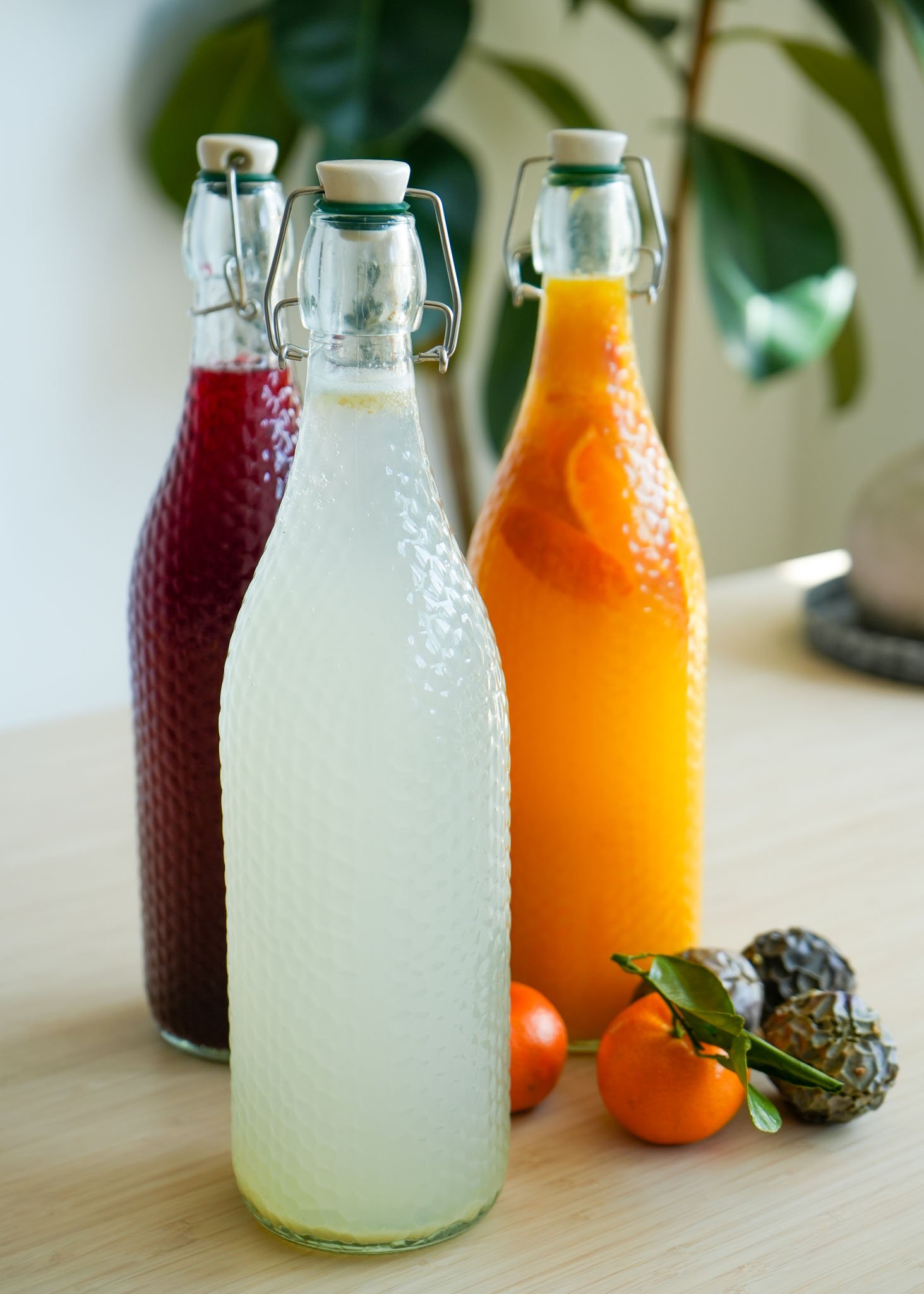
Source : goodfoodbaddie.com
Making your own soda often involves a bit of both. You might start with a probiotic starter culture (like a ginger bug or water kefir grains) which introduces beneficial bacteria. Then, you feed that culture with ingredients that are rich in prebiotics (like fruit juices or purees). The bacteria consume the prebiotics, produce beneficial compounds, and create that lovely fizz. So, you’re not just adding good bacteria; you’re creating an environment where they can truly flourish. It’s a symbiotic relationship, and your gut is the beneficiary.
The Magic Behind the Fizz: Fermentation Explained (Simply!)
So, how does a flat liquid turn into a bubbly delight? It’s all thanks to fermentation. Specifically, we’re often talking about wild fermentation or using a starter culture. With a ginger bug, for instance, you’re creating a base of wild yeasts and bacteria from the ginger and sugar. When you add this to your liquid (like juice and water), these microorganisms get to work. They eat the sugars present in the liquid and, as a byproduct of their metabolic process, they release carbon dioxide gas.
This CO2 gas is what creates the fizz. In a sealed bottle, the gas has nowhere to go, so it dissolves into the liquid under pressure, creating that satisfying carbonation you’re used to. It’s the same basic principle behind making beer or champagne, but we’re aiming for a healthy, non-alcoholic (or very low alcohol) beverage here. The longer you let it ferment, the more fizzy it gets, and also, the more complex the flavors become. It’s a natural process, driven by the tiniest living things, creating something delicious.
Your Starter Kit: The Essential Ingredients for DIY Prebiotic Soda
Alright, let’s get down to brass tacks. What do you actually need? First, you’ll need a starter culture. The most popular for soda is a ginger bug. It’s super simple to make: grated ginger, sugar, and water, left to ferment for a few days. You can also use water kefir grains or even a small amount of kombucha. These are the little powerhouses that kickstart the fermentation.
Next, you need your liquid base. This is where you can get creative! Fruit juices are fantastic because they provide natural sugars for the fermentation and add amazing flavor. Think berries, apples, grapes, pineapple, or even pomegranate. Just make sure they’re 100% juice with no preservatives. You can also use herbal teas – hibiscus, chamomile, or ginger tea work wonderfully. A little bit of sugar or honey is usually needed to feed the starter culture, but don’t go overboard; the goal is gut health, not a sugar bomb. And finally, you’ll need some nice, sturdy bottles. Swing-top bottles are ideal because they seal tightly, trapping that precious CO2.
Making Your First Batch: The Ginger Bug Method (It’s Easier Than You Think!)
Ready to roll up your sleeves? Let’s make a ginger bug. Grab a clean jar (a quart-sized one works well). Put about 2 tablespoons of grated, organic ginger (skin on is fine, just wash it well!) into the jar. Add 2 tablespoons of sugar (organic cane sugar or rapadura are great). Pour in about 1 cup of non-chlorinated water (filtered or spring water). Stir it all up, cover the jar with a piece of cheesecloth or a breathable cloth secured with a rubber band, and let it sit on your counter.
Now, the feeding part. Every day for about 3-7 days, ‘feed’ your bug. This means tossing out about half of the liquid and adding 1 tablespoon of grated ginger, 1 tablespoon of sugar, and 1 cup of water. Stir, cover, and let it sit. You’ll start to see bubbles! That’s your sign that the wild yeasts and bacteria are active and happy. Once it’s bubbly and smells gingery-fermented (not rotten!), your ginger bug is ready to be used to make soda. It’s a living thing, so treat it with care!
From Bug to Bubbly: Brewing Your Gut-Friendly Soda
Okay, your ginger bug is alive and kicking! Time to make the actual soda. You’ll need about 1/4 to 1/2 cup of your active ginger bug. Strain it to remove the ginger pieces – you just want the liquid. In a large pitcher, combine your chosen juice or sweetened tea. For example, you could use 4 cups of filtered water mixed with 1/2 cup of 100% pomegranate juice and 1/4 cup of maple syrup (adjust sweetness to your liking). Add your strained ginger bug liquid.
Stir it all together really well. Now, carefully pour this mixture into your clean, sturdy bottles, leaving about an inch or two of headspace at the top. Seal the bottles tightly. Place them on your counter at room temperature for about 1-3 days. This is the second fermentation phase, where the magic happens. The bacteria and yeasts in the ginger bug will feast on the remaining sugars, producing CO2. Check the fizz by carefully opening one bottle over the sink – if it’s fizzy, it’s ready! Then, move the bottles to the refrigerator to slow down fermentation and chill them before enjoying. Easy peasy, right?
Flavor Town: Delicious Add-ins for Your Prebiotic Brew
Plain and simple is great, but let’s jazz things up! The beauty of DIY soda is the endless flavor possibilities. After you’ve brewed your basic fermented soda, you can add all sorts of goodies. Think fresh fruit purees – raspberry, mango, strawberry. Herbs like mint, basil, or rosemary can add a sophisticated twist. A slice of cucumber or a squeeze of lime can make it super refreshing. You could even add a touch of vanilla or a pinch of ciamon for warmth.
For an extra gut-kick, consider adding a small amount of other fermented ingredients. A spoonful of raw, unfiltered apple cider vinegar (ACV) can add a tangy punch and more beneficial acids. Some people even add a tiny bit of their kombucha SCOBY (just the liquid part, usually) for a different microbial profile. Just remember, the more sugar you add in these extra flavorings, the more the fermentation will continue, so keep an eye on the fizz. Experimentation is key here – have fun with it!
Troubleshooting Your Brew: Common Issues and How to Fix Them
Source : ctcd.edu
Sometimes, your brew might not turn out perfectly. Don’t sweat it! It happens to the best of us. One common issue? No fizz. This usually means your ginger bug wasn’t active enough, or you didn’t leave it long enough to ferment. Make sure your bug is super bubbly before using it, and give the soda a bit more time on the counter. Another culprit could be too much sugar used initially; if the bacteria ate it all too fast, there’s nothing left to produce CO2.
What about too much fizz? Watch out for bottle bombs! Always burp your bottles daily during the second fermentation, especially in warm weather. If it’s gassy, it’s fermenting well, but you need to release some pressure. If your soda tastes too sour or vinegary, it might have over-fermented. This can happen if left out too long or if the temperature is too high. Refrigerate it sooner next time. Remember, fermentation is a living process, and conditions change!
Beyond Ginger Bugs: Exploring Other Fermentation Starters
While the ginger bug is super popular and easy, it’s not the only game in town. Water kefir grains are another fantastic option. These are symbiotic colonies of bacteria and yeasts that ferment sugary water. You feed them sugar water, and they produce a slightly tangy, fizzy beverage. They’re reusable, much like sourdough starter. You can then use the fermented water kefir as a base for your soda, similar to how you’d use the ginger bug liquid.
Kombucha SCOBYs (Symbiotic Culture Of Bacteria and Yeast) can also be used. You can add a bit of finished kombucha or a piece of the SCOBY to your sweetened tea or juice base. The microbes will ferment the sugars, creating that characteristic kombucha tang and fizz. Just be mindful that this will impart a definite kombucha flavor to your soda, which might not be what everyone’s going for. Each starter brings its own unique microbial profile and flavor to the party.
Safety First: Important Considerations for Home Fermentation
Fermenting at home is generally very safe, but there are a few things to keep in mind. Always use clean equipment. Wash your jars, bottles, and any utensils thoroughly to prevent introducing unwanted mold or bacteria. Avoid using chlorinated water, as chlorine can kill your precious starter cultures. Use filtered, spring, or distilled water. Keep an eye on your fermenting brews. If you see any fuzzy mold (not just white yeast sediment), or if it smells truly putrid (beyond just a sour or yeasty smell), toss it out and start again. Trust your nose and your eyes.
Also, be mindful of the bottle pressure. As mentioned, over-carbonation can lead to bottles exploding. Use sturdy glass bottles designed for carbonation (like swing-top bottles). Always ‘burp’ your bottles daily during the second fermentation, especially in warmer temperatures or if you’ve used a lot of sugar. When in doubt, refrigerate sooner rather than later. Your gut will thank you for the safe, fizzy goodness!
The Health Payoff: What Real Gut Health Benefits Can You Expect?
So, we’ve talked about feeding your gut, but what are the tangible results? Consistent consumption of prebiotic-rich, fermented foods like these sodas can lead to a happier, more balanced gut microbiome. This often translates into improved digestion – think less bloating, less gas, and more regularity. Many people report increased energy levels, as a healthy gut is better at absorbing nutrients.
The anti-inflammatory compounds produced during fermentation can also have wider effects, potentially benefiting your immune system, skin health, and even mental clarity. It’s not a magic bullet, of course. You won’t transform overnight. But incorporating these delicious drinks into a balanced diet is a powerful step towards supporting your overall well-being. It’s about sustainable health, fueled by nature.
Transitioning to Prebiotic Sodas: A Gradual Approach
If you’re new to fermented foods or have a sensitive gut, it’s wise to introduce these sodas gradually. Start with small amounts – maybe just a few ounces a day. Pay attention to how your body responds. Some people might experience a temporary increase in gas or bloating as their gut adjusts to the new microbes and fibers. This is often called a ‘die-off’ reaction or Herxheimer reaction, and it usually subsides as your gut becomes healthier.
You can also start with milder flavor bases or less intense fermentation times. As your gut adapts, you can increase your intake and experiment with more complex flavors and longer fermentation periods. Listening to your body is key. It’s a journey, not a race. Building a healthy gut takes time and consistency, and these delicious DIY sodas make that journey a lot more enjoyable.
Incorporating DIY Sodas into Your Daily Routine
Making these sodas isn’t just a weekend project; it can become a seamless part of your life. Have a bottle ready in the fridge for when that afternoon energy slump hits. Swap out your usual sugary drink at dier for a gut-friendly alternative. Keep a small supply of ginger bug (or other starter) going on your counter – it only takes a minute to feed it daily. The initial setup might seem like a bit of effort, but the payoff in terms of health and taste is huge.
Think of it as an investment in yourself. Instead of spending money on overpriced, sugary drinks, you’re investing a little time and basic ingredients into something that actively benefits your health. Plus, you get to brag about your awesome, homemade, gut-loving soda. That’s pretty cool, right? It’s a simple habit that can have a surprisingly significant impact on how you feel.
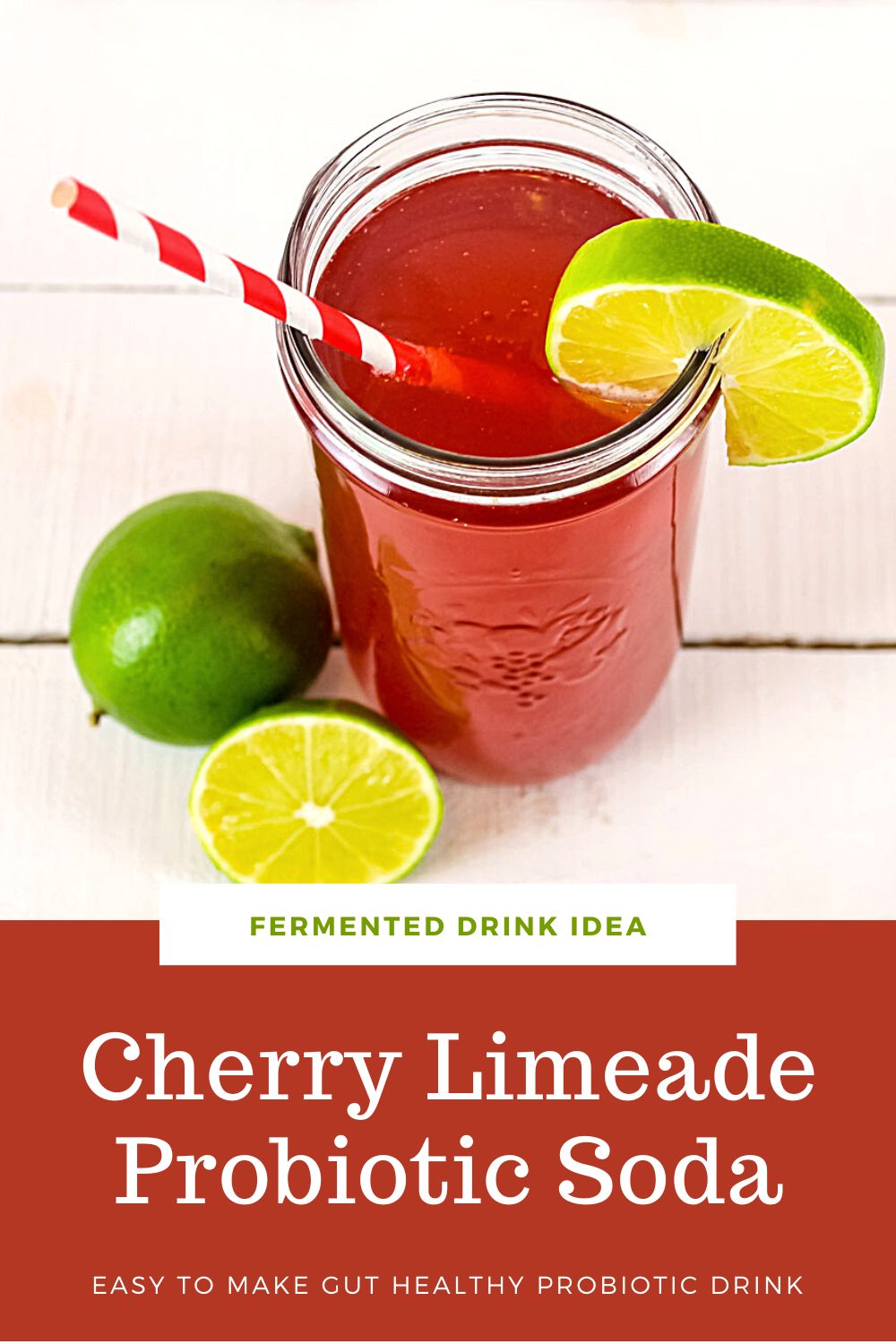
Source : wholemadehomestead.com
Common Myths About Fermented Drinks Debunked
Let’s tackle some misconceptions. Myth #1: It’s too complicated. Nope! As we’ve seen, the basic process is simple, especially with a ginger bug. Myth #2: It’s dangerous. While safety precautions are important (cleanliness, pressure), properly made fermented sodas are very safe and beneficial. Bad bacteria or mold would be visually obvious. Myth #3: It all tastes sour and weird. Not necessarily! You control the flavors. You can make them sweet, fruity, herbal – whatever you like. The fermentation adds complexity, not just sourness.
Myth #4: It’s full of alcohol. While fermentation can produce alcohol, with these recipes and typical fermentation times (1-3 days), the alcohol content is negligible, usually well below 0.5%, meaning it’s considered non-alcoholic. If you ferment for much longer in specific conditions, alcohol can increase, but that’s not the goal here. So, ditch the myths and dive in!
The Future is Fizzy: Sustainability and Cost-Effectiveness
Beyond personal health, making your own prebiotic sodas is also a more sustainable choice. Think about all those plastic bottles and aluminum cans you avoid tossing into the recycling bin (or worse, landfill). You’re reusing glass bottles, reducing waste, and cutting down on the carbon footprint associated with manufacturing and transporting commercial beverages. It’s a small change with a ripple effect.
And let’s talk about your wallet. Buying fancy probiotic or prebiotic sodas can add up FAST. A single bottle can cost $4-$5 or more. When you make your own, the cost per serving plummets. You’re mainly paying for sugar, ginger, and maybe some juice. For a few dollars, you can make a whole batch that yields several bottles. It’s a significantly more cost-effective way to enjoy a healthy, fizzy drink.
Where to Go From Here: Resources for Your Fermentation Journey
Ready to dive deeper? There are tons of great resources out there. You can find endless recipes and tips online. Websites dedicated to fermentation are treasure troves of information. For example, checking out resources like DIY probiotic sodas can give you a great starting point with clear instructions and recipe ideas. Understanding the basics of how these cultures work is super helpful.
Also, don’t underestimate the power of community. Online forums and social media groups for fermentation enthusiasts are fantastic places to ask questions, share your successes (and failures!), and learn from others. You’ll find people who have been fermenting for years and are happy to share their wisdom. And remember that site focusing on gut health? They often have great insights too, like this piece on making probiotic soda which can offer further guidance and inspiration.
Final Thoughts: Your Gut Health Revolution Starts Now!
So there you have it. Making your own gut-loving, prebiotic sodas is totally achievable, incredibly rewarding, and downright delicious. You’re taking control of your health, one fizzy bottle at a time. Forget the processed junk. Embrace the natural goodness of fermentation. Your taste buds and your gut will thank you profusely. Go on, brew something amazing!
Frequently Asked Questions
-
Do prebiotic sodas actually help your gut?
Absolutely! Prebiotic sodas are packed with fibers that feed the beneficial bacteria in your gut. When these bacteria feast, they produce compounds that reduce inflammation, improve digestion, and support a healthier gut microbiome. Think of it as giving your good gut bugs the exact food they need to thrive and keep everything ruing smoothly.
-
Is making probiotic soda difficult?
Not at all! The most popular method, using a ginger bug, is surprisingly simple. It mostly involves feeding a mixture of ginger, sugar, and water for a few days until it’s bubbly. Then you use that ‘bug’ to ferment your chosen juice or tea. It takes a little patience, but the process itself is straightforward and very rewarding.
-
Can I make prebiotic sodas without a special starter?
While a starter like a ginger bug or water kefir grains makes the process reliable and consistent, you can attempt wild fermentation. This involves relying on the naturally occurring yeasts and bacteria present on fruits and in the environment. However, it’s less predictable, and there’s a higher risk of unwanted microbial growth. Using a starter is highly recommended for begiers.
-
How much sugar is really in homemade prebiotic soda?
Much less than you’d think, and it’s used differently! You add sugar initially to feed the fermentation process. The bacteria and yeasts consume most of this sugar during fermentation. The final product typically has only a fraction of the sugar found in commercial sodas, and importantly, it’s balanced by beneficial acids and fibers. You control the sweetness, so you can keep it low.
-
What's the difference between prebiotic and probiotic soda?
Great question! Probiotic sodas contain live beneficial bacteria (the ‘probiotics’). Prebiotic sodas primarily contain the food (prebiotic fibers) for those bacteria. Many homemade sodas, especially those made with a ginger bug or kefir grains, offer both – introducing beneficial microbes while also feeding them with prebiotic-rich ingredients. It’s a double whammy for your gut health.