The AI Cheat Code: How Hackers Are Cracking Two-Factor Auth
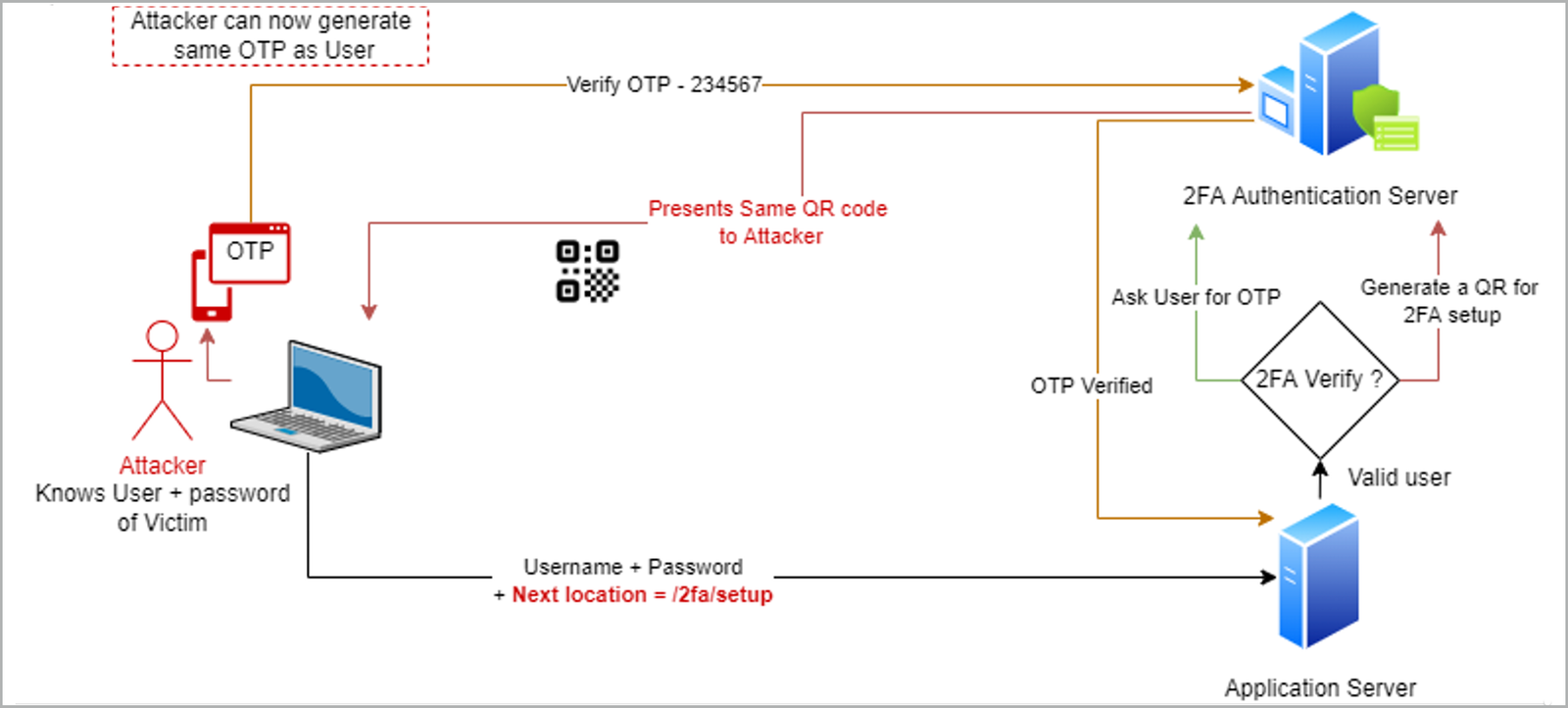
Remember when two-factor authentication (2FA) felt like the ultimate digital bouncer? You know, that second little hurdle, like a code from your phone or a fingerprint scan, that was supposed to keep the bad guys out for good. Yeah, well, some folks figured out how to pick the lock. And guess what’s making it easier for them? Artificial intelligence. It’s not sci-fi anymore; this is happening right now.

Source : blackduck.com
Let’s get real. For years, 2FA has been the gold standard, the last line of defense for your accounts. We’ve all gotten used to that little ping: “Is this you trying to log in?” You hit ‘yes,’ and boom, you’re in. Simple. Effective. Or so we thought. The problem is, hackers are constantly evolving, and AI isn’t just for chatbots anymore. It’s becoming a powerful tool in their arsenal, turning what we thought was secure into something much more vulnerable. Think of it like this: AI is handing them a super-powered lock-picking kit.
AI: The New Hacker’s Toolkit
So, how exactly is this tech wizardry working? It’s not magic, but it’s close. AI is being used to automate and supercharge traditional hacking methods, making them way more effective and harder to spot. We’re talking about things like sophisticated phishing that’s harder to spot, or even directly attacking the systems that deliver those 2FA codes.

Source : hoxhunt.com
Phishing on Steroids
Phishing has always been about tricking you. Scammers send fake emails or texts, hoping you’ll click a bad link and hand over your login details. But AI takes this to a whole new level. Imagine an AI that can craft hyper-personalized phishing messages. It can analyze your social media, your company’s website, anything it can find, to make that fake email look exactly like it came from your boss or your IT department. It knows your colleague’s name, the project you’re working on, even your dog’s name (if you’ve been sharing too much online). This isn’t just a generic “Dear Customer” anymore. It’s tailored, chillingly accurate, and designed to make you let your guard down. This AI-powered phishing is seriously scary stuff.
And it’s not just text. AI can now generate incredibly realistic voice clones. So, that urgent phone call asking for your 2FA code? It might not be your bank; it could be an AI perfectly mimicking the voice of their fraud department. They can even mimic the system prompts that typically accompany these calls. It’s all about exploiting human trust, and AI makes that exploitation incredibly efficient. You’d think a phone call from your bank’s specific toll-free number would be safe, right? Wrong. AI can help spoof those numbers too. It’s a multi-layered deception.
Exploiting Session Tokens
This is where things get really technical, but stay with me. When you log into a website and it remembers you (you know, so you don’t have to enter your password every single time you click a link), it uses something called a session token. Think of it as a temporary backstage pass that proves you’re legit. Traditionally, hackers would try to steal this token through malware or other shady means. Now, AI is helping them do it faster and smarter.
AI can analyze network traffic or even exploit vulnerabilities in web applications to snatch these tokens before they expire. They’re not just guessing passwords; they’re stealing the keys to the kingdom while the door is still slightly ajar. Once they have a valid session token, they can essentially impersonate you to the website or service without ever needing your password or your 2FA code. It’s like finding a dropped key card and walking right into the executive suite. WorkOS talks about how AI supercharges every stage of the attack, and session hijacking is a prime example of this. They’re not just trying to break in; they’re trying to steal the identity of someone who’s already inside.
The scary part? These session tokens often have a limited lifespan, but if a hacker can grab one and use it quickly, they bypass the entire 2FA process. It’s a race against time, and AI is giving them the unfair advantage. This attack vector is becoming increasingly common, and understanding it is key to defending against it. So, while you’re getting that text with your code, a hacker might be snagging a session token that grants them immediate access. It highlights the need for proactive security measures.
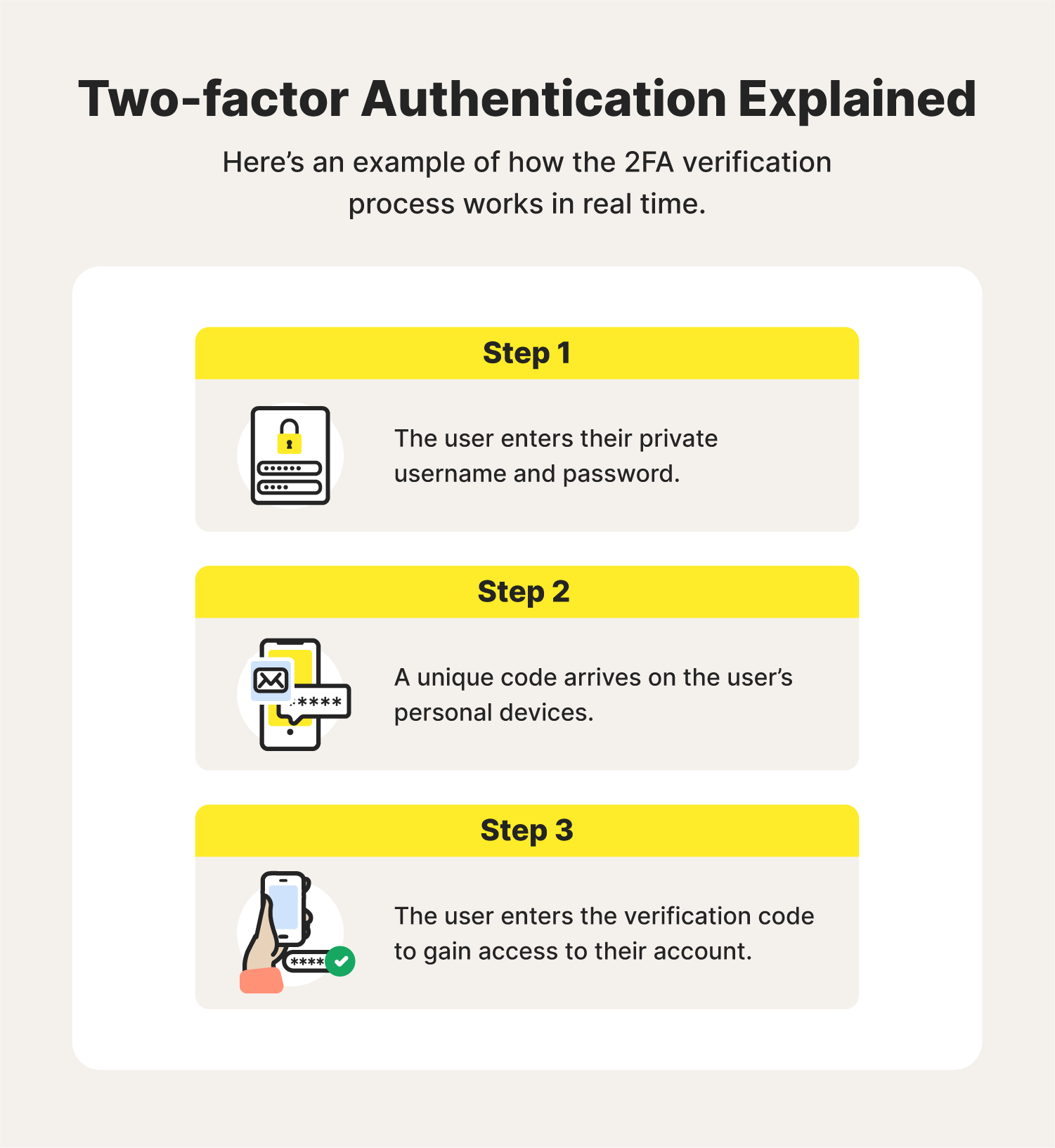
Source : us.norton.com
The MFA Fatigue Attack, Amplified
You know that feeling when you accidentally hit ‘yes’ on a 2FA prompt when you weren’t even trying to log in? That’s an MFA fatigue attack. Hackers bombard you with login requests, hoping you’ll eventually get aoyed or confused and just tap ‘Approve’ to make the notifications stop. It’s a brute-force method, but it works surprisingly often.
AI is turbocharging this. Instead of just spamming requests randomly, AI can learn your patterns. It might time the requests for when you’re likely busy or distracted. Or, it can automate the vishing (voice phishing) calls that accompany these attacks, making them seem more legitimate. Imagine getting a call while you’re getting those push notifications, with a convincing AI voice telling you to “confirm your login for security reasons.” It’s psychological warfare, and AI is the new weapon. Experts warn that AI enables scammers to bypass passwords and gain access, and MFA fatigue is a major part of that. It’s the digital equivalent of a mugger repeatedly ringing your doorbell until you answer.
The goal is to wear you down. Humans have a breaking point, and AI is designed to find it. It’s a numbers game combined with sophisticated social engineering, powered by algorithms that learn and adapt. This makes even the most vigilant users vulnerable. It’s not about being dumb; it’s about being relentlessly targeted by something smarter and faster than you can react to. This continuous barrage can be incredibly stressful, making mistakes almost inevitable. We’re seeing this become a major cybersecurity threat.
AI vs. Phishing-Resistant MFA
So, what’s the answer? If AI is getting so good at breaking our current defenses, we need better defenses, right? The industry is moving towards what’s called phishing-resistant MFA. This isn’t just a fancy term; it’s about using authentication methods that are much harder for AI-powered attacks to intercept or trick.
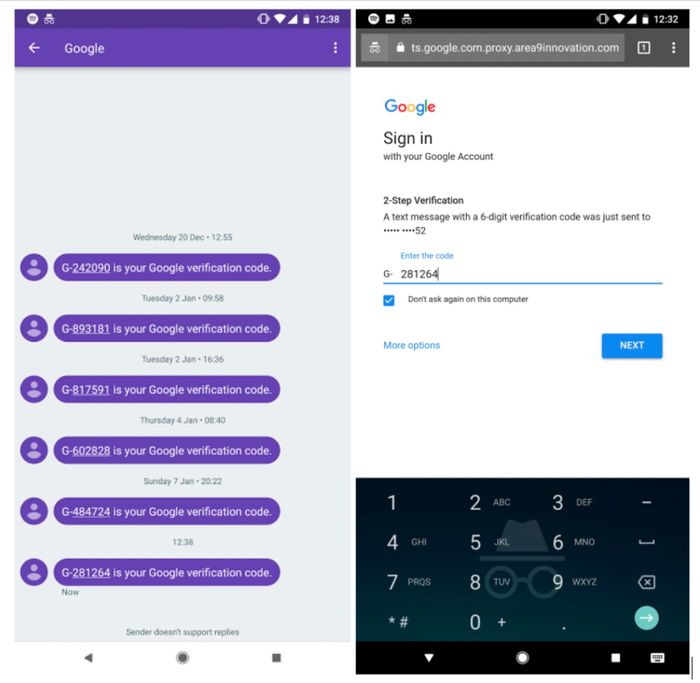
Source : jamf.com
Think FIDO2 security keys (those little USB-like devices you plug in) or certificate-based authentication. These rely on cryptographic challenges that AI can’t easily fake or phish. They’re not susceptible to the session token theft or the MFA fatigue attacks in the same way. WorkOS points out that even phishing-resistant MFA is under pressure, but these methods represent a significant leap forward. The key is that they don’t rely on you making a ‘yes/no’ decision based on a notification; they involve a direct, hardware-level confirmation. This is crucial because it removes the human element that AI so expertly targets. It’s about making the authentication process fundamentally different.
However, there’s a catch. Rolling out these advanced solutions can be complex and expensive. There’s often a gap between when new threats emerge and when organizations can fully implement new protections. As WorkOS puts it, there’s a gap between deployment and protection. And in that gap? That’s where the AI-powered attacks thrive. It’s a constant arms race, and while we have better tools, getting them into everyone’s hands is the next big challenge. This delay can be critical for businesses.
What Can You Do?
Okay, so AI is making things tougher. What’s the game plan? First off, don’t ditch 2FA entirely! It’s still way better than nothing. But you need to be smarter about it. Educate yourself and your team about these new AI-driven attacks. Know what realistic phishing attempts look like now.
Be incredibly skeptical of any unexpected login requests or urgent communications. If you get a weird text or call, don’t click or respond. Go directly to the source by typing the official website into your browser or calling a known support number. Never use links or phone numbers provided in suspicious messages. This direct verification is your best friend.
Look into using hardware security keys (like YubiKeys) or authenticator apps (like Authy or Google Authenticator) that generate time-based codes, rather than SMS codes. SMS codes are the easiest for attackers to intercept. Authenticator apps are better, but hardware keys are the gold standard for phishing resistance. Push notifications are convenient, but they’re also the most vulnerable to fatigue attacks. Switching to a method that requires physical possession of a device or a complex cryptographic exchange is the way to go. It’s about moving beyond the easily fooled digital layer.
Source : its.unc.edu
Finally, if your organization offers advanced security measures, use them! Push for them if they don’t. The landscape is changing fast, and staying ahead means adopting the most secure methods available. We’re seeing experts warn that AI enables scammers to bypass older security measures. Staying informed and adapting your defenses is no longer optional; it’s critical for survival in the digital world.
The Future is Now (And It’s AI-Powered)
The reality is, AI isn’t going away. It’s only going to get more powerful and more integrated into everyday tools, including those used by cybercriminals. This means the arms race between attackers and defenders is only going to intensify. We can’t just rely on the same old security tactics. We need to understand how AI is changing the game and adapt accordingly. It’s a wake-up call for everyone, from individuals to large enterprises. The digital bouncer just got a whole lot smarter, and we need to make sure our security does too.
The fight against AI-powered attacks requires a vigilant and adaptive approach. It’s not just about technology; it’s about awareness, education, and a willingness to embrace more robust security practices. The future of online security depends on it. Don’t get left behind.
Frequently Asked Questions
-
What's the most common way AI helps hackers bypass 2FA today?
Right now, AI is supercharging sophisticated phishing attempts. It crafts messages so personal and convincing, they can trick even tech-savvy people into giving up their 2FA codes or login details. Think hyper-personalized emails that look like they’re from your boss, or voice deepfakes that mimic your bank’s fraud department. It’s all about exploiting trust, and AI makes that process way more efficient and harder to detect.
-
Can AI really fake a push notification from my authenticator app?
It’s not directly faking the notification itself, but AI is a huge part of the MFA fatigue attack. Hackers use AI to automate sending tons of login requests, hoping you’ll eventually just tap ‘Approve’ to make the notifications stop. Sometimes, this is paired with AI-generated vishing calls that pressure you into approving. It’s designed to wear you down until you make a mistake, making even convenient push notifications a risk.
-
Why are session tokens so valuable to a hacker trying to bypass 2FA?
A session token is basically a temporary digital pass that keeps you logged into a website without needing to re-enter your password every time. If a hacker can steal a valid session token, they can impersonate you to that service. They essentially get ‘behind the curtain’ after you’ve already authenticated. This lets them bypass 2FA entirely because the system thinks you’re already logged in and verified. It’s like stealing a car key after the driver has already unlocked the door.
-
Is SMS-based 2FA still safe with AI threats?
Honestly, SMS-based 2FA is the least secure option these days. AI makes it much easier for hackers to intercept those codes through SIM-swapping attacks or by tricking you into revealing them via phishing. While it’s better than no 2FA, you should absolutely prioritize using authenticator apps or, even better, hardware security keys. Those offer a much higher level of protection against AI-driven attacks.
-
What's the best defense against AI bypassing my 2FA?
The move is towards phishing-resistant MFA. Think hardware security keys (like YubiKeys) or certificate-based authentication. These methods rely on cryptographic proofs that are incredibly difficult for AI to fake or phish. Authenticator apps are a good second choice over SMS. Beyond the tech, stay hyper-aware of phishing attempts, never click suspicious links, and always verify requests directly through official chaels. Never trust unsolicited login prompts or requests.