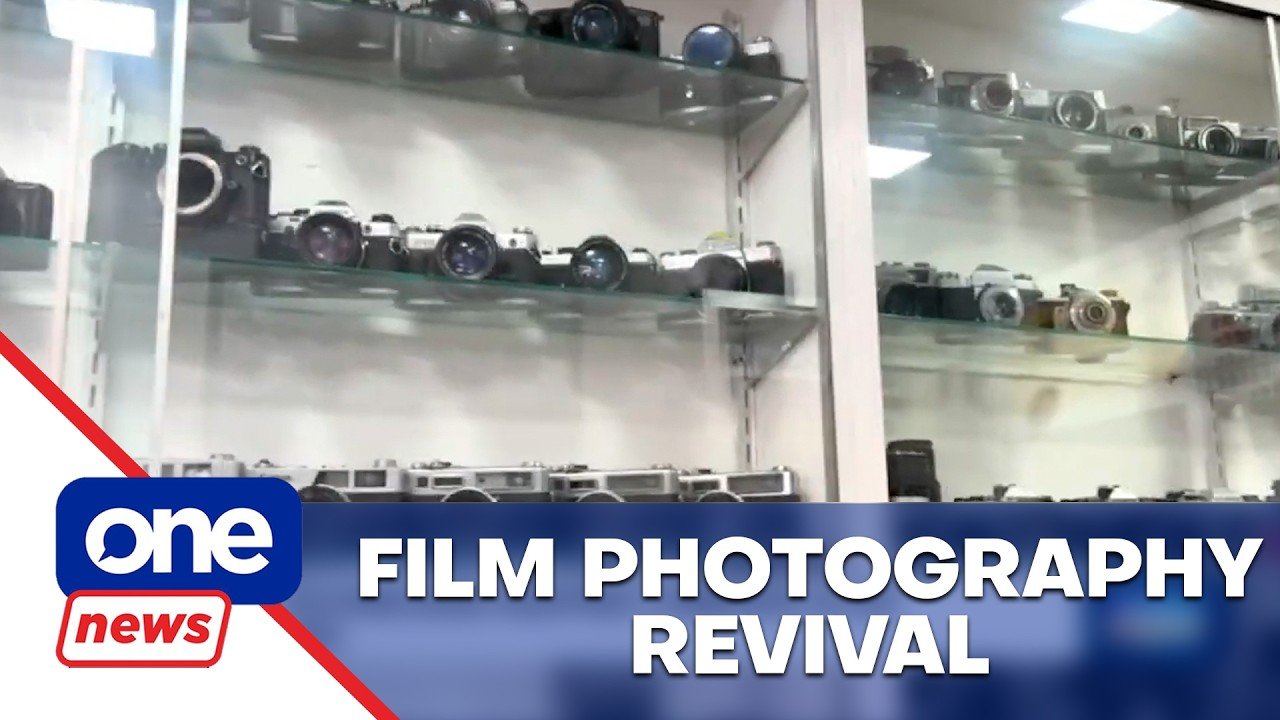
The Analog Uprising: Why Gen Z’s Obsession with Film is More Than Just a Fad
Remember those clunky cameras your parents used? The ones that made you wait days to see if your photos actually turned out? Yeah, those. Turns out, that whole experience is making a serious comeback, and it’s Gen Z leading the charge. It’s not just about vintage vibes; there’s something deeper happening here. A real pushback against the instant-gratification digital world we’re all drowning in.

Source : youtube.com
I’ve seen it myself. My niece, barely out of high school, ditches her super-smart phone for a beat-up old Canon AE-1. She’s actually excited about the uncertainty. About the grain. About the fact that messing up a shot means you just… messed up. No instant delete, no endless gallery scrolling. It’s raw. It’s real. And honestly? It’s kind of refreshing.
This isn’t just a niche hobby anymore. It’s a full-blown film photography renaissance. We’re talking about a generation that grew up with infinite digital photos, yet they’re actively choosing the limitations of film. Why? Let’s dig into it.
Why Ditch the Digital Deluge?
Digital photography is, let’s be honest, ridiculously easy. Point, shoot, edit, share. Repeat. Billions of times a day. It’s convenient, sure. But convenience can also breed carelessness. We snap without thinking, flood our feeds with forgettable images, and lose the art in the sheer volume. Gen Z seems to be realizing this. They’re craving something more tangible, something that demands intention.
Think about it. When you use a film camera, every click costs you something – film and developing aren’t free, you know. This naturally forces you to be more deliberate. You frame the shot carefully. You consider the light. You wait for the right moment. It’s a mental shift. It turns photography from a mindless activity into a thoughtful practice. It’s about making each frame count.

Source : analoguewonderland.co.uk
This deliberate process is a huge draw. It forces a slower pace, a coection to the craft that digital often bypasses. It’s less about quantity and more about the quality of the moment captured. It’s a welcome antidote to the digital noise.
The Tangible Thrill
There’s an undeniable magic in holding a physical print. Scrolling through a digital album feels… flat. But pulling a photograph out of an envelope? That’s different. It’s a physical artifact, a piece of history you can hold in your hands. This tactile experience is something digital just can’t replicate. For a generation often glued to screens, the feel of paper, the slight curl of a print, it’s grounding.
And the anticipation! Waiting for film to be developed builds this incredible suspense. Will the shots be sharp? Will the colors pop? Or will they be full of unexpected flares and interesting mistakes? That inherent unpredictability is part of the charm. It’s a surprise party for your future self. This element of surprise is a key factor in the film camera appeal.
It’s this tangible result that really hooks them. It’s not just pixels on a screen; it’s a real object. A memory made solid. You can pin it to your wall, put it in a wallet, give it to someone. It feels more permanent, more meaningful than a fleeting digital file. This is why sites selling used cameras are seeing a surge in interest.
Authenticity Over Perfection
Digital photography often pushes for flawless perfection. Sharpening, color correction, retouching – the goal is often an image that looks too good to be true. Film, on the other hand, embraces imperfections. The grain, the light leaks, the occasional blur – these aren’t flaws; they’re character. They tell a story. Gen Z is embracing this ‘perfectly imperfect’ aesthetic.
It’s a rejection of the overly curated, filtered reality that dominates social media. Film photos feel more honest, more raw. They reflect life as it is, not as some algorithm thinks it should look. This authenticity resonates deeply with a generation questioning the curated facades of online life. They’re looking for real moments, unfiltered.
This desire for authenticity is huge. It’s about capturing genuine emotion and atmosphere, not just a pretty picture. The slight imperfections of film add a layer of depth and realism that polished digital shots often lack. It’s a return to a more natural aesthetic.
Source : cen.acs.org

The Aesthetic Appeal
Let’s not pretend the look isn’t a massive part of it. Film has a distinct aesthetic. The colors are often richer, deeper. The grain adds texture. There’s a certain nostalgic glow that digital filters try to emulate but rarely capture authentically. Think about those iconic 70s and 80s movie stills – that look is pure film.
This unique visual signature is incredibly appealing for content creation, especially on platforms like TikTok and Instagram. It stands out. It feels more artistic, more considered than a standard phone pic. It’s a way to visually differentiate yourself in a sea of sameness. It’s all about that distinctive film look.
This aesthetic isn’t just about looking cool; it’s about conveying a mood. A specific time, a feeling. It’s nostalgic, yes, but it’s also timeless. This ability to evoke a strong sense of place and time is a major reason for its comeback. It’s a visual shortcut to a certain vibe.
Community and Coection
The resurgence of film photography has also fostered a strong online and offline community. Hashtags like #filmphotography, #analogvibes, and #35mm are teeming with Gen Z creators sharing their work, tips, and passion. Forums, Reddit threads, and local meetups coect enthusiasts, creating a supportive space for learning and sharing.
This sense of belonging is crucial. It’s a shared interest that provides a common ground, a way to coect with others who appreciate the same tangible, intentional art form. It’s about more than just taking pictures; it’s about being part of something. A collective that values patience and craft. Finding your community of analog lovers is a big part of the journey.
This shared passion builds genuine coections. It’s people bonding over a mutual appreciation for a slower, more deliberate creative process. It’s a refreshing change from the often superficial interactions online. This organic community building is incredibly powerful.
Accessibility and Cost (The Catch?)
Okay, let’s address the elephant in the room: cost. While digital cameras can be a hefty upfront investment, film cameras can often be found quite cheaply secondhand. Thrift stores, flea markets, online marketplaces – they’re goldmines for affordable analog gear. This accessibility is a big plus for a generation often mindful of budgets.
Source : statepress.com
However, the costs do add up. Film rolls aren’t free, and developing them costs money too. A single roll might cost $10-$15 to develop and scan, and you only get 24 or 36 shots. Compared to ‘free’ digital shots, it’s definitely more expensive per photo. But for many, the value they place on the process and the final output justifies the expense. It’s an investment in intentional photography.
This trade-off is real. You’re paying for the experience, the physicality, and the unique aesthetic. It’s a different kind of value proposition. People are willing to spend because they’re getting something unique in return that digital doesn’t offer. It’s a calculated cost for a desired outcome.
The Future is Analog?
Is film photography going to replace digital? Absolutely not. Digital has its place, and its convenience is undeniable. But the resurgence among Gen Z isn’t just a fleeting trend. It’s a conscious choice, a statement against the overwhelming digital saturation. It’s about reclaiming a slower, more intentional, and more tangible way of capturing the world.
This movement is teaching valuable lessons about patience, mindfulness, and the beauty of imperfection. It’s a reminder that sometimes, the best things in life aren’t instant. They require effort, anticipation, and a willingness to embrace the unknown. It’s about appreciating the craft behind the image.
So, next time you see someone fiddling with a vintage film camera, don’t dismiss it as just nostalgia. It’s a generation actively seeking out experiences that feel more real, more meaningful, and yes, even a little bit harder. And honestly? That’s a beautiful thing. It shows a deep appreciation for the art of photography itself, beyond the endless scroll.
Frequently Asked Questions
What exactly is driving the film photography trend among Gen Z?
It’s a mix of things, honestly. A big part is the craving for authenticity in a hyper-digital, filtered world. Film photos feel more real, more raw, with actual grain and character. Plus, there’s the tangible aspect – holding a print is way different than scrolling a screen. It’s about slowing down, being more intentional with each shot, and embracing the beautiful imperfections. Think of it as a rebellion against instant gratification; they’re seeking a more deliberate and meaningful way to capture memories. It’s a desire for something more substantial than fleeting digital files. The tactile experience is a huge draw.
Is film photography expensive for Gen Z to get into?
It can be, but it doesn’t have to be. You can find really cheap film cameras at thrift stores or online marketplaces – that’s a huge plus for budget-conscious young people. The cameras themselves are often super affordable. The real cost comes with the film rolls and developing them, which definitely adds up faster than taking unlimited digital photos. But many Gen Z users see it as an investment in a more meaningful creative process and a unique aesthetic. It’s about valuing the slow photography movement.
How does film photography differ from digital in terms of the final image?
Digital aims for clean, sharp perfection, often with heavy editing. Film, on the other hand, has this unique character. You get natural grain, richer colors, and sometimes cool ‘imperfections’ like light leaks or slight blur that add tons of personality. It feels more organic and less manufactured. Digital photos are like a perfect studio portrait; film photos are more like a candid snapshot from your favorite memory. It’s about embracing the natural image quality.
Are there online communities where Gen Z shares their film photography?
Absolutely! It’s huge. You’ll find tons of activity on platforms like Instagram and TikTok using hashtags like #filmphotography, #analogvibes, and #35mmfilm. There are also dedicated subreddits and online forums where people share tips, discuss gear, and show off their latest rolls. It’s a really supportive scene where people are passionate about the craft and eager to coect with others who feel the same way. They’re building a real community around film.
Will this film photography trend last, or is it just a fad?
It’s hard to say for sure if it’ll maintain its current peak, but I don’t think it’s just a fad. It taps into a deeper desire for authenticity, slowness, and tangible experiences that seems to be growing, not shrinking. Even if the hype dies down a bit, the core reasons Gen Z is drawn to film – the intentionality, the unique aesthetic, the coection to the craft – are pretty solid. It’s a valuable counterpoint to the digital age. This is more than just a trend; it’s a meaningful artistic choice.