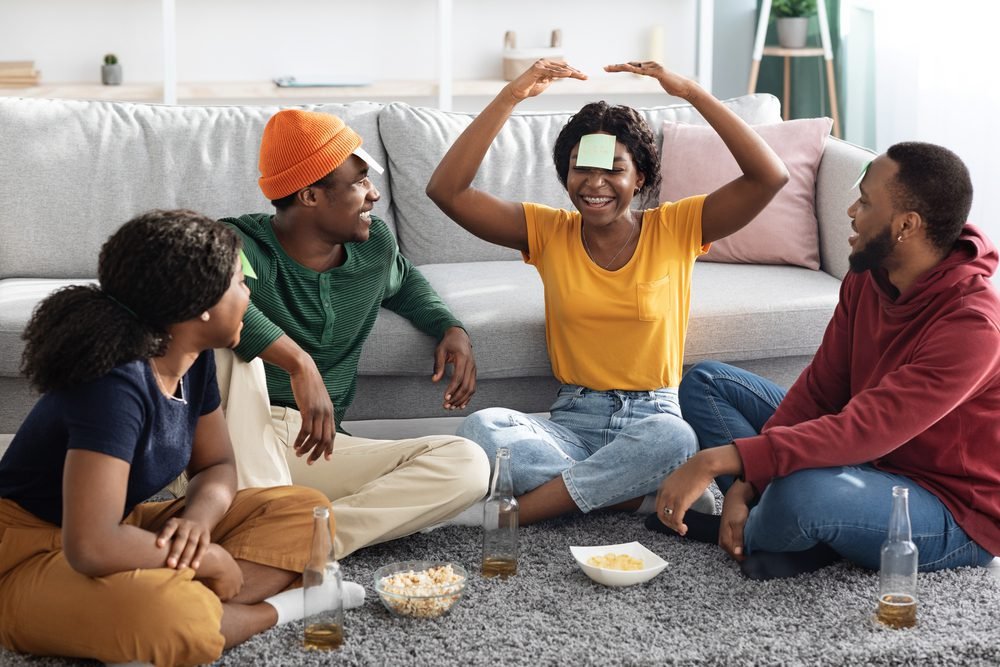
Remember when everyone was glued to their phones, scrolling endlessly? Yeah, me too. It felt like we were all collectively losing our minds.
But something flipped. People started craving something real. Something they could touch, feel, and actually make with their own two hands.
We’re talking about the huge comeback of analog hobbies, and honestly, it’s about damn time.
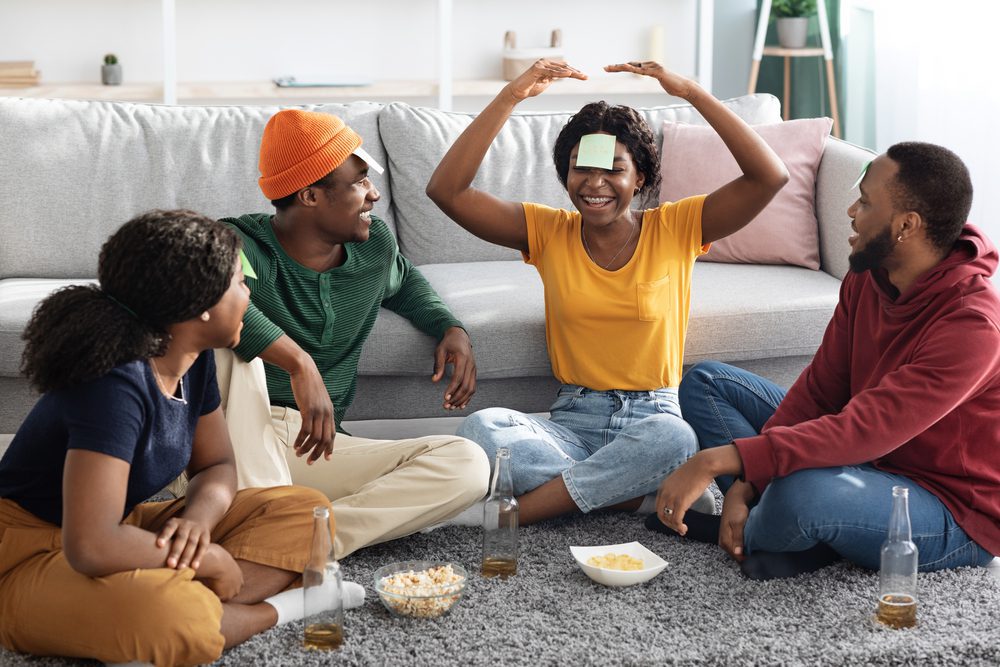
Source : rollingout.com
It’s not just a fad, either. The digital deluge had us all burnt out. Staring at screens all day?
Exhausting. We needed an escape, a way to disconnect and recharge. And what better way than diving headfirst into something tactile, something that forces you to slow down and focus?
It’s like hitting the reset button on your brain.
Why We’re Going Back to Our Roots
This whole analog revival? It’s a reaction, plain and simple. We were drowning in notifications and endless digital noise.
Remember that feeling? That constant low-grade anxiety? It’s no wonder people started seeking out activities that brought them back to earth.
Think less screen time, more real-world grind. It’s not about rejecting technology, it’s about finding a balance. And right now, that balance is heavily leaning towards getting our hands dirty.
Seriously, the numbers don’t lie. Crafting, for instance, has seen a massive surge. It’s gone from a niche hobby to mainstream wellness.
People are discovering that knitting a scarf or building a birdhouse isn’t just about the finished product; it’s about the process. It’s meditative. It quiets the mental chatter.
This shift is so significant that even major news outlets are talking about how crafting boosts wellness. Check out what CNN’s saying about it. It’s a real trend, not just some passing phase.
The Offline Obsession is Real
And it’s not just crafting. Gen Z, the generation supposedly born with smartphones in their hands, are surprisingly leading the charge in wanting to get offline. They’re craving tangible experiences, a break from the digital ether.
This desire is directly fueling a boost for small businesses that offer these analog escapes. It’s fascinating, really. CNBC even highlighted this massive trend, showing how people are actively seeking out ways to disconnect.
You can read more about Gen Z going analog there.
It makes sense. In a world that’s constantly pushing for faster, more efficient, and digital solutions, there’s a profound satisfaction in creating something the old-fashioned way. It’s about skill, patience, and a tangible reward that doesn’t disappear when the Wi-Fi cuts out. It’s a desire for authenticity in a world that often feels manufactured.
Top Analog Hobbies Making a Comeback
Knitting and Crocheting
Forget Grandma’s stereotype. Knitting and crocheting are back with a vengeance, and younger folks are all over it. It’s all about creating cozy wear, unique home decor, and honestly, just de-stressing.
It’s satisfyingly slow and produces something beautiful. A lot of people are finding this calming craft to be a lifesaver.
Vinyl Records
Remember when everyone thought CDs were dead? Well, vinyl is outselling them by a mile. There’s just something about the crackle, the ritual of putting on a record, and the rich sound quality.
It’s an experience, not just background noise. People are building massive collections, and it’s a huge resurgence.
Film Photography
Digital cameras are convenient, sure. But there’s an art to film photography that’s making a comeback. The anticipation of developing your photos, the unique aesthetic, and the sheer deliberate nature of shooting on film… it’s incredibly rewarding.
It forces you to think before you shoot. Many are rediscovering this classic photography.
Board Games and Puzzles
Forget video games for a night. Friends are gathering around tables again, breaking out classic board games or tackling massive jigsaw puzzles. It’s about face-to-face interaction and a shared challenge that doesn’t involve a screen. These social activities are incredibly popular.
Journaling and Letter Writing
In an age of instant messages, the deliberate act of putting pen to paper feels almost revolutionary. Journaling is a fantastic way to process thoughts, and receiving a handwritten letter? That’s gold.
It’s a personal connection that digital communication just can’t replicate. This slow communication is deeply valued.
Woodworking and DIY Projects
People are getting back to basics, building furniture, fixing up old items, and generally making things with their hands. The sense of accomplishment from a successful project is immense. It’s about tangible results and learning practical skills. This hands-on creation is a powerful draw.
Film Photography Resurgence Among Gen Z

Source : youtube.com
Seriously, who would have thought? Gen Z is all about film photography these days. It’s not just a niche thing anymore.
You see these kids, glued to their phones constantly, and then BAM – they pull out a chunky old SLR camera. It’s wild. They’re not chasing pixel-perfect digital shots; they’re digging the whole process.
The anticipation, the tangible negatives, the surprise when you finally get your prints back. It’s a whole different vibe, man.
Why Film Feels So Right Now
It’s like an antidote to the instant gratification world we live in. You can’t just snap a hundred photos and pick the best one. With film, each shot counts.
You’ve got a limited number of frames on a roll. This forces you to slow down, to really think about what you’re capturing. It makes every picture feel more deliberate, more meaningful.
Plus, there’s that whole aesthetic thing. The grain, the colors, the way light hits it… digital just can’t replicate that organic feel.
It’s raw, it’s real. And honestly, the tactile nature of film cameras is a huge draw.
Getting Started Without Breaking the Bank
Okay, so you’re thinking, “This sounds cool, but won’t it cost a fortune?” Nah, not necessarily. Sure, some vintage cameras are collector’s items, but you can find solid, reliable film cameras for pretty cheap. Thrift stores, eBay, even old attics – people are practically giving them away.
The real cost is the film itself and the development. But even then, there are affordable labs popping up, and a lot of people are even learning to develop their own film at home. It’s a learning curve, sure, but incredibly rewarding.
The Unexpected Social Scene
It’s not just a solitary pursuit. Film photography has built this awesome, supportive community. You’ll find people sharing tips online, organizing photo walks, and even trading film.
It’s a shared passion that connects people across different backgrounds. They’re not just taking pictures; they’re building connections, just like in the old days. It’s a refreshing change from the often superficial interactions online.
Think about it: sharing real prints with friends instead of just a quick digital pic. It’s a big difference.
The Vinyl Boom: Collecting Records in 2026
Source : reddit.com
Yeah, vinyl. It’s back. Big time.
I mean, we all thought it was dead and buried back in the 90s, right? But here we are, in 2026, and record stores are popping up like crazy. Young folks, especially, are digging this whole vinyl thing.
They’re not just listening; they’re collecting records like it’s some kind of treasure hunt. There’s something about holding a physical album, reading the liner notes, and putting the needle on the groove that digital music just can’t touch. It’s an experience.
Why the Nostalgia (and the Sound)?
Part of it is definitely nostalgia. People remember their parents or grandparents playing records. But it’s more than that.
There’s a warmth to the sound of vinyl that digital just doesn’t capture. It’s richer, fuller. It forces you to sit down and actually listen to an album, start to finish, instead of just skipping through tracks.
You’re engaged. Plus, let’s be honest, album artwork is way cooler on a 12-inch sleeve than a tiny phone screen. It’s art you can hold.
Building Your Collection: Tips for Newbies
So, you wanna get into vinyl? Don’t be intimidated. Start small.
Hit up your local record shop – the people who work there are usually super passionate and happy to give advice. Look for genres you already love. Don’t just buy random stuff.
And don’t break the bank on rare pressings right away. Get a decent turntable, a good pair of speakers, and start exploring. You’ll be amazed at what you find.
Think of it as a musical journey through tangible media.
The Thrill of the Hunt
This is where the real fun is for many collectors. Digging through crates at record stores or flea markets. You never know what gem you might unearth.
It could be a rare first pressing, a forgotten classic, or just an album you’ve been searching for years. The thrill of finding that specific record you’ve been dreaming of is almost addictive. It’s a tangible connection to music history, a physical piece of art that you own.
It’s not just about streaming; it’s about possession and discovery.
Beginners Guide to Pottery and Ceramics

Source : amazon.com
Ever scrolled past those satisfying videos of people shaping clay on a pottery wheel and thought, “I could do that”? You probably can! Pottery and ceramics are surprisingly accessible for beginners.
It’s not just for fancy artists in studios. You can start with a simple kit at home or find a local community class. It’s incredibly therapeutic, honestly.
Getting your hands dirty, feeling the clay mold under your fingers… it’s grounding. It’s a great way to disconnect from screens and connect with something real.
The Basic Tools You Actually Need
Don’t get overwhelmed by all the fancy equipment you see. For starting out, you really only need a few things. A good block of clay (air-dry or kiln-fired, depending on your setup), some basic sculpting tools (even popsicle sticks and a butter knife can work in a pinch!), and maybe a small pottery wheel if you’re feeling ambitious.
If you’re going the kiln route, you’ll need access to a kiln, which can be found at community studios. But for air-dry clay, you can create amazing pieces right on your kitchen table.
First Projects: Simple Wins
Forget trying to throw a perfect vase on day one. Start with something manageable. Pinch pots are super easy and a classic for a reason.
Just grab a ball of clay, pinch it open, and shape it. You can make little bowls, dishes, or even cute animal figures. Coil building is another great technique for beginners.
You roll out ropes of clay and stack them up to create larger forms. Think simple mugs, planters, or decorative bowls. The key is to build confidence with manageable projects before tackling complex designs.
Kiln Firing vs. Air-Dry Clay
This is a big decision when you start. Air-dry clay is fantastic because you don’t need a kiln.
You can just let your creations harden over 24-72 hours. They’re great for decorative items, but they’re not usually food-safe or waterproof unless you seal them really well. Kiln-fired ceramics, on the other hand, are incredibly durable and can be made waterproof and food-safe with glazes.
You’ll need access to a kiln for this, but the results are often more professional and long-lasting. It’s a trade-off between accessibility and professional finish.
| Project Type | Skill Level | Estimated Time | Key Tools | Best For |
|---|---|---|---|---|
| Pinch Pot Bowl | Beginner | 30-60 minutes | Clay, Fingers | Small trinkets, decorative use |
| Coiled Planter | Beginner-Intermediate | 2-4 hours | Clay, Rolling pin, Smoothing tool | Small plants, storage |
| Hand-Built Mug | Intermediate | 3-5 hours | Clay, Rib tool, Handle cutter | Drinking beverages (after firing & glazing) |
| Pottery Wheel Vase | Intermediate-Advanced | 1-2 hours (per piece, active throwing) | Clay, Pottery wheel, Water bucket, Sponge | Larger decorative pieces, professional applications |
Hand-Lettering and Calligraphy for Stress Relief

Source : amazon.com
My desk used to be covered in sticky notes, all scribbled with frantic to-do lists. Then I discovered hand-lettering and calligraphy. Honestly?
It’s changed my life. It’s not about perfectly neat handwriting; it’s about the meditative act of creating beautiful letterforms. When you’re focusing on the curve of an ‘S’ or the flourish of a ‘J’, you can’t be worrying about your boss, your bills, or that awkward conversation you had earlier.
It just melts away. Pure focus. Pure calm.
The Zen of Putting Pen to Paper
Think about it: when was the last time you really sat down and wrote something beautiful? Not just typed it. The physical act of moving a pen across paper, controlling the pressure, creating thick downstrokes and delicate upstrokes… it’s incredibly mindful.
It’s like yoga for your brain and your hands. You’re not rushing. You’re observing.
You’re creating something tangible and unique, stroke by stroke. This mindful practice reduces anxiety significantly.
Essential Tools to Get You Started
You don’t need a fancy calligraphy pen set right away. Start simple. A basic set of brush pens is a great entry point.
Brands like Tombow or Kuretake offer affordable options that give you that varied line width. Or, you can go even simpler with a regular pen and practice varying your pressure. For true calligraphy, you’ll want a dip pen with an nib and some ink.
But don’t overthink it. The most important tool? Patience.
Seriously. Good tools help, but practice is key.
Beyond Pretty Words: Practical Uses
Sure, it looks gorgeous, but hand-lettering isn’t just for pretty quotes on Instagram. You can use it for practical things! Personalize greeting cards, design your own wedding invitations, create unique gift tags, label jars in your kitchen, or even make custom signage for your home.
It adds a personal touch that mass-produced items just can’t match. Imagine handing someone a birthday card you beautifully lettered yourself. The personal connection is powerful.
Why Board Games Are Outperforming Video Games at Parties
Source : reddit.com
Okay, hear me out. Video games are awesome, I get it. But at a party?
When you’ve got a group of people, some who game and some who don’t, trying to cram everyone around a screen? It’s a nightmare. That’s where board games are killing it right now.
They’re inclusive. They’re social. They spark actual conversations and laughter, not just grunts and controller-mashing.
You can actually see everyone’s face, read their reactions. It’s a whole different level of interaction.
Breaking Down the Barriers
Video games can be intimidating for non-gamers. Complex controls, lore you need to know, different platforms… it’s a lot.
Board games? Much simpler. Most party games have rules you can explain in under five minutes.
Everyone’s on a level playing field. Whether you’re a seasoned gamer or you haven’t played a game since Monopoly as a kid, you can jump right in. Think about games like Codenames or Exploding Kittens – they’re easy to learn, hilarious, and get everyone involved instantly.
The Social Glue of Tabletop
Board games force interaction. You’re talking to each other, negotiating, bluffing, laughing at each other’s terrible ideas. It builds camaraderie.
You’re not just sitting in the same room playing separate games; you’re playing together. This is crucial for parties. It breaks the ice, creates inside jokes, and makes the whole event more memorable.
It’s a shared experience that bonds people. It’s like how people used to gather around a fireplace, but with more dice. Maybe more snacks too.
A Renaissance of Game Design
The board game industry has exploded with creativity. We’re not just talking about Monopoly anymore. There are incredibly clever, engaging games being designed for every taste and group size.
Cooperative games where everyone works together against the game, strategy games, party games, storytelling games… the variety is insane. You can find a game that perfectly fits the vibe of your party. It’s a far cry from the limited options of 20 years ago.
It’s a true renaissance in tabletop gaming.
Frequently Asked Questions
-
Why are people getting back into analog hobbies today?
Honestly, it’s a rebellion against the screen overload. We’re drowning in digital noise, right? People are craving something tangible, something real they can touch and feel.
It’s about discoecting from the constant notifications and recoecting with themselves and the physical world. Plus, there’s a certain satisfaction in creating something with your own two hands that a quick ‘like’ on social media just can’t match. Think about building a model airplane or knitting a scarf – it’s a whole different kind of reward.
-
What are some popular analog hobbies right now?
Oh man, it’s a wild mix! Vinyl records are huge again – people love the warmth of the sound and the ritual of putting on a record. Then you’ve got things like film photography, where every shot counts and you have to wait to see the results.
Board games have exploded, way beyond Monopoly; think intricate strategy games that bring people together. And of course, crafts like knitting, crochet, woodworking, and even letter writing are making a big comeback. It’s about the process and the patience involved.
-
Is it expensive to start an analog hobby?
It doesn’t have to be! Sure, some things, like a high-end film camera or a serious woodworking setup, can cost a pretty pey. But many hobbies are super accessible.
You can grab a starter knitting kit for under $30, find used board games at thrift stores, or even start collecting vinyl at record fairs for a few bucks each. The key is to start small and see if you like it. You can build up your collection over time.
Don’t let the initial cost scare you off.
-
How do analog hobbies benefit mental health?
Massively! They’re practically an antidote to modern stress. The focus required for something like painting or woodworking forces your brain to slow down, almost like a form of meditation.
It helps reduce anxiety and provides a real sense of accomplishment when you finish a project. Plus, many analog hobbies are social – joining a knitting circle or a gaming group offers coection, which is crucial for mental well-being. It’s about mindfulness and feeling present.
-
Where can I find resources or communities for analog hobbies?
The internet is still your friend here, ironically! You’ll find tons of YouTube chaels dedicated to specific crafts or hobbies. Reddit has subreddits for almost everything – seriously, search for ‘film photography’ or ‘analog synths,’ and you’ll find communities.
Local hobby shops are amazing resources too; they often host workshops or know local groups. And don’t underestimate Facebook groups – they’re still a goldmine for finding local meetups and buying/selling gear. Just search for your local club or group.