
The Soda Revolution: Gen Z Ditches Booze for Buzz-Free Brews
Alright, let’s cut to the chase. You see it everywhere, right? The kids these days, Gen Z, they’re not hitting the liquor store like we used to. Nah. They’re reaching for something different. Something fizzy, something flavorful, something that doesn’t come with a hangover. I’m talking about adaptogen sodas. Seriously, it’s a whole thing. They’re swapping out those hard-partying days for chill nights with drinks that actually, you know, make them feel good without the downside. It’s a massive shift, and if you’re not paying attention, you’re missing out on a huge trend.

Source : cleveland.com
Why the Sudden Shift? It’s Not Just a Fad.
So, what’s behind this sober curious surge? It’s a mix of things, really. First off, the whole health and wellness craze? It’s not just for yoga moms anymore. Gen Z is hyper-aware of what they’re putting into their bodies. They want clean ingredients, they want functional benefits, and they want to feel their best. Alcohol, let’s be honest, is the opposite of that. It’s empty calories, it messes with your sleep, and that morning-after feeling? Brutal. They’ve seen their parents deal with it, maybe they’ve dealt with it themselves, and they’re just saying, ‘Nah, I’m good.’
And then there’s the social aspect. It used to be that if you weren’t drinking at a party, you were the odd one out. But that’s changing fast. These adaptogen sodas? They look cool, they taste great, and they give you something to hold and sip. It’s a social lubricant without the booze-induced awkwardness. Plus, there’s a growing awareness around mental health, and for many, alcohol is a crutch they’re trying to ditch. They’re looking for healthier ways to cope and coect.
Source : innerbody.com
What Exactly Are These ‘Adaptogen Sodas’?
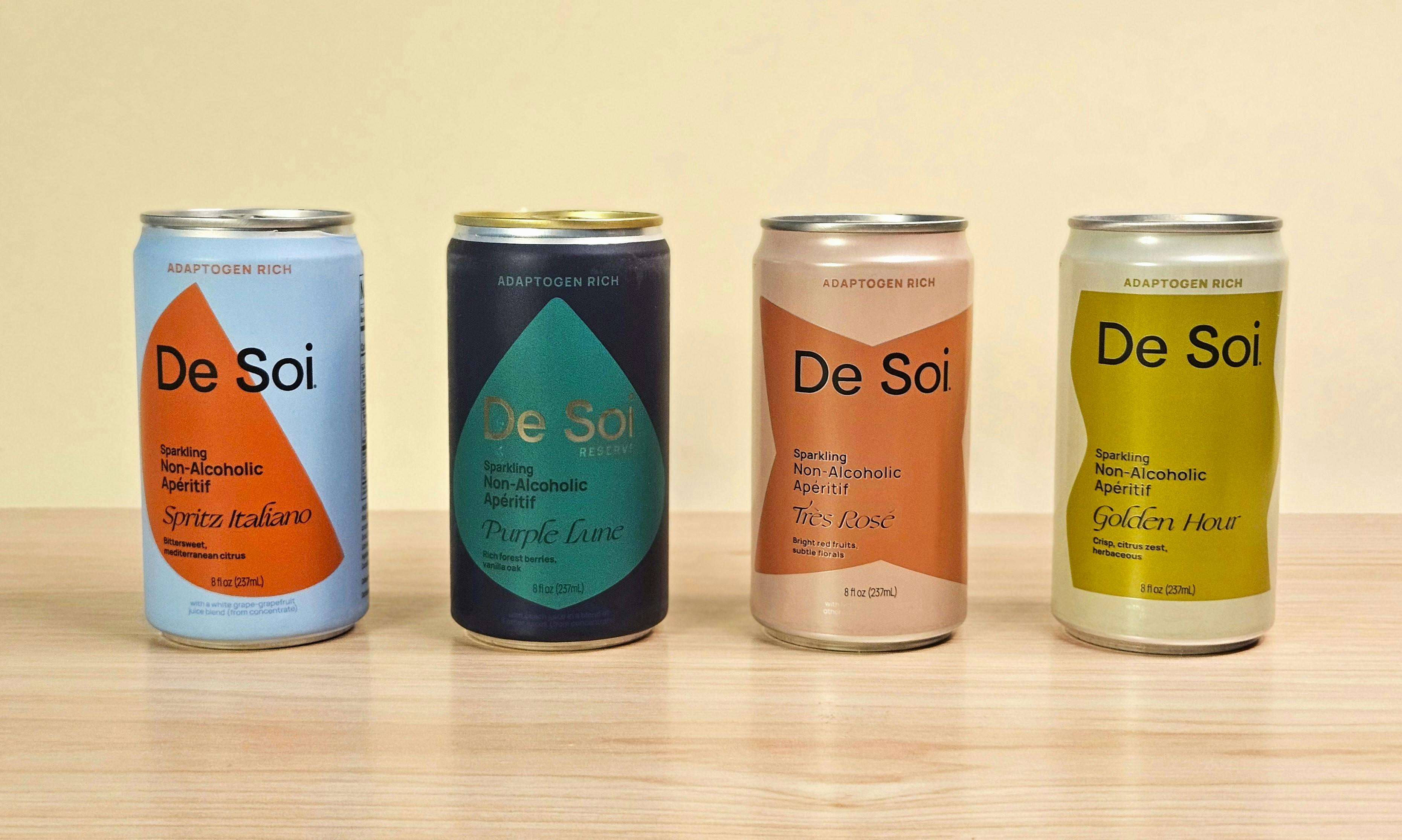
Okay, so you’re wondering, ‘What the heck is an adaptogen?’ Think of them as super-herbs and mushrooms. Stuff like ashwagandha, reishi, lion’s mane, ginseng. These guys have been used for centuries in traditional medicine to help your body adapt to stress. They’re like your body’s personal trainers for chill. So, when you mix these into a soda? You’re not just getting a tasty drink; you’re getting potential benefits like reduced anxiety, improved focus, and better mood. It’s functional beverages on a whole new level.
These aren’t your grandma’s sarsaparillas. We’re talking about sophisticated flavor profiles. Think ginger-lime, berry-hibiscus, or even grapefruit-rosemary. They’re crafted to be genuinely delicious, not just some medicinal concoction you have to choke down. They often use natural sweeteners too, so you’re not drowning in sugar like you are with a lot of traditional sodas or sugary cocktails. It’s the whole package: good for you, tastes amazing, and looks pretty darn good in your hand.
Gen Z’s New Go-Tos: The Alternatives They’re Actually Drinking
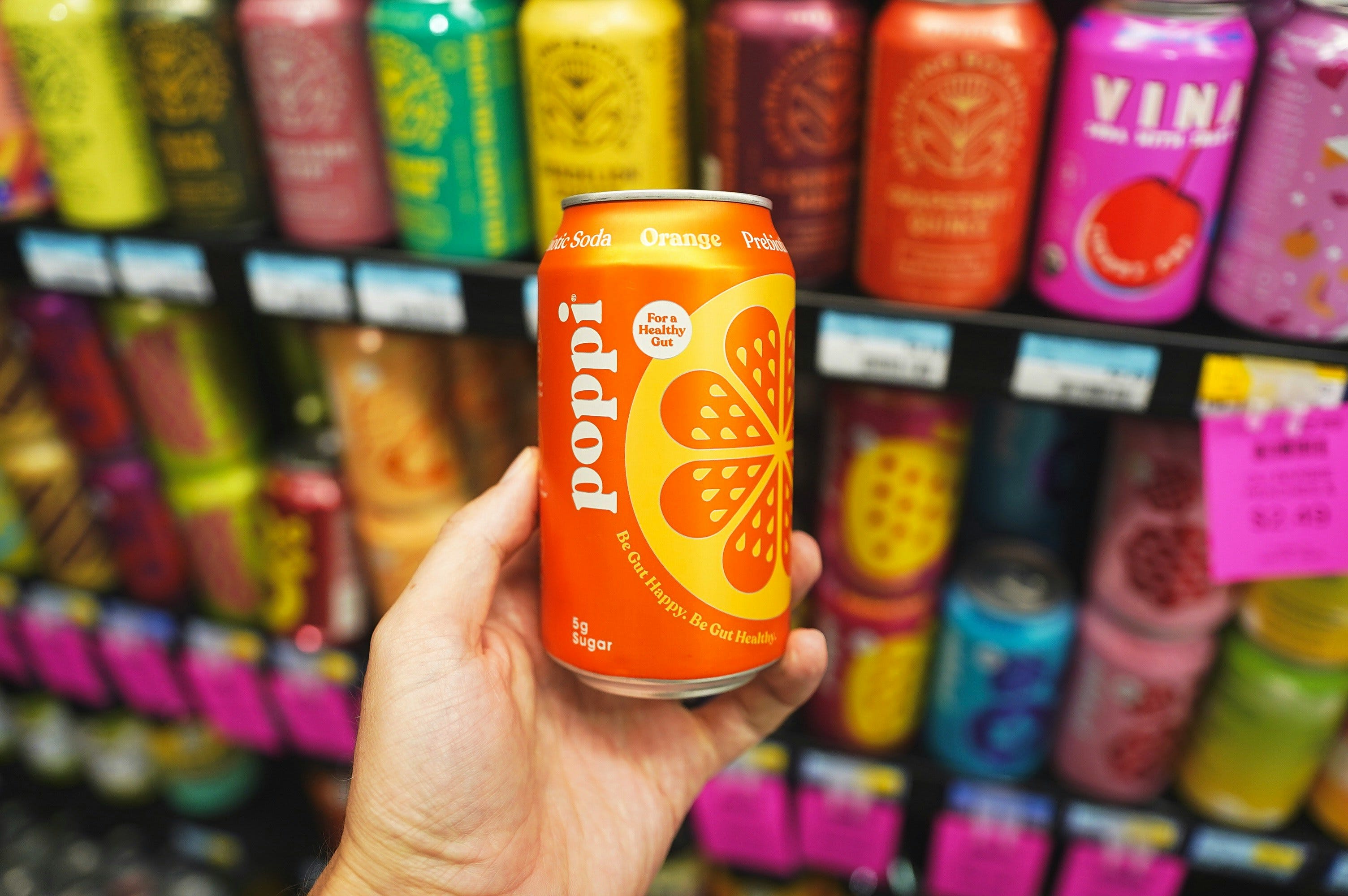
So, what’s actually in their glasses instead of beer or wine? A whole variety of things, but the adaptogenic sodas are definitely leading the charge. Brands like Kin Euphorics, Recess, and Ghia are blowing up. You’ll see them at trendy cafes, health food stores, and even popping up in mainstream supermarkets. People are grabbing a can of Recess for that afternoon slump instead of coffee, or reaching for a Kin Spritz to wind down after work instead of a glass of wine.
It’s not just the fancy adaptogen stuff, though. You’ve also got a resurgence in craft sodas that are just plain good and less sugary than the old-school brands. Think small-batch ginger ales, unique fruit-flavored sparkling waters, and kombucha – that fermented tea drink that’s been around for ages but is still super popular. The key is they offer flavor, fizz, and a bit of a ritual without the booze. It’s about creating a sophisticated drinking experience that aligns with their values.
Source : medium.com
The Real Deal with Adaptogens: Do They Work?
Look, I’m not a doctor, but I’ve seen enough to know that these adaptogens aren’t just snake oil. While the scientific research is still evolving, there’s a lot of anecdotal evidence and a long history of traditional use. People report feeling calmer, more focused, and less stressed when they incorporate adaptogen drinks into their routine. Take ashwagandha, for instance. It’s widely studied for its potential to help the body manage stress. It’s not a magic cure-all, but as part of a balanced lifestyle, these herbs can offer real benefits.
The key is to manage expectations. You’re not going to suddenly feel euphoric or ‘high’ from these drinks. That’s a common misconception, and we’ll get into that in the FAQ. Think of it more like gentle support. It’s about supporting your well-being in a subtle, natural way. It’s a proactive approach to feeling good, rather than a reactive one that involves numbing yourself with alcohol. It’s about enhancing your current state, not escaping from it.
The Hangover-Free High: It’s All About the Vibe
So, what are these Gen Z drinkers really after? It’s that feeling of being present, of enjoying the moment, of having a social drink without the consequences. They want the ritual of drinking, the clinking of glasses, the satisfying fizz – but without the brain fog, the bad decisions, and the crippling hangover. It’s a desire for coection and celebration, stripped down to its essence and elevated by ingredients that are actually good for them.
This isn’t just about abstinence; it’s about intentionality. It’s about choosing drinks that contribute positively to their lives. They’re curating their experiences. They’re looking for beverages that align with their lifestyle goals, which often include better sleep, sharper focus, and a more balanced emotional state. It’s a conscious choice to prioritize self-care, even when they’re out with friends. They want to feel good the next day, and the day after that.

Source : cleveland.com
The Bottom Line: This Trend is Here to Stay
Let’s get this straight: the era of alcohol being the default social lubricant is fading, especially for Gen Z. They’re forging a new path, one that prioritizes health, wellness, and intentionality. Adaptogenic sodas, functional beverages, and even just well-crafted non-alcoholic options are filling that void. They offer taste, experience, and benefits, all without the negative repercussions of alcohol. It’s a smarter, healthier way to socialize and unwind.
If you’re in the beverage industry, pay attention. If you’re a consumer, give them a try. These aren’t just trendy drinks; they represent a fundamental shift in how a generation chooses to socialize and care for themselves. It’s a sober curious movement that’s gaining serious momentum, and it’s rewriting the rules of what it means to have a good time. The future of social drinking is looking a whole lot clearer – and fizzier.
FAQs About Adaptogen Sodas and Alcohol Alternatives
What do Gen Z drink instead of alcohol?
Gen Z is reaching for a bunch of different things instead of alcohol. You’re seeing a huge surge in adaptogen sodas, which are fizzy drinks infused with stress-adapting herbs and mushrooms. Think brands like Recess or Kin. Kombucha is still big, along with other fermented drinks and craft sodas with interesting flavors. They’re also into sophisticated mocktails and sparkling waters that offer a bit more flair than plain old water. Basically, anything that provides flavor, fizz, and a social ritual without the alcohol is a wier.
Can adaptogen drinks replace alcohol?
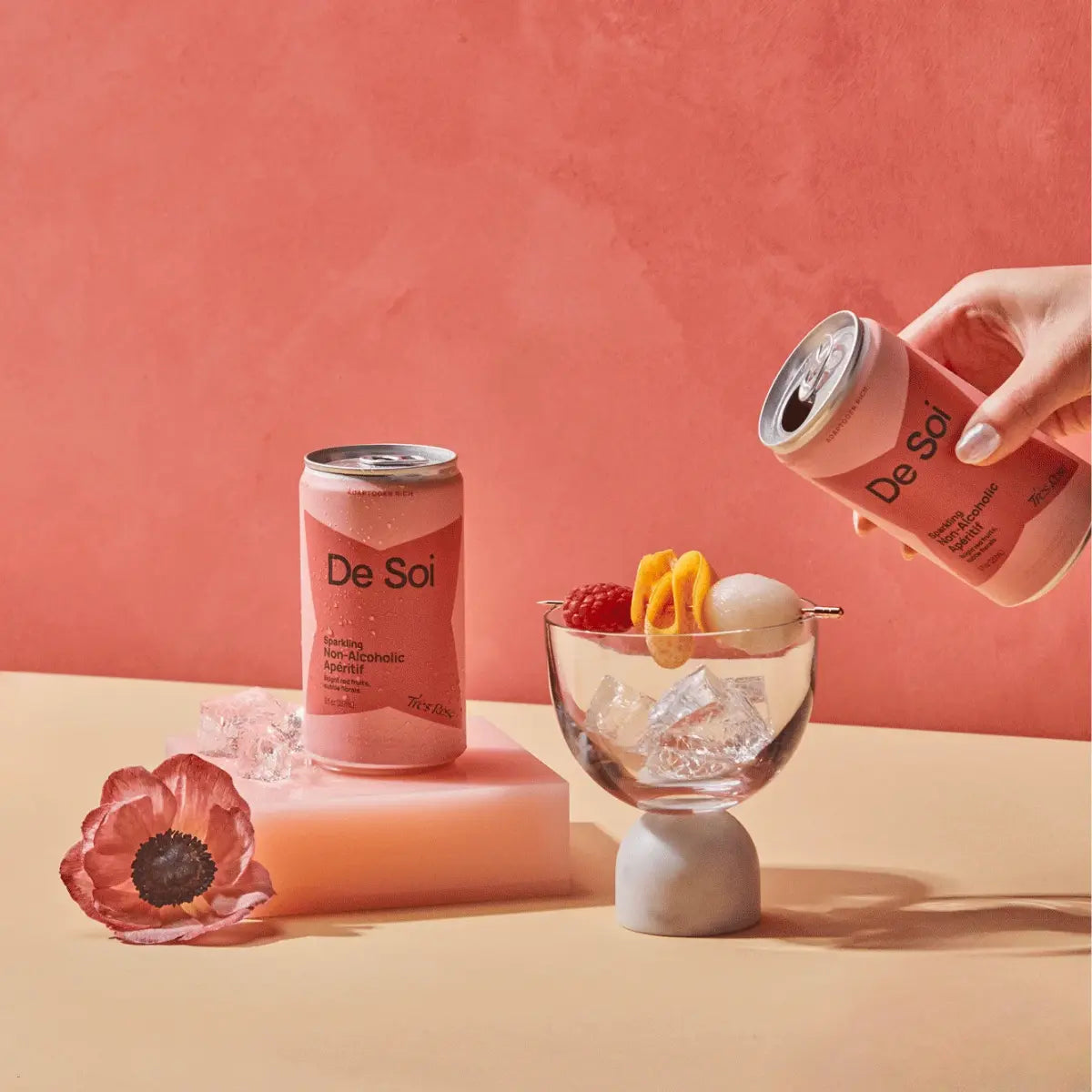
For many people, especially those looking for a social alternative to alcohol, adaptogen drinks can absolutely be a replacement. They offer a sophisticated beverage experience with interesting flavors and a nice mouthfeel, plus the added bonus of potential wellness benefits like stress reduction. They won’t give you the intoxicating ‘buzz’ of alcohol, but they fulfill the social ritual and provide a healthier way to unwind or celebrate. It’s about choosing a different kind of experience.
Source : drinkdesoi.com
Do adaptogen drinks get you high?
No, adaptogen drinks do not get you high. This is a really important distinction. Adaptogens are herbs and mushrooms like ashwagandha or reishi, which are known for their ability to help the body adapt to stress and promote balance. They don’t contain psychoactive compounds that alter your state of consciousness in the way that alcohol or THC does. You might feel more relaxed or focused, but it’s a subtle, natural effect, not an intoxicating high.
What are the benefits of adaptogen sodas?
The potential benefits of adaptogen sodas usually center around stress management and well-being. Ingredients like ashwagandha are thought to help reduce cortisol levels, leading to feelings of calm. Others, like lion’s mane mushroom, are associated with improved focus and cognitive function. Many users report feeling more balanced, less anxious, and generally more present after drinking them. Keep in mind, these effects can vary from person to person, and research is ongoing, but the goal is to support your body’s natural resilience.
Are adaptogen drinks safe for daily consumption?
For most healthy adults, adaptogen drinks are generally considered safe for daily consumption, especially when consumed in moderation. The key is to check the ingredient list and dosage. Some adaptogens are more potent than others, and it’s always a good idea to start slow and see how your body reacts. If you have any underlying health conditions or are taking medications, it’s wise to chat with your doctor first. Think of them as a supplement to a healthy lifestyle, not a replacement for balanced eating and self-care.
Frequently Asked Questions
-
What do Gen Z drink instead of alcohol?
Gen Z is reaching for a bunch of different things instead of alcohol. You’re seeing a huge surge in adaptogen sodas, which are fizzy drinks infused with stress-adapting herbs and mushrooms. Think brands like Recess or Kin. Kombucha is still big, along with other fermented drinks and craft sodas with interesting flavors. They’re also into sophisticated mocktails and sparkling waters that offer a bit more flair than plain old water. Basically, anything that provides flavor, fizz, and a social ritual without the alcohol is a wier.
-
Can adaptogen drinks replace alcohol?
For many people, especially those looking for a social alternative to alcohol, adaptogen drinks can absolutely be a replacement. They offer a sophisticated beverage experience with interesting flavors and a nice mouthfeel, plus the added bonus of potential wellness benefits like stress reduction. They won’t give you the intoxicating ‘buzz’ of alcohol, but they fulfill the social ritual and provide a healthier way to unwind or celebrate. It’s about choosing a different kind of experience.
-
Do adaptogen drinks get you high?
No, adaptogen drinks do not get you high. This is a really important distinction. Adaptogens are herbs and mushrooms like ashwagandha or reishi, which are known for their ability to help the body adapt to stress and promote balance. They don’t contain psychoactive compounds that alter your state of consciousness in the way that alcohol or THC does. You might feel more relaxed or focused, but it’s a subtle, natural effect, not an intoxicating high.
-
What are the benefits of adaptogen sodas?
The potential benefits of adaptogen sodas usually center around stress management and well-being. Ingredients like ashwagandha are thought to help reduce cortisol levels, leading to feelings of calm. Others, like lion’s mane mushroom, are associated with improved focus and cognitive function. Many users report feeling more balanced, less anxious, and generally more present after drinking them. Keep in mind, these effects can vary from person to person, and research is ongoing, but the goal is to support your body’s natural resilience.
-
Are adaptogen drinks safe for daily consumption?
For most healthy adults, adaptogen drinks are generally considered safe for daily consumption, especially when consumed in moderation. The key is to check the ingredient list and dosage. Some adaptogens are more potent than others, and it’s always a good idea to start slow and see how your body reacts. If you have any underlying health conditions or are taking medications, it’s wise to chat with your doctor first. Think of them as a supplement to a healthy lifestyle, not a replacement for balanced eating and self-care.