The E-Bike Invasion: Cities Are Finally Catching On
Forget the image of dusty old bikes chained to a rack. We’re talking about a full-on e-bike revolution, and cities are scrambling to keep up. E-bikes aren’t just a fad; they’re rewriting the rules of urban transport. Suddenly, hills aren’t a barrier, long commutes feel manageable, and carrying groceries (or kids!) is no big deal. This shift is forcing city plaers to rethink everything, from bike lanes to parking. It’s a messy, exciting, and absolutely necessary overhaul. Let’s dive into how cities are actually doing this, not just talking about it.

Source : myscience.ch
Bike Lanes Get an Upgrade
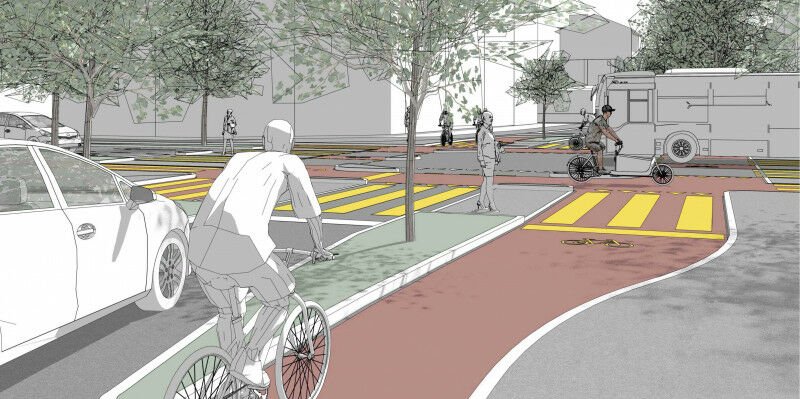
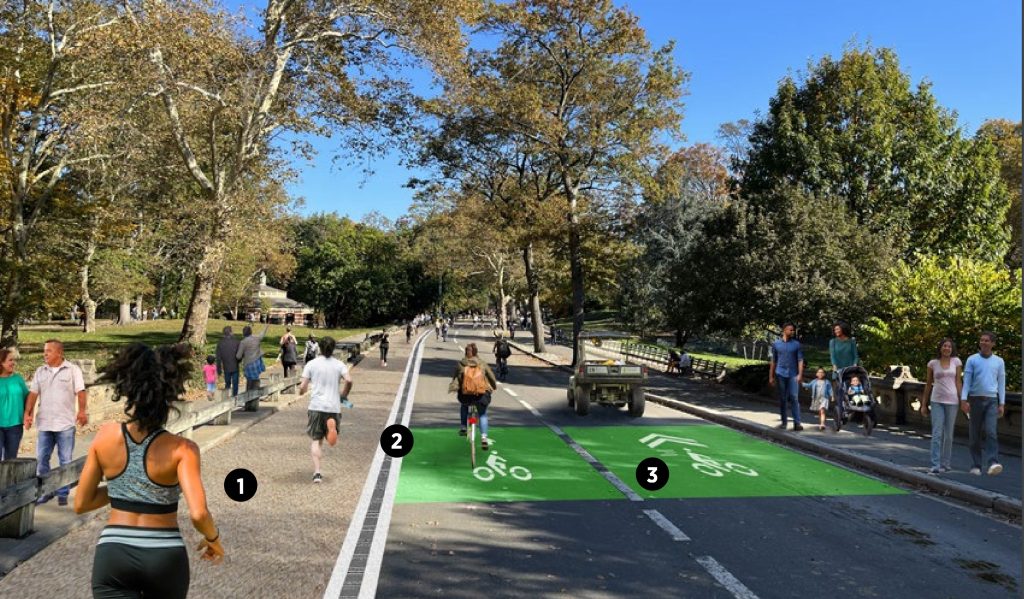
Remember those flimsy painted lines on the road? Yeah, those aren’t cutting it anymore. E-bikes are heavier, faster, and frankly, they deserve better. Cities are starting to build protected bike lanes. Think concrete barriers, planters, even bollards separating you from angry taxi drivers. It’s about making cycling feel safe enough for everyone, not just spandex-clad daredevils. Places like New York and Mieapolis have been aggressive here, creating dedicated arteries for bikes that actually feel secure. This isn’t just about convenience; it’s a safety imperative. When people feel safe, they ride more. Simple as that.
Source : nyc.streetsblog.org
From Parking Spots to Charging Stations
Where do you park an e-bike? And how do you charge it? These aren’t trivial questions when you’ve got thousands of these things zipping around. Some cities are repurposing old parking meters or even entire parking spots for e-bike racks. Others are experimenting with dedicated charging hubs. Imagine grabbing a coffee and plugging in your ride. It sounds simple, but it requires serious infrastructure plaing. We’re seeing pilot programs pop up in places like Portland, where they’re testing different models for e-bike parking solutions. It’s a work in progress, but the commitment is there.
The ‘Road Diet’ Revolution
This is a big one. Cities are literally taking space away from cars. It’s called a ‘road diet,’ and it usually means reducing the number of car lanes, sometimes from four down to two. That freed-up space? It can become a wider, safer bike lane, a pedestrian walkway, or even green space. Sounds radical, right? But studies show it often calms traffic and can even improve travel times for all modes. Denver, for instance, has been aggressively implementing road diets, seeing real benefits for cyclists and pedestrians alike. It’s a bold urban plaing move that’s proving effective.
E-Bikes Mean Business (Literally)
Source : nsl.ethz.ch
Local businesses are seeing the light. Delivery services are ditching vans for cargo e-bikes. Cafes and shops are installing bike racks right out front. Why? Because e-bikes give people access to local businesses without the hassle of finding (and paying for) parking. Think about it: a shopper can easily load up bags onto a cargo e-bike and be on their way. Some cities are even offering incentives for businesses to adopt e-bike fleets. It’s a win-win: businesses reach more customers, and cities get fewer cars clogging up the streets. This symbiotic relationship is key to sustainable local economies.
Rethinking Traffic Signals and Signage
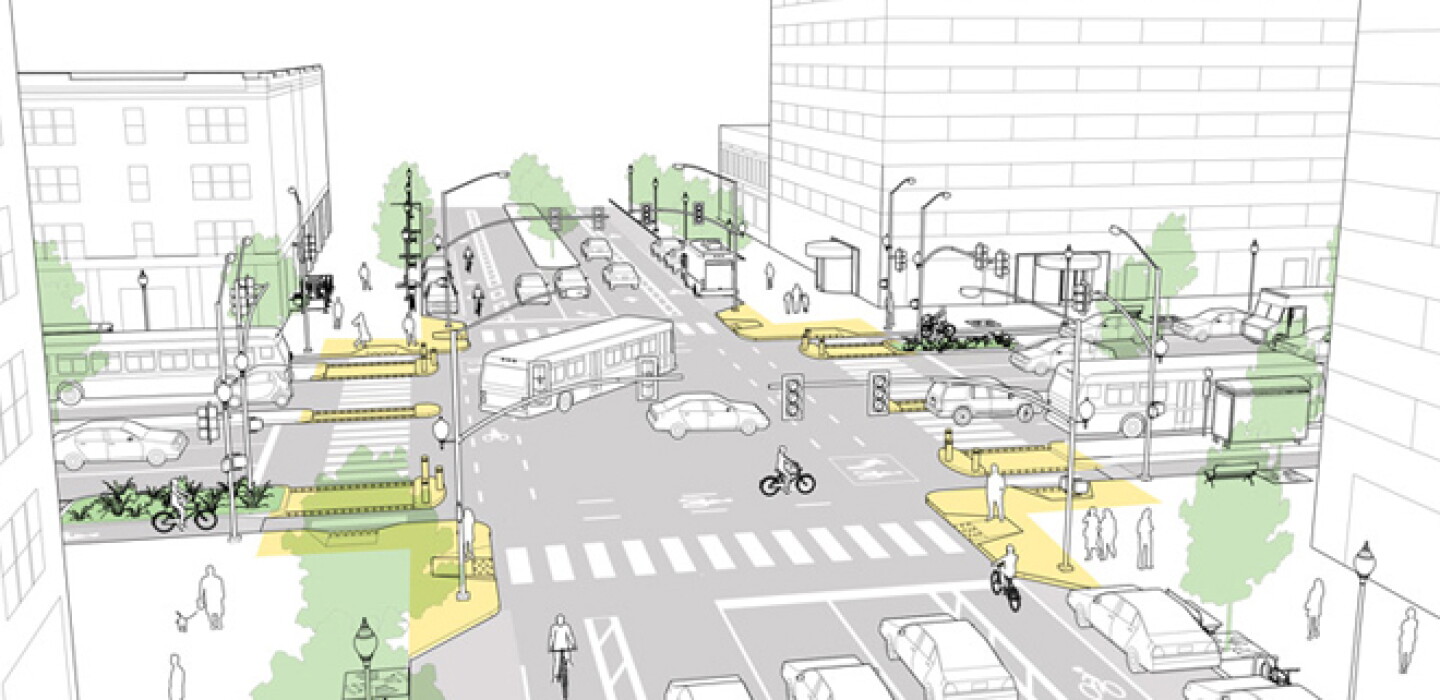
Traffic signals are still largely car-centric. That’s got to change. Cities are starting to experiment with dedicated e-bike signal phases, giving cyclists a head start at intersections. They’re also improving signage, making it clearer where bikes should go and what rules apply. It’s about creating a predictable environment for everyone. When you know what to expect, you feel safer. Think about cities in Europe where bike infrastructure is deeply integrated; we’re starting to see that level of thoughtfulness here. It’s a crucial step toward equitable street design.
The Cargo Bike Boom: Hauling More Than Just People
These aren’t your average bikes. Cargo e-bikes are transforming urban logistics. Picture a plumber arriving at a job site on a powerful electric cargo bike, tools neatly stowed. Or a parent dropping kids at school with plenty of room for backpacks. They’re quiet, efficient, and can navigate traffic jams that would stop a car dead. Cities are starting to recognize their potential, offering subsidies or dedicated lanes for these workhorses. It’s a logistics revolution happening on two wheels.

Source : governing.com
Pilot Programs: Testing the Waters
Not every city can just rip up its streets overnight. That’s why pilot programs are so important. Cities are trying out new bike lane configurations, e-bike parking ideas, and charging solutions on a smaller scale. They gather data, see what works, and then scale up. Programs in cities like Boulder and Austin are providing invaluable insights into what riders actually need and want. It’s a smart, iterative approach to urban mobility iovation.
The Public’s Role: Demanding Change
Let’s be real: this stuff doesn’t happen magically. It happens because people demand it. Cycling advocacy groups are pushing hard for better infrastructure. Community members show up to city council meetings. They write letters. They organize. Look at the work done by organizations like the Institute for Transportation and Development Policy; they provide research and advocacy that pushes cities forward. It’s the citizen pressure that makes elected officials take notice and act. We need more of it.
Source : govtech.com
Challenges Remain: It’s Not All Smooth Sailing
Of course, it’s not perfect. There are still debates about e-bike speed classes, where they belong on multi-use paths, and the cost of building all this new infrastructure. NIMBYism (Not In My Backyard) is a real hurdle. Some people just don’t want change, especially if it means fewer car lanes. Funding is always an issue. But the momentum is undeniable. As more people embrace e-bikes, the demand for better streets will only grow. The challenge is to keep the pressure on and ensure these changes benefit everyone, not just the early adopters. It’s about creating truly livable cities.
The Future is Electric (and Two-Wheeled)
Cities are waking up. They’re seeing that e-bikes aren’t just a niche product; they’re a powerful tool for creating cleaner, quieter, more accessible urban environments. Redesigning streets is a complex, ongoing process, but the direction is clear. We’re moving towards a future where cycling, especially electric-assisted cycling, is a central part of how we get around. It’s about reclaiming our streets for people, not just cars. And frankly, it’s about time.
Frequently Asked Questions about E-Bikes in Cities
In what states are e-bikes street legal?
Most states are pretty on board with e-bikes these days. They typically fall into three classes: Class 1 (pedal-assist, max 20 mph), Class 2 (throttle-assisted, max 20 mph), and Class 3 (pedal-assist, max 28 mph). Generally, Class 1 and 2 are allowed anywhere a regular bike can go. Class 3 might have some restrictions, like not being allowed on bike paths. States like California, New York, and Texas have clear laws defining these classes. Honestly, it’s pretty much nationwide acceptance at this point, but always good to double-check local ordinances if you’re unsure.
What city has the most e-bikes?
This is tricky to track precisely because registration isn’t always required. However, cities known for strong cycling cultures and forward-thinking infrastructure tend to have the highest adoption rates. Think of places like Portland, Oregon; Boulder, Colorado; and parts of California like San Francisco and Davis. Internationally, cities in the Netherlands and Denmark are leaders, but looking at US cities, the dense, bike-friendly ones are definitely leading the charge for e-bike density.
What’s the average lifespan of an e-bike?
It really varies, but you can generally expect an e-bike to last anywhere from 3 to 10 years. The battery is usually the first thing to go, typically lasting 3-5 years or around 500-1000 charge cycles. The motor and other components can last much longer if you maintain them well. Think of it like a car: regular maintenance, keeping it clean, and not riding it like a maniac will significantly extend its life. So, while the initial investment might seem high, the long-term value is definitely there.
How are cities encouraging e-bike purchases?
Cities are getting creative! Many offer direct rebates or tax credits to make e-bikes more affordable. Denver, for example, has run successful programs giving residents discounts on e-bike purchases. Others are partnering with employers to offer commuter benefits that cover e-bikes. Some initiatives focus specifically on low-income residents to ensure equitable access to this transportation option. It’s all about removing financial barriers and highlighting the benefits, like reduced transportation costs and environmental impact.
What are the biggest challenges cities face when redesigning streets for e-bikes?
Oh, plenty. The biggest hurdle is often just finding the space and the political will to take car lanes away. Funding is a constant battle – building protected lanes and charging infrastructure isn’t cheap. Then there’s the public pushback; not everyone loves the idea of fewer car spaces. We also need better data collection to understand usage patterns and adapt designs accordingly. Finally, ensuring that these improvements are accessible to all residents, not just the affluent, is a major ongoing challenge for inclusive urban plaing.