Micro-Mobility: Revolutionizing How We Move Through Cities
Forget the traffic jams. Seriously. The way we navigate our cities is getting a serious shake-up, and it’s not just about electric cars getting all the glory. We’re talking about the little guys: scooters, e-bikes, and all those other zippy, single-person vehicles. This whole micro-mobility movement? It’s not just a trend; it’s a fundamental shift in urban transportation. And honestly, it’s about damn time we talked about it.

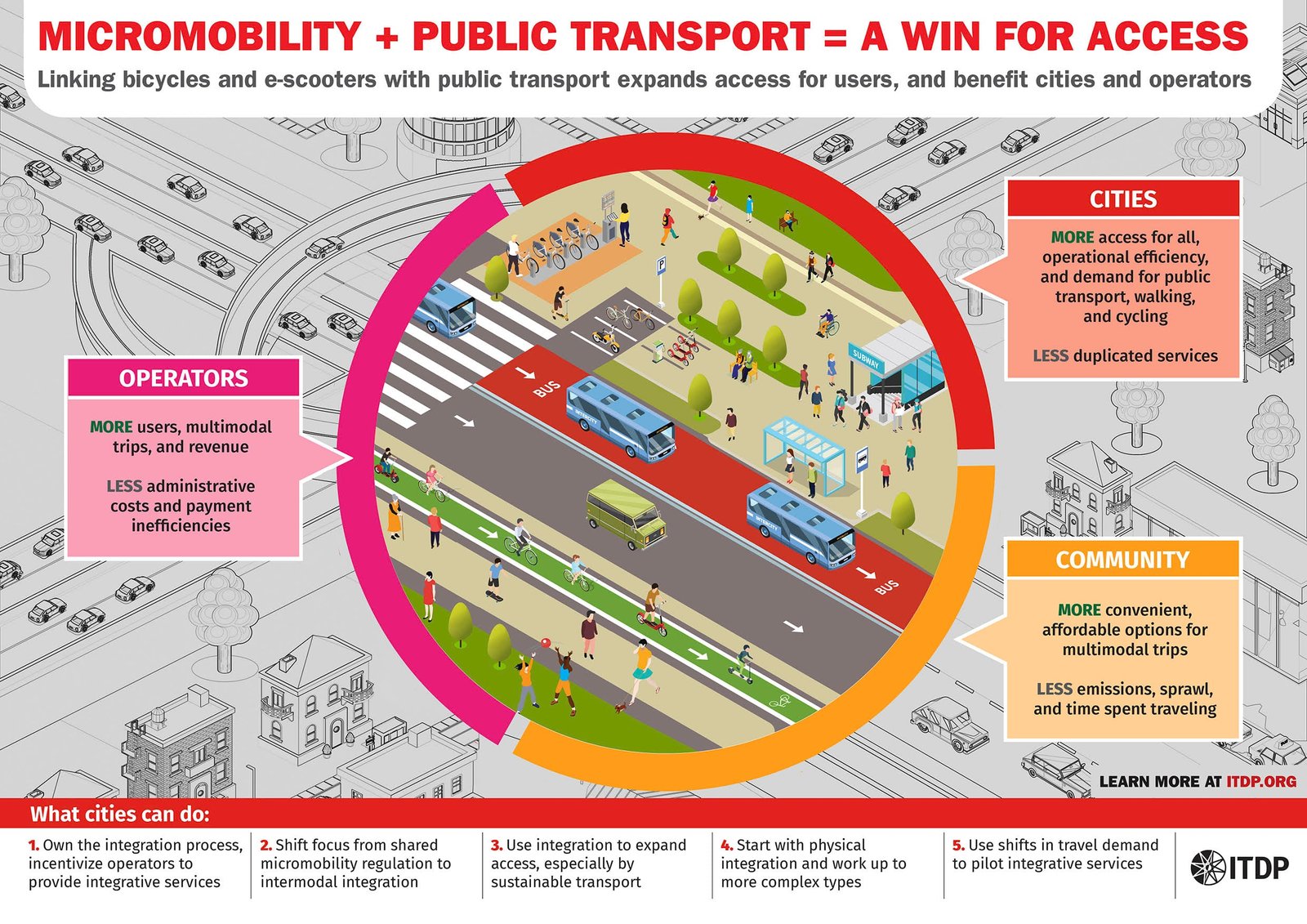
Source : itdp.org
Think about your daily commute. For years, it’s been the same old song and dance: fight for a parking spot, crawl in traffic, or cram yourself onto a packed train. It’s exhausting. But now? Now we’ve got these slick, nimble options that can get us from point A to point B without losing our minds. It’s changing the game, plain and simple.
The Road So Far: A Quick Trip Down Memory Lane

Source : m.soundcloud.com
Let’s be real, the idea of small, personal transport isn’t exactly new. People have been using bikes for centuries. But what’s different now is the tech. Those old-school cruisers? They’ve gotten a high-tech makeover with electric motors and smart connectivity. This isn’t your grandpa’s penny-farthing we’re talking about here.
Remember when those first shared electric scooters popped up seemingly overnight? It was chaos for some, a revelation for others. Cities scrambled to figure out regulations, and we all awkwardly learned how to ride them without falling flat on our faces. But beneath the initial buzz and the occasional sidewalk hazard, something important was happening. A new layer of mobility was being added to the urban fabric.
This surge in micro-mobility isn’t just about convenience, though that’s a huge part of it. It’s deeply tied to broader issues like sustainability and making cities more livable. We’re talking about reducing carbon footprints, cutting down on noise pollution, and freeing up valuable urban space that’s currently choked by cars. It’s a complex puzzle, and these little vehicles are a crucial piece.
The data backs this up. Studies are showing how these services can actually complement public transit, filling in those “last mile” gaps. You hop off the train, grab a nearby scooter, and you’re at your office in minutes. It makes the whole journey smoother. This whole shift is about giving people more choices and making city living a whole lot less painful. For a deeper dive into the research, check out this analysis of shared mobility.
What Exactly Is Micro-Mobility?
Source : n-catt.org
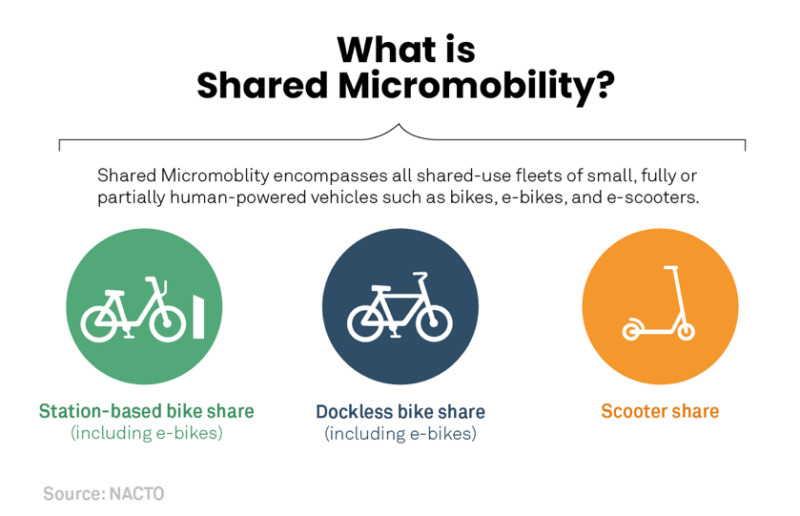
Alright, let’s cut through the jargon. At its core, micro-mobility refers to lightweight, often electric-powered vehicles designed for individual use over short distances. Think of it as the gear you use when a car is overkill and walking is too slow.
These aren’t your souped-up motorcycles. We’re talking about vehicles typically designed for one rider. They’re nimble, easy to park (or, let’s be honest, sometimes not so easy to park), and they’re increasingly battery-powered, which is a big win for the environment.
The Usual Suspects: Your Micro-Mobility Toolkit
So, what kind of rides are we actually talking about? It’s a growing family, but here are the main players you’ll see zipping around:
Electric Scooters
The rockstars of the micro-mobility world. These are the stand-up scooters you see everywhere. Quick, convenient for short hops, and surprisingly fun. They’re great for beating short-distance traffic and getting around busy downtown areas.
E-Bikes
Bicycles with an electric motor to give you a boost. Perfect for longer distances than a scooter, or for tackling those killer city hills without breaking a sweat. They offer a more traditional cycling feel but with less effort required.
Shared Bicycles
The classic, dockless or docked bikes. Still a fantastic option for shorter trips and getting some exercise. They’re everywhere, making them super accessible for a quick ride across town.
Electric Skateboards and Unicycles
These are more niche, definitely for the adventurous. They require a bit more skill (and balance!) but offer a unique way to get around for those who embrace them. They’re a true sign of personal mobility innovation.
Mopeds and Small Electric Scooters
These are a step up in size and speed from the kick scooters. Often electric, they can handle slightly longer distances and faster speeds, blurring the lines a bit with traditional scooters but still fitting the lightweight, personal transport mold.
The beauty of this whole lineup? Choice. You can pick the ride that best suits your needs for that specific trip. Need to go five blocks? Scooter. Need to cross town with a slight incline? E-bike. It’s all about fitting the tool to the task.
E-Bikes vs E-Scooters: Which is Better for Commuting?

Source : macfoxbike.com
Alright, let’s cut to the chase. You’re wondering if you should grab one of those zippye-scooters or a beefier e-bike for your daily grind. Honestly? It’s not even a contest for most folks. Look, scooters are fun for short hops, like grabbing coffee or a quick dash across a few blocks. They’re easy to park, sure. But for actual commuting? Especially if you’ve got any distance to cover, hills to climb, or, heaven forbid, actual weather to contend with? E-bikes win, hands down.
Think about it. An e-bike gives you that cycling feel, plus a boost. You’re sitting higher, more stable, and honestly, you feel way more in control. Plus, the range on most e-bikes blows scooters out of the water. You’re not going to run out of juice halfway to work. And if the battery does die? You’ve still got pedals. You’re not stuck pushing a glorified skateboard.
Scooters? They’re great for what they are. Short, fun, point-to-point trips. But if your commute involves more than, say, a mile or two, or if you need to carry anything more than your phone and wallet? You’re going to regret not having those extra wheels and that better stability. It’s about practicality. And for commuting, practicality usually trumps novelty.
E-Bike Power & Range
Scooter Portability & Convenience
Commuting Comfort: E-Bike vs. E-Scooter
The Rise of Folding Commuter Vehicles
Source : bbc.com
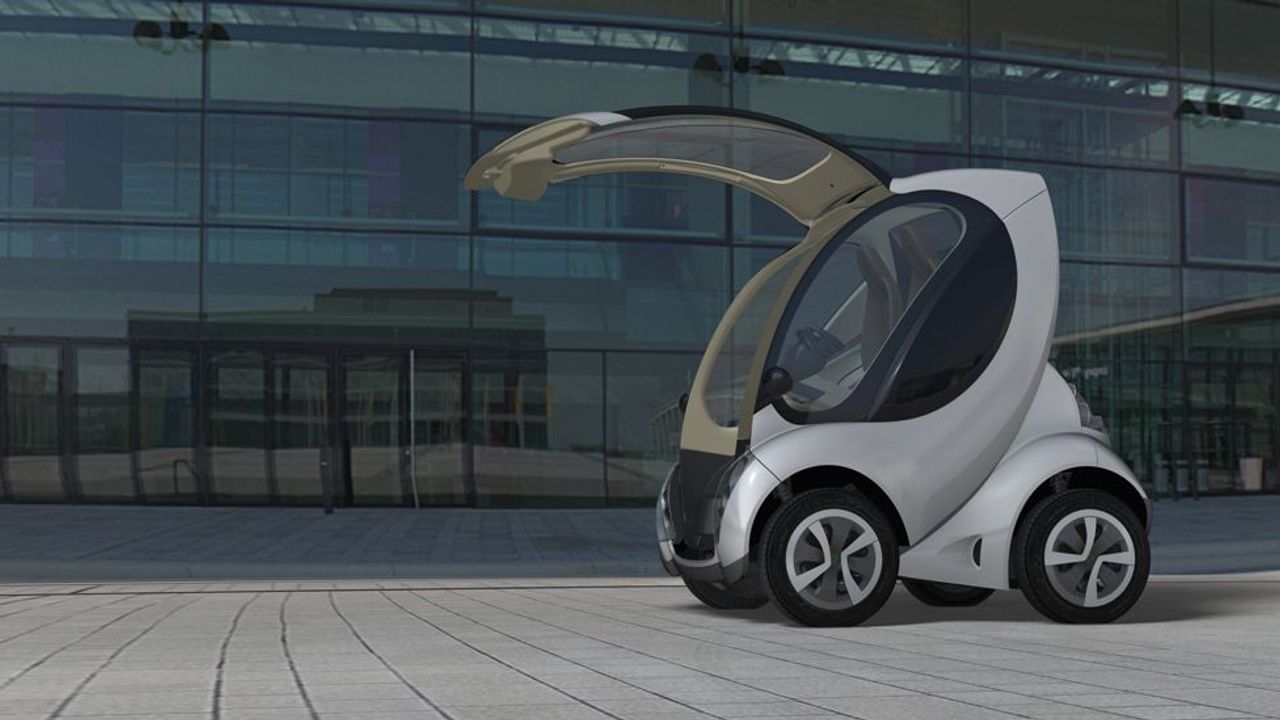
Okay, so you’ve got the e-bike versus e-scooter debate sorted. Now, what about space? This is where the folding commuter vehicle really shines, especially if you’ve got a multi-modal commute or live in a shoebox apartment. I’m talking about bikes and scooters designed to fold down into something small enough to stash under your desk or shove into the trunk of your car. Genius, right?
I’ve seen people wrestling full-sized bikes onto crowded subway cars. Nightmare fuel. A good folding bike? It collapses down in seconds. You can literally carry it with you. It’s a total game-changer for city dwellers who need flexibility. No more worrying about bike racks or bike theft when you get to your destination. Just fold it up and go.
And it’s not just bikes. Some electric scooters fold too, though they tend to be a bit bulkier than their non-electric counterparts when folded. Still, the principle is the same: portability. If your commute involves hopping between public transit and your final destination, or if you need to store your ride indoors, a folding commuter is a seriously smart investment.
Space-Saving Folding Bikes
Compact Folding Scooters
Integrating Folding Rides with Public Transit
Safety Gear Innovations for Micro-Mobility Riders
Source : transformainsights.com
Let’s be real. Riding an e-bike or e-scooter in traffic can be sketchy. Even with the best intentions, other drivers might not see you. That’s why the safety gear scene is exploding. We’re not just talking about basic helmets anymore. We’re seeing some seriously cool tech designed to keep micro-mobility riders safe and sound.
Helmets are still king, obviously. But now you can get helmets with integrated lights, turn signals, even brake lights. Imagine: you’re slowing down, and a bright red light flashes on the back of your helmet. Drivers see that. It’s simple, but effective. And then there are the smart lights for your bike or scooter itself. Lights that adjust brightness based on ambient conditions? Yes, please.
Visibility is huge. Anything that makes you more noticeable to cars, pedestrians, and other cyclists is a win. Think reflective clothing that actually looks stylish, not like you’re directing traffic. Or even small wearable lights you can clip onto your jacket or backpack. It’s all about making sure you’re seen, especially when you’re navigating those tricky urban streets.
Smart Helmets with Integrated Tech
High-Visibility Clothing and Accessories
Protective Gear for E-Scooter Riders
How Cities are Redesigning Streets for E-Bikes

Source : myscience.ch
This is the stuff that gets me excited. Cities are finally waking up. They’re realizing that we can’t just cram more cars into the same old roads. So, what are they doing? They’re actually building infrastructure for things like e-bikes. It’s about time!
We’re seeing more protected bike lanes popping up. These aren’t just painted lines on the side of the road anymore. We’re talking about actual physical barriers – curbs, planters, bollards – separating cyclists from moving traffic. It makes a massive difference in how safe people feel riding. Suddenly, commuting by bike doesn’t feel like a daredevil act.
And it’s not just lanes. Cities are looking at traffic calming measures, reducing speed limits, and creating shared-use paths. The goal is to make streets safer and more accessible for everyone, not just cars. You can find some really useful tools and guidelines on this from the Federal Highway Administration. It’s a slow process, but seeing these street redesigns happen is a huge step forward for micro-mobility.
Protected Bike Lane Networks
Traffic Calming and Shared Streets
The Role of Public Transit Integration
The Best Cargo E-Bikes for Grocery Runs

Source : bicycling.com
Forget the minivan for your weekly shop. If you’re serious about ditching the car for errands, you need a cargo e-bike. These things are beasts. They’re built to haul serious weight, whether it’s bags of groceries, kids, or even a week’s worth of dog food. Seriously, these rigs can replace a small car for local trips.
You’ve got a few main types. There are the longtails, which just have an extended rear rack. Simple, effective, and still relatively nimble. Then you get into the front-loaders, often called “bakfiets” or box bikes. These have a big cargo area right in front of the handlebars. They’re super stable with heavy loads, but you need a bit more space to maneuver them.
The electric assist is non-negotiable here. Trying to haul 50 pounds of groceries up a hill without a motor? No thanks. The motor takes the strain out of it, making it genuinely feasible. Plus, with the right setup, you can carry a surprising amount. Think two or three full reusable bags, easily. It’s a fantastic way to cut down on car trips and get some exercise while you’re at it. Definitely look into a reliable cargo e-bike if you’re doing regular shopping.
Longtail Cargo E-Bikes Explained
Front-Loading Cargo Bikes (Bakfiets)
Choosing the Right Cargo E-Bike for Your Needs
| Vehicle Type | Typical Range (Miles) | Cargo Capacity (lbs) | Best For | Price Range ($) |
|---|---|---|---|---|
| Standard E-Bike | 20-60 | Up to 250 | Commuting, Fitness | 1,200 – 4,000+ |
| E-Scooter | 10-30 | Up to 220 | Short Trips, Last-Mile | 300 – 1,500 |
| Folding E-Bike | 15-40 | Up to 200 | Multi-Modal Commutes, Storage | 1,000 – 3,000 |
| Cargo E-Bike (Longtail) | 25-70 | Up to 400 | Groceries, Kids, Errands | 2,000 – 6,000+ |
| Cargo E-Bike (Front-Loader) | 20-60 | Up to 500 | Heavy Loads, Large Items | 2,500 – 7,000+ |
Frequently Asked Questions
-
What is micromobility transportation?
Look, it’s pretty simple. Micromobility transportation is all about those small, personal vehicles zipping around cities. Think electric scooters, bikes, and maybe even those electric skateboards. They’re designed for short trips, getting you from point A to point B when a car is overkill and walking is too slow. It’s changing how we move around town, one short ride at a time.
-
What is the difference between transportation and urban mobility?
Okay, so ‘transportation’ is the broad idea of moving people or goods from one place to another. ‘Urban mobility‘, though? That’s more specific to cities. It’s about how people navigate within an urban environment, considering all the options – walking, biking, scooters, public transit, cars, you name it. It’s the whole system, not just one piece of it. It’s about efficiency and access in the city jungle.
-
What are the types of micromobility vehicles?
You’ve got your usual suspects, right? Electric scooters are everywhere, those stand-up ones. Then there are the shared electric bikes, often found docked or dockless. You’ll also see regular pedal bikes, sometimes in dedicated city programs. And sometimes, you even spot electric skateboards or unicycles, though they’re less common for widespread use. It’s a growing bunch!
-
How is micromobility impacting city plaing?
Cities are scrambling to keep up, honestly. Plaers are now thinking about dedicated lanes for scooters and bikes, figuring out where to put charging stations, and dealing with parking chaos. It’s forcing them to rethink street space, public transit integration, and how to make cities more livable, less car-centric. It’s a big shift.
-
What are the biggest challenges for micromobility?
Where do I start? Safety is a huge one – people riding on sidewalks, not wearing helmets. Then there’s the clutter; scooters left everywhere. Regulations are a mess, and cities struggle to balance iovation with public safety. Plus, keeping these shared vehicles maintained and charged? That’s a whole other headache. It’s not all smooth sailing.