Ditch the Car, Grab a Cargo E-Bike: Your Grocery Game-Changer
Okay, let’s be real. Hauling groceries is a drag. You wrestle with flimsy bags, make three trips from the car, and somehow always forget the milk. Sound familiar? Yeah, me too. But what if I told you there’s a way to make it actually… enjoyable? Enter the cargo e-bike. Forget those clunky minivans for a quick trip to the store; these beasts are built to carry your world, and they do it with electric-assist swagger. We’re talking serious hauling capacity, stable rides, and the sheer fun of zipping past traffic.

Source : bicycling.com
Why Bother With a Cargo E-Bike?
Look, I love my car for long road trips, don’t get me wrong. But for everyday stuff? Especially those grocery runs? It’s overkill. Parking is a nightmare, gas prices are wild, and honestly, it’s just not that efficient for short hops. A cargo e-bike, though? That’s where the magic happens. You get exercise (sort of!), fresh air, and you can pack way more than you think. Plus, no parking headaches. Ever. I ditched my second car specifically for a cargo bike, and honestly, best decision ever.
Think about it: you can strap on paiers, a front basket, maybe even a kid seat. We’re talking about replacing a small SUV for your weekly shop. The electric assist? It’s not cheating; it’s smart engineering. It means you can tackle hills without breaking a sweat, haul a week’s worth of groceries (including that giant watermelon), and still arrive at your destination feeling fresh, not like you just ran a marathon. It’s pure freedom, really.
What Makes a Cargo E-Bike Good for Groceries?
Source : outdoorgearlab.com
Not all cargo bikes are created equal, especially when your mission is to bring home the bacon (and the kale). You need something stable, with plenty of carrying capacity. That usually means a longer wheelbase or a sturdy front rack/basket setup. Power matters, too. You want a motor that can handle the weight without bogging down, especially if you live anywhere with inclines. Battery life is obviously key – you don’t want to run out of juice halfway home with two frozen pizzas.
A few key things to hunt for:
- Stability: A longer wheelbase or a well-designed front end makes a huge difference. You don’t want to feel like you’re wrestling a bear when it’s loaded up.
- Load Capacity: Check the specs! How much weight can the bike actually carry? Consider both the rider weight plus the cargo.
- Motor Power & Torque: You need enough grunt to move that extra weight, especially on hills. Look for at least a 500W motor, maybe more if you’re a serious climber.
- Battery Size: Bigger is generally better for range. A 400Wh battery might be okay for short trips, but 600Wh+ is ideal for longer hauls or heavier loads.
- Braking: Seriously, don’t skimp here. Powerful hydraulic disc brakes are a must when you’re stopping a heavy, loaded bike.
- Gearing: Wide-range gearing helps, especially if you find yourself pedaling hard without the motor’s full assistance.
And don’t forget the accessories! A good set of paiers or a sturdy front basket can make or break your grocery-hauling experience. Some bikes come pre-rigged, others you’ll need to add. Think about what you typically buy and plan accordingly. For me, it was all about finding a bike that could handle my weekly Costco run. That meant looking for serious cargo space.
Longtail vs. Front Loader: Which Style Reigns Supreme for Groceries?
This is the big debate, right? Longtail or front loader? Both have their pros and cons for grocery duty. Longtails have a longer rear rack, basically extending the bike’s frame. They tend to feel more like a regular bike to ride and are often super stable when loaded. You can usually strap tons of stuff on the back, or add paiers. Think of the Rad Power RadWagon 5; it’s a classic longtail that’s built for serious hauling.
Front loaders, on the other hand, have a big basket or rack built into the front, often attached to the frame itself. This keeps the weight low and centered, which can be incredibly stable, especially at speed. Bikes like the Tern GSD (though a bit pricier) excel here. The downside? They can feel a little more cumbersome to steer at first, and you need to be mindful of how you pack that front load so it doesn’t block your view or affect steering too much. For pure grocery volume, I’ve found the longtails often edge out the front loaders, especially if you add large paiers.
Top Cargo E-Bikes That Crush Grocery Runs
Alright, let’s get down to business. If you’re ready to ditch the car keys for your grocery trips, here are some of the heavy hitters. These aren’t just bikes; they’re your new grocery-getting partners.

Source : bicycling.com
1. The All-Rounder: Aventon Abound LR
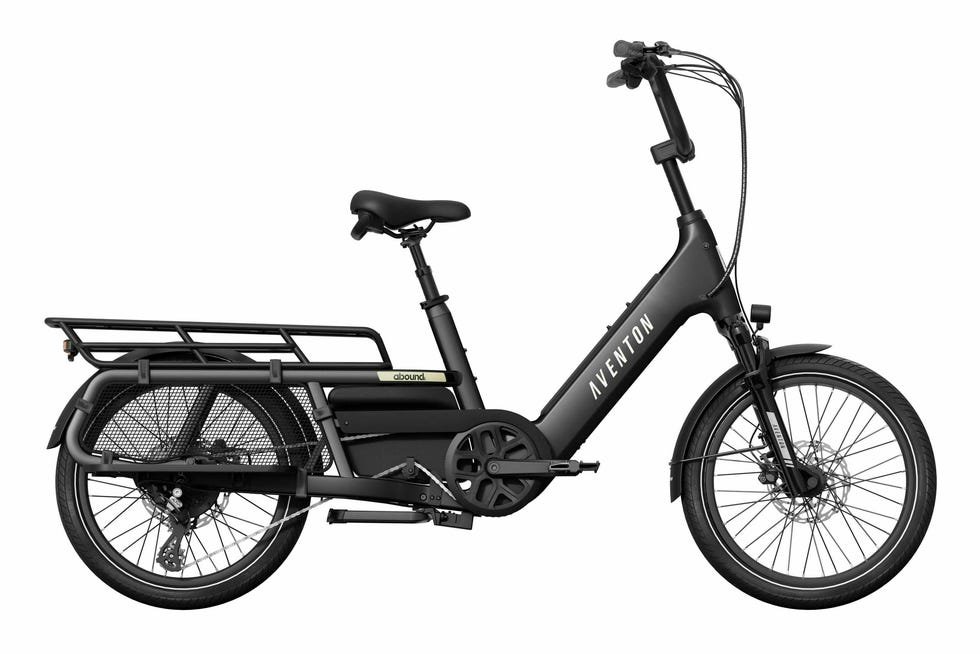
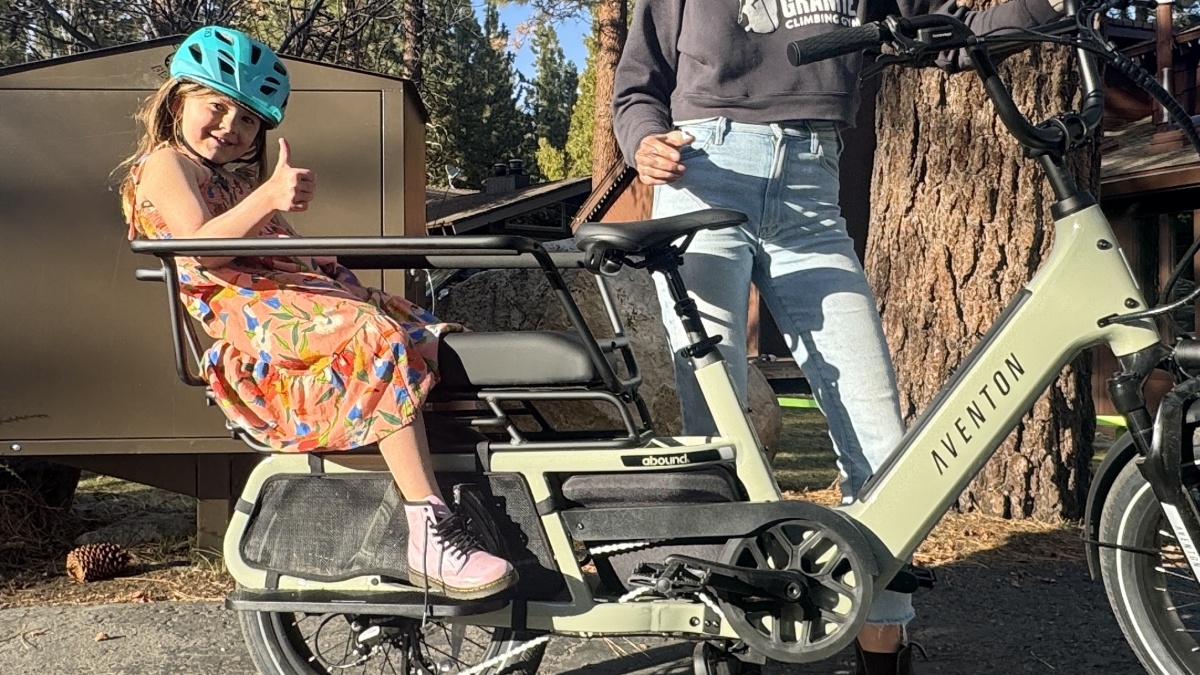
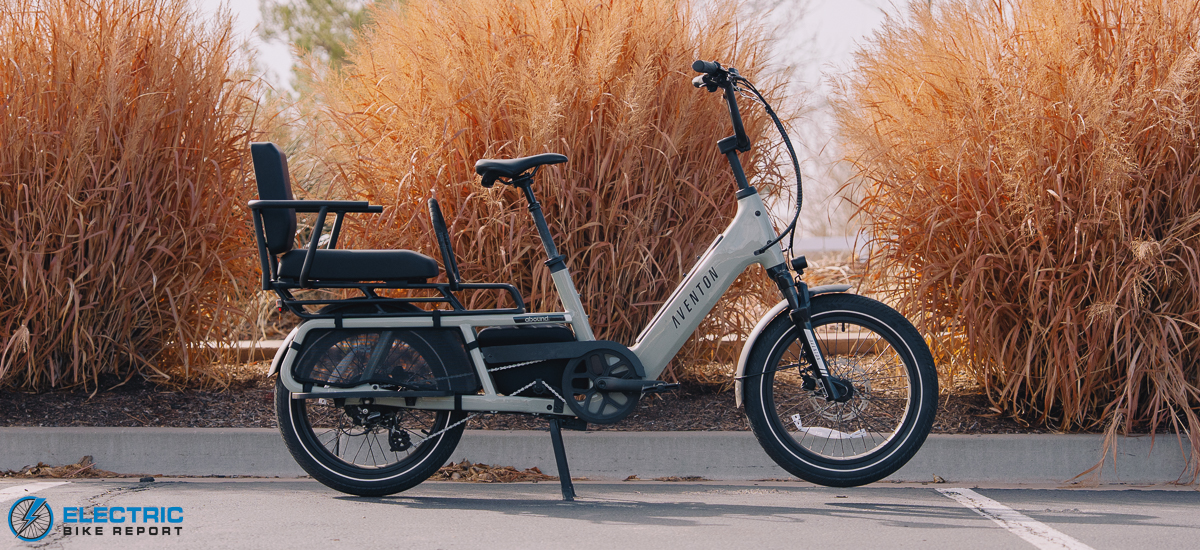
Aventon really hit it out of the park with the Abound LR. This thing is built like a tank but rides surprisingly smoothly. It’s a longtail cargo e-bike designed to carry a lot – seriously, up to 400 lbs of total weight! The Abound LR boasts a powerful 750W motor that makes climbing hills with a full load feel like you’re riding on flat ground. It’s got a comfortable riding position, integrated lights, and plenty of mounting points for accessories like paiers or a child seat.
The battery is substantial, giving you plenty of range for multiple grocery runs before needing a recharge. Plus, the price point is surprisingly competitive for the features you get. It’s one of those bikes that just works for almost everyone, from single riders to families. If you’re looking for a solid, dependable workhorse that won’t break the bank, the Aventon Abound is a top contender. I’ve seen tons of these around town, and they’re always loaded down.
2. The Value King: Lectric XP Lite (with Folding Cargo Kit)
Okay, hear me out. The Lectric XP Lite isn’t technically a cargo bike out of the box. But Lectric offers an optional folding cargo kit that transforms this super-affordable, foldable e-bike into a surprisingly capable grocery getter. You can add racks and bags, and for the price? It’s hard to beat. The XP Lite is lightweight, easy to store (hello, apartment dwellers!), and the electric assist makes it a breeze to ride.
Now, it’s not going to haul like a dedicated longtail. The cargo capacity is more modest. But for a single person or a couple needing to grab a few days’ worth of groceries, it’s perfect. And the fact that it folds means you can stash it anywhere. Plus, the price is genuinely accessible. For budget-conscious shoppers who still want electric assist and some cargo capability, the Lectric XP Lite with the kit is a smart move. It’s a great example of how you can adapt an existing platform for new uses.
3. The Heavy Hauler: Rad Power Bikes RadWagon 5
When you think cargo e-bikes, Rad Power Bikes often comes to mind, and for good reason. The RadWagon 5 is their latest iteration of a seriously capable longtail. This bike is built to haul. It’s got a sturdy frame, a powerful motor (750W, peak 1000W), and a huge payload capacity. It handles like a dream, even when fully loaded with groceries, kids, or whatever else you need to move.
Source : electricbikereport.com
The RadWagon 5 features integrated lights, comfortable ergonomics, and a decent battery life. Rad Power Bikes also has a massive ecosystem of accessories, so you can customize it exactly how you want. Need a front rack? A child seat? Extra paiers? They’ve got it. It’s a bit on the heavier side, but that’s the trade-off for its robust build and hauling prowess. For anyone serious about replacing car trips with bike rides, the RadWagon 5 is a benchmark. You can find tons of reviews and real-world usage examples online; it’s a popular choice for a reason.
4. The Compact Cruiser: Tern Quick Haul D9
Need cargo capacity but don’t have the garage space for a full-size longtail? The Tern Quick Haul D9 might be your answer. This is a compact cargo bike that punches way above its weight class. It’s designed to be nimble and easy to handle, but still pack a punch when it comes to hauling. The shorter wheelbase makes it feel more like a standard bike, and it’s easier to maneuver in tight spaces and store.
Despite its smaller size, the Quick Haul D9 can carry a surprising amount of gear, up to 110 lbs. It’s perfect for smaller grocery runs, errands around town, or even commuting with a backpack. The Gates belt drive and internal hub gears mean less maintenance, which is always a plus. Tern bikes are known for their quality engineering and thoughtful design, and the Quick Haul is no exception. It’s a fantastic option if you need cargo capability but prefer a more agile ride. It’s one of the best options for urban environments. Check out these other cargo bike options too.
5. The Premium Choice: Specialized Globe Haul ST
Specialized is a name you know in the cycling world, and their Globe Haul ST is a serious contender in the utility e-bike space. This isn’t just a bike; it’s a meticulously engineered machine. It’s built to be incredibly robust and handle just about anything you throw at it. The motor is smooth and powerful, and the ride quality is exceptional, even when loaded down.
What sets the Haul ST apart is the attention to detail. Integrated lights, excellent brakes, a comfortable saddle, and plenty of smart accessory options make it a joy to own and ride. It’s definitely on the premium end of the price spectrum, but you get what you pay for: a bike that’s built to last and performs brilliantly. If you’re looking for the best of the best and have the budget, the Specialized Globe Haul ST is hard to beat. It’s designed to be a true car replacement.

Source : bicycling.com
Accessorizing Your Grocery Getter
The bike itself is only half the story. To really make your cargo e-bike shine for grocery runs, you need the right accessories. Paiers are your best friend. Look for large-capacity, waterproof ones. Many longtails have racks specifically designed to accept them. Front baskets are great for quick trips or items you need easy access to, like your wallet or a reusable bag.
Some people opt for front racks that can hold milk crates – talk about maximum capacity! Others add bags that strap onto the rear rack itself. If you plan on carrying kids, you’ll need specific child seats or harnesses designed for cargo bikes. Always check the weight limits for any accessories you add, and make sure they’re securely attached. A loose bag bouncing around while you’re riding is a recipe for disaster. I use a combination of large paiers and a handlebar bag for my weekly shop; it works like a charm. Don’t underestimate the power of good bags!
The Verdict: Go Forth and Haul!
So, are cargo e-bikes worth it for grocery runs? Absolutely. They offer a sustainable, healthy, and frankly, fun way to handle your shopping. You reduce your carbon footprint, get some exercise, and save money on gas and car maintenance. Plus, you’ll never have to circle the block for parking again. Whether you go for a budget-friendly option like the Lectric XP Lite with a cargo kit, a solid all-rounder like the Aventon Abound LR, or a heavy-duty beast like the RadWagon 5, there’s a cargo e-bike out there for you.
Stop dreading the grocery store. Embrace the cargo e-bike. Your wallet, your planet, and your sanity will thank you. Ready to make the switch? It’s easier than you think. These bikes are truly transforming urban mobility. Check out this deep dive on tested cargo electric bikes for more insights.
Frequently Asked Questions
-
What is the best cargo ebike for groceries?
Honestly, the ‘best’ really depends on your needs and budget. But if I had to pick a few top contenders for grocery runs, I’d say the Aventon Abound LR is a fantastic all-rounder. It’s got huge carrying capacity, a powerful motor for hills, and a solid build without being ridiculously expensive. For pure hauling power and a proven track record, the Rad Power Bikes RadWagon 5 is tough to beat. If you need something more compact or budget-friendly, the Lectric XP Lite with the cargo kit is a surprisingly capable option. It really comes down to balancing capacity, price, and how much stuff you typically buy!
-
Which is the best electric cargo bike?
That’s the million-dollar question, isn’t it? There’s no single ‘best’ because it totally depends on what you’re using it for. If you’re replacing a car for serious hauling, like big grocery shops or carrying kids, then something like the Rad Power RadWagon 5 or the Specialized Globe Haul ST are top-tier choices known for their robustness and capacity. For a balance of performance, price, and versatility, the Aventon Abound LR is a standout. If you need something more nimble and compact, like for city apartments, the Tern Quick Haul D9 is brilliant. My advice? Figure out your primary use case first – commuting, groceries, kids – and then match it to a bike known for that strength.
-
Can you really fit a week's worth of groceries on a cargo e-bike?
You bet! Especially with the bigger longtail models. Think about it: most bikes have integrated racks that can hold 100+ lbs, and you can add large paiers on the sides. That’s easily enough space for a week’s worth of food for one or two people. You might even have room for that giant Costco haul if you pack smart! Just make sure you’ve got good balance and powerful brakes, because a loaded bike needs careful handling. Plus, the electric assist makes it way easier than pedaling a heavy load yourself.
-
Are cargo e-bikes good for hills?
For sure, that’s where the ‘e’ in e-bike really shines! Most cargo e-bikes come with powerful motors (often 750W or more) specifically designed to help you haul heavy loads up inclines. You’ll feel a significant boost, making hills much more manageable than they would be on a regular bike. Some bikes even have torque sensors that provide assistance based on how hard you’re pedaling, giving you more power when you really need it. So, yes, if you live in a hilly area, a cargo e-bike is a fantastic solution.
-
How much do cargo e-bikes typically cost?
Cargo e-bikes can range pretty wildly in price. You can find some budget-friendly options, like the Lectric XP Lite with a cargo kit for under $1,500, which is a great entry point. Mid-range models, like the Aventon Abound LR or Rad Power RadWagon 5, typically fall between $2,000 and $3,000. Then you’ve got premium options, like the Specialized Globe Haul ST, which can go upwards of $4,000 or even $5,000. The price usually reflects the build quality, motor power, battery size, and brand reputation. You’re investing in a serious transportation tool, so expect to pay accordingly.