So, You Waa Ditch the Desk for a Destination?
Yeah, the dream. Trading your drab office cubicle for a sun-drenched beach or a cozy mountain cabin, all while still getting your work done. Sounds like a fantasy, right? Not anymore. This whole “workcation” thing is blowing up, and frankly, it’s about time. But here’s the kicker: you can’t just tell your boss you’re off to Bali. You gotta pitch it. And not just any pitch, but one so solid, so convincing, it leaves them no choice but to say yes. Forget begging. We’re talking strategy here.
.jpeg)
Source : sign.dropbox.com
Why Your Boss Will Actually Consider This Madness
Look, your boss isn’t just some grumpy gatekeeper hoarding vacation days. They care about results. Productivity. Keeping the team humming. And guess what? A happy, refreshed employee often equals a more productive employee. Think about it. When you’re stuck in the same four walls day after day, the burnout creeps in. Your creativity? Shot. Your motivation? Lower than a snake’s belly in a wagon rut. A change of scenery can inject a serious dose of energy back into your work. It’s not about slacking off; it’s about recharging your batteries to come back stronger.

Source : powertofly.com
Plus, let’s be honest, the modern workforce is changing. Companies that are rigid and old-school are getting left in the dust. Offering flexibility, like the chance to take a workcation, can be a huge perk. It shows your company is forward-thinking, trusts its employees, and values their well-being. This isn’t just a win for you; it’s a win for company culture too. And who doesn’t want to work somewhere cool?
Step 1: Lay the Groundwork (Don’t Surprise ‘Em!)
First things first: don’t ambush your boss. Start dropping hints. Talk about the benefits of remote work in general conversations. Casually mention how a change of pace could boost your focus. The goal is to make the idea of you working from somewhere else seem less like a wild request and more like a logical next step. You’re planting seeds here.
Have you been consistently hitting your targets? Are you the go-to person for problem-solving? Basically, have you earned the trust? If your performance is shaky, this conversation isn’t happening. You need to be a proven, reliable employee. Build that track record first. Let your work speak volumes before you even open your mouth about leaving town.
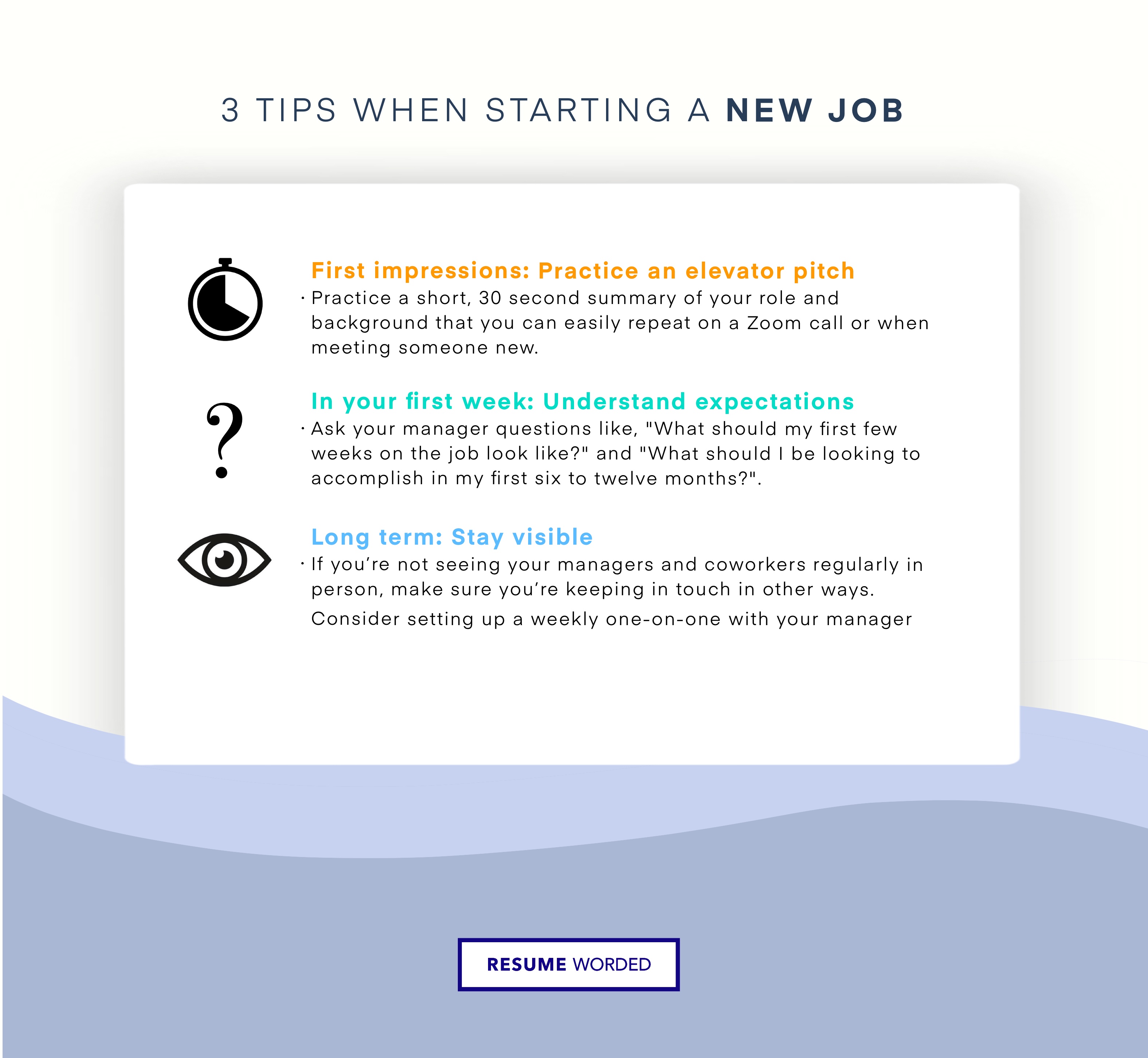
Source : resumeworded.com
Step 2: The Proposal – Make It Rock Solid
Alright, time for the main event. You need a proposal. Not some half-baked idea scribbled on a napkin. This needs to be professional, detailed, and address every single potential concern your boss might have. Think of it as your business case for a change of scenery.
Start with the ‘why.’ Clearly state the benefits to the company. How will this improve your productivity? Will you be more focused without office distractions? Can you access different resources or clients while you’re away? Frame it as a strategic advantage, not just a personal vacation. Then, get into the nitty-gritty.
Logistics: The Devil’s in the Details
This is where you prove you’ve thought this through. You need a clear plan for your coectivity. Reliable internet is non-negotiable. Mention the specific tools you’ll use to stay coected and how you’ll ensure your work isn‘t interrupted. You’ll need to detail your proposed work hours. Will you stick to your usual schedule? Or will you adjust them to accommodate different time zones? Be specific. Maybe you’ll work earlier mornings to overlap with your team, then take a break during the hottest part of the day, and finish up later. Show them you’ve got a plan for seamless communication.
Source : reddit.com
Outline your responsibilities. List exactly what you’ll be doing and how you’ll ensure all tasks are completed on time. What about meetings? You need to commit to attending all scheduled meetings virtually, with clear audio and video. Mention any potential challenges and, crucially, how you’ll overcome them. This shows foresight and responsibility. You’re not just asking for a trip; you’re demonstrating you can manage your workload from anywhere.
Consider a trial period. This is gold. Suggest trying it out for a month, then reviewing the arrangement. This lowers the perceived risk for your boss. They can see how it works in practice before committing long-term. It’s a win-win: you get your workcation, and they get to test the waters without a huge commitment.
Step 3: The Actual Pitch Meeting
Schedule a dedicated meeting. Don’t try to slide this into a hallway chat. Present your proposal calmly and confidently. Start by reiterating your commitment to your role and the company. Then, lay out your plan, highlighting the benefits we talked about.

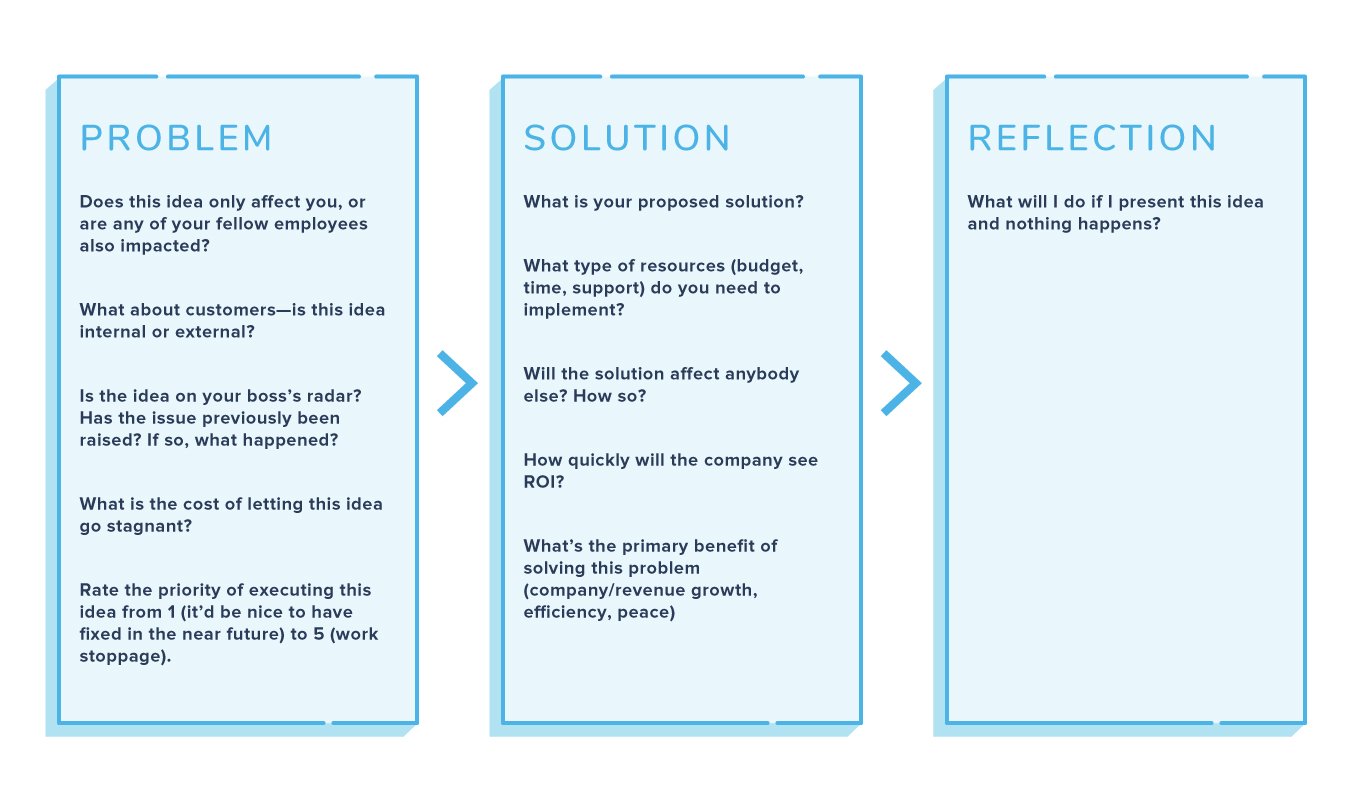
Source : business.tutsplus.com
Be prepared for questions. Your boss will likely have concerns. Do they worry about your availability? Your ability to focus? Address these head-on with the solutions you’ve already outlined in your proposal. Reassure them that your commitment to your job remains your top priority. Show them you’ve got this.
Here’s a pro tip: Have a clear itinerary prepared. Not a minute-by-minute breakdown, but a general outline of where you’ll be and how you’ll structure your workdays. For example: “Week 1: I’ll be based in [City, Country], focusing on completing Project X. I’ve booked accommodation with high-speed Wi-Fi and plan to work from 8 AM to 5 PM local time, ensuring overlap with the team.” This visual aid can be incredibly helpful. It shows you’ve thought about the practicalities of making it work.
What NOT to Do When Pitching Your Workcation
- Don’t make it sound like a vacation: This is a work trip, albeit a pleasant one. Focus on the work aspects.
- Don’t demand: You’re asking for a privilege, not a right. Be polite and professional.
- Don’t forget about company policy: Check if your company already has policies on remote work or extended travel.
- Don’t be vague: Specificity is your friend. The more detailed your plan, the more confident your boss will be.
Watch: How to pitch your boss on an idea they'll actually consider
This is where a lot of people mess up. They treat it like a holiday request. Big mistake. You’re asking to work, just in a different zip code. Frame it as a productivity boost. Your boss wants to know their projects are on track, not that you’re sipping mai tais on the beach (even if you totally are during your downtime). It’s all about perception and presentation.
The Bottom Line: It’s About Trust and Plaing
Ultimately, convincing your boss to let you take a workcation boils down to two things: trust and impeccable plaing. You need to have earned their trust through consistent hard work, and you need to present a plan so detailed and foolproof that they can’t find a reason to say no. It’s not just about wanting to travel; it’s about proving you can excel at your job, no matter where you are.
Think of it like this: your boss is investing in you. They’re trusting you to manage your time and responsibilities effectively, away from the usual oversight. Your job is to show them that this investment will pay off with increased focus, renewed energy, and continued high-quality output. Ready to pack your bags (and your laptop)? Let’s get this done.
Frequently Asked Questions
How do you pitch to your boss?
You pitch by preparing a super detailed proposal. Seriously, don’t wing it. Outline exactly how your workcation will benefit the company – think increased productivity and focus. Lay out your coectivity plan (hello, reliable Wi-Fi!), your proposed work hours, and how you’ll handle meetings. Suggest a trial period to ease their worries. Present it professionally, focusing on work, not play. Remember, it’s about showing you’re responsible and can deliver results from anywhere.
What is a good excuse to tell your boss to work from home?
Honestly, you don’t really need an “excuse” to work from home if your company culture supports remote or flexible work. The best approach is transparency and plaing. Instead of an excuse, focus on the benefits: “I’ve found I can concentrate much better on deep work tasks without office interruptions,” or “I’ll be more productive by structuring my day around fewer distractions.” If you absolutely need a reason for a specific day, a minor, non-disruptive personal appointment (like a doctor’s visit that you can easily work around) is usually sufficient, but honesty about your productive setup is always better.
How to prepare an itinerary for your boss?
An itinerary for a workcation isn’t a minute-by-minute vacation schedule; it’s a professional plan. Think of it as a roadmap for your work. Include the location you’ll be, the dates, and your accommodation details (mentioning internet reliability is key!). Outline your proposed daily work structure – for example, “Working hours will be 9 AM – 6 PM local time, with a one-hour break.” Mention how you’ll ensure availability for team calls and meetings. It shows foresight and reassures your boss that your work won’t suffer.
Should I tell my boss I’m going on a workcation?
Absolutely, yes! Never, ever try to sneak a workcation past your boss. Honesty and transparency are crucial for maintaining trust. Frame it as a request to work remotely from a different location, emphasizing how you’ll ensure your responsibilities are met. A well-prepared proposal, like the ones we’ve discussed, makes the conversation much smoother and shows your commitment to your job. It’s about building confidence, not deception.
What if my boss says no to a workcation?
If your boss shoots down your workcation idea, don’t despair. First, try to understand their reasons. Are they worried about productivity? Communication? Company policy? Ask clarifying questions. Then, address those specific concerns. Maybe they’d be open to a shorter trip, or perhaps a trial period of just a few days working from a nearby “different” location (like a co-working space) would be a good compromise. You could also focus on demonstrating your reliability with more consistent remote work closer to home before proposing something more adventurous. Persistence and a willingness to compromise can often pave the way for future approvals.