Stop Worrying, Start Exploring: The Ultimate Guide to Dog GPS and Health Monitors
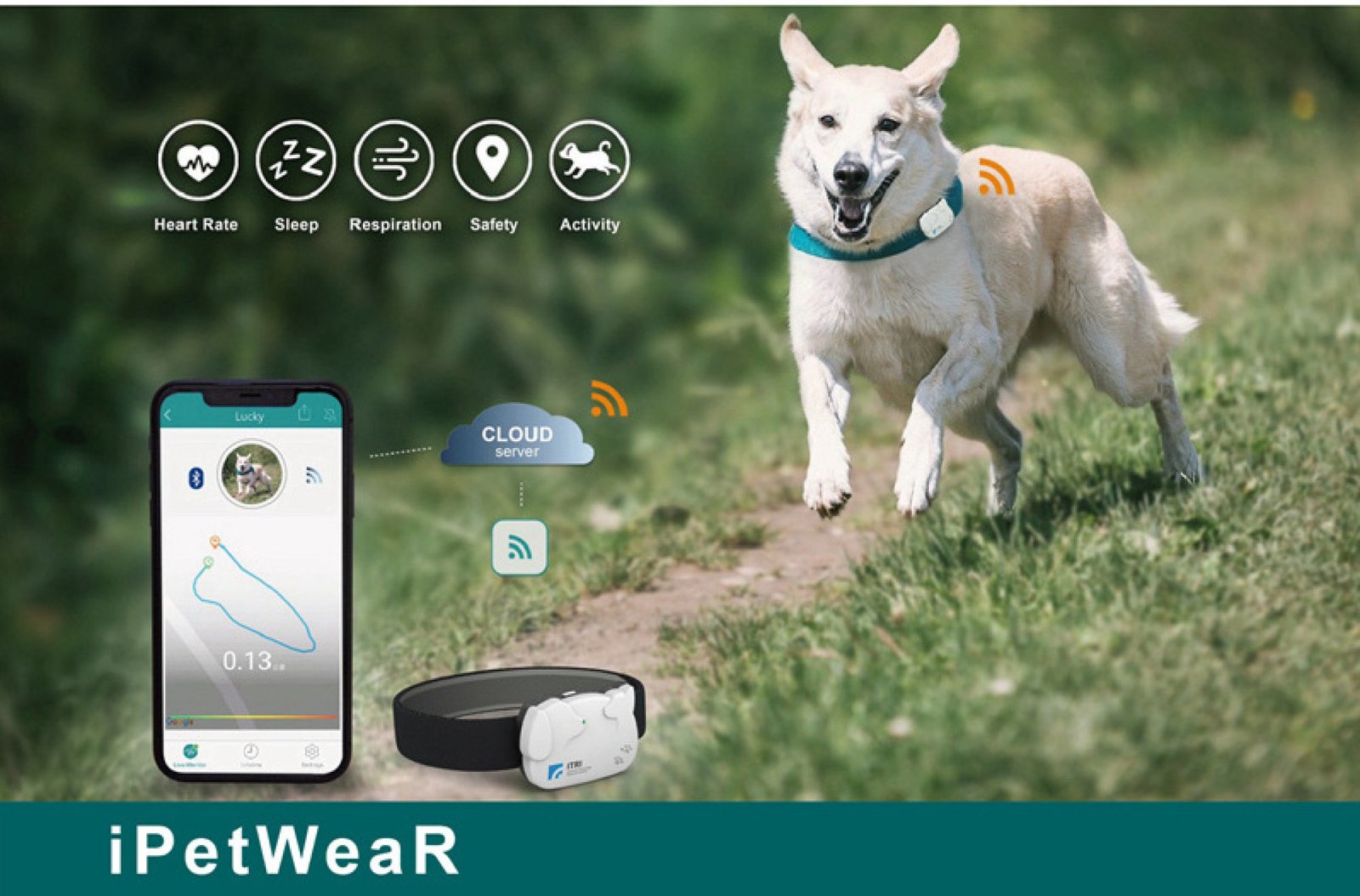
You know that feeling? That icy grip of panic when you realize Fido isn’t where he’s supposed to be? Yeah, me too. It’s the worst. For years, we’ve relied on frantic calls, neighborhood searches, and a whole lot of crossed fingers. But what if I told you there’s a better way? A way to keep tabs on your furry best friend, not just their whereabouts, but their actual health, in real-time? We’re talking about wearable GPS and health monitors for dogs. Forget the old days; this tech is a total game-changer for peace of mind.

Source : mashable.com
The Lowdown on Dog Trackers: Why You Need One, Like, Yesterday
Let’s cut to the chase. Your dog is family. You wouldn’t dream of letting a toddler wander off unsupervised, right? So why leave your dog’s safety to chance? These gizmos aren’t just fancy gadgets; they’re essential tools for responsible pet ownership. Think of it: your dog bolts out the door chasing a squirrel. A quick check on your phone, and bam! You know exactly where to go. No more wandering aimlessly, shouting their name into the wind.
But it’s more than just preventing disappearances. These devices are packing serious health-monitoring capabilities. We’re talking heart rate, activity levels, sleep patterns – the whole nine yards. It’s like a Fitbit for your dog, but way more advanced. This data can alert you to subtle changes that might signal a health issue before it becomes a major problem. Catching things early? That’s a win for everyone, especially your pup.
GPS Trackers: Your Dog’s Digital Leash
Okay, let’s talk GPS. It’s the cornerstone of most of these devices. How does it work? Simple, really. The device on your dog’s collar beams its location data up to a satellite, and then down to your smartphone app. Most use cellular networks too, so even if you’re out of Bluetooth range, you’re still coected. It’s pretty slick tech when you think about it.

Source : gearjunkie.com
What kind of GPS features should you be looking for? Real-time tracking is a must. You don’t want to see where your dog was an hour ago; you want to know where they are right now. Look for geofencing, too. This lets you set up virtual boundaries – like your yard or a park – and you’ll get an alert if your dog crosses them. Super handy for those Houdini dogs who love to test the fences.
And battery life? Crucial. You don’t want a tracker that dies after a day. Aim for devices that can last several days, ideally a week or more, on a single charge. Also, consider durability. Dogs are rough-and-tumble creatures. You need something waterproof and shock-resistant. Think mud, rain, enthusiastic rolling – your tracker needs to handle it all. The FitBark GPS, for instance, is known for its ruggedness.
Health Monitoring: Beyond Just Steps
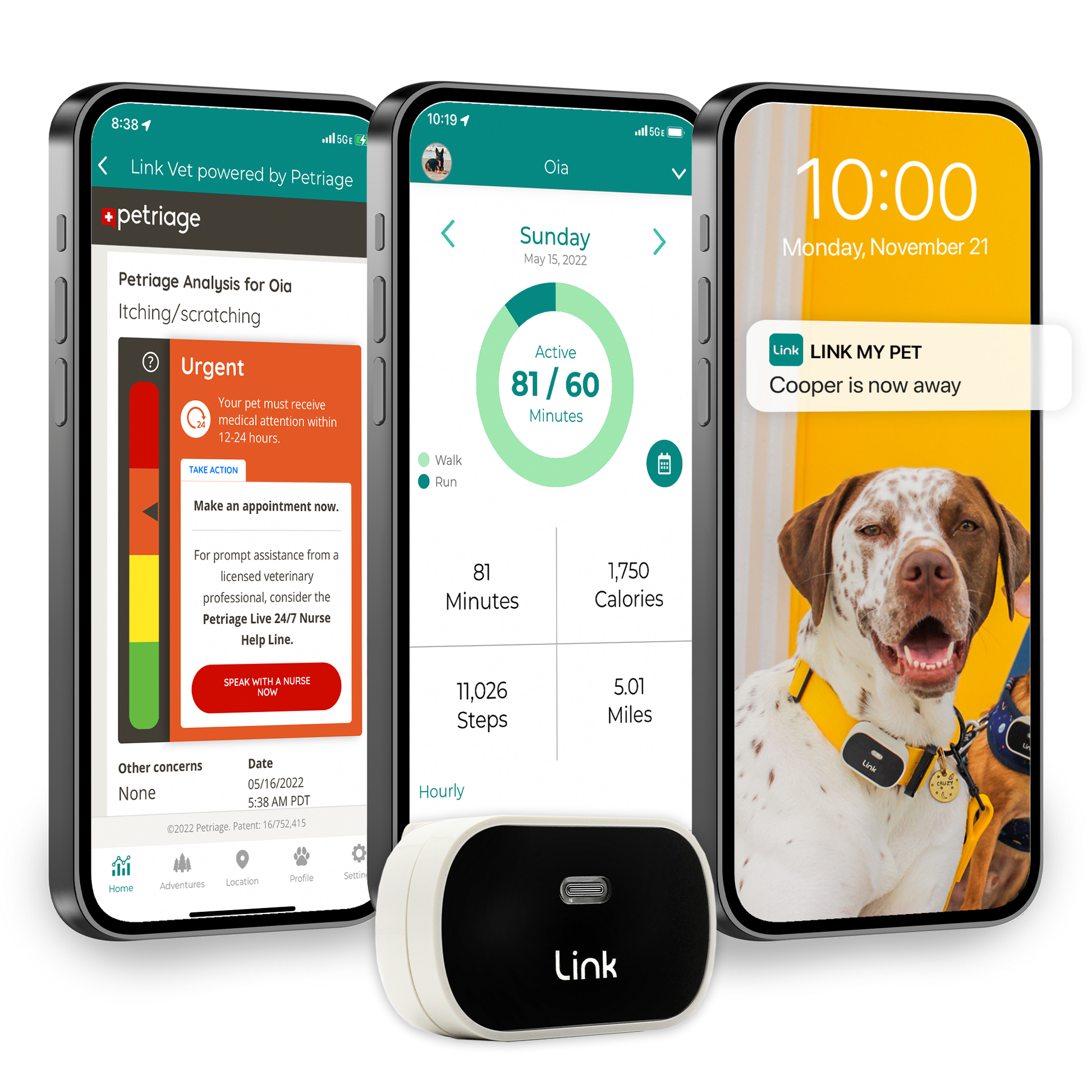
This is where things get really interesting. Forget just tracking steps like a human fitness tracker. These advanced monitors are digging deeper into your dog’s well-being. They can measure activity levels – not just how much they’re moving, but the intensity of that movement. Are they getting enough zoomies? Or have they been unusually lethargic?
Sleep tracking is another biggie. How well is your dog resting? Are they restless? Disrupted sleep can be an early sign of all sorts of issues, from anxiety to physical pain. Getting this data helps you understand their baseline and spot deviations. It’s like having a nightly wellness report for your canine companion.
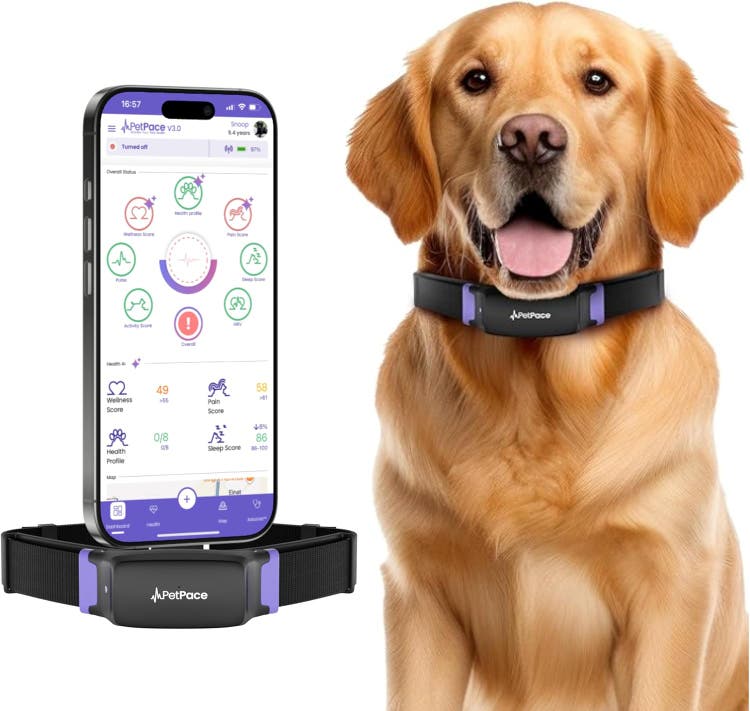
Some top-tier devices even monitor vital signs like heart rate and respiratory rate. PetPace is a leader here, using AI to analyze this data for potential health problems. Imagine getting an alert that your dog’s resting heart rate has been elevated for 24 hours. That’s actionable information you simply can’t get any other way. It’s about proactive care, folks. Proactive pet care is the future.
Choosing the Right Device: What to Consider
So, you’re sold. You want one. Awesome. But where do you start? It’s not a one-size-fits-all situation. Think about your dog and your lifestyle.
- Your Dog’s Size and Breed: A tiny Chihuahua needs a different tracker than a Great Dane. Look for devices that are lightweight and comfortable for your specific dog.
- Subscription Fees: Many GPS trackers require a monthly or aual subscription for the cellular data and app access. Factor this into the total cost. Some, like PitPat, offer trackers without ongoing fees for basic activity tracking, but GPS often means a subscription.
- Battery Life: As mentioned, this is key. How often are you willing to charge it?
- Durability and Waterproofing: If your dog loves water or mud, make sure the device can handle it. Look for IP ratings.
- App Interface: Is the app easy to use? Is the data presented clearly? You’ll be looking at it a lot, so make sure it’s user-friendly.
- Health Features: What level of health monitoring do you need? Basic activity, or more advanced vitals?
Don’t just grab the first one you see. Do a little digging. Read reviews. Compare features. Smart Bark has a great guide breaking down the best dog activity trackers. Consider brands like FitBark, PetPace, and Tractive. Each has its own strengths and weaknesses. You’re looking for the best fit for your dog, not just the most popular one.
Source : petplace.com
Top Contenders in the Dog Tech Arena
Alright, let’s look at some of the heavy hitters. Keep in mind, the market changes fast, but these are generally well-regarded options:
FitBark GPS
This one is a solid all-rounder. It offers both GPS location tracking and robust health monitoring. It’s designed to be rugged and waterproof, perfect for active dogs. The battery life is pretty decent, usually lasting several days. They pack a lot of features into a relatively small package, making it suitable for a wide range of dog sizes. The app provides detailed insights into activity, rest, and overall wellness. It’s a top choice for a reason, consistently showing up in reviews like those from Smart Bark.
PetPace Smart Health Collar
If your primary concern is health, PetPace is a serious contender. This isn’t just a GPS tracker; it’s a comprehensive health monitoring system. It tracks vital signs like temperature, pulse, respiration, and activity levels 24/7. Their AI analyzes this data to detect potential health issues before they become critical. While it does have GPS for location, its real strength lies in its in-depth health analytics. They even offer telemedicine support. It’s definitely a premium option, but for owners of dogs with chronic conditions or those who want the ultimate peace of mind regarding health, it’s hard to beat. They really focus on health and vital signs.
Tractive GPS Tracker
Tractive has been around for a while and offers reliable GPS tracking for both dogs and cats. They generally offer good battery life and a user-friendly app. They have different models, so you can often choose based on size and features. Tractive focuses heavily on the GPS aspect, making it great for finding lost pets. They also offer some activity monitoring, but it’s not as deep as PetPace. Their pricing is often competitive, and they provide live tracking with geofencing alerts. It’s a popular choice for simple, effective pet location tracking.
Fi Series 3+ Smart Dog Collar
Fi has made waves with its integrated smart collar. It’s a sleek, all-in-one solution that looks more like a regular collar but is packed with tech. It offers GPS tracking, escape alerts, and activity monitoring. One of its standout features is the long battery life, often lasting up to 3 months on a single charge (though this depends on usage patterns). The collar also has a built-in light for nighttime visibility, which is a nice bonus. It’s a stylish and functional option for many dog owners.
Source : linkmypet.com
Real-Life Scenarios: When Tech Saves the Day
Stories. That’s what makes this tech real. I remember talking to a friend whose beagle, Buster, has a tendency to dig under fences. One afternoon, Buster vanished. Panic stations. But my friend had the FitBark GPS on him. Within minutes, she saw on the app that Buster had busted out and was heading towards the woods behind their house. She was able to intercept him before he got lost or into trouble. Without that real-time location data, it could have been a much scarier situation.
Then there’s Sarah, whose elderly Golden Retriever, Max, started acting a bit “off.” He was sleeping more, not as keen on walks. She had the PetPace collar on Max primarily for location, but she started checking the health data. She noticed his resting heart rate was slightly elevated and he was having more restless nights. She took him to the vet, mentioning the data. Turns out, Max had a developing heart murmur that was caught early thanks to those subtle changes. The vet said catching it so early made a huge difference for his prognosis. It’s not just about finding lost dogs; it’s about keeping dogs healthy.
The Future is Now: What’s Next?
This technology is only going to get better. We’re already seeing AI getting smarter, predicting potential health issues with greater accuracy. Imagine devices that can monitor even more detailed physiological data, perhaps even detecting pain levels more directly. Maybe integration with smart home systems? Your lights could flash if your dog is trying to get out. It sounds like sci-fi, but honestly, the pace of iovation is staggering. These devices are becoming more affordable, more integrated, and more powerful. It’s an exciting time to be a tech-savvy dog owner.
So, if you’ve been on the fence, maybe it’s time to jump. Whether you need basic GPS to prevent escapes or advanced health monitoring to keep a close eye on your aging companion, there’s a device out there for you. Investing in one of these wearables isn’t just buying a gadget; it’s investing in your dog’s safety, health, and your own peace of mind. Stop worrying, start exploring. Your dog will thank you for it.
Frequently Asked Questions
What is the GPS device for dogs that doesn’t require other phones?
That’s a common question! Most GPS devices for dogs do require a smartphone (or tablet) with an app to view the location data. The device itself uses GPS satellites and cellular networks to pinpoint the location, but you need a phone to receive and display that information. However, some older or simpler GPS trackers (not necessarily real-time monitors) might have had limited standalone capabilities or relied on sending SMS alerts. For the full features like live maps and geofencing you see from brands like FitBark GPS or Tractive, a smartphone is pretty much essential these days. Think of your phone as the command center for your dog’s digital leash.
Are dog health monitors accurate?
Generally, yes, the major brands are quite accurate for what they measure. For GPS accuracy, most devices are within a few meters, which is usually good enough to locate your pet. For activity and sleep tracking, they’re excellent at showing trends and patterns – whether your dog is more or less active than usual. Devices that measure vital signs, like PetPace, use sophisticated sensors and algorithms. While maybe not as precise as a vet’s medical equipment during a specific test, they provide incredibly valuable trend data over time that can alert you to significant changes. Always consult your vet if you have serious health concerns; these monitors are tools to aid, not replace, professional veterinary care.
How long does the battery on a dog GPS tracker last?
Battery life really varies depending on the device and how much you use its features (especially GPS). Some smaller, activity-focused trackers might last a week or more. However, GPS trackers that offer real-time location updates can drain the battery faster. You’ll see ranges from 24 hours to several days. For example, the Fi Collar is known for its impressive multi-month battery life in some modes, while others might need charging every 2-3 days. Always check the manufacturer’s specs and consider your dog’s activity level – a constantly moving dog will use more battery.
Do I need a subscription for a dog GPS tracker?
Most GPS trackers for dogs require a subscription. Why? Because they need cellular service to transmit the location data from your dog’s collar to your phone. This is similar to how your own smartphone works. The subscription fee typically covers the data plan and access to the manufacturer’s app and features. Brands like PetPace and Tractive operate on a subscription model. Some activity trackers (without GPS) might not need a subscription, but if you want live location tracking, expect to pay a monthly or aual fee. It’s crucial to factor this ongoing cost into your decision.
Can these devices help with training my dog?
Indirectly, yes! While they aren’t training tools themselves, the data they provide can be incredibly helpful. For instance, an activity monitor can show you if your dog is getting enough exercise. A bored, under-exercised dog is often more prone to behavioral issues. By ensuring they meet their activity goals, you can help reduce destructive behaviors. Also, geofencing alerts can be a great motivator to reinforce boundaries during training. If your dog tests the fence, you get an immediate notification, allowing you to correct the behavior. It’s about understanding your dog’s needs better, which is fundamental to effective training.