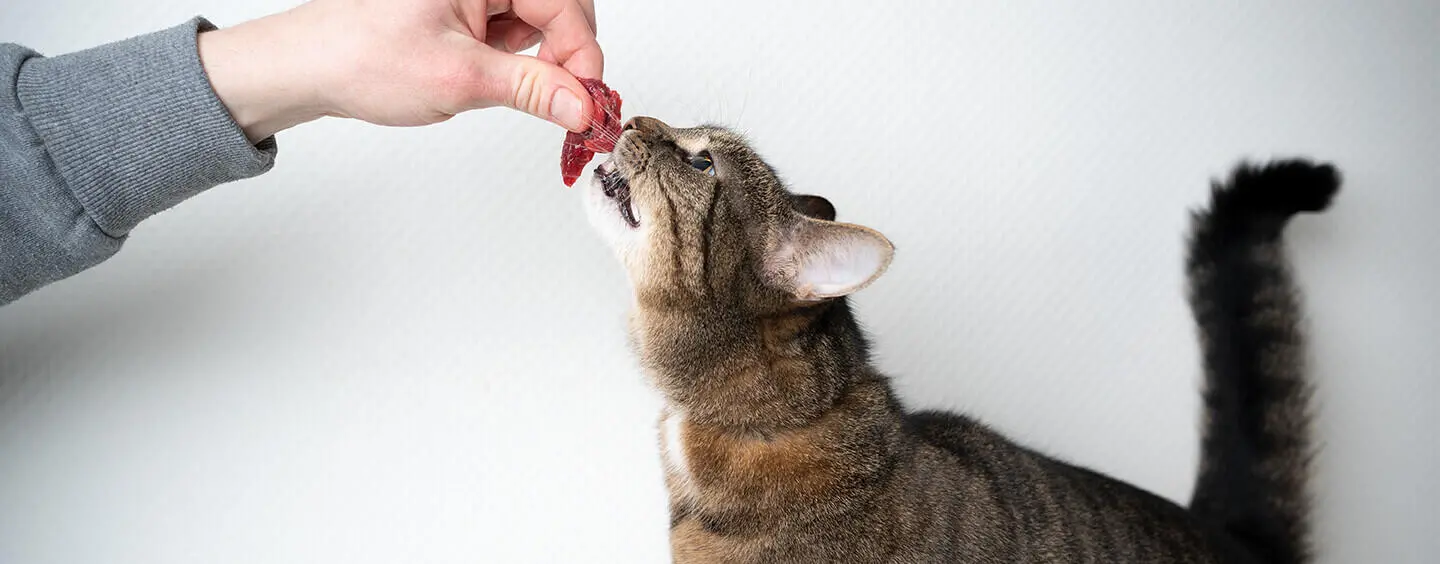
The Raw Diet Debate: Felines in 2026
Let’s cut to the chase. The whole raw food thing for cats? It’s hotter than a July sidewalk in Arizona. For years, we’ve been spoon-feeding our feline friends kibble that, frankly, looks more like rabbit droppings than actual food. But now? People are ditching the bags and going primal. Is it a passing fad, or the future of feline grub? We’re digging into the raw diet debate for cats in 2026.
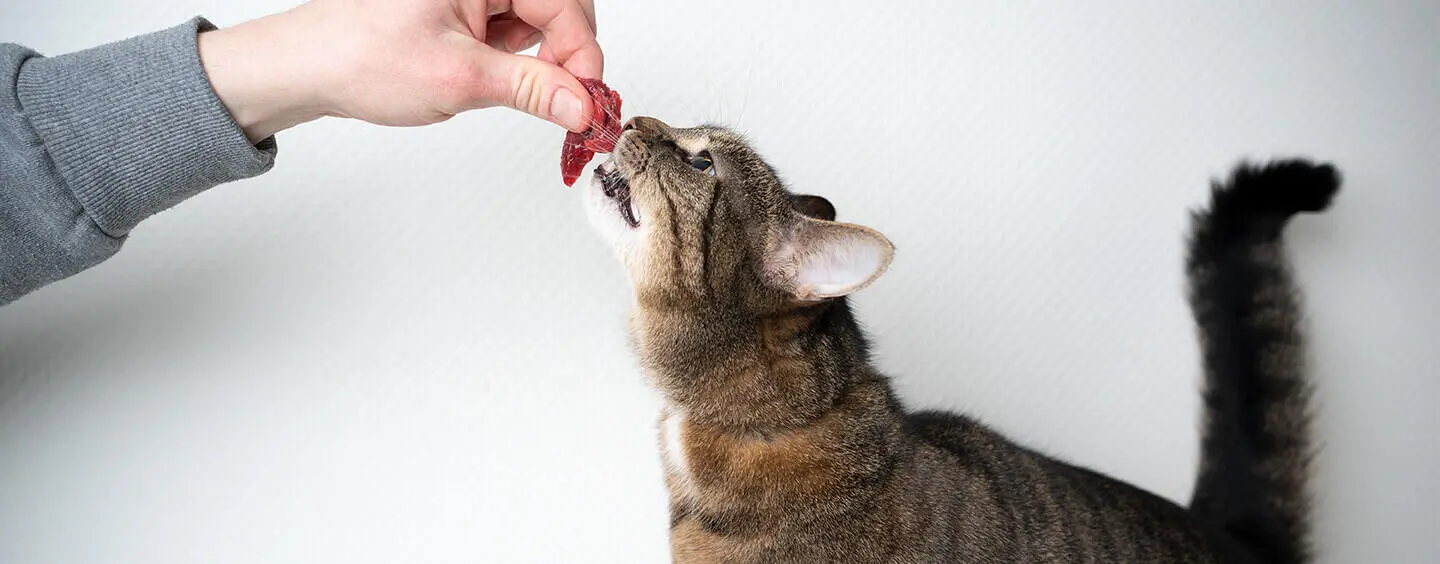
Source : purina-arabia.com
For starters, cats are obligate carnivores. That means their bodies need meat. Like, yesterday. They didn’t evolve to chow down on grains and fillers. Their digestive systems are built for processing raw protein and fat. Think of your kitty like a miniature tiger. What does a tiger eat? Raw meat. Not a bag of crunchy brown bits.
Why the Push for Raw?
The ‘why’ is pretty straightforward. Proponents say it leads to a bunch of wins: shinier coats, better digestion, cleaner teeth, more energy. It’s about feeding them what nature intended. No weird additives, no mysterious by-products. Just pure, unadulterated animal protein. It’s a return to basics, really. And frankly, who doesn’t want their cat to look and feel its absolute best? It’s not just about keeping them alive; it’s about helping them thrive.
Think about it. We humans are getting more health-conscious, right? We’re ditching processed junk and going for whole foods. Why should our pets be any different? They’re part of the family. We want the best for them. The rise of the raw cat food movement reflects this bigger trend.
The Counter-Argument: The Vet’s Take

Source : sciencedirect.com
Okay, so not everyone’s on board. Many veterinarians are, shall we say, a bit hesitant. And yeah, I get it. There are risks. The biggest one? Bacteria. We’re talking salmonella, E. coli. Stuff you really don’t want your cat (or you) getting. Handling raw meat isn’t like tossing kibble in a bowl. It requires serious hygiene practices. Cross-contamination is a real concern. You need to be meticulous.
Vets also worry about nutritional imbalances. Getting the calcium-to-phosphorus ratio just right? It’s tricky. Too much or too little can cause serious health problems down the line, especially in kittens. Commercial kibble, for all its faults, is usually formulated to be ‘complete and balanced.’ They’ve done the science (or so they claim). Making that balance at home? It’s a science project you don’t want to mess up. This is why many vets express caution about homemade raw diets.
Plus, let’s be real, the convenience factor. Tossing kibble takes seconds. Preparing a raw meal, even from pre-made raw, takes a bit more effort. For busy folks, kibble is the easy button. And let’s not forget the cost. High-quality raw food isn’t cheap. Sometimes, it’s way more expensive than even the premium kibble brands. You’re paying for the quality, sure, but it adds up. The veterinarian’s perspective often hinges on safety and practicality.
Diving Deep: Benefits vs. Risks
Let’s break down the good and the bad. On the ‘good’ side, you’ve got that whole natural diet thing. Cats evolved to eat prey. Raw food mimics that. It’s moisture-rich, which is crucial for feline hydration. Kibble? Mostly dry. Cats don’t naturally drink a lot, so they get a ton of their water from their food. This can mean better kidney and urinary tract health. A significant plus, right?
Then there’s dental health. Chewing on raw meaty bones can help scrape plaque away. Kibble doesn’t do that. It shatters. Some studies suggest raw diets can lead to less ‘kitty breath.’ And the coat and skin? Anecdotally, people report huge improvements. Less shedding, glossier fur. It’s like a natural conditioner from the inside out. The idea is to feed them food that supports their natural bodily functions, not hinders them. This is a key argument for feline raw nutrition.
But the risks? They’re not small potatoes. Bacterial contamination is the elephant in the room. You could get your cat sick. You could get yourself sick. Studies have shown that raw pet foods can harbor pathogens. Even if your cat doesn’t get sick, they can shed the bacteria, posing a risk to humans in the household. Especially vulnerable people like children or the elderly. It’s a serious consideration that can’t be brushed aside. And we haven’t even touched on potential parasites from poorly sourced meat.
Nutritional deficiencies are another biggie. If you’re not an expert, you could easily miss essential vitamins or minerals. Taurine deficiency, for example, can lead to heart problems and blindness in cats. Yikes. Commercial raw diets aim to be balanced, but you still need to trust the brand. DIY diets? That’s a whole other level of complexity. The risks of raw feeding are substantial if not managed properly.
Source : wsj.com

Navigating the Raw Landscape: What’s Actually Out There?
So, you’re thinking, ‘Okay, I’m intrigued, but how do I even start?’ The market’s exploded. You’ve got freeze-dried raw, dehydrated raw, and frozen raw. Each has its pros and cons. Freeze-dried and dehydrated are convenient – just add water. They have a longer shelf life and are easier to store. Frozen raw is closer to ‘whole prey’ but requires freezer space and careful thawing. You need to thaw it safely, usually in the fridge overnight.
Then there’s the DIY route. This involves sourcing individual ingredients – muscle meat, organs, bones – and balancing them yourself. It gives you maximum control but requires serious knowledge and commitment. Websites and books offer recipes, but accuracy is key. You’re essentially playing nutritionist. It’s not for the faint of heart, or for those who forget to buy groceries.
Commercial raw brands vary wildly in quality and safety standards. Some are excellent, with rigorous testing and transparent sourcing. Others? Less so. It’s crucial to do your homework. Look for brands that meet AAFCO standards (though AAFCO doesn’t regulate raw food the same way as processed food). Check their recall history. Read reviews. Talk to other raw feeders. Finding a reputable raw brand is your first major hurdle.
A great resource for understanding the vet’s take on commercial foods versus raw is what veterinarians say about raw vs. kibble. They break down the science and concerns from a professional standpoint. It’s a must-read before you make the switch.
Making the Transition: Tips for Success
Ready to take the plunge? Patience is your best friend here. Cats can be picky. A sudden switch can lead to digestive upset – vomiting, diarrhea. Start slow. Mix a small amount of the new raw food with their old food. Gradually increase the raw portion over a week or two. Some cats might never fully adapt, and that’s okay. Pushing them can cause stress and health issues. Listen to your cat.
Choose the right protein. If your cat has never had novel proteins, start with something common like chicken or turkey. If they have allergies, you might need to explore options like rabbit or duck. Rabbit, for instance, is often recommended for cats with sensitivities. It’s a novel protein source that’s lean and highly digestible. Many owners find success with it.
Keep it clean. Seriously. Wash your hands before and after handling the food. Clean bowls immediately. Store raw food properly in the freezer and thaw safely. Don’t leave thawed food out at room temperature for too long. Think sterile kitchen, not backyard barbecue. Good hygiene prevents a world of hurt. It’s non-negotiable for safe raw feeding practices.
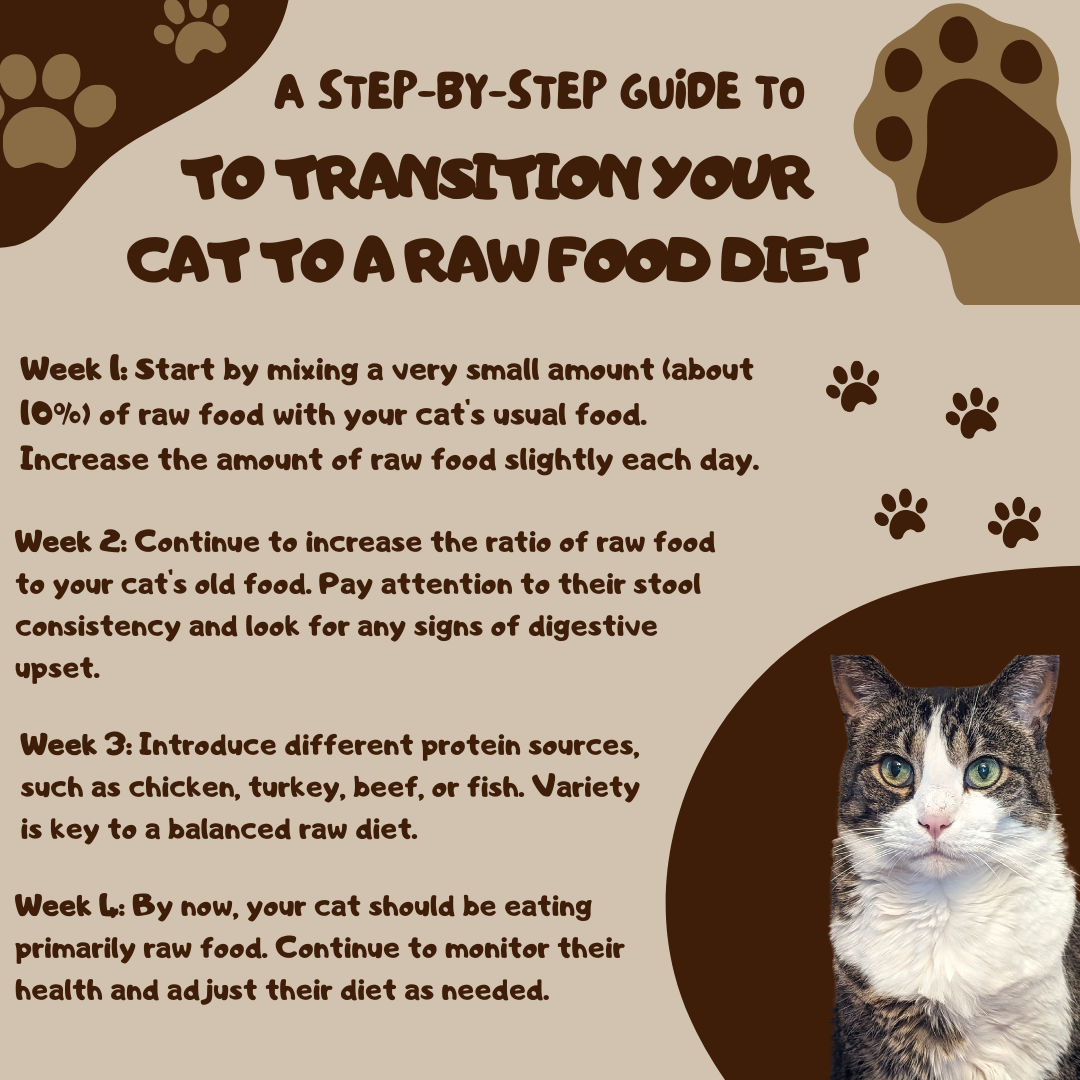
Source : petsetconline.com
Monitor your cat closely. Watch for any changes in behavior, appetite, or litter box habits. If you see anything concerning, revert to their old food and consult your vet. Even if you switch to raw, regular vet check-ups are still essential. Your vet can monitor their health and catch any potential issues early. They’re your partner in this, even if you disagree on the diet.
The Bottom Line: Is Raw Right for Your Cat?
So, should you feed your cat raw food in 2026? There’s no single ‘yes’ or ‘no’ answer. It’s a deeply personal decision. It depends on your cat’s individual health, your lifestyle, your budget, and your willingness to manage the risks. For some cats and owners, the benefits are undeniable. They see real, tangible improvements.
For others, the risks outweigh the potential rewards. The convenience and perceived safety of high-quality commercial kibble might be a better fit. Or perhaps a gently cooked diet offers a middle ground. The key is to be informed. Understand the science, weigh the pros and cons, and choose what you believe is best for your unique feline companion. Don’t just follow trends; make an educated choice. It’s your cat’s health on the line.
Frequently Asked Questions
What is the 25 rule for cat food?
The ‘25% rule’ isn’t a widely recognized or standardized guideline in feline nutrition. It might be a misunderstanding or a niche rule from a specific community or brand. Generally, when discussing feline diets, we focus on factors like protein content, moisture levels, and nutritional completeness (like essential amino acids such as taurine). If you heard about a ’25 rule,’ try to find the source and understand its context. It’s crucial to rely on established nutritional guidelines rather than obscure numbers. For proper feline nutrition, focusing on a high-protein diet is key.
Can I feed my cat only raw chicken?
While raw chicken can be a component of a cat’s diet, feeding only raw chicken isn’t recommended. Cats need a variety of nutrients, including specific amino acids like taurine, and balanced minerals. A diet solely of muscle meat like chicken can lead to deficiencies. Commercial raw diets are typically formulated with organs and bone to provide a more complete nutritional profile. If you’re considering raw chicken, ensure it’s supplemented appropriately or part of a broader, balanced raw diet plan. It’s important to get the nutritional balance right.
Is raw food safer than kibble for cats?
This is a huge debate! Kibble can sometimes be contaminated with mycotoxins from moldy grains, and it’s generally low in moisture. Raw food, however, carries the risk of bacterial contamination (like Salmonella or E. coli) if not handled and prepared properly. Many vets lean towards processed foods like kibble or caed food being safer due to controlled manufacturing processes and lower bacterial risk, despite their own nutritional drawbacks. The safety depends heavily on the specific product and handling practices for both food types.
How long does raw cat food last once thawed?
Once thawed, raw cat food generally needs to be used within 2-3 days. It’s best practice to thaw it in the refrigerator, not at room temperature, to minimize bacterial growth. Any uneaten food should be refrigerated promptly. If it’s been out for more than a couple of hours (especially in warmer conditions), it’s safest to discard it to avoid any potential health risks for your cat. Always check the specific product instructions from the manufacturer for the most accurate guidance.
What are the signs my cat is adapting to a raw diet?
You might notice some positive changes as your cat adjusts. These can include improved coat condition (shinier, less shedding), better digestion (firmer, less smelly stools), increased energy levels, and clearer eyes. Some cats also show better dental health. However, watch out for signs of not adapting, like vomiting, diarrhea, loss of appetite, or lethargy. These could indicate the diet isn’t agreeing with them or there’s an issue with the food itself. Observing your cat’s overall well-being is key.