Board Games Are Crushing Video Games at Parties, And Here’s Why
Remember the last party you went to? Chances are, you saw people glued to their phones, scrolling through social media, or maybe huddled around a single screen playing a video game. It’s a common scene these days. But something interesting is happening. The old guard – board games – are making a serious comeback, especially when it comes to livening up a get-together. Forget the laggy Wi-Fi and the awkward solo play; we’re talking about genuine, face-to-face fun that actually brings people together. Video games had their moment, sure, but honestly? They’re starting to feel a bit… dated for parties. It’s time we talked about why picking up a box of cards and dice is often the secret sauce for a great party.
Source : reddit.com
No More Tech Nightmares
Let’s be real. One of the biggest headaches with party video games? The tech. You’ve got controllers that need charging (or batteries!), different console generations that don’t play nice, and the ever-present threat of Wi-Fi dropping at the worst possible moment. Remember that time everyone was psyched to play Mario Kart, only to spend 20 minutes fiddling with cables and updates? Yeah, nobody misses that. Board games? They’re refreshingly simple. You need a table, maybe some chairs, and the game itself. No software updates, no confusing online accounts, no controllers dying mid-match. Just pure, unadulterated fun. This is a huge reason why board games are beating video games for casual get-togethers. It’s about getting rid of the friction and getting straight to the good stuff.
The Real Coection Factor
Video games, even multiplayer ones, often create a barrier. You’re looking at a screen, not each other. There’s shouting at the TV, sure, but is it really interaction? Board games demand eye contact. They force you to read body language, react to facial expressions, and engage in actual conversation. Think about playing a game like Codenames or Telestrations. The laughter isn’t just from the game; it’s from seeing your friend’s ridiculous drawing or the way someone misinterprets a clue. It builds memories in a way that staring at a screen just can’t replicate. This face-to-face social dynamic is critical for parties. It’s not just about playing a game; it’s about strengthening bonds. This whole experience is a big win for getting people talking.
Source : reddit.com
A Digital Detox We All Need
We’re drowning in screens. Phones, tablets, laptops, TVs – they’re everywhere. Parties should be a break from that, a chance to discoect and be present. Board games offer that escape. They pull you away from the endless scroll and immerse you in a tangible, shared experience. You’re holding pieces, moving tokens, looking at a physical board. It’s a welcome relief from the digital overload. This digital detox is more important than ever. People are actively seeking ways to unplug and recoect with others in the real world. Board games are the perfect vehicle for that. They provide a much-needed break from the digital world.
Unleashing Creativity and Quick Thinking
Sure, video games can be strategic. But board games often tap into different kinds of brainpower. Think about party games that rely on word association, drawing, or bluffing. Games like Dixit or Mysterium encourage abstract thinking and creative interpretation. Others, like Avalon or Secret Hitler, demand keen observation and social deduction. You’re not just reacting to what’s on screen; you’re actively building strategies, making deductions based on limited information, and even using deception. This kind of mental stimulation is incredibly engaging. It keeps everyone on their toes and sparks unique conversations. It’s a fantastic way to keep the party lively and unpredictable.
The Tactile Experience Matters
There’s something inherently satisfying about the physical act of playing a board game. The weight of the pieces, the shuffle of the cards, the feel of the dice in your hand – it’s a sensory experience that video games can’t touch. This tactile engagement makes the game feel more real, more present. It grounds you in the moment. It’s like the difference between looking at a picture of a delicious meal and actually tasting it. The physical components add a layer of richness and immersion. This is a key part of why the hobby has seen such a massive resurgence. It’s not just about the rules; it’s about the satisfaction of physical play.
Accessibility for Everyone
Video games can be intimidating. You need specific consoles, gaming PCs, or at least a decent smartphone. Controllers can be expensive. And let’s not forget the learning curve for complex games. Board games? They’re often incredibly accessible. A lot of party board games are designed to be learned in minutes. You can pick up a game like Cards Against Humanity or Apples to Apples with zero prior knowledge. Plus, you don’t need a high-end setup. A simple board game can be enjoyed by anyone with a willingness to play. This wide accessibility makes them perfect for diverse groups at parties, where you might have people with vastly different gaming backgrounds. Everyone can join in without feeling left out. It’s the ultimate inclusive party activity.
Source : reddit.com
No Hardware Upkeep is a HUGE Win
Let’s circle back to the tech aspect, but from a different angle: maintenance. Video games require constant upkeep. Consoles need firmware updates, games need patching, and hardware can fail. Remember the panic when your game wouldn’t load because of a mandatory update right before guests arrived? Nightmare fuel. Board games? They just sit there, ready to go. A quick check for missing pieces, maybe a quick wipe-down of the box, and you’re golden. This lack of hardware upkeep is a massive advantage for party hosts. It means less stress and more time spent enjoying the company. It’s pure, simple fun, ready when you are. This makes them the ultimate low-stress party game.
Variants and House Rules: The Fun Never Ends
One of the beautiful things about board games is their flexibility. Once you’ve mastered the basic rules, you can start tweaking them. Fancy a faster game? Change a rule. Want to add a silly challenge? Go for it. This is where the real creativity comes in. House rules can make a familiar game feel brand new and tailor it perfectly to your group’s sense of humor or playstyle. Video games? Not so much. You’re generally stuck with what the developers intended. The ability to customize and create unique experiences is a major plus for board games, keeping them fresh and exciting. This adaptability is why they remain so consistently engaging.
Building Memories, Not Just High Scores
Ultimately, parties are about coection and shared experiences. Video games can be isolating, even when played together. You’re often competing against each other or focused on individual goals. Board games, especially cooperative or team-based ones, foster a sense of camaraderie. You win together, or you lose together. This shared journey creates stronger memories. Think about that hilarious moment someone completely tanked the team’s chances in Pandemic, or the sheer elation of finally beating the game. These are the stories you retell later. This is why board games build relationships. They’re not just about passing the time; they’re about creating lasting memories. As one expert points out, it’s about the real-world interaction.
Source : reddit.com
The Sheer Variety is Mind-Boggling
The world of board games has exploded. You’ve got everything from quick, silly word games to epic, complex strategy sagas. There are games for two players, games for twenty, games that take ten minutes, and games that take all night. Need a cooperative challenge? Got it. Prefer cutthroat competition? Plenty of that too. This incredible variety of game types means there’s truly something for every taste and every party. Unlike the often-limited genres of video games available on a single console, the board game world offers an almost endless buffet of experiences. You’ll never run out of new things to try. It’s a hobbies renaissance of sorts.
What About Those Pesky Video Game Pros?
Okay, okay. Video games aren’t all bad for parties. Some are genuinely fun. Playing Smash Bros. with friends can be a blast. VR games can offer unique immersion. But let’s be honest, these often require specific setups, expensive hardware, and a certain level of gaming familiarity. For the average party, with a mix of people who might not be hardcore gamers, the barrier to entry is just too high. Plus, the social interaction often still takes a backseat to the screen. It’s a different kind of fun, often more about individual skill or reaction time than shared laughter and conversation. For true party engagement, board games usually take the crown.
The Future is Tangible
So, the next time you’re plaing a party, consider skipping the console setup. Grab a few boxes of engaging board games. You’ll find that the ease of use, the genuine social interaction, and the sheer fun factor make for a much more memorable and coected experience. It’s about bringing people together in the most fundamental way: face-to-face, sharing laughter, and creating stories. The evidence is clear: board games are the future of party entertainment. Ready to roll the dice on some real fun?
Frequently Asked Questions
What is the 20 rule in gaming?
The 20 rule in gaming, often called the “20/10 rule” or “20/20 rule,” is a guideline primarily used in cooperative board games. It suggests that a game session shouldn’t last longer than 20 minutes before players take a 10-minute break, or that a single game shouldn’t exceed 20 minutes total playtime. The idea is to prevent player fatigue and keep engagement high, especially in longer game nights. It’s a smart way to ensure everyone stays focused and enjoys the experience without getting burned out. Think of it as a built-in refreshment break for your brain!
Are 51% of gamers female?
That’s a popular question! While some surveys have suggested a near-equal split or even a slight female majority in recent years, the most widely cited data from organizations like the ESA (Entertainment Software Association) in the U.S. typically shows around 40-45% of gamers are female. It’s definitely not 51%, though the number has been steadily increasing, which is great! It means gaming is becoming more inclusive. The perception might be skewed because certain game genres or platforms are still male-dominated, but across the board, women are definitely a huge part of the gaming community. It’s not just a boys’ club anymore!
How many people can play Catan at a party?
The classic Settlers of Catan board game is officially designed for 3 to 4 players right out of the box. However, don’t let that limit your party fun! With the official Catan 5-6 Player Extension, you can bump that number up to six players. If you’re really looking to go big, there are also unofficial house rules and even some third-party expansions that people use to try and accommodate even more players, though things can get a bit chaotic. For a typical party setting, using the extension to get up to six players is usually the sweet spot for maintaining balance and engagement without making the game drag on too long.
Are board games better for social skills than video games?
Honestly? Yes, I think board games are generally better for developing social skills compared to most video games. Why? Because board games force interaction. You have to look at people, talk to them, read their expressions, negotiate, and even bluff face-to-face. Video games can offer teamwork and communication, but it’s often mediated through headsets and screens, which isn’t quite the same as direct human coection. Board games teach skills like turn-taking, reading social cues, handling disappointment gracefully (when someone snatches victory from your grasp!), and collaborative problem-solving in a very real, tangible way. It’s that direct, unvarnished human interaction that really makes a difference.
What’s the difference between party games and regular board games?
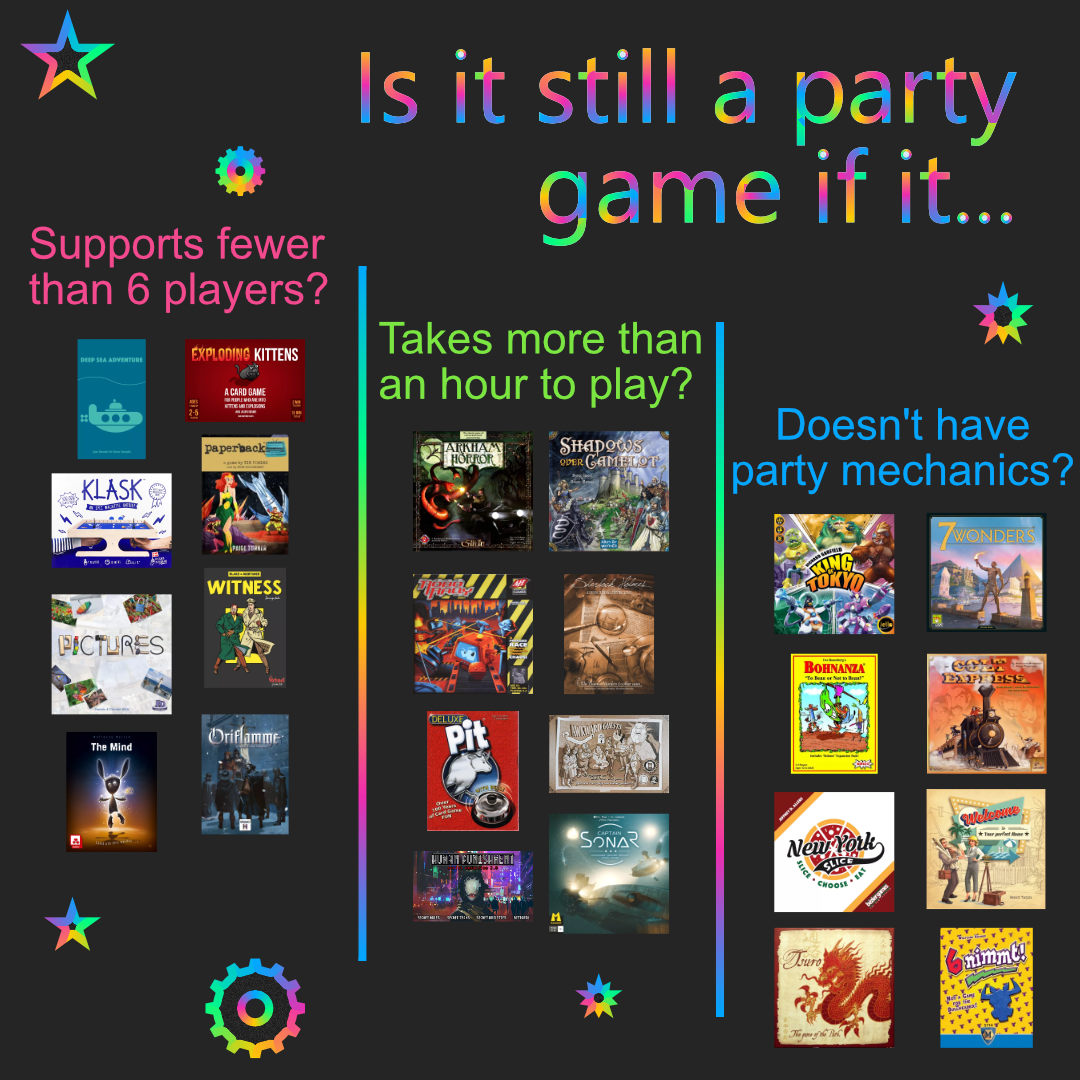
Great question! The main difference boils down to focus and complexity. Party games are specifically designed for larger groups and prioritize quick, easy-to-learn fun and lots of laughter. Think games like Telestrations, Codenames, or Cards Against Humanity. They often have simple rules, short playtimes, and are meant to get everyone involved and interacting socially, often with a comedic element. Regular board games can vary wildly in complexity and player count. Some are simple, like Ticket to Ride, while others, like Gloomhaven, are incredibly deep, strategic, and can take hours. Party games are all about that immediate social buzz, while regular board games can offer deeper strategic challenges or intricate storytelling.