Menopause Tech Wearables: Your Secret Weapon Against Hot Flashes
Let’s be real. Hot flashes? They’re the unwelcome guests nobody invited to the menopause party. One minute you’re fine, the next you’re a human furnace. It’s disruptive, embarrassing, and frankly, just plain aoying. For years, we’ve dealt with this with fans, ice packs, and maybe a silent scream into a pillow. But guess what? Times have changed. Tech is stepping up to the plate, offering some seriously cool (pun intended) solutions.

Source : femtechworld.co.uk
We’re talking about wearable devices designed specifically to help you manage those sudden temperature surges. Think of them as your personal climate control, strapped right to you. No more fumbling for a fan or frantically searching for air conditioning. These gadgets are changing the game, giving you back a sense of control when your body feels like it’s going rogue.
The Hot Flash Meltdown: Why It Happens
First off, why do these fiery episodes even happen? It all boils down to your hormones, specifically estrogen. As your estrogen levels start to drop, they mess with your hypothalamus, the part of your brain that acts like your body’s thermostat. It gets confused, thinking you’re overheating even when you’re not. So, it cranks up the cooling system – cue the sweating, blushing, and that shaky feeling. It’s like your internal thermostat is on the fritz, and hot flashes are the result.
This isn’t just a mild inconvenience for most. We’re talking about disrupted sleep, mood swings, and a serious impact on your daily life. Trying to focus at work? Nope. Enjoying a night out? Maybe not. It’s a full-body takeover that can leave you feeling drained and frustrated. And who needs that added stress on top of everything else that comes with aging?
Wearable Tech to the Rescue: How It Works

Source : amazon.com
So, how exactly do these gadgets work? It’s pretty clever science, really. Most of these menopause wearables focus on temperature regulation. They essentially create a small, targeted cooling or warming sensation right where you need it most, usually on your wrist or neck. When you feel that familiar warmth creeping up, you activate the device.
It’s not about freezing you solid or baking you alive. It’s about subtle, precise temperature changes that trick your brain back into thinking everything is normal. By quickly cooling or warming the blood vessels in a key area, it sends signals to your brain that can help interrupt the hot flash cycle before it gets going full steam. Think of it like a quick reset button for your internal thermostat.
Types of Menopause Tech Wearables
You’ve got a few main players in the menopause tech arena. We’re seeing wristbands, necklaces, and even patches. Each has its own approach, but the goal is the same: provide immediate relief.
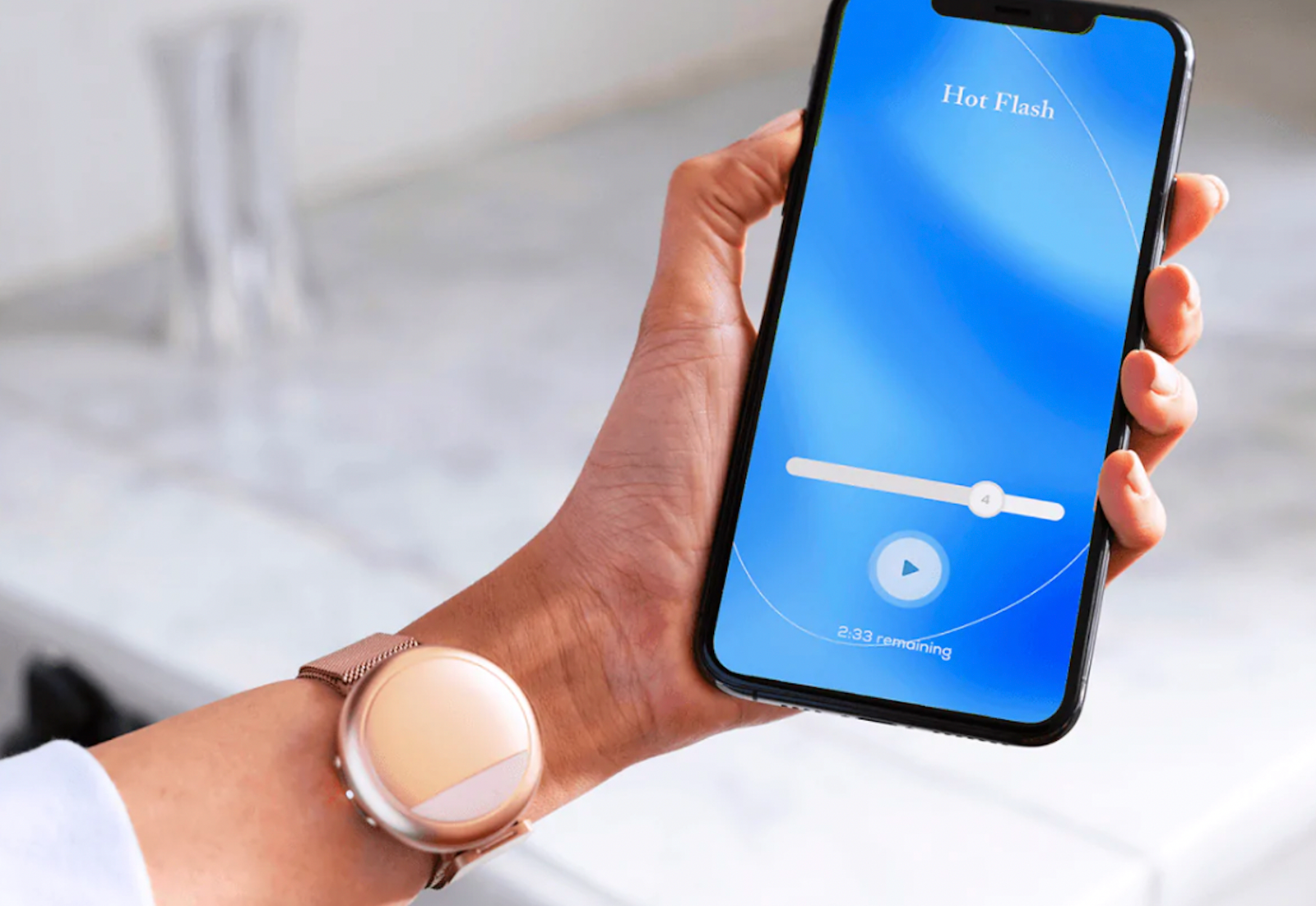
- Wristbands: These are super popular. They sit on your wrist and use cooling technology. The idea is that by cooling the blood flowing through the major veins in your wrist, you can lower your overall body temperature quickly. Some even have apps to track your flashes and customize settings. The Embr Wave 2 is a prime example, designed to deliver temperature sensations to your ier wrist.
- Cooling Necklaces/Pendants: These hang around your neck, often designed to look like stylish jewelry. They work similarly to wristbands, targeting the temperature-sensitive area around your neck. Some use phase-change materials that absorb heat, while others might have active cooling elements.
- Smart Patches: These are often discreet and applied to the skin. They might use gentle electrical pulses or cooling gels to provide relief. The science behind these can vary, but they aim for targeted, localized comfort.
It’s not just about one-size-fits-all either. Many of these devices come with companion apps. This lets you log your hot flashes, see patterns, and adjust the intensity or duration of the cooling/warming. It’s like having a personal hot flash diary that also helps you fight back. This data can be invaluable.
Embr Wave 2: A Closer Look
Let’s dig into one of the most talked-about devices: the Embr Wave 2. This isn’t just a simple bracelet; it’s a piece of personal temperature control tech. You wear it on your wrist, and when a hot flash hits, you tap it to initiate a cooling sensation.
The magic is in how it uses waveform technology. It delivers gentle pulses of cooling or warming to your skin. These pulses stimulate the nerves in your wrist, essentially sending a signal to your brain to calm down your body’s response to the heat. It’s all about rebalancing your perception of temperature. The accompanying app allows you to fine-tune these sensations, track your cycles, and even learn your body’s patterns. It’s a really smart approach to managing symptoms.
The Cool Down Necklace: Another Option
Then you have devices like the Cool Down Necklace. This often looks like a piece of modern jewelry, making it discreet and stylish. Unlike a wristband, it sits right on your pulse points at the neck, another area sensitive to temperature changes. It uses a clever system, often involving a reusable cooling insert or advanced thermal technology, to provide continuous or on-demand relief.

Source : pcmag.com
The beauty here is discretion. You don’t have to aounce to the world you’re having a hot flash. You can subtly activate your necklace and feel the cool relief without anyone knowing. It’s about regaining your composure and confidence, even when your body is throwing a curveball. This kind of tech is a godsend.
Perimenopause Wearables: Beyond Just Hot Flashes
While hot flashes are a major symptom, menopause and perimenopause bring a whole host of other challenges. Some newer devices are starting to look at the bigger picture. Take the CoolFem device, for instance. This wearable is designed specifically for perimenopausal women and aims to offer relief beyond just the immediate flush. It’s exploring ways to help manage symptoms more broadly.
The focus is often on temperature regulation, but the aim is to provide a more consistent sense of well-being. Think about it: better sleep due to fewer night sweats, improved mood because you’re not constantly overheating, and a general feeling of being more in control of your body. It’s about tackling the symptoms that affect your quality of life day in and day out. These iovations are crucial.
The Science Behind the Relief
How does cooling your wrist or neck actually help with a full-body hot flash? It’s a fascinating area of study. The principle is called localised cooling. Your body has a thermoregulatory system, and the skin, especially areas with good blood flow like the wrists and neck, plays a big role. When you apply targeted cooling to these areas, it affects the blood circulating close to the surface.
This localized cooling can trigger physiological responses that help dissipate heat. It’s thought to influence the vasodilation (widening of blood vessels) and sweating associated with hot flashes. By cooling these key points, you’re essentially providing a counter-signal to the brain’s overheating alarm. It’s a clever trick on your nervous system, helping to bring your core temperature back to its set point more efficiently. It’s science at its most practical.
Furthermore, some research suggests that the psychological effect of having a tool to combat hot flashes is significant. The simple act of knowing you have relief at your fingertips can reduce anxiety around potential flashes, which in turn can sometimes prevent or lessen their severity. It’s a mind-body coection that wearables tap into.
Choosing the Right Device for You
Okay, so you’re convinced. You want in on this menopause tech revolution. But where do you start? With so many options, how do you pick the one that’s right for you?

Source : theflowspace.com
Consider these points:
- Your Symptoms: Are your hot flashes intense and frequent, or more mild and occasional? Do you suffer from night sweats? Some devices are better for immediate, intense relief, while others might offer more sustained comfort.
- Lifestyle: Are you looking for something discreet you can wear to work, or something you can use at home? Do you want app coectivity for tracking, or just a simple on/off device? Think about your daily routine.
- Budget: These devices range in price. Set a budget beforehand to narrow down your options. Remember, it’s an investment in your comfort and quality of life.
- Reviews and Research: Don’t just take my word for it. Read reviews from other women. Look for studies or information from reputable sources about the effectiveness of specific technologies.
The best device is ultimately the one that works for your body and your life. What works wonders for one person might be just okay for another. It often takes a little trial and error. Don’t be afraid to experiment.
The Future of Menopause Management
This is just the begiing, folks. As technology advances, we can expect even more sophisticated solutions for managing menopause symptoms. Imagine wearables that not only cool you down but also monitor other vital signs, provide personalized nutritional advice, or even offer gentle exercise prompts tailored to your hormonal phase.
The trend is clear: tech is becoming an increasingly important partner in women’s health, particularly during life transitions like menopause. We’re moving away from just ‘toughing it out’ and towards proactive, data-driven, and personalized management. It’s an exciting time to be navigating this phase, armed with better tools than ever before. The future looks brighter, and cooler.
Frequently Asked Questions (FAQs)
What is the wearable device for hot flashes?
A wearable device for hot flashes is a gadget you wear on your body, typically on your wrist or around your neck, designed to provide relief from sudden feelings of intense heat. These devices use cooling or warming technology to regulate your body temperature in targeted areas, helping to interrupt or lessen the severity of hot flashes. Think of them as personal, portable climate controllers for managing menopausal symptoms. They offer immediate relief.
What does Jeifer Aniston use for menopause?
While Jeifer Aniston has been open about navigating menopause and its challenges, she hasn’t publicly endorsed or specified a particular wearable device she uses for hot flashes. Many celebrities advocate for open conversations about menopause and various approaches to managing symptoms, but specific product recommendations are often kept private or are not the focus of their public discussions. Her focus is on awareness.
Can tech help with menopause symptoms?
Absolutely. Tech is making a huge difference in managing menopause symptoms, especially hot flashes. Beyond wearables that offer temperature regulation, there are apps for tracking symptoms, sleep monitors to help with night sweats, and even telehealth platforms coecting you with specialists. This technology provides personalized insights and immediate relief options, empowering women to take a more active role in their health during this transition. It’s a game-changer.
Are menopause wearables effective?
Yes, many menopause wearables have proven effective for a significant number of women. While individual results can vary, the technology behind localized cooling and warming is based on scientific principles of thermoregulation. Devices like the Embr Wave 2 have received positive feedback for their ability to provide quick relief. Success often depends on the specific device, the individual’s body chemistry, and the severity of their symptoms. They offer real relief.
How much do menopause wearables cost?
The cost of menopause wearables can vary widely. Simpler devices or those relying on passive cooling might be more affordable, ranging from around $50 to $150. More advanced devices with smart technology, app coectivity, and active heating/cooling elements, like the Embr Wave 2, can cost anywhere from $200 to $300 or more. It’s an investment in comfort, and prices reflect the technology and features offered. Consider the features.