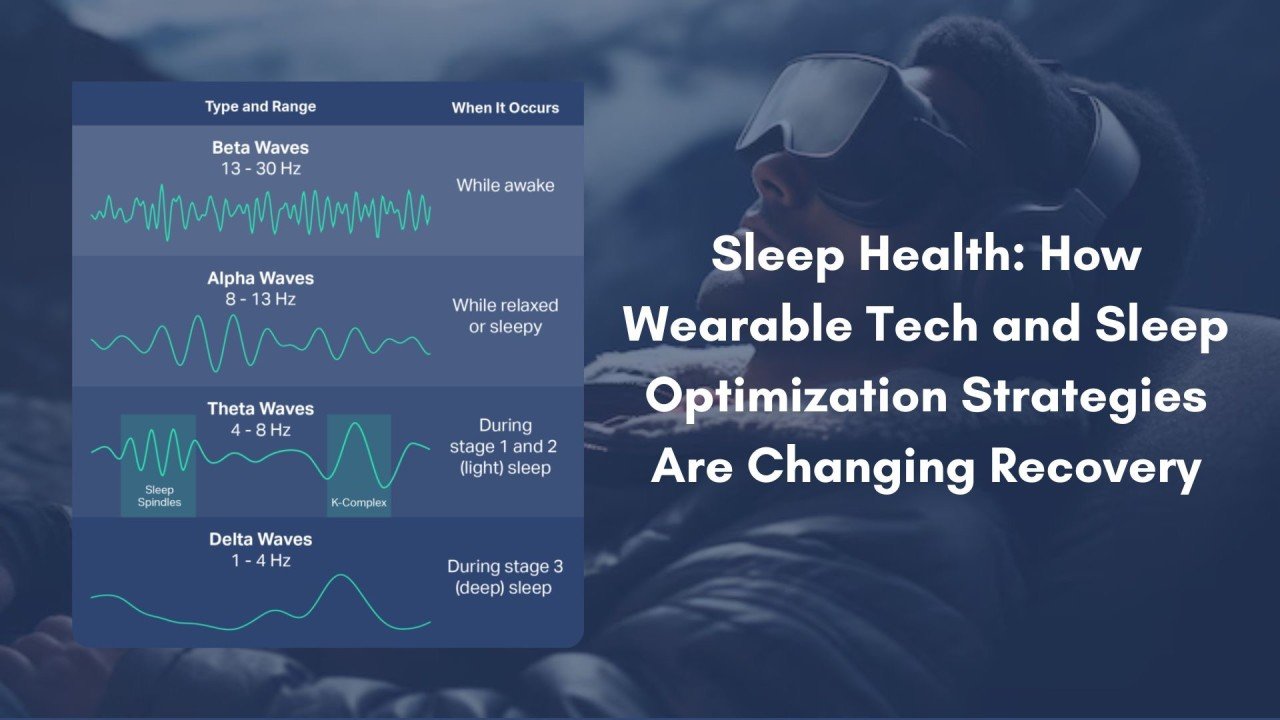
The Sleep Tech Revolution: Your Secret Weapon for Peak Performance
Forget the late nights and early mornings grinding away. The real win, the secret sauce to crushing your goals, isn’t about more hours logged. It’s about smarter recovery.
And guess what? Technology is finally catching up to our need for quality shut-eye. We’re talking about a whole new game plan here, folks.
This isn’t just about feeling less tired; it’s about unlocking your potential when you’re awake.
Source : linkedin.com
Let’s be honest, most of us are walking around like zombies. Burning the candle at both ends? Yeah, that used to be a badge of honor.
Now? It’s just a fast track to burnout. The science is crystal clear: sleep is where the magic happens.
It’s when your brain cleans house, your muscles repair, and your whole system resets. But in our hyper-connected, always-on world, getting that quality sleep feels like a luxury only the lucky few can afford. Until now.
I’ve spent years digging into this stuff, talking to athletes, tech geeks, and folks just trying to survive the daily grind. And let me tell you, the amount of innovation happening in the sleep optimization space is frankly mind-blowing. We’re moving beyond counting sheep and into a future where tech actively helps you catch those crucial Zzzs. It’s time to stop guessing and start knowing exactly what your body needs to recover fully.
Why Sleep Tech Isn’t Just Another Gimmick
Look, I get it. “Sleep tech” sounds like something out of a sci-fi movie. Maybe even a little… extra? But here’s the deal: your body’s not a machine you can just run 24/7.
It needs downtime. It needs active recovery. And frankly, relying on willpower alone to get enough deep, restorative sleep is a losing battle for most of us.
That’s where these new gadgets and apps come in. They’re not replacing good habits, they’re enhancing them. Think of it like a personal sleep coach, but it lives on your wrist or bedside table.
It’s about gathering data, understanding your patterns, and making targeted adjustments. It’s about finally taking control of your sleep quality.
We’re talking about devices that track your heart rate variability, your REM cycles, even the ambient noise in your room. Sounds intense? Maybe.
But this isn’t just about collecting numbers. It’s about translating that data into actionable insights. Knowing you tossed and turned for an hour isn’t helpful.
Knowing that the extra hour of screen time last night disrupted your deep sleep? That’s information you can actually use. It’s about finally understanding what works for you, personally.
This isn’t about some vague “optimize your life” nonsense. This is about tangible improvements. Better focus.
Faster workout recovery. Sharper decision-making. Less irritability (you know who you are).
It’s about performing at your best, not just occasionally, but consistently. And it all starts with getting truly restorative sleep. This tech is the key to that.
The Latest Gear for a Better Night’s Sleep
Alright, enough talk. You want to know what’s actually out there, right? The market’s exploded, and it can be a bit overwhelming.
So, I’ve sifted through the noise to highlight some of the coolest and most effective sleep recovery tools. These aren’t just novelty items; they’re designed to make a real difference in your sleep patterns and overall well-being. Forget the magic pills; this is about smart, data-driven solutions.
Wearables That Track Your Sleep
This is probably the most common entry point for most people dipping their toes into sleep tech. You slap on a device, and boom – instant data. But not all wearables are created equal.
Some just count steps and estimate sleep duration. Others offer incredibly detailed breakdowns of your sleep stages (light, deep, REM). You’re looking for something that gives you more than just a number.
Something that tells a story about your night. It’s about digging into the metrics that matter.
Think of devices like the Oura Ring or WHOOP strap. They go way beyond your basic fitness tracker. They analyze heart rate, heart rate variability (HRV), body temperature, and even movement to give you a comprehensive look at your body’s recovery.
It’s like having a personal sleep scientist on your finger or wrist, constantly monitoring your physiological state. The insights you get from this kind of data can be game-changing for understanding how your daily activities impact your actual rest.
Even your trusty smartwatch is getting smarter. Many newer models now boast advanced sleep tracking features. While they might not be as specialized as a dedicated ring or strap, they offer a convenient way to start monitoring your sleep without buying a whole new gadget. It’s a great first step to building awareness around your sleep hygiene and habits.
Smart Mattresses and Beds
Okay, this is where things get serious. We’re talking about the big guns. Smart mattresses are designed to actively improve your sleep environment.
Some can adjust firmness or temperature throughout the night based on your body’s needs or even track your sleep movements. Imagine a mattress that gently cools you down when your body temperature rises, or subtly adjusts to keep you in the optimal position for uninterrupted sleep. Wild, right?
Brands like Eight Sleep are really pushing the envelope here. Their mattresses have incredible sleep tracking capabilities built right in, plus temperature regulation technology. It’s not just about comfort; it’s about creating the ideal sleep conditions for your unique physiology. This is the kind of investment that can pay dividends for years to come, directly impacting your daily energy levels and cognitive function.
Then you have smart bed frames that can elevate your head or feet. This might sound simple, but for people dealing with snoring, sleep apnea, or even just general discomfort, this feature can be a total lifesaver. It’s about using technology to address specific sleep issues and create a truly personalized sleeping experience. It’s a far cry from just propping yourself up with a few extra pillows.
Sleep Trackers and Environmental Monitors
Beyond wearables and the bed itself, there are other gadgets focused on optimizing your sleep environment. Think devices that monitor your bedroom’s temperature, humidity, and even light levels. Some can even play white noise or guided meditations to help you drift off. Creating the right atmosphere is often half the battle when it comes to falling asleep faster.
Devices like the Hatch Restore are fantastic examples. They combine a smart light, sound machine, and meditation guide into one sleek package. You can set a personalized wind-down routine that gradually dims the light and plays calming sounds, signaling to your brain that it’s time to rest.
It’s about creating a digital sanctuary for sleep. For athletes looking to maximize recovery, investing in this kind of tech is just as crucial as their training regimen. You can learn more about how technology can optimize athlete recovery at usachealth.org.
Air purifiers with sleep modes can also make a surprising difference, ensuring the air you breathe all night is clean and conducive to rest. Even smart plugs that control your lamps can be programmed to mimic natural light cycles, helping to regulate your body’s internal clock. It’s all about creating a sleep-friendly ecosystem, and these smaller devices play a vital role. As Forbes highlights, the best sleep tech products are those that integrate seamlessly into your life.
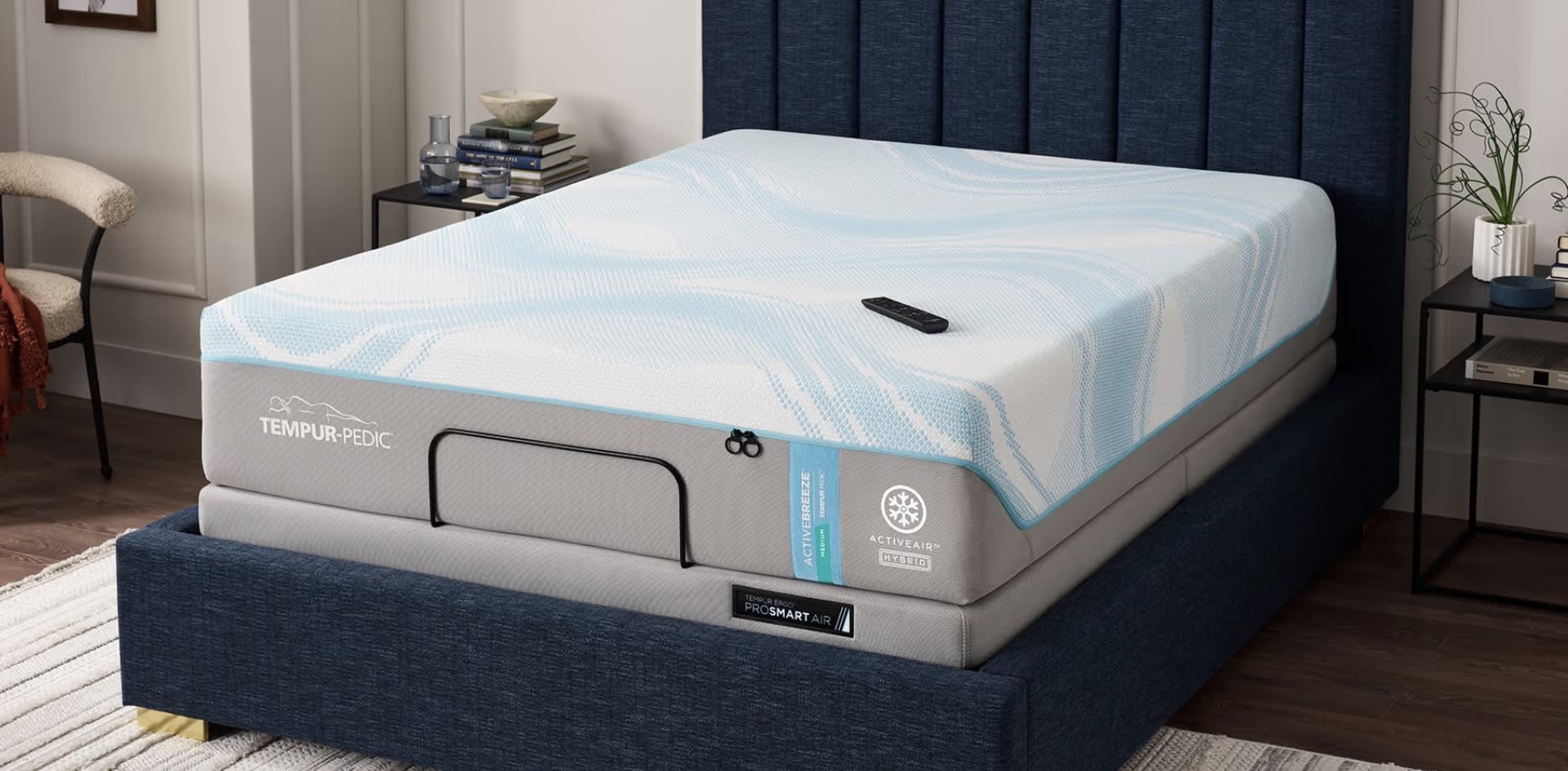
The Best Smart Mattresses of 2026 for Temperature Control
Source : sleepfoundation.org
Cooling Tech You Can Feel
Forget waking up a sweaty mess. The top smart mattresses are seriously changing the game when it comes to keeping your cool all night long. We’re talking about advanced materials and active cooling systems that don’t just passively wick moisture, but actively draw heat away from your body.
It’s like sleeping on a cloud that also happens to be a personal AC unit. This isn’t just about comfort; it’s about optimizing your sleep environment for deeper, more restorative rest. Think about it: if your body is too hot, it struggles to enter those crucial deep sleep stages.
These mattresses are designed to prevent that. It’s a pretty sweet deal, frankly. You get better sleep, and you don’t have to crank your home AC to arctic levels, saving you some serious cash on your electricity bill.
That’s a win-win in my book. Some models even let you adjust the temperature on each side, perfect for couples with different thermostat preferences. No more thermostat wars!
Smart Adjustments for Perfect Comfort
It’s not just about staying cool; it’s about finding that sweet spot. The really high-end models learn your sleep patterns. Seriously.
They can sense when you’re tossing and turning and subtly adjust the firmness or support. Some even sync with your fitness tracker to know if you had a tough workout and might need extra pressure relief. This level of personalized comfort used to be science fiction.
Now? It’s a reality you can buy. Imagine a mattress that actively works to support your body, reduce pressure points, and keep you at the ideal temperature.
That’s the promise, and the best ones are delivering. It’s like having a personal sleep butler, but way less creepy and a lot more effective. You wake up feeling genuinely refreshed, not just less tired.
The difference is palpable.
Material Science: Beyond Memory Foam
The secret sauce? It’s all in the materials. Forget basic memory foam.
We’re seeing innovative hybrids combining cooling gels, phase-change materials, and even breathable natural fibers like bamboo and Tencel. Some mattresses use advanced airflow channels built right into the core, creating a microclimate that’s constantly circulating fresh, cool air. It’s a far cry from the hot, stuffy beds of yesteryear.
These advancements mean you’re not just buying a mattress; you’re investing in sleep environment tech. The goal is to minimize disruptions, and temperature is a huge one. Getting this right means you’re less likely to wake up, more likely to stay asleep, and that translates directly to better physical and mental recovery.
It’s a sophisticated approach to a very basic human need. Pretty neat, huh?
Acoustic Sleep Therapy: Pink vs Brown Noise

Source : yogasleep.com
The Science of Soothing Sounds
Ever tried to sleep with the city buzzing outside? Or maybe your partner snores like a freight train? Yeah, not fun.
That’s where acoustic sleep therapy comes in. It’s all about using sound to mask those disruptive noises and create a more peaceful sleep environment. Think of it as a white noise machine, but more sophisticated.
The key is finding the right “color” of noise for you. We’re not just talking random static here; we’re talking about carefully curated frequencies designed to promote relaxation and deeper sleep. It sounds simple, but the impact can be massive.
A good night’s sleep means you’re sharper, healthier, and just generally a more pleasant human to be around. Trust me on this one. It’s often overlooked, but sound is a huge factor in our sleep quality.
You might be surprised how much a little audio magic can help.
Pink Noise: The Calming Wave
Pink noise is like the mellow cousin of white noise. It’s got a more consistent sound across all frequencies, giving it a deeper, richer tone. Many people find it incredibly soothing, almost like a gentle rain or a consistent hum.
It’s great for masking sudden noises because it evens everything out. If you’re sensitive to sharp sounds, pink noise can be your new best friend. Some studies even suggest it can improve memory recall during sleep.
Pretty cool, right? The idea is to create a consistent auditory backdrop that drowns out distractions without being too intrusive. It’s a delicate balance, and pink noise often hits that sweet spot for a lot of folks.
It’s not as jarring as pure white noise, making it easier to fall asleep and stay asleep. Definitely worth exploring if you struggle with noise-related sleep disruptions.
Brown Noise: The Deep Rumble
Now, brown noise. This one is even deeper than pink noise. Think of the sound of a strong waterfall or a low rumble.
It’s got more power in the lower frequencies. Because of its depth, brown noise is exceptionally good at masking low-frequency sounds, like traffic or loud neighbors. Some people find it more effective for deep sleep because it feels more grounding and less “busy” than pink or white noise.
It can create a real sense of auditory isolation, helping you tune out the world and focus on resting. It’s a powerful tool for creating a sanctuary of quiet in a noisy world. If you find pink noise a bit too light, give brown noise a shot.
You might just discover your perfect sleep soundtrack. The deeper tones can be incredibly effective for creating a truly tranquil atmosphere.
Finding Your Sonic Sweet Spot
Ultimately, it comes down to personal preference. What one person finds calming, another might find irritating. The best approach?
Experiment! Most apps and devices offer various types of noise. Try listening to pink and brown noise for a few minutes during the day to see how they make you feel.
Then, test them out over a few nights. Pay attention to how quickly you fall asleep, how often you wake up, and how you feel in the morning. You might be surprised by what works best for you.
Don’t be afraid to tweak the volume and explore different sound profiles. The goal is to find a sound that helps you drift off easily and stay asleep without being annoying. It’s about finding that perfect sleep sound.
Circadian Rhythm Lighting: Enhancing Sleep Quality

Source : empowersleep.com
The Light-Sleep Connection
Our bodies are basically hardwired to follow the sun. This internal clock, your circadian rhythm, tells you when to wake up and when to sleep. And guess what’s the biggest cue for that clock?
Light. Specifically, the color and intensity of light. During the day, bright, blue-toned light tells your brain, “Hey, wake up!
It’s go-time!” As the sun sets, warmer, dimmer light signals, “Okay, time to wind down.” The problem? Modern life, with all its artificial lights and screens, messes this up big time. We’re exposing ourselves to stimulating blue light late into the night, confusing our brains and wrecking our sleep cycles.
It’s a massive disruption. And the consequences? Insomnia, fatigue, and all sorts of other health issues.
Fixing your light exposure is one of the simplest, yet most effective, ways to improve your sleep. It’s about syncing your environment back up with your body’s natural needs.
Blue Light: The Sleep Saboteur
You’ve heard about blue light from phones and computers, right? It’s the enemy of good sleep. That blue light is super effective at suppressing melatonin, the hormone that makes you feel sleepy.
So, scrolling through social media or watching TV right before bed is like sending your brain a direct message: “NO SLEEP ALLOWED!” This isn’t just about feeling groggy; chronic blue light exposure at night can mess with your hormones, impact your mood, and even increase your risk for certain diseases over time. It’s a serious issue, and we’re all guilty to some extent. Think of it as artificial daylight flooding your bedroom.
Your brain just can’t make sense of it. It’s a constant battle to trick your body into sleeping when it’s getting mixed signals. We need to be smarter about how we use light in the evenings.
Warm Light for Winding Down
So, what’s the fix? Simple: embrace warm light in the evening. Think amber, red, or soft yellow hues.
These colors have a much lower impact on melatonin production. Installing dimmable, warm-toned bulbs in your bedroom and living areas can make a world of difference. Some smart bulbs even let you schedule color temperature changes throughout the day, mimicking natural sunset patterns.
This gradual shift helps your body naturally prepare for sleep. It’s about creating a calming, sleep-conducive atmosphere. Imagine your bedroom transforming into a cozy sanctuary as bedtime approaches.
That’s the goal. This gentle transition signals to your brain that it’s time to relax and get ready for a night of restorative sleep. It’s a powerful cue that our bodies understand intrinsically.
It’s a much better approach than just flicking off the lights and hoping for the best.
The Power of Darkness
And let’s not forget the other side of the coin: absolute darkness. Once you’re ready for sleep, make your room as dark as humanly possible. Even tiny slivers of light from electronics or outside streetlights can disrupt your sleep cycle.
Blackout curtains are your best friend here. If you can’t achieve total darkness, consider a comfortable, breathable eye mask. Making your sleep space truly dark is crucial for maximizing melatonin production and getting the deepest, most refreshing sleep.
It’s about creating the ideal conditions for your body to do what it does best: recover. Darkness is not just the absence of light; it’s an active signal for rest and repair. Don’t underestimate its power in optimizing your sleep.
Sleep Tracking Rings vs Traditional Watches
Source : cnet.com
Wearables: The Modern Sleep Coach
Look, we all know sleep is important. But how important, and how good is yours? That’s where sleep trackers come in.
They used to be clunky wristbands, but now we’ve got sleeker options like smart rings and advanced watches. These gadgets promise to give you the inside scoop on your nightly rest, breaking down your sleep stages, heart rate, and even how much oxygen you’re getting. It’s like having a personal sleep detective on your finger or wrist.
The data can be eye-opening, revealing patterns you never knew existed. Maybe you’re getting enough hours but not enough deep sleep? Or perhaps your heart rate spikes unexpectedly?
Understanding these metrics can be the first step to making real changes for better recovery. It’s data-driven insight for your well-being.
The Ring Advantage: Discreet and Focused
Smart rings, like the Oura Ring, are often lauded for their comfort and focus. They’re small, unobtrusive, and designed to be worn 24/7, including during sleep. Because they sit right on your finger, they can capture heart rate variability (HRV) and body temperature with impressive accuracy.
Many users find them less distracting than a watch, especially if you’re sensitive to wearing things on your wrist at night. The insights they provide are often geared towards readiness and recovery, telling you how prepared your body is for the day ahead. It’s less about fitness tracking and more about optimizing your overall physiological state.
The discreet design means you often forget you’re even wearing it, which is a huge plus for sleep. It’s a dedicated sleep and recovery tool.
Watch Your Sleep: The All-in-One Option
Smartwatches, on the other hand, offer a broader range of features. They track sleep, sure, but they also handle notifications, GPS, workouts, contactless payments, and a whole lot more. If you’re looking for a single device that does it all, a smartwatch might be your pick.
Many now have excellent sleep tracking capabilities, analyzing sleep stages, duration, and disturbances. The advantage here is convenience – you might already own one. However, some people find wearing a watch to bed uncomfortable, and the constant array of notifications can be a distraction.
Battery life can also be a concern if you need to charge it daily. But for sheer versatility and the ability to integrate sleep data with your daily activity, smartwatches are hard to beat.
Comparing the Data: Accuracy and Actionability
So, which is better? It really depends on your priorities. Rings often excel in continuous, comfortable tracking and focus on recovery metrics like temperature and HRV.
Watches offer a broader feature set, potentially sacrificing some comfort for a wider range of capabilities. When it comes to accuracy, both have gotten remarkably good, but there can still be variations. The key isn’t just raw data; it’s actionable insights.
Does the tracker tell you why your sleep was poor and what you can do about it? Look for devices that offer personalized recommendations based on your data. Ultimately, the best tracker is the one you’ll actually wear consistently and use to make positive changes.
It’s about finding the tool that motivates you to prioritize sleep.
Supplements and Tech Combating Chronic Insomnia

Source : wired.com
The Insomnia Battle: A Tech & Supplement Alliance
Let’s be honest, chronic insomnia is brutal. It drains you, messes with your mood, and impacts every single aspect of your life. For years, the go-to solution was often just popping a pill.
But now? We’re seeing a powerful alliance form between cutting-edge tech and smart supplements. It’s not about finding a magic bullet, but rather a holistic approach that addresses the multifaceted nature of sleep disruption.
Think smart devices guiding you into relaxation, combined with carefully chosen supplements that support your body’s natural sleep processes. This combination can be incredibly effective for people who have struggled with sleep for years. It’s about empowering yourself with tools that work with your body, not against it.
This integrated strategy is really the future of tackling persistent sleep issues. It’s a welcome change from the one-size-fits-all pill approach.
Tech Tools for Taming the Racing Mind
When your brain just won’t switch off, technology can actually help. We’re talking about guided meditation apps, biofeedback devices that help you regulate your heart rate, and even specialized lighting systems designed to promote relaxation. Devices like the Calm app or Muse headband use neuroscience to guide you into a calmer state.
Some wearables now offer guided breathing exercises or gentle haptic feedback to cue relaxation. The goal is to intercept those racing thoughts and anxious feelings before they completely derail your sleep. It’s about retraining your brain to associate bedtime with calm, not chaos.
These tools provide structured pathways to mindfulness and relaxation, making it easier to transition from a stressed state to a restful one. It’s a proactive way to manage your mental state before hitting the pillow. A little tech intervention can go a long way.
Supplements: Beyond Melatonin
Melatonin is the obvious starting point for many, but it’s not the only player in the sleep supplement game. Magnesium, for instance, is crucial for muscle relaxation and nervous system regulation, and many people are deficient. L-theanine, an amino acid found in green tea, is known for its calming effects without causing drowsiness.
Then there’s Ashwagandha, an adaptogen that can help your body manage stress, which is often a major contributor to insomnia. Combining these with better sleep hygiene and tech tools can create a powerful synergy. Always talk to your doctor before starting any new supplements, especially if you have underlying health conditions or take other medications.
But exploring these options can open up new avenues for natural sleep support. They work by supporting your body’s innate ability to relax and prepare for sleep. It’s about giving your system the building blocks it needs.
The Importance of a Sleep Schedule
No amount of tech or supplements can truly fix chronic insomnia if you don’t have a consistent sleep schedule. Seriously. Going to bed and waking up around the same time every single day, even on weekends, is foundational.
It reinforces your body’s natural circadian rhythm. Think of it as the ultimate anchor for your sleep-wake cycle. All the fancy gadgets and natural aids work best when they’re supporting a regular sleep routine.
If your schedule is all over the place, your body simply won’t know when to expect sleep. So, while these tools are amazing enhancers, they’re most effective when paired with this basic, non-negotiable habit. This is the bedrock upon which all other sleep improvements are built.
You can read more about how technology can help with sleep routines here: sleep better with tech.
| Tech/Supplement Category | Primary Benefit | Example Product/Type | Best For |
|---|---|---|---|
| Smart Lighting | Regulates circadian rhythm, promotes melatonin production | Philips Hue Smart Bulbs, Lumie Bodyclock | Difficulty winding down, inconsistent sleep schedules |
| Sleep Trackers (Rings/Watches) | Monitors sleep stages, HRV, temperature | Oura Ring, Apple Watch, Fitbit Sense | Understanding sleep patterns, identifying disruptions |
| Sound Machines/Apps | Masks disruptive noises, creates calming auditory environment | Hatch Restore, Calm App, White Noise Pro | Sensitivity to noise, racing thoughts |
| Mindfulness/Meditation Tech | Reduces anxiety, trains relaxation response | Muse Headband, Headspace App | Stress-related insomnia, difficulty quieting the mind |
| Magnesium Supplements | Muscle relaxation, nervous system support | Magnesium Glycinate, Magnesium Citrate | Restless legs, muscle cramps affecting sleep |
| L-Theanine | Promotes calm without drowsiness | Pure L-Theanine Capsules | Feeling wired but tired, general anxiety before bed |
| Adaptogens (e.g., Ashwagandha) | Helps body manage stress response | Ashwagandha Capsules | Insomnia primarily caused by stress and overthinking |
Frequently Asked Questions
-
What's the deal with sleep trackers? Are they actually helpful for improving sleep?
Look, some sleep trackers can be pretty neat. They give you a general idea of how much deep sleep you’re getting and when you’re tossing and turning.
But don’t get too hung up on the exact numbers. Use them as a guide, not gospel. If your tracker says you slept poorly but you feel fine, trust how you feel!
They’re best used to spot trends over time, helping you see if that extra beer or late-night screen time is really messing with your shut-eye quality.
-
I'm interested in recovery tech, but what's the difference between muscle recovery and sleep recovery?
Good question. Muscle recovery is all about fixing up your muscles after a workout. Think foam rolling, massage guns, compression boots – that kind of stuff.
Sleep recovery, on the other hand, is your body’s main gig for repairing everything – your brain, your hormones, your immune system, and yeah, your muscles too. They’re coected, for sure. You can’t really optimize one without the other.
Getting good sleep is like the ultimate recovery tool for your whole system.
-
Are there any specific 'recovery gadgets' that are actually worth the money, or is it mostly hype?
It’s a mixed bag, honestly. Some gadgets are legit, others are pure snake oil. Things like percussive massage guns (like Theragun or Hypervolt) can genuinely help with muscle soreness and stiffness.
Weighted blankets can be amazing for some people dealing with anxiety that keeps them up. But a lot of the fancy lights or sound machines? Probably not worth the cash unless you’ve tried simpler things first.
Start with the basics: good mattress, dark room, cool temps. Then maybe explore.
-
How can I use technology to wind down before bed, not just track my sleep?
Great point! It’s not all about tracking. You can use tech to actively help you chill out.
Apps like Calm or Headspace offer guided meditations and sleep stories that can really quiet your mind. Blue light filters on your devices are a must after sunset – seriously, turn those on! Some smart lights can even mimic a sunset to signal your brain it’s time to wind down.
It’s about using tech to create a calming bedtime ritual, not just data collection.
-
What are the most important sleep metrics I should even pay attention to?
Forget trying to be perfect. Focus on a few key things. Your total time asleep is big – aim for that 7-9 hour window.
Then, how long it takes you to fall asleep (sleep latency) matters. If you’re lying there for an hour, something’s off. Also, try to notice your sleep consistency.
Going to bed and waking up around the same time, even on weekends, makes a massive difference. The fancy stages of sleep? Less important for the average person than just getting enough quality rest consistently.