Vintage Sourcing: How to Spot Quality Fabrics Like a Pro
Forget those flimsy fast-fashion nightmares. We’re talking about diving deep into the world of vintage sourcing, and the real treasure? It’s all about the fabrics. Anyone can slap a vintage label on something, but knowing what’s actually good? That’s the skill. It separates the looky-loos from the serious collectors. So, let’s ditch the guesswork and get down to business. This is how you spot the truly quality fabrics that’ll make your vintage finds sing.

Source : youtube.com
The Fabric Whisperer: What Your Hands Already Know
Okay, first things first. Put your phone down for a sec. Seriously. The most important tool in your vintage sourcing arsenal isn’t fancy, it’s your fingertips. Close your eyes and feel the material. What’s it telling you? Real quality fabric has a certain weight, a certain drape. Think about it – that scratchy polyester blend from the 70s? Feels like a plastic bag. Compare that to a buttery soft cashmere sweater from the same era. Huge difference, right?
Natural fibers are usually your best bet. We’re talking wool, cotton, silk, linen. They feel alive. They breathe. They age gracefully. You can often feel the difference between a high-quality, long-staple cotton and a cheap, short-fiber cotton just by the smoothness. Cashmere, merino wool – they’ve got this incredible softness and a slight resilience that synthetics just can’t mimic. Don’t be afraid to really get in there. Rub it between your fingers. Does it feel luxurious? Does it feel substantial? This tactile test is non-negotiable.
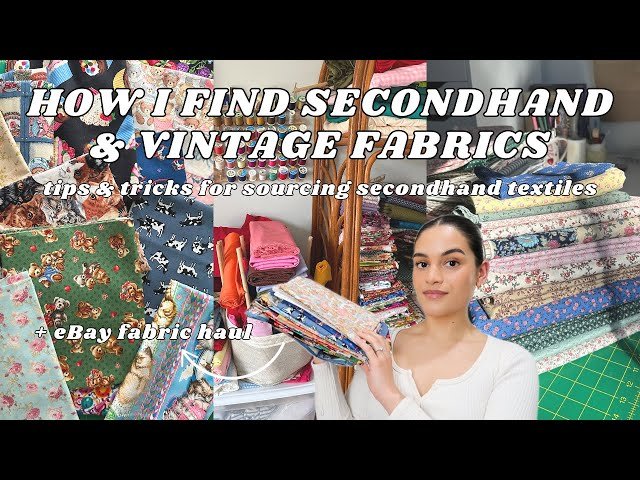
Watch: Vintage Fabric Haul! Plus how to tell if it's vintage fabric?
Decoding the Label: What the Fiber Content Tag Spills
Yeah, yeah, I know. Labels can be misleading. But the fiber content tag is still a crucial clue. Ignore the brand for a second (we’ll get to that). Look at what it’s actually made of. A garment that’s 100% wool? Usually a good sign, unless it’s a super coarse, cheap wool. A blend of 50% silk and 50% cotton? That could be fantastic, offering the sheen of silk with the breathability of cotton. But 100% polyester? Red flag, unless it’s a very specific type of technical fabric (which is rare in true vintage).
What about those old tags? You’ll see terms like ‘rayon’ or ‘acetate’. These are semi-synthetics derived from natural sources (like wood pulp). Good quality rayon can be amazing, mimicking silk beautifully. Bad rayon? Feels weird. Acetate can be a bit stiff. The key here is cross-referencing. If a tag says ‘rayon,’ then you feel it. Does it have that silky flow or does it feel… off?
And don’t forget to check the origin. Sometimes, a ‘Made in Italy’ tag on a wool suit, even if the wool itself isn’t the absolute highest grade, suggests a certain level of craftsmanship. It’s all part of the story. Remember, even a great fabric blend tells you something.
The Weave: It’s All in the Construction
Beyond the fiber type, the way the fabric is constructed is HUGE. This is where you start looking at the weave and construction. Hold the fabric up to the light. Can you see right through it? That’s probably not high quality, unless it’s meant to be sheer, like a chiffon. A tighter, denser weave generally means more durability and a better feel.

Source : blog.shopgoodwill.com
Think about twill weaves – like in sturdy denim or chino pants. That diagonal ribbing? It’s strong. Or a satin weave, which gives you that beautiful sheen and smooth feel. Even within cottons, you’ve got things like percale (crisp, cool) versus sateen (smoother, with a slight sheen). A well-made garment will often feature a fabric that’s suited to its purpose and expertly woven.
Look at the selvedge edge on older denim. That tightly woven, finished edge? A sign of quality denim production from a bygone era. Another thing? The weight. Does the fabric feel substantial, or does it feel like it’ll stretch out and lose its shape after one wear? A heavier weight, especially in things like wool coats or denim, often points to superior fabric quality.
Aging Gracefully: Signs of Natural Wear
This might sound counterintuitive, but sometimes, the signs of natural aging on a vintage piece can actually signal quality. We’re not talking about moth holes or permanent stains here! We’re talking about how the fabric has held up over time. Has a 100% silk blouse retained its sheen? Has a wool skirt kept its shape without excessive pilling? These are good indicators.
Look for subtle signs. Does the fabric have a lovely patina? This is especially true for leather and suede, but even some natural fiber weaves can develop a beautiful character. Has the color faded evenly, or are there weird splotches? Even fading can sometimes speak to the dye quality. A garment that has survived decades with its core structure intact? That’s a testament to the original quality of the materials and construction.
Conversely, watch out for signs of poor aging. Excessive stretching, permanent wrinkles that won’t iron out, pilling that looks like carpet fuzz – these are often signs of lower-quality fibers or poor construction that couldn’t stand the test of time. A truly well-made vintage piece should look its age, not exhausted.
Source : sourceoffabric.com
The Drape Test: How it Hangs Tells All
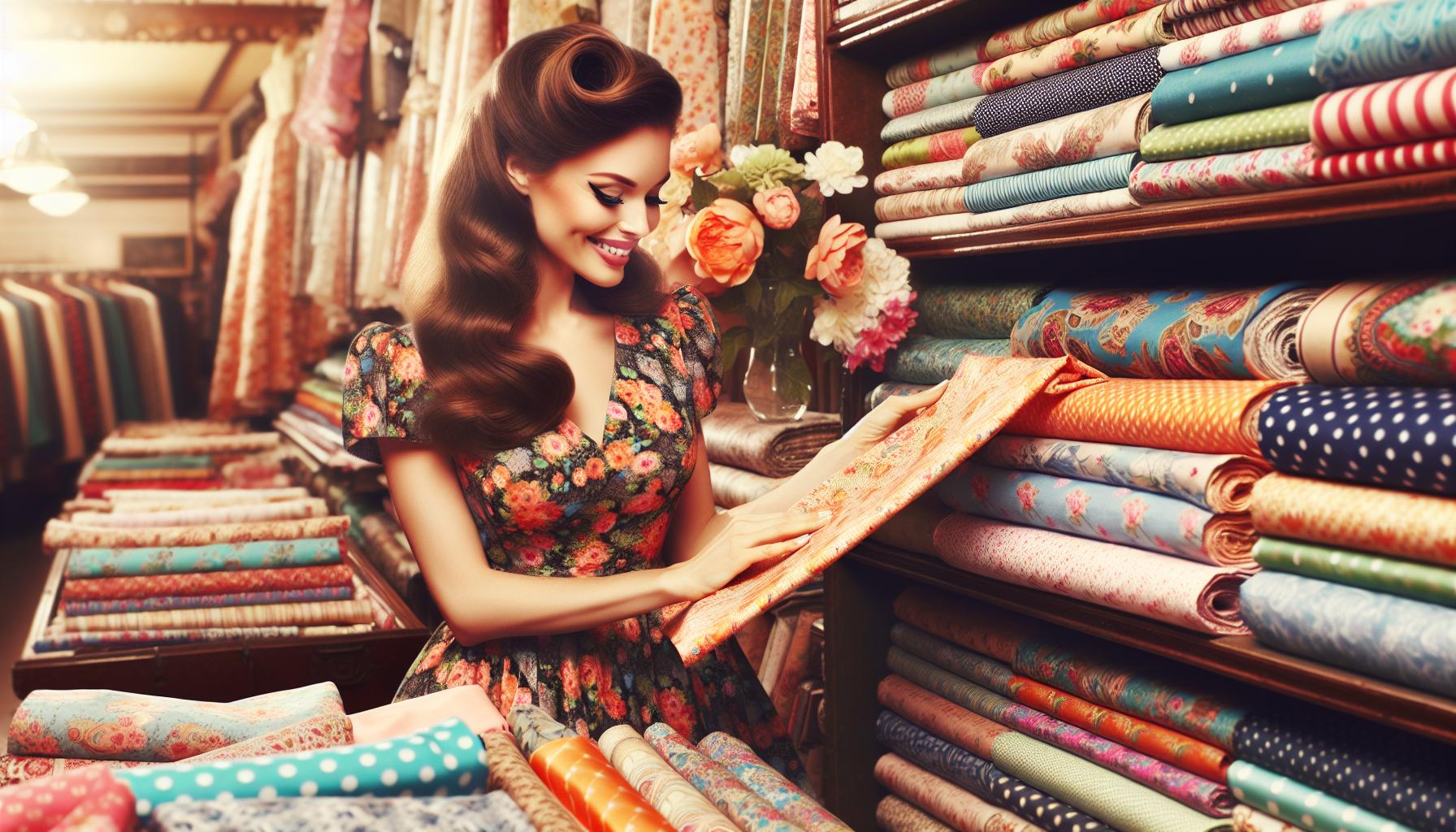
Fabric doesn’t just sit there; it moves. It drapes. And how a quality fabric drapes is a dead giveaway. Pick up a skirt, a dress, or even a jacket. Let it hang from your hand. Does it fall smoothly? Does it have a beautiful, fluid movement? Or does it hang stiffly, like cardboard?
Silk charmeuse, for example, is known for its incredible drape. It flows. A good quality wool crepe will also have a beautiful, weighty drape. Cheap synthetics often refuse to cooperate, holding rigid shapes or clinging awkwardly. You want fabric that seems to have a life of its own, moving with you rather than against you.
Think about the difference between a cheap polyester dress that stands out stiffly and a vintage silk or rayon dress that skims your body. The drape is everything. It speaks to the weight, the weave, and the inherent properties of the fiber itself. It’s a visual cue that screams high-quality textile.
The Light Trick: A Simple, Revealing Test
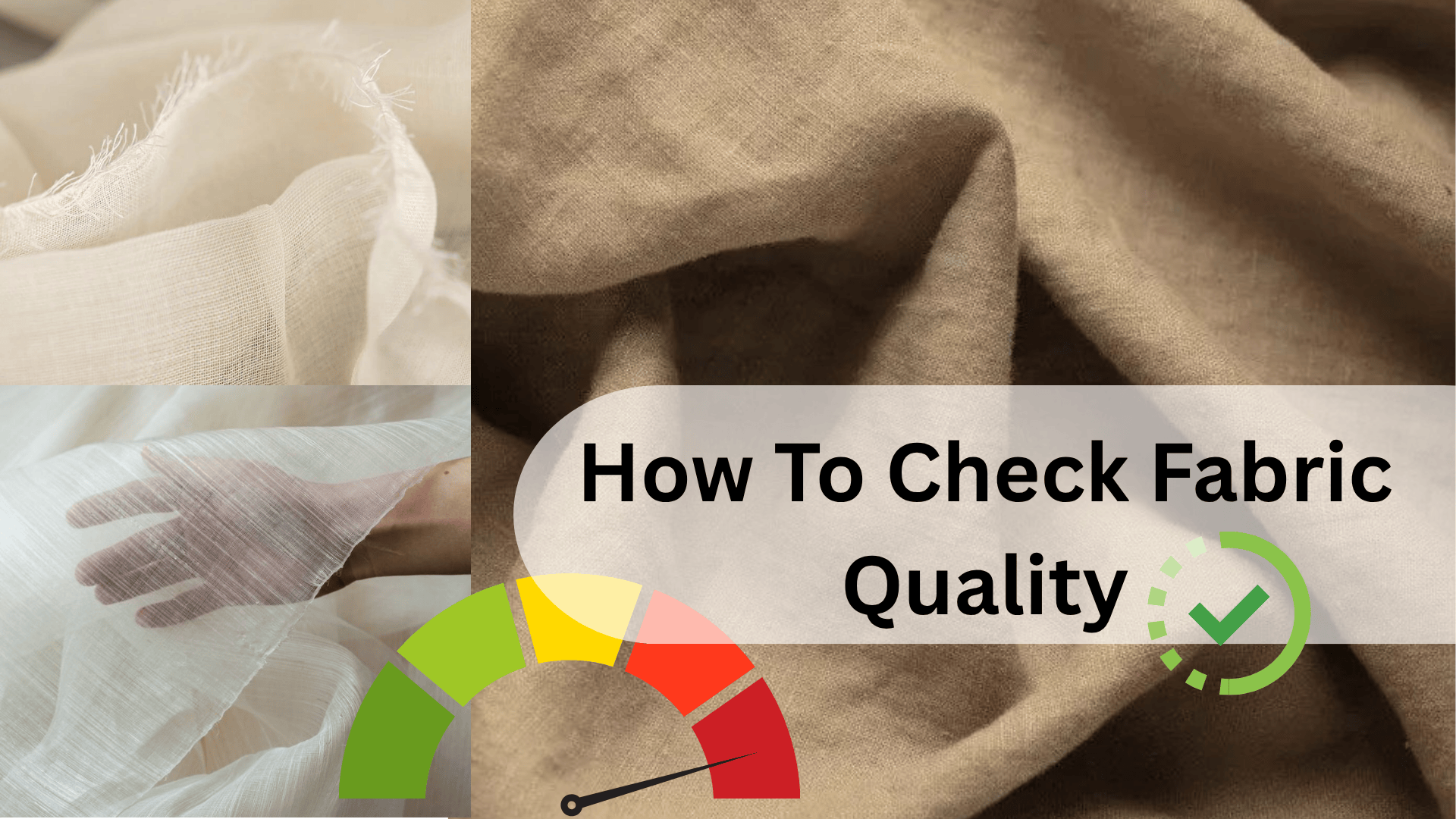
This one’s a bit more specific, but super useful, especially for natural fibers like wool or cotton. Take the fabric, hold it up between your eye and a light source (a window works great). Now, squint a little. What do you see?
Source : anuprerna.com
In a high-quality natural fiber, you’ll often see a uniform distribution of light passing through. It might look slightly grainy, but it’s consistent. If you see large gaps, uneven patches, or a very thin, almost transparent appearance (again, unless it’s supposed to be sheer), it might indicate a weaker fiber, a looser weave, or a blend with cheaper synthetics. This simple test can reveal a lot about the integrity of the fabric.
It’s like looking at wood grain. Good quality wood has a consistent, tight grain. Cheap particle board just… doesn’t. Same idea with fabric. This little trick helps you see past the surface and assess the underlying structure. It’s all about spotting that consistent fabric weave.
Brand Names & Eras: Context is Key
While fabric quality is paramount, knowing the era and potential brands associated with it can add another layer of insight. Certain decades were known for specific fabric iovations or a higher overall standard. The 1940s and 50s, for instance, often saw incredibly well-made garments with durable, high-quality natural fibers. The 1970s had some amazing rayons and unique polyester blends, but also plenty of scratchy nightmares.
Do your research on brands that were reputable in their time for quality. A dress by a designer known for using fine silks might be worth a closer look. Even mass-market brands sometimes had higher quality lines. Understanding the historical context helps you calibrate your expectations. You’re looking for the gems, the pieces that were built to last. This context helps you identify vintage clothing quality.

Source : countryliving.com
Don’t solely rely on brand names, though. A cheap brand could have accidentally used a great fabric, and a fancy brand could have cut corners. Use brand and era as supporting evidence to your fabric inspection, not the main event. It’s about the tangible feel and look, first and foremost. A truly great fabric stands on its own, regardless of the label.
Final Thoughts: Trust Your Gut (and Your Fingertips!)
Sourcing vintage isn’t just about finding cool clothes; it’s about finding pieces with soul, pieces that were made with care. And that care? It starts with the fabric choice. Don’t be intimidated. The more you practice, the better your eye—and your hands—will become.
Next time you’re hitting the thrift stores, the flea markets, or even online vintage shops, remember these tips. Feel everything. Check those labels. Inspect the weave. Let the fabric speak to you. You’ll be amazed at what you can spot when you know what to look for. Happy hunting for those quality vintage textiles!
Frequently Asked Questions
What are the most common high-quality fabrics found in vintage clothing?
Honestly, you can’t go wrong with the classics. Think 100% silk, pure wool (especially merino or cashmere), good quality linen, and durable cottons like Pima or Supima. Rayon, when it’s a good quality rayon crepe or satin, can also feel incredibly luxurious and drapes beautifully. These natural and semi-natural fibers tend to age better and feel way more comfortable than most modern synthetics. You’ll often find these in pieces from the 40s through the 70s.
How can I tell if a synthetic fabric is actually good quality?
This is tricky because, let’s be real, most vintage synthetics aren’t going to feel like cashmere. BUT, there are definitely better ones. Look for synthetics that have a nice weight and a smooth, non-plasticky feel. Acetate and good rayon blends can sometimes feel surprisingly silk-like. Avoid anything that feels overly stiff, scratchy, or has that cheap, crinkly plastic sound. Sometimes, even a polyester blend can have a decent drape if it’s made well. My general rule? If it feels cheap and stiff, it probably is. Always trust your fingers over the label sometimes.
Are vintage labels a reliable indicator of fabric quality?
They can be, but you’ve gotta be smart about it. Labels from certain eras or specific heritage brands are often a good sign – they usually had higher standards back then. For example, a label from a 1950s luxury department store might indicate better quality. However, a fancy label doesn’t guarantee good fabric. Conversely, a no-name brand might have used a surprisingly nice textile. Use the label as a clue, but always, always inspect the fabric itself. Feel it, look at it, see how it drapes. The material is the real MVP.
What signs of wear indicate poor fabric quality rather than just age?
Great question! You want signs of aging, not decay. Poor quality shows up as excessive pilling (those little balls of fluff all over), permanent, deep wrinkles that won’t iron out, fabric that’s stretched out of shape and won’t bounce back, or thin, worn-out spots that look like they’ll tear any second. Also, look out for colors that have faded unevenly in weird splotches rather than a general, even fade. A well-made garment will look like it’s lived a life, but its fundamental structure and fabric integrity should remain solid.
Where can I find reliable information or resources about vintage fabrics?
The internet is a treasure trove, honestly. Websites dedicated to vintage fashion, sewing blogs, and forums are goldmines. You can find tons of info on different fabric types and how they behave. For a great starting point and a guide to different fabric sources, check out vintage fabric sources. It really helps to see what’s out there. Also, just spending time in vintage stores, touching everything, and comparing pieces is probably the best hands-on education you can get. You learn a lot by just feeling different materials.