The Biohacker’s Guide to Starvation: Why They’re Doing It and How They’re Doing It
Forget what your grandma told you about eating three meals daily. Biohackers are on a totally different track. They’re plunging into fasting. This isn’t just about skipping a meal here and there. These are often intense, precise routines crafted to push the body into overdrive: burning fat, fixing cells, and running like a finely-tuned machine. It’s deliberate hunger, not deprivation. And they’re absolutely sold on the outcomes.
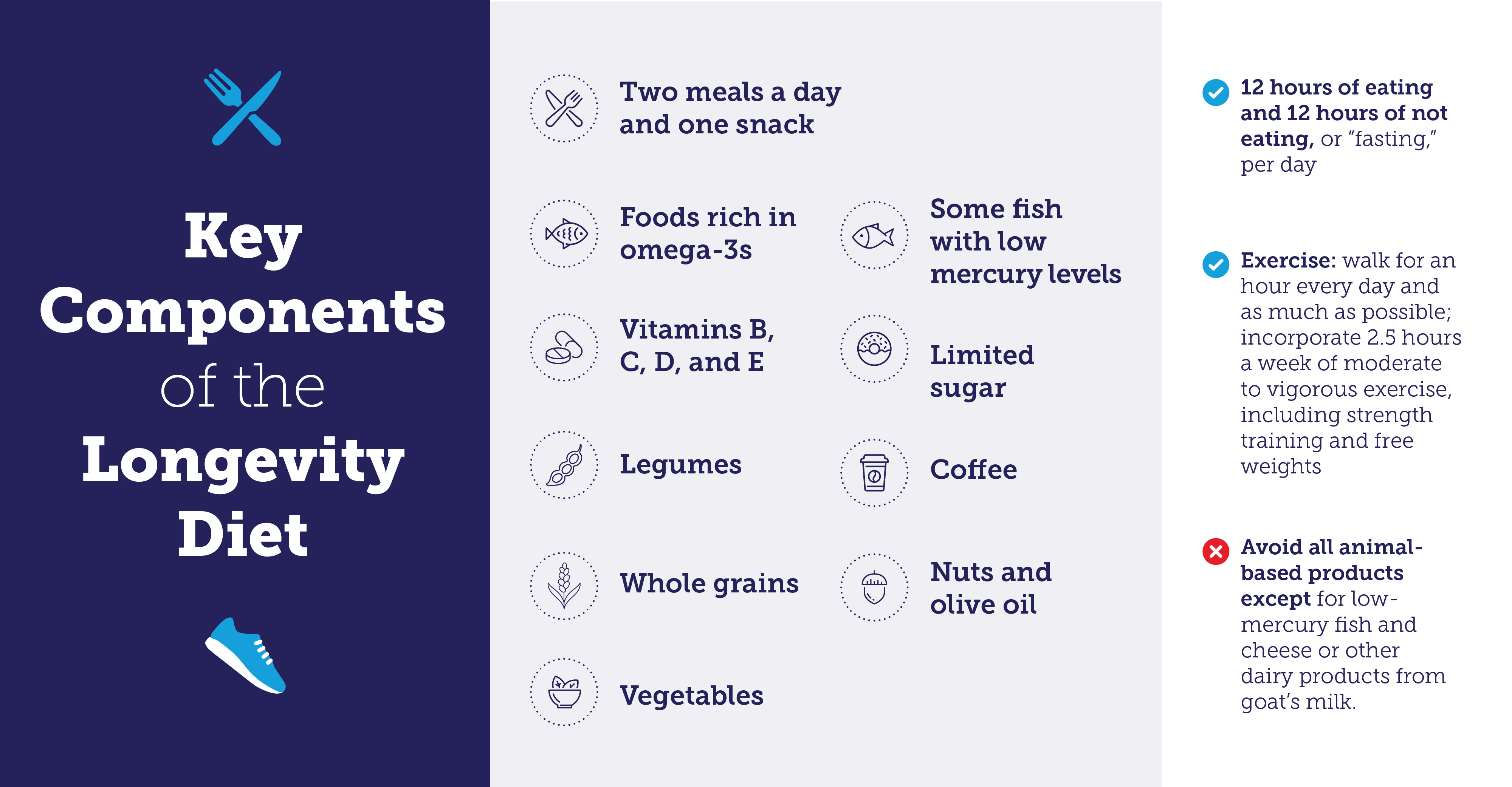
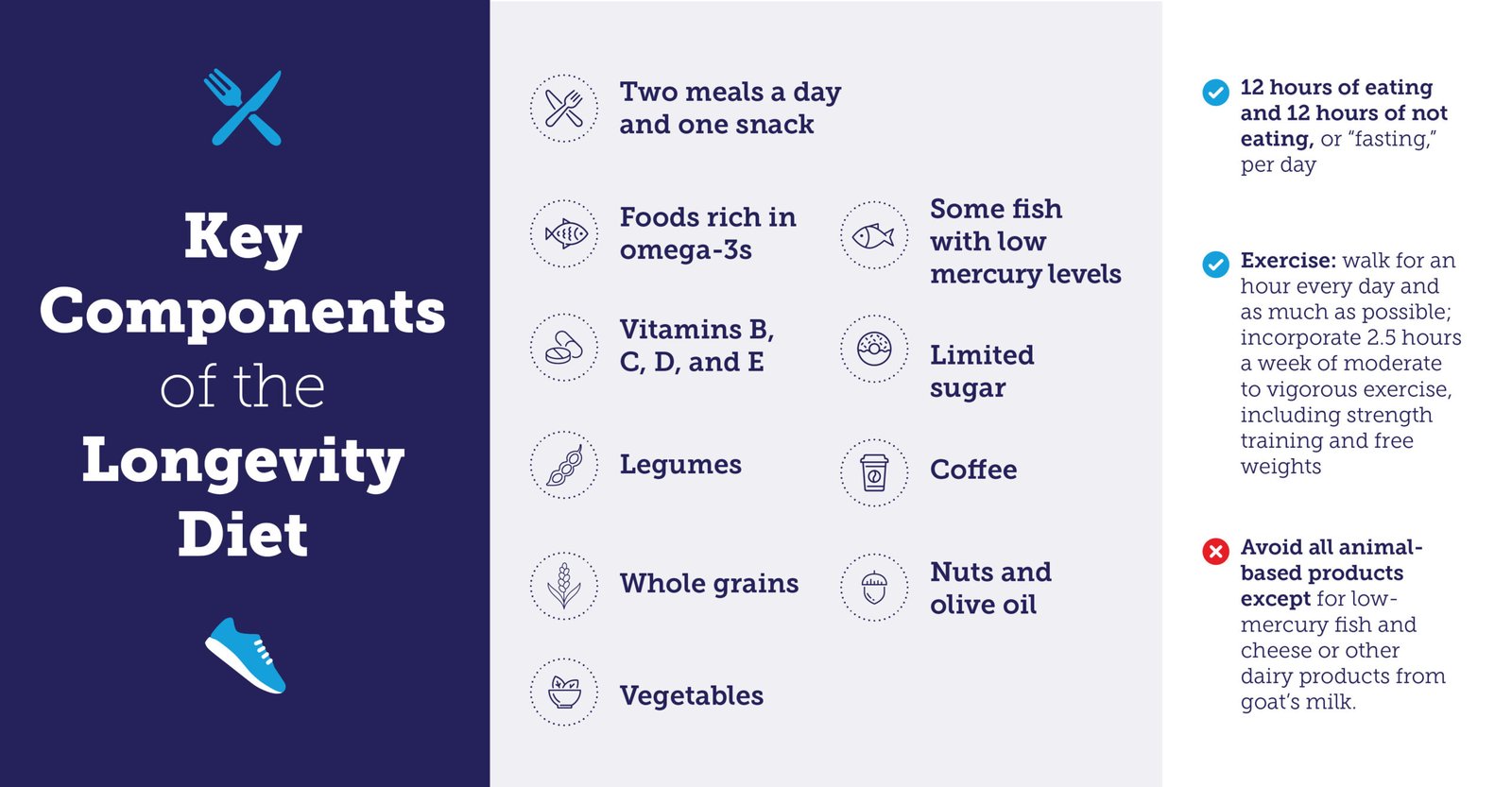
Source : brightfocus.org
Why Starve Yourself? The Biohacker Brains Behind the Fast
So, what’s the actual point? Why would anyone choose to go hungry on purpose? For biohackers, it’s all about enhancing human capabilities. They view fasting as a potent method to tap into our body’s inherent survival systems. When you stop eating, your body shifts gears. It exhausts its easy sugar supply and starts burning stored fat. This is supposedly where the magic happens: cellular cleansing (autophagy), reduced swelling, better insulin response – a whole chain reaction of perks that this crowd chases.
Imagine restarting your computer. You’ve got a bunch of background programs bogging everything down. A restart clears out junk, stops unnecessary tasks, and makes things run way smoother. For biohackers, fasting is the biological version of that. They’re hunting for that sharp, focused, peak performance state. No dragging yourself around, just pure, dialed-in energy. It’s about pushing yourself beyond what you think you’re capable of to find new levels of function.
The ‘Must-Do’ Fasting Protocols: A Biohacker’s Toolkit
Okay, let’s get down to the nitty-gritty details. Biohackers don’t just randomly decide to fast. They follow specific game plans. These aren’t your typical “eat when you’re hungry” intermittent fasting plans you find on trendy health sites. These are often way more intense, more thought-out.

Source : perfectb.com
1. The 16/8 Method: The ‘Gateway Drug’
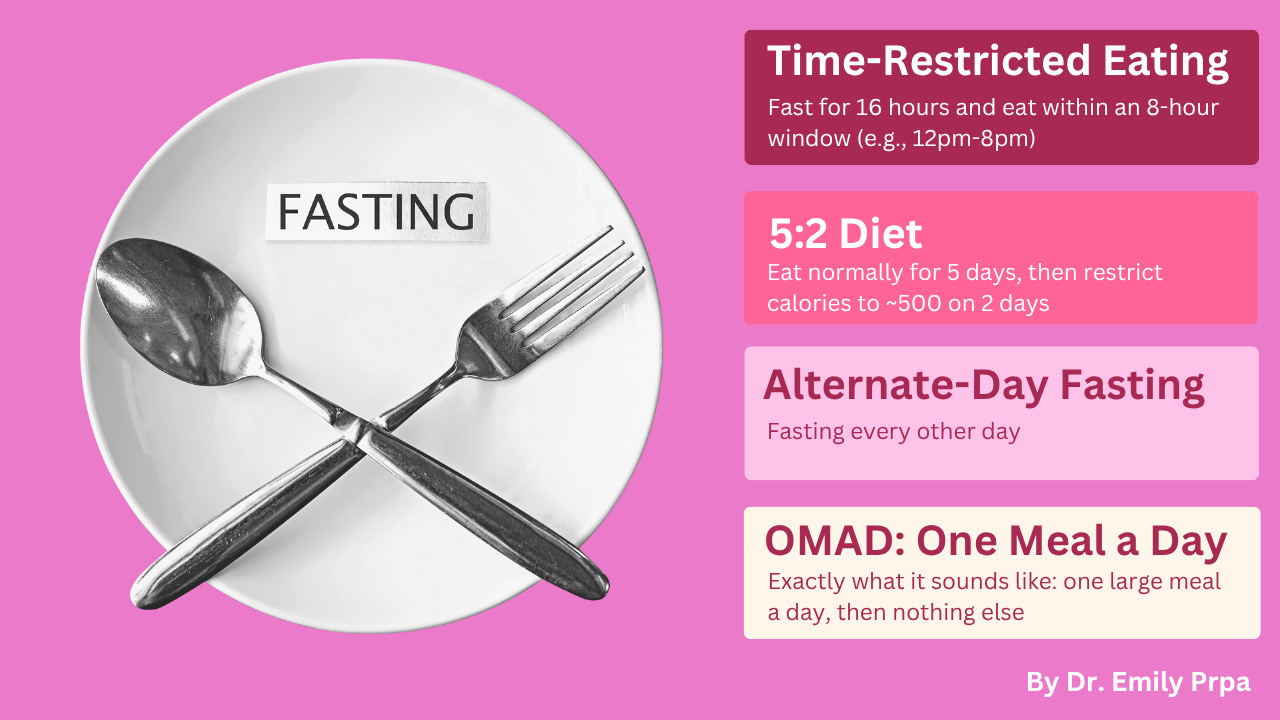
This is probably the most common way folks start. You eat for an 8-hour stretch and then fast for the remaining 16 hours. For instance, you could grab your meals between noon and 8 PM, then fast from 8 PM until noon the next day. It’s not usually seen as extreme, but for many, it’s the initial step into serious fasting. It helps regulate hunger signals and can lead to noticeable weight loss if you stick with it.
A lot of biohackers begin here to build self-control and see how their body responds initially. It’s a gentle nudge, not a massive jolt to your system. You can still eat your meals, hang out with friends, and feel pretty normal. But don’t brush it off; consistently hitting that 16-hour fast can kickstart early autophagy and improve your metabolic markers.
2. The 20/4 Protocol: Stepping Up the Game
Now, things get a bit more intense here. You’re eating within a tight 4-hour window, fasting for 20 hours. This means you’re basically squeezing in one larger meal or maybe two smaller ones during that short time. It forces a bigger calorie deficit and pushes your body harder into fat-burning mode. You’ll probably feel the effects more strongly – maybe more energy, sharper thinking, but possibly more hunger initially.
The 20/4 method is popular because it really extends the fasting time, allowing for deeper cellular repair. Many biohackers report feeling a significant “keto-flu” vibe at first, followed by lasting energy and mental clarity. It’s all about disciplined eating windows for the greatest metabolic impact.
3. Alternate-Day Fasting (ADF): The ‘Eat-Stop-Eat’ Approach
This means fasting every other day. On your fasting days, you might eat barely anything (maybe 500 calories) or nothing at all. Then, on the days you’re not fasting, you eat like normal. This creates a big calorie deficit weekly and can be super effective for shedding pounds. But, it demands serious mental toughness. You’re essentially going from feasting to near-starvation and back again, really fast.
ADF is a potent metabolic reset. Your body gets a solid break from digestion, allowing for robust autophagy. But man, it’s tough. You’ve got to be ready for the hunger, the potential energy crash on fasting days, and make sure you’re getting enough nutrition on your eating days. This isn’t for the easily discouraged; it’s for serious biohackers pushing their boundaries.
4. The 5:2 Diet: A Slightly Gentler Variation
Source : dremilyprpa.substack.com
It’s pretty similar to ADF, but less intense. You eat normally for five days each week, then you cut your calories way down to around 500-600 on two separate days. It’s a way to get some of the benefits of cutting calories without dealing with daily fasting. This offers a middle ground – you get extended fasting periods without the daily hassle, making it more sustainable for some. It’s a smart way to approach intermittent fasting, mixing restriction with some flexibility.
The 5:2 diet is often seen as a stepping stone for folks who find ADF just too difficult. It still gives your digestive system a significant break twice a week, leading to great metabolic benefits. The trick is to be consistent and make those two low-calorie days count without wrecking your health. It’s a balanced strategy.
5. Extended Fasting (24 Hours or More): The Deep Dive
This is where biohackers really go for it. We’re talking about fasts lasting 24, 48, 72 hours, or even longer. These longer periods are thought to supercharge autophagy, burn a lot of fat, and cause other major body changes. This is absolutely NOT for beginners. It needs careful planning, lots of water, electrolyte balance, and often, doctor oversight. Things can go wrong fast if you’re not careful.
Extended fasting is usually done intentionally, maybe once a month or every few months, for a deep cellular reset. The body plunges into a more profound state of ketosis and works hard on repairing cells. Some biohackers even pair this with water-only fasts or broth fasts to help with electrolytes. This is the cutting edge of fasting for them.
6. The Fasting-Mimicking Diet (FMD): Tricking the Body
This is pretty interesting, a concept from Dr. Valter Longo. It’s a specific diet plan: low calories, low protein, low carbs, for five days straight. The idea is to make your body feel like it’s fasting, even though you’re eating. It’s designed to trigger the same awesome benefits as fasting (like regenerating stem cells and autophagy) but with less stress and hunger. It’s a clever way to get many metabolic perks without the extreme challenge of a water fast. It’s a strategic approach to fasting benefits.
The FMD is especially helpful for people who find long water fasts impossible but still want those regenerative effects. It’s carefully put together to keep your body in a fasting-like metabolic state while still giving you the nutrients you need. Think of it as a shortcut for cell renewal. It’s a smart choice.
The Science Behind the Starvation: What’s Really Happening?
So, why do these methods actually work? It’s not magic; it’s pure biology. When you fast, your body goes through several key changes:
Source : ctcd.edu
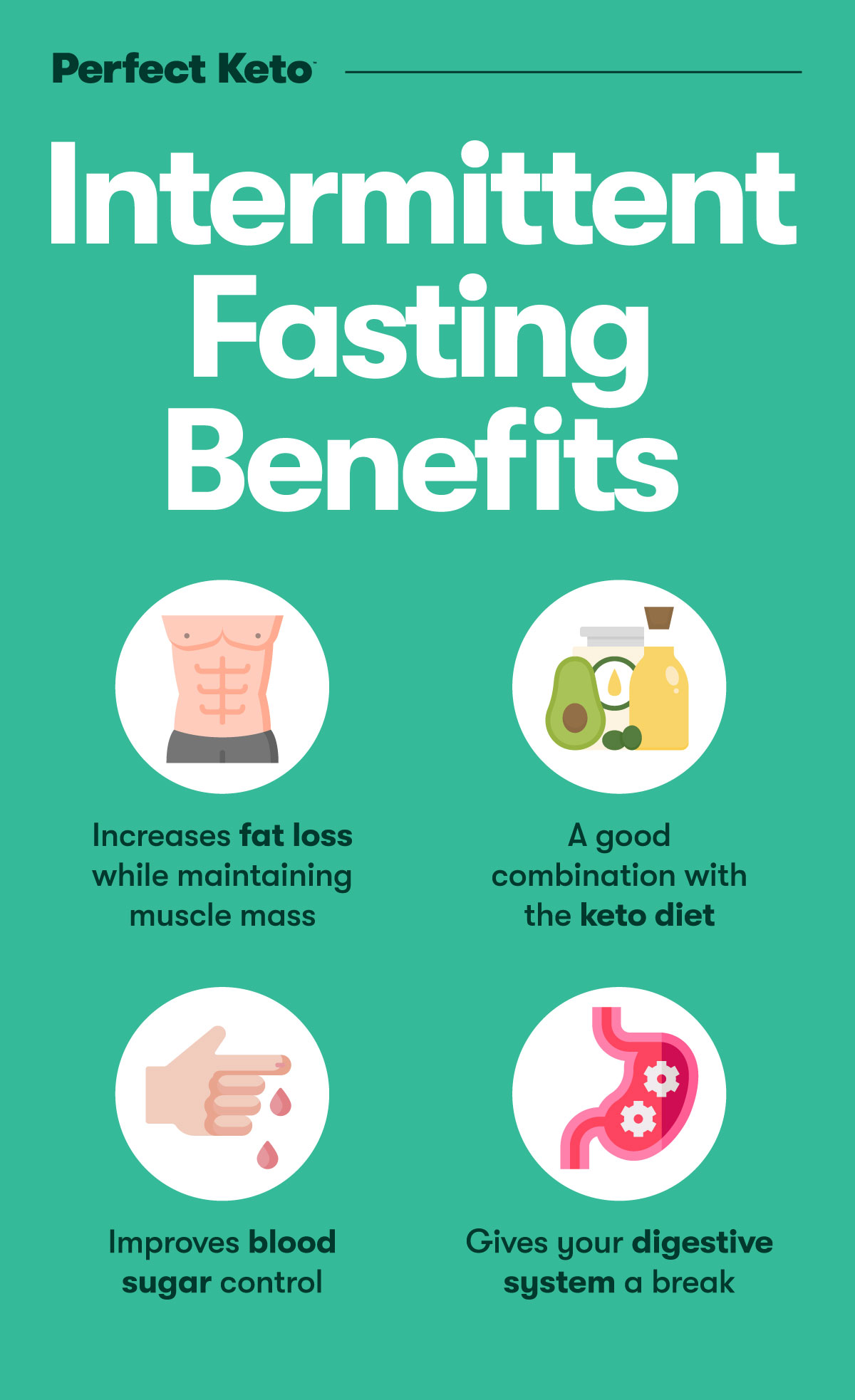
- Insulin Sensitivity Improvement: With no food coming in, insulin levels drop significantly. This allows your body to become more sensitive to insulin over time, which is crucial for preventing type 2 diabetes and improving metabolic health. It’s a key metabolic marker biohackers monitor.
- Autophagy Kick-In: This is the cellular house-cleaning process. When cells are stressed (like during fasting), they start clearing out damaged proteins and organelles, recycling them into new, healthy components. Biohackers see this as cellular rejuvenation at its finest.
- Ketosis Activation: Once glucose stores are depleted, your body starts breaking down fat into ketones for energy. Ketones are a clean-burning fuel, and many biohackers report enhanced mental clarity and sustained energy when in ketosis. It’s a preferred energy source for the brain.
- Growth Hormone Boost: Fasting has been shown to increase human growth hormone (HGH) levels. HGH plays a role in muscle growth, fat loss, and overall cellular repair. It’s like a natural anti-aging elixir.
- Reduced Inflammation: Studies suggest fasting can reduce markers of inflammation in the body. Chronic inflammation is linked to a host of diseases, so reducing it is a major goal for those looking to improve long-term health. It’s about calming the internal storm.
Studies, like those looking at how fasting affects brain health, show real promise in delaying brain diseases and making our thinking sharper as we get older. Fasting can be a seriously powerful way to keep your mind agile. It’s a proactive move for longevity and brain function.
Beyond the Fast: What Biohackers Eat (and When)
Alright, so you’re fasting. But what happens when your eating window finally opens? This is where the quality of what you eat becomes super important. Biohackers aren’t just stuffing their faces with junk; they’re smart about it.
- Nutrient Density is King: During their eating window, biohackers focus on whole, unprocessed foods. Think lean proteins, healthy fats (avocado, nuts, seeds, olive oil), and plenty of fibrous vegetables. The goal is to get the most nutritional bang for their buck in a limited time. It’s about quality over quantity.
- Macronutrient Balancing: Depending on their goals, they might focus on higher protein to preserve muscle mass, healthy fats for sustained energy, and complex carbohydrates for fuel. Some lean into keto-friendly meals, while others incorporate more carbs strategically around workouts. It’s a calculated dietary approach.
- Electrolyte Management: This is crucial, especially during longer fasts. Biohackers often supplement with sodium, potassium, and magnesium to prevent headaches, fatigue, and muscle cramps. Staying hydrated with water, and sometimes mineral water or electrolyte drinks (unsweetened!), is key. It’s about supporting bodily functions.
- Timing Matters: Some biohackers prefer to front-load their calories earlier in the eating window, while others prefer to have a larger meal later. The specific timing often depends on their personal circadian rhythms and workout schedules. It’s a personal optimization strategy.
Picture this: a typical biohacker’s post-fast meal. It’s a huge, colorful salad piled high with salmon, avocado, and a zesty lemon-tahini dressing, maybe followed by some berries and a handful of almonds. Or maybe a juicy grass-fed steak with a big serving of steamed broccoli and a side of sweet potato. Real food, powering a body that’s been optimized. They’re not just eating; they’re nourishing their optimized bodies.
The Dark Side: Risks and Who Should Avoid Fasting
Let’s be straight. Fasting isn’t a walk in the park, and it’s definitely not for everyone. Biohackers often push limits, but even they have to watch out for the potential downsides.
- Nutrient Deficiencies: If your eating window is too short or your food choices are poor, you risk not getting essential vitamins and minerals. This can lead to a whole host of health problems. It’s a real danger of restrictive diets.
- Hormonal Imbalances: For women, especially, prolonged or aggressive fasting can disrupt menstrual cycles and affect fertility. The body might see extreme calorie restriction as a famine, impacting reproductive hormones. This is a critical consideration for women.
- Gallstones: Rapid weight loss from fasting can increase the risk of developing gallstones.
- Electrolyte Imbalances: As mentioned, improper electrolyte management can lead to serious health issues, including heart problems. This is not something to mess around with. It requires serious attention to detail.
- Disordered Eating: For individuals with a history of eating disorders, fasting can trigger unhealthy obsessions and behaviors. It’s crucial to have a healthy relationship with food before attempting such protocols. Be honest with yourself.
Who absolutely should NOT fast? Pregnant or breastfeeding women, anyone with type 1 diabetes, people with a history of eating disorders, and those with certain serious medical issues (like kidney problems or severe heart conditions) need to stay away. Always chat with your doctor before making huge changes to your diet, especially something as intense as prolonged fasting. They can tell you if it’s safe for your unique physiological profile.

Source : fallbrookmedicalcenter.com
Real-World Biohacker Stories: Proof in the Pudding (or Lack Thereof)
You hear the stories, right? The big-shot CEO who swears he’s never felt sharper since starting his 36-hour fasts. The athlete who’s nailed his performance with daily carb cycling and intermittent fasting. These personal tales really fuel the whole movement. Think about someone like Tim Ferriss, who’s been super open about trying out all sorts of fasting routines. He’s famous for breaking down and sharing his biohacking adventures, including fasting experiments.
Then you’ve got folks like Dave Asprey, who’s been pushing keto diets and fasting for ages as core parts of his “bulletproof” lifestyle. These guys aren’t just dabbling; they’re seriously invested in using these methods to get ahead. They often track their health data obsessively – sleep patterns, heart rate variability, blood sugar levels – to see exactly what’s happening. It’s all about personal experimentation and data tracking.
Consider the story of someone like Daymond John. After battling thyroid cancer, he turned to biohacking and fasting to reclaim his health and live longer. He’s been pretty public about adding 40-hour fasts into his routine. These aren’t just abstract ideas; they’re real-life applications from successful people aiming for peak health.
The Future of Fasting in the Biohacking World
Fasting methods are definitely here to stay in the biohacking world. As science digs deeper into how fasting really works and its benefits, we’ll probably see even more advanced techniques pop up. Maybe fasting schedules tailored to your DNA, or even tech gadgets to help monitor and guide your fasts more precisely. The biohacking crowd is always searching for the next big thing, the next way to push human limits.
It’s not just about living longer; it’s about living better, healthier, and sharper for longer. Fasting, in its many variations, has become a fundamental part of this pursuit. It shows how we can intentionally influence our own biology to achieve amazing results. The biohacking journey is one of constant discovery and adaptation, and fasting remains a key, powerful tool in that kit.
Frequently Asked Questions
-
What is the Biohack for intermittent fasting?
The ultimate biohack for intermittent fasting isn’t a magic pill, but rather the strategic implementation of specific fasting protocols. For biohackers, it’s about pushing beyond standard intermittent fasting (like 16/8). They might try longer fasting windows (20/4), alternate-day fasting (ADF), or even multi-day extended fasts (like 48-72 hours). The real ‘hack’ is viewing fasting as a precise tool for specific goals, like maximizing autophagy (cellular cleanup) or achieving deep ketosis for better focus. It’s about data-driven experimentation with fasting to optimize personal biology.
-
Why are doctors against intermittent fasting?
It’s not that most doctors are completely against intermittent fasting, but many are cautious, especially with the more extreme versions. Their hesitation often comes from a lack of long-term, large-scale human studies, potential risks like nutrient deficiencies or hormonal imbalances (particularly in women), and the danger of it triggering disordered eating. Some doctors also worry IF might not be suitable for people with existing conditions like diabetes or heart issues without close medical supervision. They prioritize safety and proven methods, and some IF approaches cross lines that raise concerns without proper guidance. It’s about patient safety first.
-
What do biohackers eat for breakfast?
This is a bit of a trick question for many biohackers because they often skip breakfast entirely! Many biohackers practicing intermittent fasting, especially those doing 16/8 or longer fasts, just don’t eat breakfast. Their eating window might start at noon or even later. If they do happen to eat in what we’d normally call the morning (maybe during a wider eating window or on a recovery day), it’s not your typical cereal bowl. Expect meals packed with nutrients, often keto-friendly or low-carb: think avocado with eggs, a high-quality protein shake with MCT oil, or even leftovers from dinner. It’s all about fueling their optimized bodies with the right nutrients when they finally break their fast, not following old habits.
-
What are the benefits of a 72-hour fast for biohackers?
A 72-hour fast is serious business for biohackers, pushing deep into cellular repair. They’re aiming for maximum autophagy, that cellular ‘clean-up’ process where the body gets rid of damaged cells. This is thought to contribute to longevity and disease prevention. They also want a huge boost in ketone production, leading to sharper mental focus and lasting energy, and potentially a significant drop in inflammation markers. It’s a powerful, though challenging, tool for a profound biological reset.
-
Can you combine fasting with exercise as a biohacker?
Totally! Many biohackers see pairing fasting and exercise as a potent performance hack. They might do fasted cardio (working out on an empty stomach) to maximize fat burning, or strategically schedule their nutrient-dense meals after workouts during their eating window to help muscles repair and grow. Some even experiment with strength training while fasted, though this requires serious attention to energy levels and recovery. The main thing is to really listen to your body and understand how fasting impacts your workout intensity and recovery.