
Telomere Testing: Tracking Your Biological Age
Look, we all know chronological age is just a number. It’s how old the calendar says you are. But what about how old you actually are? Like, deep down in your cells? That’s where telomere testing comes in, trying to nail down your biological age. It’s like getting a sneak peek at your body’s real-time wear and tear. Forget just counting candles on a cake; we’re talking about counting the actual cellular cost.
Source : relatyv.com
What Exactly Are Telomeres?
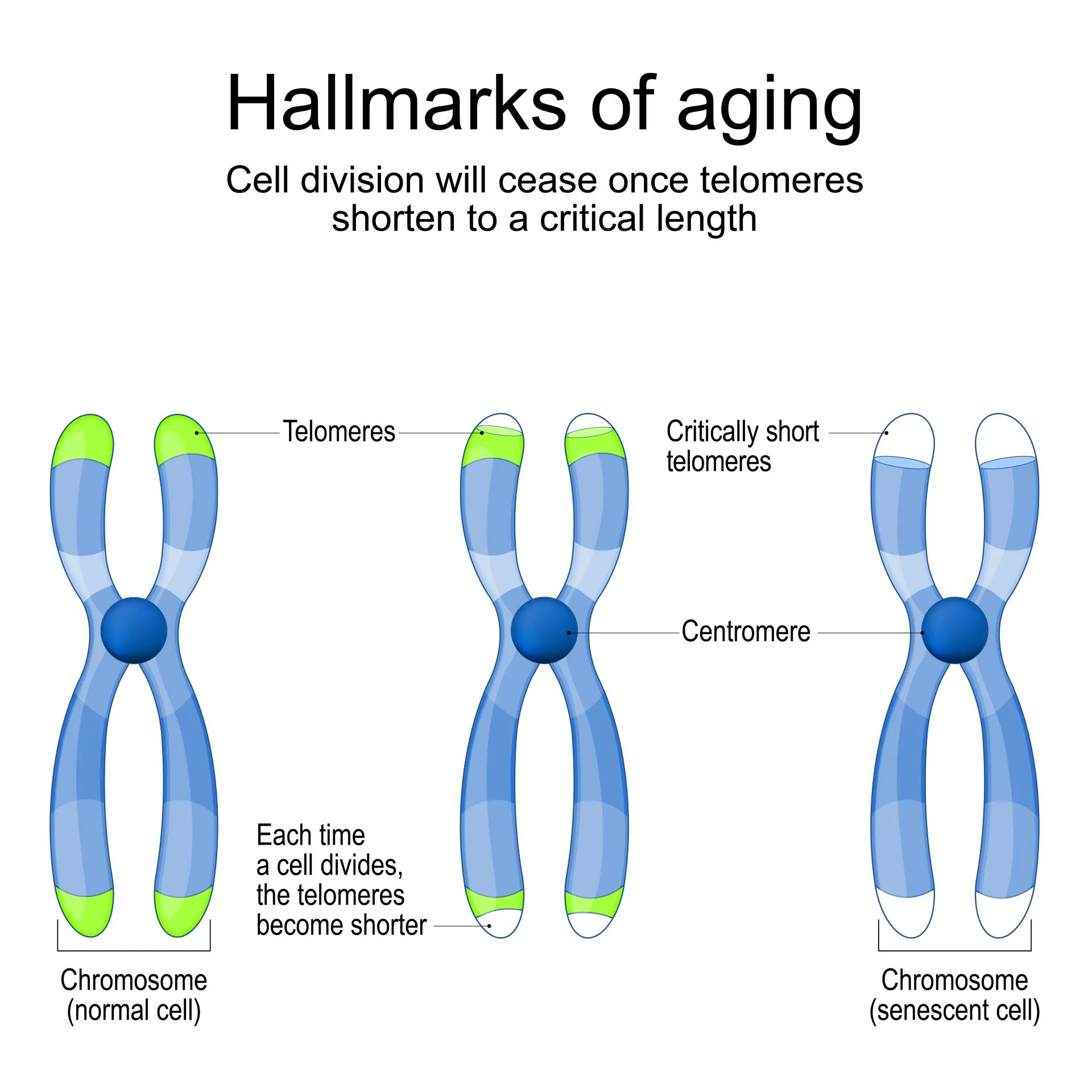
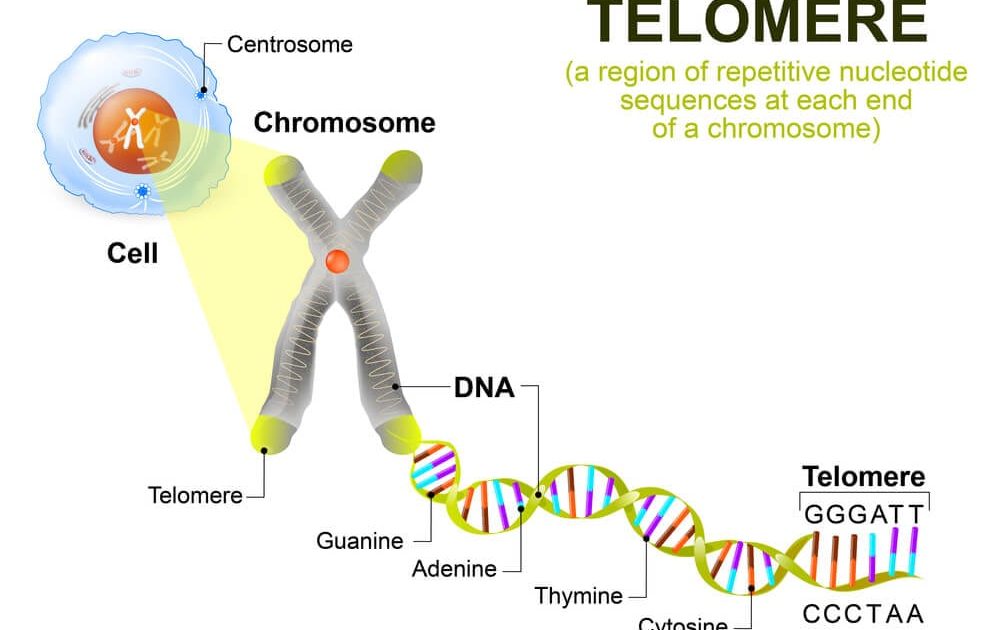
Think of your DNA as shoelaces. Your telomeres? They’re the plastic or metal tips on those shoelaces. Capped ends. They protect the important bits of your chromosomes from fraying or getting tangled up. Every time your cells divide, these telomere caps get a little shorter. It’s a natural process, like the slow erosion of a mountain. Eventually, when they get too short, the cell can’t divide anymore and it heads toward cellular senescence – basically, it kicks the bucket. Or, you know, becomes a zombie cell causing trouble.
Why Should You Care About Telomere Length?
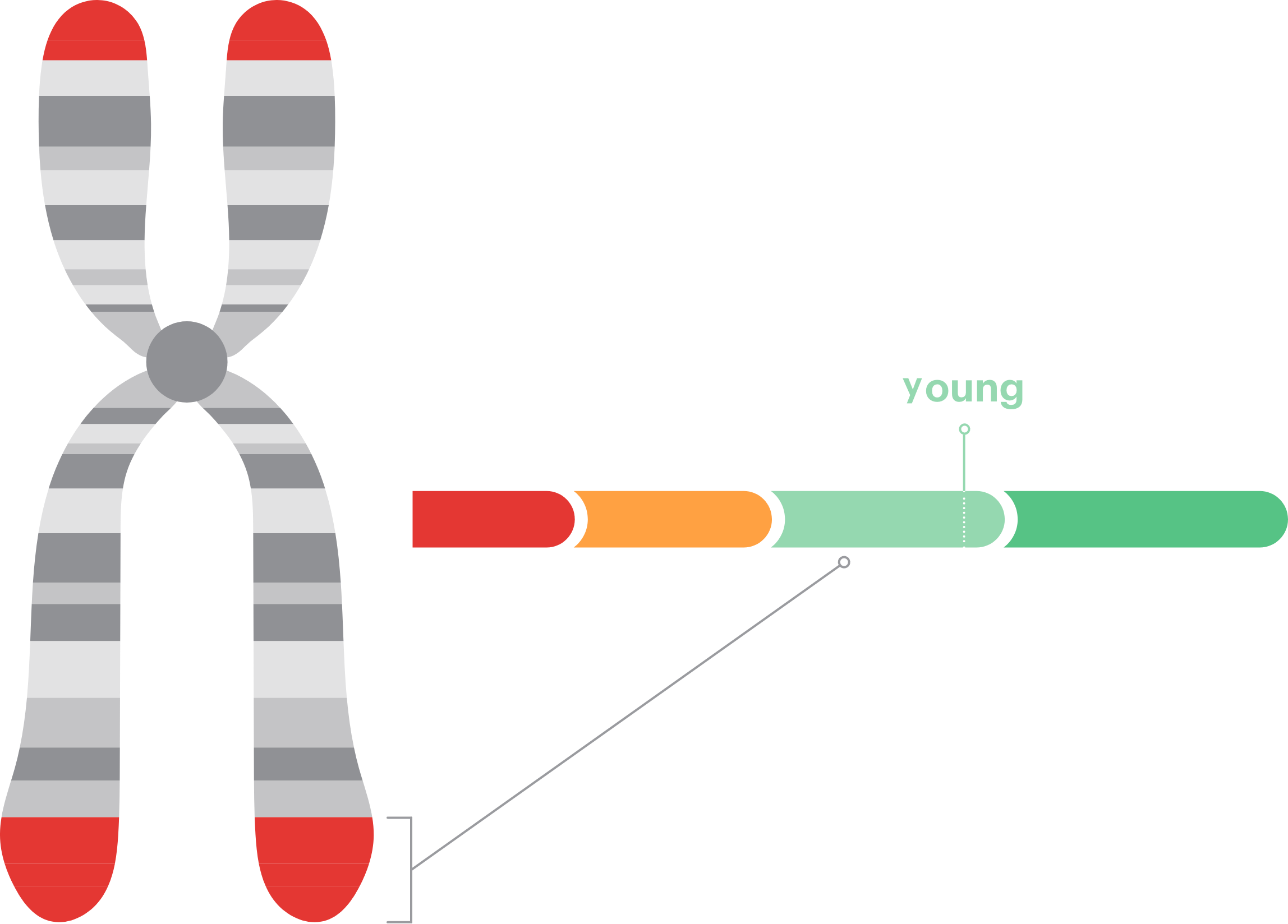
Short telomeres? Yeah, they’re linked to a bunch of nasty stuff: heart disease, diabetes, dementia, even certain cancers. Basically, the usual suspects when it comes to aging poorly. So, if your telomeres are shorter than average for your age, it’s a red flag. It means your body might be aging faster than it should. On the flip side, longer telomeres often mean better health and a longer lifespan. It’s a direct signal from your cells.
Source : longevityrdn.com
Telomere Testing: The Biological Age Detective
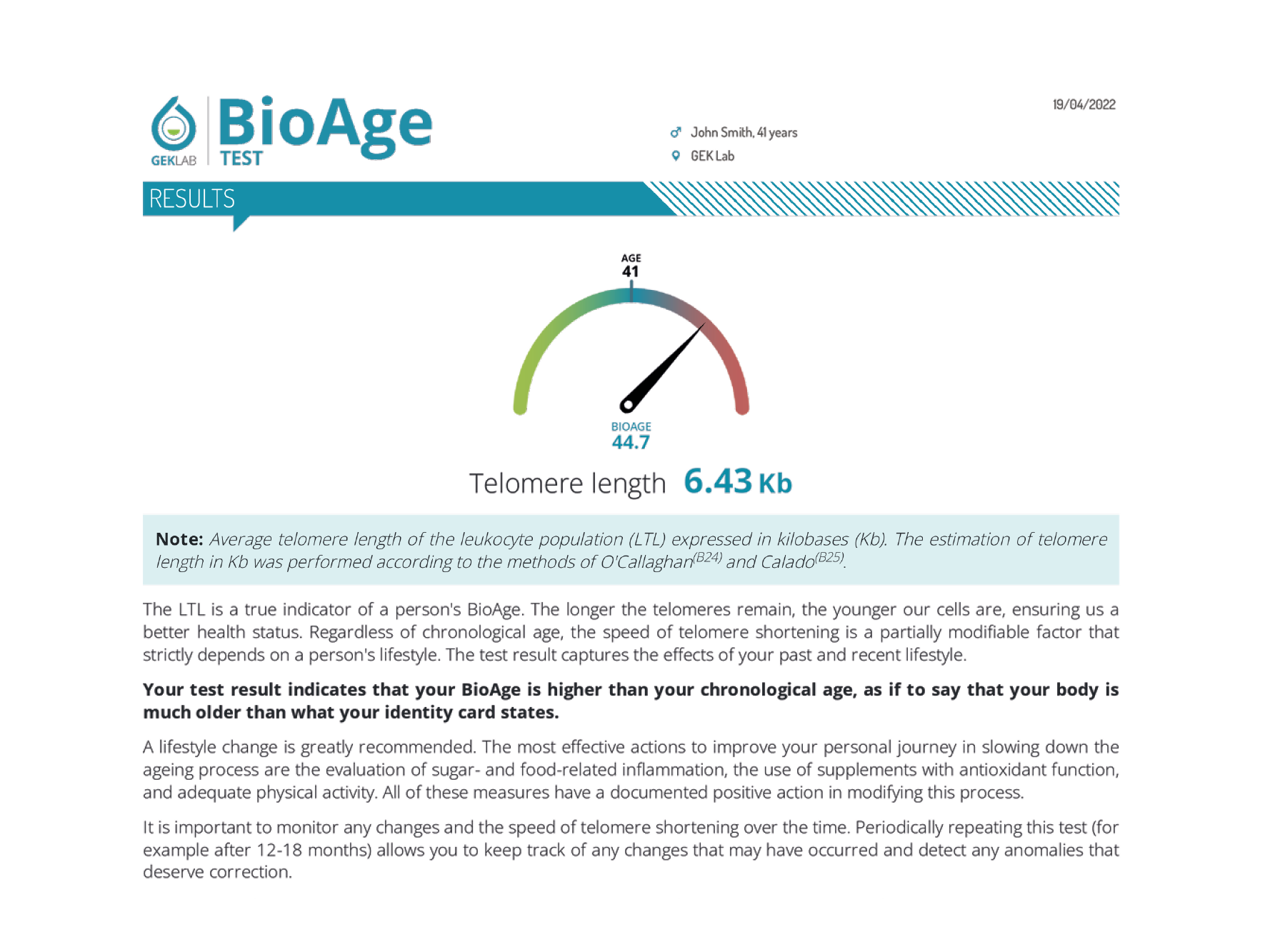
So, how do we actually measure these little guardians? That’s where telomere testing comes in. Labs can take a sample of your blood, extract your DNA, and measure the length of your telomeres. They compare this length to data from a large population. This comparison gives you your biological age, not just your chronological one. It’s a snapshot of your cellular health right now. Some tests even give you a ‘telomere age’ – telling you if you’re older or younger than your actual years.
Is Telomere Testing the Only Way to Measure Biological Age?
Nope. It’s one piece of a much bigger puzzle. There are other ways scientists are trying to clock our biological age. Think DNA methylation clocks (which look at chemical tags on your DNA), or assessing things like blood markers, grip strength, and even how fast you can get up from a chair. Each method offers a different angle. Some are more established, others are still kinda new and buzzy. The NIH published a review talking about new insights into methods to measure biological age, and it covers a lot of ground. It’s fascinating stuff, but telomeres are a pretty compelling indicator.
What Makes Telomere Testing a Good Option?
Well, for starters, it’s relatively straightforward. You get a blood draw, they do the science. No weird spit kits that barely work. Plus, telomeres have been studied for a long time. There’s a decent amount of research linking their length to health outcomes. Companies like SpectraCell offers a telomere test that dives deep into your cellular health. It’s a tangible metric you can track. You can see if your lifestyle changes are actually making your telomeres longer (or at least stop them from shrinking so fast).
Source : geklab.com
So, What’s the Most Accurate Test for Biological Age?
Honestly? It’s a tough call. There’s no single ‘magic bullet’ test yet. Different tests measure different aspects of aging. DNA methylation clocks, like the ones developed by Horvath, are considered pretty advanced and accurate. They look at epigenetic changes that happen over time. But they’re complex and expensive. Telomere length is a really solid marker, especially for assessing cellular aging and potential health risks. But it doesn’t tell the whole story. Think of it like this: methylation clocks are like a super-detailed MRI, while telomere testing is like a really good X-ray. Both are valuable, but they show different things. Right now, the best approach is probably a combination of markers. Using multiple tests gives you a more comprehensive, and thus more accurate, picture of your overall biological age.
What is the Telomere Test for Biological Age?
Alright, let’s break down the telomere test for biological age. It’s a lab test that measures the length of your telomeres. Remember those protective caps on your DNA strands? Their length is a key indicator of how many times your cells have divided and how much ‘wear and tear’ your cells have accumulated. The test typically involves a blood sample. Scientists then use techniques like quantitative PCR (qPCR) or Southern blots to measure the average length of the telomeres in your white blood cells. The result? It’s usually expressed in kilobases (kb) and then compared against a reference range based on your chronological age. If your telomeres are significantly shorter than expected, it suggests you might have a higher biological age than your calendar age indicates. Some companies even provide a direct ‘telomere age’ result. It’s pretty wild to see.
What Foods Can Help Repair Telomeres?
This is the million-dollar question, right? Can you eat your way to longer telomeres? The short answer: probably not ‘repair’ them back to youthful lengths, but you can definitely slow down their shortening and support telomere health through diet. Think of it more as ‘protecting’ and ‘maintaining’ rather than ‘repairing.’ Focus on an anti-inflammatory diet rich in antioxidants. That means loading up on fruits and vegetables – berries, leafy greens, colorful peppers. Omega-3 fatty acids are also your friends. Fatty fish like salmon and mackerel, or sources like walnuts and flaxseeds, can help reduce inflammation that might be zapping your telomeres. Whole grains, lean proteins, and healthy fats are good too. Basically, the stuff your doctor always tells you to eat, but now you have a cellular-level reason! Avoiding processed foods, excessive sugar, and unhealthy fats is just as crucial. Less junk means less cellular stress.
Source : stemcells.center
Can Telomere Length Actually Increase?
This is where things get interesting, and a bit controversial. For a long time, the thinking was telomeres only shorten. But some studies, particularly involving lifestyle interventions like intense stress reduction, meditation, and specific diets, have shown potential for telomere lengthening or at least stabilizing length. Telomerase is the enzyme that can rebuild telomeres. Certain lifestyle factors might activate this enzyme. However, this isn’t a widespread, guaranteed outcome like just eating a salad. It often requires significant commitment and might not work for everyone. It’s a complex biological process, and while exciting, it’s not something to bet your retirement on just yet. Focus on slowing the shortening first.
What Are the Risks of Short Telomeres?
Short telomeres are basically a biological warning sign. They’re associated with an increased risk of several age-related diseases. We’re talking cardiovascular diseases like heart attacks and strokes. Increased risk for type 2 diabetes is another big one. Cognitive decline and dementia, including Alzheimer’s disease, have also been linked to shorter telomeres. Certain types of cancer are also more prevalent in individuals with shorter telomeres. Think of it as your cells signaling that they’re getting old and tired, making them more vulnerable to damage and dysfunction. This cumulative cellular aging can manifest as chronic diseases later in life. It’s a marker for accelerated aging.
How Often Should You Test Your Telomeres?
If you’re regularly monitoring your telomere length, testing once a year is usually sufficient. It gives you a good benchmark to see trends over time. Testing too frequently probably won’t show significant changes, as telomere shortening is a gradual process. You want enough time to implement lifestyle changes and then see if they’ve had an impact. Consider testing when you make significant shifts in your diet, exercise routine, or stress management. It can be a powerful motivator to see that your efforts are translating into better cellular health. Think of it as an aual check-up for your cellular clock.

Source : victorymenshealth.com
Is Telomere Testing Covered by Insurance?
Generally? Not really. Most standard health insurance plans in the US don’t cover telomere testing because it’s usually considered elective or investigational. It’s not typically seen as medically necessary for diagnosing or treating a specific condition in the way a blood glucose test might be. You’ll likely be paying out-of-pocket. The cost can vary widely depending on the lab and the specific type of telomere test performed, ranging from a couple of hundred dollars to more. Some companies might offer it as part of a broader wellness or longevity package, but don’t count on your insurance picking up the tab.
What’s the Difference Between Telomere Length and Telomere Activity?
Great question. It’s easy to get them mixed up. Telomere length is simply the physical measurement of those protective caps at the end of your chromosomes. It’s like measuring how long the shoelace tip still is. Telomere activity, on the other hand, refers to the action of an enzyme called telomerase. Telomerase is the enzyme that can actually rebuild or lengthen telomeres. So, you can have long telomeres but low telomerase activity (meaning they’ll likely just keep shortening), or shorter telomeres with high telomerase activity (which might help slow the shortening). It’s the activity of telomerase that dictates whether your telomeres can be rebuilt. Length is the current status; activity is the potential for change.
The Takeaway: It’s More Than Just a Number
Tracking your telomeres isn’t just some futuristic health fad. It’s a real way to get a handle on your cellular health and understand your true biological age. While it’s not the only measure, it’s a powerful indicator linked to your overall well-being and longevity. By understanding your telomere length, you can make informed decisions about your lifestyle. Diet, exercise, stress management – they all play a role. Maybe you can’t reverse aging completely, but you can certainly influence how gracefully you move through it. So, get that test done, focus on those healthy habits, and give your cells the best fighting chance. It’s about living longer, yes, but more importantly, living healthier for longer.
Frequently Asked Questions
-
What is the most accurate test for biological age?
Figuring out the single most accurate test for biological age is tricky, honestly. Right now, it’s not just one thing. DNA methylation clocks are super advanced and considered very accurate for tracking epigenetic aging. They look at chemical changes on your DNA. Telomere length is another strong contender, giving you a good idea of cellular wear and tear. But for the real picture? Most experts agree that a combination of different markers—like methylation, telomeres, and other physiological assessments—gives you the most comprehensive and reliable view of your true biological age.
-
What is the telomere test for biological age?
Okay, so the telomere test for biological age is a lab analysis that measures the length of your telomeres. Think of telomeres as the protective caps on the ends of your chromosomes, like the plastic tips on shoelaces. They get shorter each time your cells divide. This test takes a sample of your blood and measures the average length of these telomere caps. The result is compared to data for your chronological age. If your telomeres are shorter than average for your age group, it suggests your biological age might be older than your calendar age, indicating faster cellular aging.
-
What foods repair telomeres?
While ‘repairing’ telomeres back to their youthful state is a big ask, you can definitely support their health and slow down shortening through diet. Focus on an anti-inflammatory diet packed with antioxidants. Load up on fruits and vegetables, especially berries and leafy greens. Omega-3 fatty acids from fatty fish (like salmon), walnuts, and flaxseeds are great too. Whole grains and lean proteins also help. Basically, eat clean, avoid processed junk and excessive sugar, and you’re giving your telomeres a much better environment to exist in. It’s about protection, not magic regrowth.
-
Can lifestyle changes actually lengthen telomeres?
It’s a hot topic! While the common understanding is that telomeres only shorten, some research suggests that significant, sustained lifestyle changes might help stabilize or even slightly lengthen them. Things like chronic stress reduction through meditation, a super healthy diet, and regular exercise seem to be key factors. These interventions might influence the enzyme telomerase, which can rebuild telomeres. However, it’s not a guarantee, and the effect can be subtle. Don’t expect overnight miracles, but focusing on a healthy lifestyle is definitely the best bet for telomere maintenance.
-
What's the difference between telomere length and telomere activity?
Good question! Telomere length is the actual physical measurement of those protective caps on your DNA strands. It’s a snapshot of how much wear and tear your cells have accumulated. Telomere activity, on the other hand, refers to the action of an enzyme called telomerase. Telomerase is the builder; it can actually rebuild or lengthen telomeres. So, you could have long telomeres but low telomerase activity (meaning they’ll likely just keep shrinking), or shorter telomeres with high telomerase activity (which might slow down that shrinking). The activity is about the potential for rebuilding, while length is the current state.